Isaiah 29
Tupàn ze'eg · Tap a verse to see its cross-references.
Uze'eg Zeruzarez rehe a'e
1Pepuhareko Zeruzarez Tupàn pe imonokatu pyrer nehe.
Kwehe mehe tuwihawete Tawi uzapo weko haw a'e pe.
Pemumaw amo kwarahy
mynykaw Tupàn imuwete haw iapo pà nehe.
2A'e re Tupàn uzepyk putar a'e tawhu Tupàn pe imonokatu pyrer her ma'e rehe nehe.
A'e pe har uzai'o putar wà nehe. Uzemumikahy putar wà nehe no.
Tawhu nuzawy kwaw Tupàn henataromo ma'ea'yr hapy haw tuwykwer tetea'u rehe har nehe.
3Tupàn omono kar putar zauxiapekwer tetea'u tawhu pe wà nehe, iàmàtyry'ym kar pà wanupe wà nehe.
A'e zauxiapekwer a'e wà, tawhu pe har wàmàtyry'ymar a'e wà, umàmàn putar tawhu izywyr wà nehe.
Uzapo putar pàrirogaw rehe uzeupir àwàm wà nehe. Uzeupir putar hehe tawhu pupe wixe pà wà nehe.
4Weityk putar tàpuz paw wà nehe.
A'e pe har u'ar putar ywy rehe upyta pà wà nehe.
Uze'eg putar tekwe ài wà nehe.
Hewowo putar wà nehe. Uze'eg putar imuhemahy 'ym pà tekwe ài wà nehe no.
5Na'arewahy tàrityka'i
Tupàn Tuweharupi Wiko Ma'e Ikàg Wera'u Ma'e uzàmàtyry'ym putar wàmàtyry'ymar oho a'e wà nehe kury. Ni amo nuàro kwaw tur àwàm wà nehe.
Zauxiapekwer amo ae ywy rehe arer romo wanekon wà.
Wànoànog putar nehe. Ywy uryryryryz putar nehe no. Wànoànogahy putar nehe.
Ur putar ywytuaiw nehe. Àmànuhu ukyr putar nehe no. Tata ma'erapy har ur putar nehe no.
Umuigo kar putar wàmàtyry'ymar ywy imuku'iahy pyrer romo wà nehe.
Nuzawy kwaw ka'api'i uxinig ma'e kwer ywytu hemiraha kwer wà nehe.
7Tupàn pe ma'ea'yr hapy haw rehe ipurumuaiw wer har wà nehe,
zauxiapekwer tawhu izywyr har paw wà nehe, pàrirogaw rehe uzeupir haw iapo har wà nehe no,
a'e paw ukàzym putar puahu haw zanewi uhemaw ài wà nehe, ma'e hexak awer ukàzym ma'e kwer ài wà nehe.
8Teko ywy nànànar Xiàw ywytyr iàmàtyry'ymar wà nehe,
nuzawy kwaw awa ima'uhez katu ma'e umai'u haw rehe upuahu ma'e wà nehe.
Ume'e mehe ima'uhez we a'e.
Nuzawy kwaw awa iziwez katu ma'e uwi'u haw rehe upuahu ma'e wà nehe.
Ume'e mehe iziwez we a'e.
Zeruzarez pe har wamumuranu haw
9Peiko wiwi iranaiwa'u ma'e romo nehe, aze peneko wer nehe.
Peiko wiwi hehàpyhà 'ym ma'e romo nehe, aze ikatu wera'u nezewe haw peme nehe.
Aze pei'u win pupe nehe, aze pei'u kàwiahy pupe nehe, peka'u he'o ma'e ài peata e pà nehe.
10Ta'e Tupàn Tuweharupi Wiko Ma'e pemuger kar tuwe a'e xe.
Upyk peàkàg. Pemuzeàpumi kar a'e.
Peàkàg a'e wà, peneha a'e wà no, wiko Tupàn ze'eg imume'u har romo a'e wà.
Tupàn wexak kar zepe ma'e puahu pe har zàwenugar a'e awa wanupe a'e. Nuexak kwaw wà.
11Ko 'ar rehe puahu pe har zàwenugar paw nuzawy kwaw ze'eg pape rehe imuapyk pyrer iwàpytym pyrer peme. Napepuner kwaw ikwaw paw rehe. Aze peraha pape amo pape kwaw par pe nehe, — Emugeta nehe, aze peze izupe nehe, — Napuner kwaw ihe, ta'e uzewàpytym pape a'e xe, i'i putar peme nehe. 12Aze peze'eg pape kwaw par 'ym pe nehe. — Emugeta nehe, aze peze izupe nehe, — Nakwaw kwaw pape imugeta haw ihe, i'i putar peme nehe.
13Zanezar uze'eg nezewe.
— Ko teko uze'eg ihewe uzuru pupe wà.
Umume'u hekatu haw weme pupe wà.
Wapy'a muite ihewi wà.
Teko wapurumu'e haw rupi
zo hemuwete wà.
Xo ze'eg imume'u wiwi haw zo ukwaw wà.
14A'e rupi amupytuhegatu kar wi putar ko teko ihe wà nehe.
Azapo putar ma'e ikwaw pyr 'ym wainuinuromo nehe, azapo putar iaiw ma'e wainuinuromo nehe no.
Ukwaw katu ma'e wà. Nezewe rehe we nupuner kwaw a'e ma'e imume'u haw rehe wà nehe. Nukwaw kwaw a'e ma'e heremiapo ràm wà nehe.
Teko ma'e tetea'u rehe imu'e pyrer nukwaw kwaw a'e wà nehe no, i'i Zanezar.
15Aze teko umim wemiapo Tupàn Tuweharupi Wiko Ma'e wi a'e wà nehe, uzepyk putar wanehe a'e nehe.
Pepuhareko ipytunahy haw rehe ikatu 'ym ma'e iapo har pe wà nehe. Uze'eg nezewe wà.
— Ni amo nupuner kwaw zanerexakaw rehe wà. Ni amo nukwaw kwaw zaneremiapo wà, i'i waiko wà.
16Pemono ikatu 'ym ma'e ikatu ma'e hekuzaromo.
Aipo ywyzuwa ikatu wera'u ima'ema'e har zapepo iapo har wi.
Zapepo nuze'eg kwaw nezewe wapo arer pe.
— Naheapo kwaw pe ne, ni'i kwaw.
— Nerekwaw kwaw ma'e iapo haw, ni'i kwaw ywy'a wapo arer pe.
Purupyro haw imume'u haw
17Nan kwehe tete ka'aete uzeapo putar ma'etymaw romo nehe.
Ma'etymaw uzeapo wi putar ka'a romo wiko pà nehe.
18A'e 'ar mehe iapyha 'ym ma'e wenu putar ze'eg a'e wà nehe. Amo umugeta a'e ze'eg pape iwàpytym pyrer rehe har wà nehe, ze'eg imuapyk pyrer hexak pyr 'ym wà nehe.
Hehàpyhà 'ym ma'e uhem putar ipytunahy haw wi wà nehe. Upuner putar ma'e hexakaw rehe wà nehe.
19Tupàn Tuweharupi Wiko Ma'e omono putar turywete haw ma'e hereko 'ymar wanupe nehe.
Tupàn Ikatuahy Ma'e Izaew wazar umurywete kar putar hemetarer 'ym ma'e a'e wà nehe.
20Ta'e Tupàn umumaw putar wemiaihu wanehe imunar ma'e a'e wà nehe xe.
Uzuka putar uzehe uze'eg zemueteahy ma'e a'e wà nehe.
Amo teko wanupe ikatu 'ym ma'e wemiapo ràm imume'u har a'e wà nehe, ukàzym putar a'e wà nehe.
21Tupàn umumaw putar amo rehe hemu'em ma'e wà nehe.
Umumaw putar tuwihaw wanupe hemu'em ma'e wà nehe no.
Aze amo hemu'em amo rehe tuwihaw henataromo nehe, aze a'e rupi tuwihaw omono kar amo ikatu 'ym ma'e iapo 'ymar zemunehew paw pe nehe, Tupàn uzepyk putar a'e hemu'em ma'e rehe nehe.
22Tupàn Tuweharupi Wiko Ma'e, upyro Àmàrààw ikatu 'ymaw wi imàno haw wi a'e. Uze'eg iko teko Izaew izuapyapyr wanehe kury.
— Heremiaihu nuzemumikahy wi kwaw wà nehe.
Na'imaranugar pixik kwaw wà nehe.
23Wexak putar heremiapo ràm wamyter pe àràm wà nehe.
Hexak mehe umume'u putar herer ikatu haw wà nehe.
— Ereiko Tupàn Ikatuahy Ma'e Izaew wazar romo ne, i'i putar ihewe wà nehe.
Ukyze putar ihewi hemuwete katu pà nehe.
24Na'e iranaiwa'u ma'e wiko putar ma'e kwaw katu har romo wà nehe.
Heàmàtyry'ym arer
weruzar putar hepurumu'e haw wà nehe no, i'i Tupàn uzeupe.
Did you know?
The Siege and Restoration of Ariel
- The name Ariel is used symbolically in this passage for Jerusalem, the city where King David once encamped. The term is also associated with an altar hearth for burnt offerings, picturing the city undergoing intense siege and distress before its sudden deliverance.Sources: Ariel · David · the Bible text itself
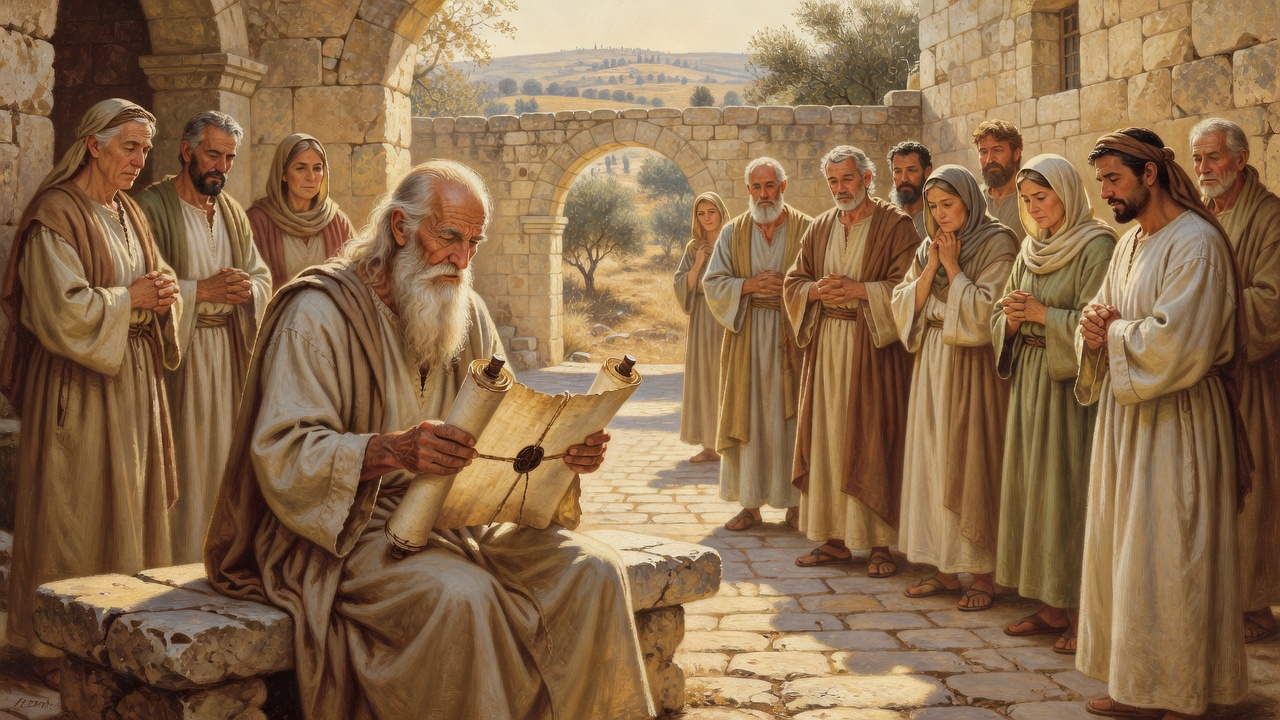
- Isaiah compares the spiritual insensibility of the people to a sealed scroll that the literate cannot open and the illiterate cannot read. He condemns those who reverse the natural order by acting as though the clay could question the potter who formed it.Sources: the Bible text itself
- The chapter promises a dramatic reversal in which the great mountain region of Lebanon becomes a fertile orchard. In that day, the descendants of Jacob and Abraham are promised understanding, joy, and justice as the blind see and the deaf hear.Sources: Lebanon · Abraham · Jacob (Israel) · the Bible text itself
Notes written with AI assistance from open sources (Theographic Bible Metadata, CC BY-SA 4.0; Easton’s Bible Dictionary, public domain) and reviewed before publishing.
Places in this chapter
- Ariel · Today: Jerusalem · 31.777, 35.234 · verses 1, 2, 7
- City of David · 31.774, 35.236 · verse 1
- Jerusalem · 31.777, 35.234 · verses 2, 3
- Mount Zion · 31.772, 35.229 · verse 8
- Lebanon · 33.540, 35.584 · verse 17
Only places identified with high confidence are shown (90% or more according to the scholarly sources compiled by OpenBible). Period map: DARE (Digital Atlas of the Roman Empire), CC BY 4.0; modern map: © OpenStreetMap contributors; places: OpenBible.info (CC BY 4.0).
Credits and license for this translation
Tupàn ze'eg
Bible without Deuterocanon in Guajajára (BR:gub:Guajajára)
copyright © 2007 Wycliffe Bible Translators, Inc.
Language: Guajajára
Translation by: Wycliffe Bible Translators, Inc.
Guajajára [gub], Brazil
Copyright Information
© 2007, Wycliffe Bible Translators, Inc. All rights reserved.
This translation text is made available to you under the
terms of the Creative Commons License: Attribution-Noncommercial-No Derivative Works.
( http://creativecommons.org/licenses/by-nc-nd/3.0/ )
In addition, you have permission to port the text to different file formats, as long as you
do not change any of the text or punctuation of the Bible.
You may share, copy, distribute, transmit, and extract portions
or quotations from this work, provided that you include the above copyright
information:
You must give Attribution to the work.
You do not sell this work for a profit.
You do not make any derivative works that change any of the actual words or punctuation of the Scriptures.
Permissions beyond the scope of this license may be
available if you contact
us with your request.
Printed book ISBN 9788531109713
The Bible without Deuterocanon
in Guajajára
© 2007, Wycliffe Bible Translators, Inc. All rights reserved.
This translation is made available to you under the terms of the
Creative Commons Attribution-Noncommercial-No Derivatives license 4.0.
You may share and redistribute this Bible translation or extracts from it in any format, provided that:
You include the above copyright and source information.
You do not sell this work for a profit.
You do not change any of the words or punctuation of the Scriptures.
Pictures included with Scriptures and other documents on this site are licensed just for use with those Scriptures and documents.
For other uses, please contact the respective copyright owners.
2020-03-30
Source: http://ebible.org/gubBl/ · eBible.org