Ecclesiastes 4
Tupàn ze'eg · Tap a verse to see its cross-references.
1Na'e ame'e wi ikatu 'ymaw ywy rehe har nànàn ihe kury. Aexak teko amo teko tetea'u wanehe wamunar mehe ihe wà. Aexak ma'erahy tetea'u wanupe ipuraraw kar mehe ihe wà no. Uzai'o wà. Nezewe rehe we ni amo nupytywà kwaw wà. Ni amo nupytywà kwaw wà, ta'e wanehe imunar ma'e kwer wiko upuner ma'e romo a'e wà xe. 2A'e rupi aze'eg nezewe hezeupe kury. Umàno ma'e kwer hurywete wera'u wikuwe ma'e wanuwi wà. 3Uzexak kar 'ym ma'e hurywete wera'u tuwe a'e teko wanuwi upaw rupi wà. Nuexak kwaw ma'erahy purupe ipuraraw kar haw ko ywy rehe har a'e wà rihi.
4Teko uma'ereko tetea'u a'e wà, ta'e ikàg wera'u wer amo wanuwi a'e wà xe. Akwaw waneko wer haw ihe kury. Wanemimutar paw uzeapo na'arewahy ukàzym ma'e ràm romo. Nuzawy kwaw ywytu haikweromo wazànaw. 5Nezewe i'i teko wà. — Aze amo upytu'u uma'ereko re nehe, aze upytu'u umai'u re nehe, umàno putar nehe. Xo he'o ma'e zo uzapo mo nezewe wà, i'i wà. 6Azeharomoete ru'u aipo. Na'ikatu kwaw zanereko haw nehe, aze zama'ereko tetea'u e ywytu ipyhyk pà zane nehe. Aze xo pixika'i ma'e zo xiriko zanepo pe nehe, aze zanerurywete nehe, zanereko haw ikatu wera'u putar nezewe mehe nehe.
7Amo ma'e akwaw ihe. Heta amo ma'e heityk pyrer zàwenugar. 8Aze awa wiko a'e zutyka'i nehe, umyrypar 'ym pà nehe, wa'yr 'ym pà nehe, wywyr 'ym pà nehe no, tuweharupi uma'ereko zepe, aze nahurywete pixik kwaw wemetarer rehe nehe, heko awer nuzawy kwaw heityk pyrer nehe. Màràzàwe tuwe uma'ereko tetea'u. Màràzàwe tuwe nuzemurywete kar kwaw ikatu ma'e zanereko haw rehe har rehe. Heko awer uzeapo na'arewahy ukàzym ma'e ràm romo. Nezewe wiko ma'e a'e wà, uzemumikahy a'e wà.
9Aze heta mokoz teko wà, ikatu wera'u wà. Ta'e mokoz uzehe we uma'ereko mehe upuner ma'e tetea'u wera'u imono'ogaw rehe wà nehe xe. 10Aze pitài u'ar nehe, inugwer upytywà putar nehe, imupu'àm pà nehe. Aze a'e zutyka'i wiko ma'e u'ar nehe, zawaiw katu putar izupe nehe. Ta'e naheta kwaw imupu'àm har a'e wà nehe xe. 11Aze huwixàgatu nehe, mokoz upuner uzehezehe we uker haw rehe uzemuaku kar pà wà nehe. Aze pitài zo nehe, ma'e uzapo putar uzemuaku kar pà nehe. 12Aze amo uzàmàtyry'ym a'e mokoz teko a'e wà, a'e mokoz teko upuner uwàmàtyry'ymar heitykaw rehe a'e wà. Aze pitài zo heta nehe, iàmàtyry'ymar weityk putar a'e zutyka'i wiko ma'e a'e nehe. Aze xipupepupe na'iruz kyhàhàm pixika'i ma'e nehe, kyhàhàm ipupepupe pyrer ikàg wera'u putar nehe.
13Kwàkwàmo ma'e hereko 'ymar Ma'e Kwaw Katu Har, ikatu wera'u tuwihawete itua'uhez ma'e ma'e kwaw 'ymar wi a'e, pureruze'egaw henu 'ymar wi a'e. 14Awa hemetarer 'ym ma'e romo uzexak kar ma'e kwer upuner putar zemunehew paw wi uhemaw rehe nehe. A'e re upuner putar uiwy rehe har wanuwihawete romo wiko haw rehe nehe no. 15Hema'enukwaw teko ko ywy rehe wiko ma'e paw wanehe ihe. Amo ywy rehe heta ru'u amo kwàkwàmo. A'e kwàkwàmo wiko putar ru'u tuwihaw romo tuwihawete hekuzaromo a'e nehe. 16Heta tetea'u tuwihawete hemiruze'eg wà. Nezewe rehe we, tuwihawete romo wiko re ipytu'u mehe ni amo hemiruze'eg numume'u kwaw ikatu haw izupe wà. Ma'e paw uzeapo na'arewahy ukàzym ma'e ràm romo. Nuzawy kwaw ywytu haikweromo zanezànaw.
Did you know?
Oppression, Companionship, and Fleeting Acclaim
- Ecclesiastes highlights the practical value of companionship in daily life, explaining that two workers achieve a better return on their labor, can help each other up after a fall, provide shared warmth when lying down, and resist attackers together.Sources: the Bible text itself
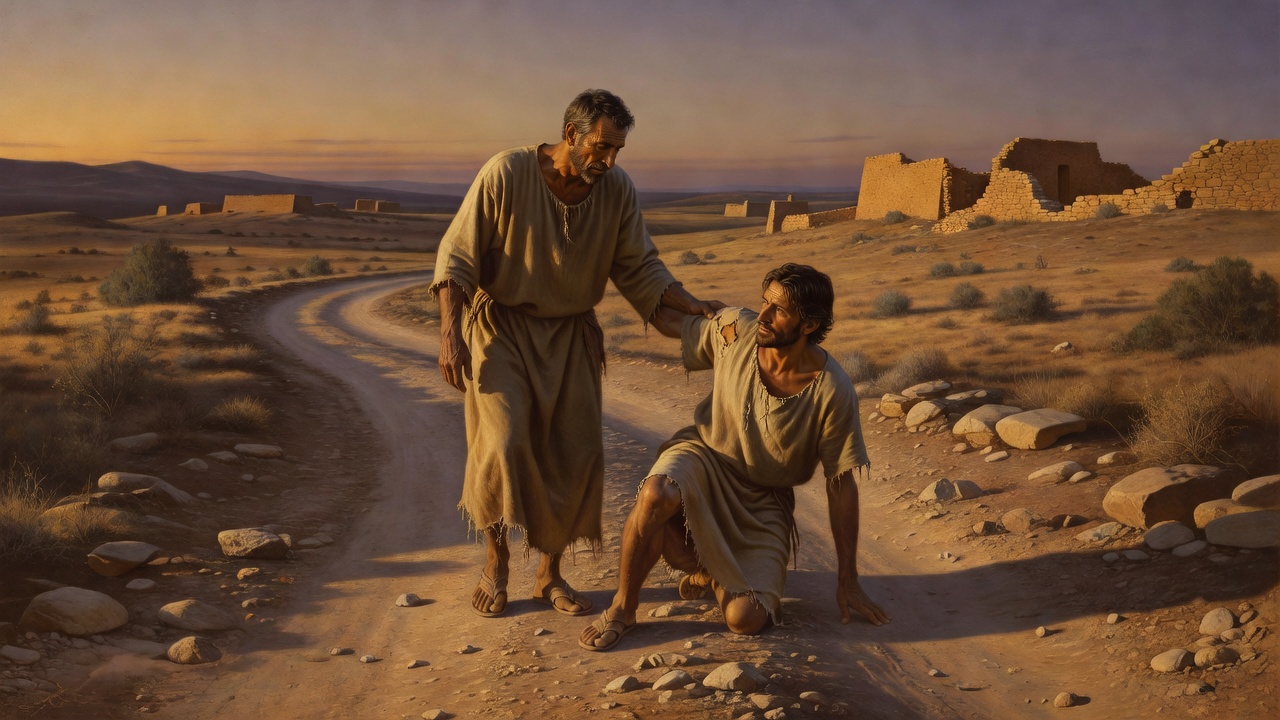
- The passage contrasts the misery of solitary toil with the peacefulness of moderation, noting that some hoard wealth endlessly despite having no companion, son, or brother with whom to share it.Sources: the Bible text itself
- The text illustrates the fleeting nature of political fame through the figure of a poor, wise youth who rises from prison to replace an unteachable king, gaining massive popularity that is later forgotten by future generations.Sources: the Bible text itself
Notes written with AI assistance from open sources (Theographic Bible Metadata, CC BY-SA 4.0; Easton’s Bible Dictionary, public domain) and reviewed before publishing.
Credits and license for this translation
Tupàn ze'eg
Bible without Deuterocanon in Guajajára (BR:gub:Guajajára)
copyright © 2007 Wycliffe Bible Translators, Inc.
Language: Guajajára
Translation by: Wycliffe Bible Translators, Inc.
Guajajára [gub], Brazil
Copyright Information
© 2007, Wycliffe Bible Translators, Inc. All rights reserved.
This translation text is made available to you under the
terms of the Creative Commons License: Attribution-Noncommercial-No Derivative Works.
( http://creativecommons.org/licenses/by-nc-nd/3.0/ )
In addition, you have permission to port the text to different file formats, as long as you
do not change any of the text or punctuation of the Bible.
You may share, copy, distribute, transmit, and extract portions
or quotations from this work, provided that you include the above copyright
information:
You must give Attribution to the work.
You do not sell this work for a profit.
You do not make any derivative works that change any of the actual words or punctuation of the Scriptures.
Permissions beyond the scope of this license may be
available if you contact
us with your request.
Printed book ISBN 9788531109713
The Bible without Deuterocanon
in Guajajára
© 2007, Wycliffe Bible Translators, Inc. All rights reserved.
This translation is made available to you under the terms of the
Creative Commons Attribution-Noncommercial-No Derivatives license 4.0.
You may share and redistribute this Bible translation or extracts from it in any format, provided that:
You include the above copyright and source information.
You do not sell this work for a profit.
You do not change any of the words or punctuation of the Scriptures.
Pictures included with Scriptures and other documents on this site are licensed just for use with those Scriptures and documents.
For other uses, please contact the respective copyright owners.
2020-03-30
Source: http://ebible.org/gubBl/ · eBible.org