Deuteronomy 24
Tupàn ze'eg · Tap a verse to see its cross-references.
Awa wemireko wi upuir haw
1Uze'eg Moizez teko wanupe. — Aze ru'u uzeapo putar nezewe haw nehe. Awa hemireko putar nehe. Amo 'ar pawire hemireko na'ikatu kwaw izupe kury. Ta'e amo ma'e hemireko rehe har na'ikatu kwaw izupe xe. A'e mehe uzapo putar pape wemireko wi upuir haw imume'u haw nehe. Omono putar a'e pape wemireko pe uzewi imono kar pà nehe. 2Oho putar izuwi nehe. Aze ru'u wereko putar amo awa umen romo nehe. Nan kwehe tete na'ikatu kwaw a'e umen pe nehe. Imen omono kar putar uzewi nehe no. Aze ru'u imen umàno izuwi. 4Wyzài agwer ma'e izeapo mehe imen ipy nupuner kwaw ipyhyk wi haw rehe wemireko romo nehe. Ikatu 'ym ma'e romo wiko umener pe. Aze mo wereko wi no, iro mo Tupàn Tuweharupi Wiko Ma'e pe. Pezapo kar zo agwer ikatu 'ym ma'e Tupàn Tuweharupi Wiko Ma'e Zanezar iziwy peme hemimur ràm rehe nehe.
Amo ze'eg purupe heruzar kar pyr
5Aze awa hemireko nehe, umumaw putar pitài kwarahy zauxiapekwer romo wiko 'ym pà nehe. Tuwihaw nupuner kwaw imuma'ereko kar haw rehe a'e kwarahy rehe wà nehe. Upuner a'e kwarahy imumaw haw rehe weko haw pe nehe, wemireko imurywete kar pà nehe.
6Aze eremono ma'e amo pe nehe, — Emuzewyr ihewe amo 'ar mehe nehe, aze ere izupe nehe, umur putar ma'e newe a'e ma'e hekuzaromo nehe. Eremonokatu putar a'e ma'e nehe. Enoz zo mokoz ita iapu'a ma'e arozràn imuku'iku'i haw izupe hemiraha hekuzaromo nehe. Epyhyk zo ni pitài ita inugwer ita i'aromo har nehe. Aze nuwereko kwaw mokoz ita nehe, nupuner kwaw arozràn imuku'iku'i haw rehe nehe. Umàno putar temi'u heta 'ymaw wi nehe.
7Aze amo upyhyk amo Izaew heraha pà nehe, uma'ereko e ma'e romo imuigo kar pà nehe, aze ru'u wemime'eg ràm romo nehe, pezuka ipyhyk arer nehe. Nezewe mehe pezo'ok putar ikatu 'ymaw teko Izaew wamyter wi nehe.
8Aze neperew nehe, aze a'e neperew upuner amo teko wanehe oho haw rehe nehe, ezapo ma'e xaxeto Erewi izuapyapyr waze'eg rupi upaw rupi katete nehe. Amume'u Tupàn ze'eg wanupe ihe. Eruzar a'e ze'eg paw nehe. 9Peneharaz zo Tupàn Tuweharupi Wiko Ma'e Zanezar Mirià pe hemiapo kwer Ezit ywy wi zanehem mehe arer wi nehe.
10Aze eremono ma'e amo pe nehe, — Emuzewyr ihewe amo 'ar mehe nehe, aze ere izupe nehe, umume'u putar ru'u àmàn wi uzepykaw newe a'e ma'e hekuzaromo nehe. Aze uzeapo nezewe haw nehe, eixe zo hàpuz me izewànaw ipyhyk pà nehe. 11Epyta katu pe nehe. Werur putar newe nehe. 12Aze wiko hemetarer 'ym ma'e romo nehe, emonokatu zo izewànaw neràpuz me pyhaw nehe. 13Emuzewyr izar pe kwarahy heixe 'ym mehe we nehe. Nezewe mehe heta putar izewànaw izupe pyhaw nehe. Umume'u putar nekatu haw nehe. Neremiapo kwer ikatu putar Tupàn Tuweharupi Wiko Ma'e Zanezar henataromo nehe no.
14Amo Izaew uma'ereko ma'e hemetarer 'ym ma'e wiko putar ru'u tawhu nereko haw pupe a'e. Aze ru'u amo ywy rehe arer wiko putar ru'u a'e pe nehe. Nemunar zo wanemetarer rehe nehe. Tuweharupi upyhyk uma'ereko haw a'e 'ar rehe har a'e wà. 15Aze uma'ereko newe amo 'ar mehe nehe, emekuzar ima'ereko awer a'e 'ar mehe we kwarahy heixe 'ym mehe we nehe. Ta'e nahemetarer katu kwaw a'e xe. Wàrogatu a'e temetarer ipyhyk àwàm. Aze neremono kwaw izupe nehe, uhapukaz putar Tupàn Tuweharupi Wiko Ma'e pe neremiapo kwer ikatu 'ym ma'e imume'u pà nehe. Ikatu 'ym ma'e iapo har romo ereiko putar Tupàn henataromo nehe.
16Aze amo uzapo iaiw ma'e nehe, pezuka zo tu a'e awa hemiapo kwer rehe nehe. Aze amo uzapo iaiw ma'e nehe, pezuka zo ta'yr a'e awa hemiapo kwer rehe nehe. Aze amo uzapo iaiw ma'e nehe, xo iapo arer zo pezuka nehe.
17Pezekaiw tu 'ym ma'e wanehe nehe. Pezekaiw tawhu peneko haw pupe wiko ma'e wanehe nehe no. Aze eremono ma'e amo kuzà imen umàno ma'e kwer pe nehe, — Emuzewyr ihewe amo 'ar mehe nehe, aze ere izupe nehe, umume'u putar ru'u wopoz newe a'e ma'e hekuzaromo nehe. Aze uzeapo nezewe haw nehe, epyhyk zo izuwi nehe. 18Pema'enukwaw Ezit ywy rehe uma'ereko e ma'e romo peneko awer rehe nehe. Tupàn Tuweharupi Wiko Ma'e Zanezar pepyro a'e wi a'e. A'e rupi aruzar kar ko ize'eg peme.
19Arozràn ipo'o mehe xewar ipo'o mehe nereharaz putar ru'u amo haryw wi nehe. Ezewyr zo ipyhyk pà nehe. Tuwe upyta ko pe nehe. Amo upyhyk putar wà nehe: amo ywy rehe arer neywy rehe har wà, tu 'ym ma'e wà, imen umàno ma'e kwer wà. Nezewe mehe Tupàn Tuweharupi Wiko Ma'e Zanezar umur putar uze'egatu neremiapo nànàn nehe. 20Uri imono'og mehe eremutuhug putar i'yw nehe. U'ar uri ywy rehe. Ezewyr zo uri i'yw rehe upyta ma'e kwer ipyhyk pà nehe. Tuwe amo upyhyk wà nehe: amo ywy rehe arer neywy rehe har wà, tu 'ym ma'e wà, imen umàno ma'e kwer wà. 21Xo pitài haw zo epo'o ma'ywa uwà ityw rehe nehe. Amo upyhyk putar i'yw rehe nehe. Tuwe amo upyhyk wà nehe: amo ywy rehe arer neywy rehe har wà, tu 'ym ma'e wà, imen umàno ma'e kwer wà. 22Pema'enukwaw Ezit ywy rehe uma'ereko e ma'e romo peneko awer rehe nehe. A'e rupi aruzar kar ko ize'eg peme.
Did you know?
Laws of Compassion, Justice, and Social Protection
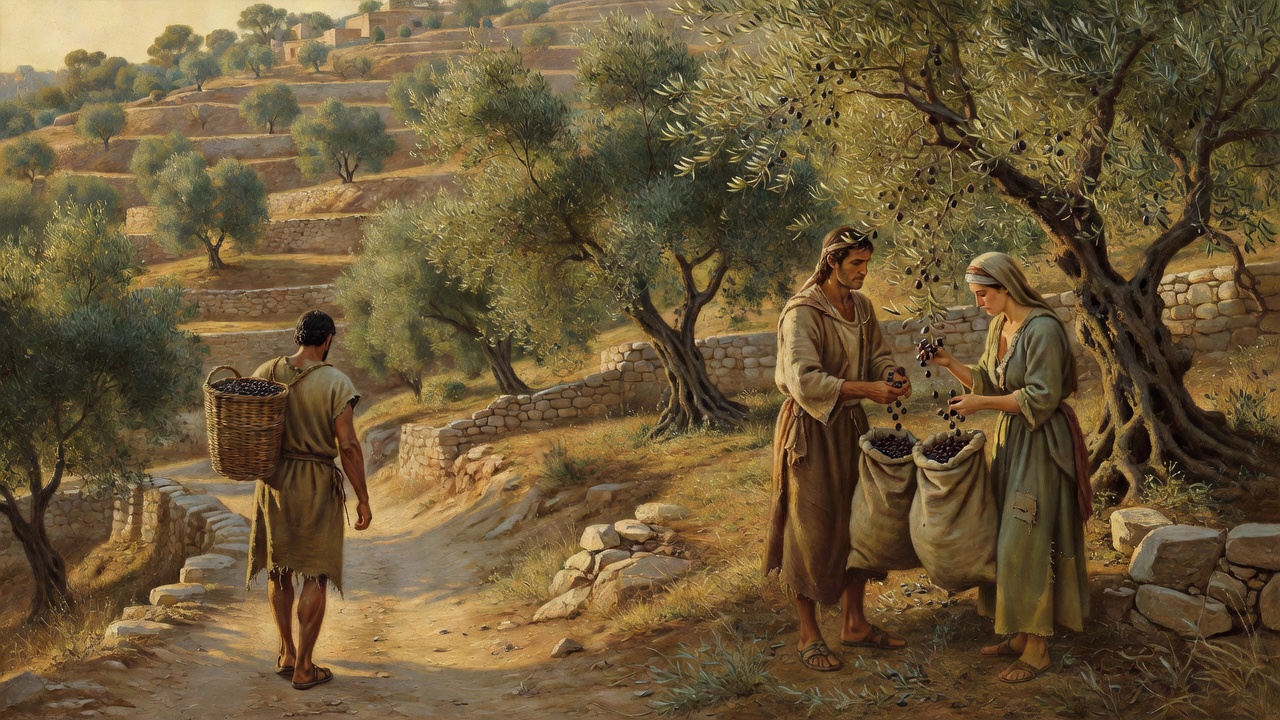
- Israelite harvesting laws required landowners to leave behind forgotten sheaves of grain, leftover olives, and grape gleanings for vulnerable groups: the resident foreigner, the orphan, and the widow. This social welfare system was grounded in the collective memory that the Israelites had once been oppressed slaves in Egypt.Sources: the Bible text itself · Egypt
- Debtors and hired workers were protected by explicit legal limits. Creditors were forbidden from entering a debtor's house to seize a pledge, taking essential millstones that provided a household's daily bread, or keeping an impoverished person's sleeping cloak past sunset, and day laborers had to be paid before nightfall.Sources: the Bible text itself
- When giving instructions concerning infectious skin diseases and the guidance of Levitical priests, the text points back to the affliction of Miriam, the sister of Moses and Aaron, during the wilderness journey following the Exodus from Egypt.Sources: the Bible text itself · Miriam · Egypt
Notes written with AI assistance from open sources (Theographic Bible Metadata, CC BY-SA 4.0; Easton’s Bible Dictionary, public domain) and reviewed before publishing.
Places in this chapter
Only places identified with high confidence are shown (90% or more according to the scholarly sources compiled by OpenBible). Period map: DARE (Digital Atlas of the Roman Empire), CC BY 4.0; modern map: © OpenStreetMap contributors; places: OpenBible.info (CC BY 4.0).
Credits and license for this translation
Tupàn ze'eg
Bible without Deuterocanon in Guajajára (BR:gub:Guajajára)
copyright © 2007 Wycliffe Bible Translators, Inc.
Language: Guajajára
Translation by: Wycliffe Bible Translators, Inc.
Guajajára [gub], Brazil
Copyright Information
© 2007, Wycliffe Bible Translators, Inc. All rights reserved.
This translation text is made available to you under the
terms of the Creative Commons License: Attribution-Noncommercial-No Derivative Works.
( http://creativecommons.org/licenses/by-nc-nd/3.0/ )
In addition, you have permission to port the text to different file formats, as long as you
do not change any of the text or punctuation of the Bible.
You may share, copy, distribute, transmit, and extract portions
or quotations from this work, provided that you include the above copyright
information:
You must give Attribution to the work.
You do not sell this work for a profit.
You do not make any derivative works that change any of the actual words or punctuation of the Scriptures.
Permissions beyond the scope of this license may be
available if you contact
us with your request.
Printed book ISBN 9788531109713
The Bible without Deuterocanon
in Guajajára
© 2007, Wycliffe Bible Translators, Inc. All rights reserved.
This translation is made available to you under the terms of the
Creative Commons Attribution-Noncommercial-No Derivatives license 4.0.
You may share and redistribute this Bible translation or extracts from it in any format, provided that:
You include the above copyright and source information.
You do not sell this work for a profit.
You do not change any of the words or punctuation of the Scriptures.
Pictures included with Scriptures and other documents on this site are licensed just for use with those Scriptures and documents.
For other uses, please contact the respective copyright owners.
2020-03-30
Source: http://ebible.org/gubBl/ · eBible.org