Romans 15
Η Καινή Διαθήκη · Tap a verse to see its cross-references.
Please Your Neighbors, Not Yourselves
1Ὀφείλομεν δὲ ἡμεῖς οἱ δυνατοὶ τὰ ἀσθενήματα τῶν ἀδυνάτων βαστάζειν καὶ μὴ ἑαυτοῖς ἀρέσκειν. 2ἕκαστος ἡμῶν τῷ πλησίον ἀρεσκέτω εἰς τὸ ἀγαθὸν πρὸς οἰκοδομήν· 3καὶ γὰρ ὁ Χριστὸς οὐχ ἑαυτῷ ἤρεσεν, ἀλλὰ καθὼς γέγραπται, Οἱ ὀνειδισμοὶ τῶν ὀνειδιζόντων σε ἐπέπεσον ἐπ᾽ ἐμέ. 4ὅσα γὰρ προεγράφη, εἰς τὴν ἡμετέραν διδασκαλίαν προεγράφη, ἵνα διὰ τῆς ὑπομονῆς καὶ διὰ τῆς παρακλήσεως τῶν γραφῶν τὴν ἐλπίδα ἔχωμεν. 5ὁ δὲ Θεὸς τῆς ὑπομονῆς καὶ τῆς παρακλήσεως δῴη ὑμῖν τὸ αὐτὸ φρονεῖν ἐν ἀλλήλοις κατὰ Χριστὸν Ἰησοῦν, 6ἵνα ὁμοθυμαδὸν ἐν ἑνὶ στόματι δοξάζητε τὸν Θεὸν καὶ πατέρα τοῦ Κυρίου ἡμῶν Ἰησοῦ Χριστοῦ.
Receive One Another
7Διὸ προσλαμβάνεσθε ἀλλήλους, καθὼς καὶ ὁ Χριστὸς προσελάβετο ὑμᾶς, εἰς δόξαν Θεοῦ. 8λέγω δὲ Χριστὸν Ἰησοῦν διάκονον γεγενῆσθαι περιτομῆς ὑπὲρ ἀληθείας Θεοῦ, εἰς τὸ βεβαιῶσαι τὰς ἐπαγγελίας τῶν πατέρων, 9τὰ δὲ ἔθνη ὑπὲρ ἐλέους δοξάσαι τὸν Θεόν, καθὼς γέγραπται,
Διὰ τοῦτο ἐξομολογήσομαί σοι ἐν ἔθνεσι,
καὶ τῷ ὀνόματί σου ψαλῶ.
10καὶ πάλιν λέγει,
Εὐφράνθητε, ἔθνη, μετὰ τοῦ λαοῦ αὐτοῦ.
11καὶ πάλιν,
Αἰνεῖτε τὸν Κύριον πάντα τὰ ἔθνη,
καὶ ἐπαινέσατε αὐτὸν πάντες οἱ λαοί.
12καὶ πάλιν Ἡσαΐας λέγει,
Ἔσται ἡ ῥίζα τοῦ Ἰεσσαί,
καὶ ὁ ἀνιστάμενος ἄρχειν ἐθνῶν·
ἐπ᾽ αὐτῷ ἔθνη ἐλπιοῦσιν.
13ὁ δὲ Θεὸς τῆς ἐλπίδος πληρώσαι ὑμᾶς πάσης χαρᾶς καὶ εἰρήνης ἐν τῷ πιστεύειν, εἰς τὸ περισσεύειν ὑμᾶς ἐν τῇ ἐλπίδι ἐν δυνάμει Πνεύματος Ἁγίου.
Paul’s Ministry to the Gentiles
14Πέπεισμαι δέ, ἀδελφοί μου, καὶ αὐτὸς ἐγὼ περὶ ὑμῶν ὅτι καὶ αὐτοὶ μεστοί ἐστε ἀγαθωσύνης, πεπληρωμένοι πάσης γνώσεως, δυνάμενοι καὶ ἄλλους νουθετεῖν. 15τολμηρότερον δὲ ἔγραψα ὑμῖν, ἀδελφοί, ἀπὸ μέρους, ὡς ἐπαναμιμνῄσκων ὑμᾶς, διὰ τὴν χάριν τὴν δοθεῖσάν μοι ὑπὸ τοῦ Θεοῦ 16εἰς τὸ εἶναί με λειτουργὸν Ἰησοῦ Χριστοῦ εἰς τὰ ἔθνη, ἱερουργοῦντα τὸ εὐαγγέλιον τοῦ Θεοῦ, ἵνα γένηται ἡ προσφορὰ τῶν ἐθνῶν εὐπρόσδεκτος, ἡγιασμένη ἐν Πνεύματι Ἁγίῳ. 17ἔχω οὖν καύχησιν ἐν Χριστῷ Ἰησοῦ τὰ πρὸς τὸν Θεόν· 18οὐ γὰρ τολμήσω λαλεῖν τι ὧν οὐ κατειργάσατο Χριστὸς δι᾽ ἐμοῦ εἰς ὑπακοὴν ἐθνῶν, λόγῳ καὶ ἔργῳ, 19ἐν δυνάμει σημείων καὶ τεράτων, ἐν δυνάμει Πνεύματος Θεοῦ, ὥστε με ἀπὸ Ἱερουσαλὴμ καὶ κύκλῳ μέχρι τοῦ Ἰλλυρικοῦ πεπληρωκέναι τὸ εὐαγγέλιον τοῦ Χριστοῦ· 20οὕτω δὲ φιλοτιμούμενον εὐαγγελίζεσθαι οὐχ ὅπου ὠνομάσθη Χριστός, ἵνα μὴ ἐπ᾽ ἀλλότριον θεμέλιον οἰκοδομῶ, 21ἀλλὰ καθὼς γέγραπται,
Οἷς οὐκ ἀνηγγέλη περὶ αὐτοῦ ὄψονται,
καὶ οἳ οὐκ ἀκηκόασι συνήσουσι.
Paul’s Plan to Visit Rome
22Διὸ καὶ ἐνεκοπτόμην τὰ πολλὰ τοῦ ἐλθεῖν πρὸς ὑμᾶς· 23νυνὶ δὲ μηκέτι τόπον ἔχων ἐν τοῖς κλίμασι τούτοις, ἐπιποθίαν δὲ ἔχων τοῦ ἐλθεῖν πρὸς ὑμᾶς ἀπὸ πολλῶν ἐτῶν, 24ὡς ἐὰν πορεύωμαι εἰς τὴν Σπανίαν, ἐλεύσομαι πρὸς ὑμᾶς· ἐλπίζω γὰρ διαπορευόμενος θεάσασθαι ὑμᾶς καὶ ὑφ᾽ ὑμῶν προπεμφθῆναι ἐκεῖ, ἐὰν ὑμῶν πρῶτον ἀπὸ μέρους ἐμπλησθῶ. 25νυνὶ δὲ πορεύομαι εἰς Ἱερουσαλὴμ διακονῶν τοῖς ἁγίοις. 26εὐδόκησαν γὰρ Μακεδονία καὶ Ἀχαΐα κοινωνίαν τινὰ ποιήσασθαι εἰς τοὺς πτωχοὺς τῶν ἁγίων τῶν ἐν Ἱερουσαλήμ. 27εὐδόκησαν γὰρ καὶ ὀφειλέται αὐτῶν εἰσιν· εἰ γὰρ τοῖς πνευματικοῖς αὐτῶν ἐκοινώνησαν τὰ ἔθνη, ὀφείλουσι καὶ ἐν τοῖς σαρκικοῖς λειτουργῆσαι αὐτοῖς. 28τοῦτο οὖν ἐπιτελέσας καὶ σφραγισάμενος αὐτοῖς τὸν καρπὸν τοῦτον, ἀπελεύσομαι δι᾽ ὑμῶν εἰς τὴν Σπανίαν. 29οἶδα δὲ ὅτι ἐρχόμενος πρὸς ὑμᾶς, ἐν πληρώματι εὐλογίας τοῦ εὐαγγελίου τοῦ Χριστοῦ ἐλεύσομαι.
30Παρακαλῶ δὲ ὑμᾶς, ἀδελφοί, διὰ τοῦ Κυρίου ἡμῶν Ἰησοῦ Χριστοῦ καὶ διὰ τῆς ἀγάπης τοῦ Πνεύματος, συναγωνίσασθαί μοι ἐν ταῖς προσευχαῖς ὑπὲρ ἐμοῦ πρὸς τὸν Θεόν, 31ἵνα ῥυσθῶ ἀπὸ τῶν ἀπειθούντων ἐν τῇ Ἰουδαίᾳ καὶ ἵνα ἡ διακονία μου ἡ εἰς Ἱερουσαλὴμ εὐπρόσδεκτος γένηται τοῖς ἁγίοις, 32ἵνα ἐν χαρᾷ ἔλθω πρὸς ὑμᾶς διὰ θελήματος Θεοῦ καὶ συναναπαύσωμαι ὑμῖν. 33ὁ δὲ Θεὸς τῆς εἰρήνης μετὰ πάντων ὑμῶν· ἀμήν.
Did you know?
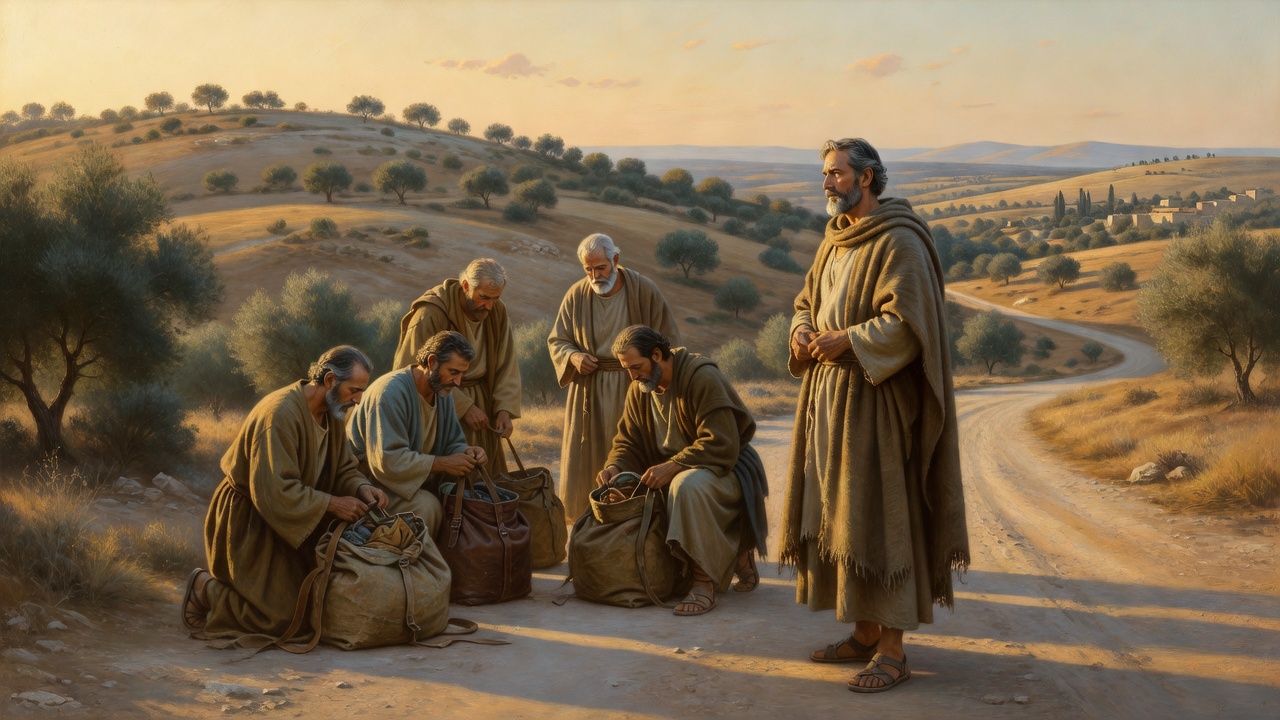
Gentile Hope and the Road West
- Paul writes that he has fully proclaimed the gospel of Christ from Jerusalem all the way around to Illyricum. Easton's Bible Dictionary (1897) places that region northwest of Macedonia, on the eastern shores of the Adriatic, and describes it as then almost wholly included in Dalmatia; it says he traversed Illyricum on his third missionary journey, that it was the farthest district he had reached in preaching, and that a journey through Macedonia would have brought him to its borders.Sources: the Bible text itself · Illyricum
- He hopes to see the believers in Rome on his way to Spain and, after delivering the contribution from Macedonia and Achaia to Jerusalem, to set off for Spain by way of them. Easton's Bible Dictionary (1897) records that intention, but notes that there is no evidence he ever carried it out, although some think he probably did so between his first and second imprisonment.Sources: the Bible text itself · Spain
- Quoting Isaiah, he says that the Root of Jesse would appear and arise to rule over the Gentiles, and that the Gentiles would put their hope in him. Jesse was the father of David, and Easton's Bible Dictionary (1897) says that the phrase root of Jesse is used for the Messiah, while stem of Jesse is used for David's family.Sources: the Bible text itself · Jesse
Notes written with AI assistance from open sources (Theographic Bible Metadata, CC BY-SA 4.0; Easton’s Bible Dictionary, public domain) and reviewed before publishing.
Places in this chapter
- Illyricum · 43.539, 16.483 · verse 19
- Jerusalem · 31.777, 35.234 · verses 19, 25, 26, 27, 31
- Rome · 41.892, 12.485 · verse 24
- Spain · Today: Hispania · 40.210, -4.350 · verses 24, 28
- Achaia · 38.720, 22.540 · verse 26
- Macedonia · 41.600, 22.540 · verse 26
- Judea · Today: Judea 1 · 31.777, 35.234 · verse 31
Only places identified with high confidence are shown (90% or more according to the scholarly sources compiled by OpenBible). Period map: DARE (Digital Atlas of the Roman Empire), CC BY 4.0; modern map: © OpenStreetMap contributors; places: OpenBible.info (CC BY 4.0).
Credits and license for this translation
Η Καινή Διαθήκη
The New Testament in Ancient Greek with critical text notes
Public Domain
Language: Ελληνικά (Greek, Ancient)
Translation by: Maurice A. Robinson
Contributor: Robert Adam Boyd
The Text-Critical Greek New Testament is based upon The New Testament in the Original Greek: Byzantine Textform 2018, compiled and arranged by Maurice A. Robinson and William G. Pierpont.
The following disclaimer is printed in the The New Testament in the Original Greek: Byzantine Textform 2018:
Anyone is permitted to copy and distribute this text or any portion of this text. It may be incorporated in a larger work, and/or quoted from, stored in a database retrieval system, photocopied, reprinted, or otherwise duplicated by anyone without prior notification, permission, compensation to the holder, or any other restrictions. All rights to this text are released to everyone and no one can reduce these rights at any time. Copyright is not claimed nor asserted for either the preface, notes, or the new and revised form of the Greek NT text of this edition, nor for the original form of such as initially released into the public domain by the editors, first as printed textual notes in 1979, continuous-text electronic form 1986–present, and in published editions from 1991, 2005, and 2010.
The permitted use or reproduction of the Greek text or other material contained within this volume (whether by print, electronic media, or other form) does not imply doctrinal or theological agreement by the present editors and publisher with whatever views may be maintained or promulgated by other publishers. For the purpose of assigning responsibility, it is requested that the present editors’ names and the title associated with this text as well as this disclaimer be retained in any subsequent reproduction of this material.
2026-10-02
Source: http://ebible.org/grctcgnt/ · eBible.org