Exodus 2
Η Παλαιά Διαθήκη κατά τη μετάφραση των εβδομήκοντα (Ο') | SEPTUAGINTA · Tap a verse to see its cross-references.
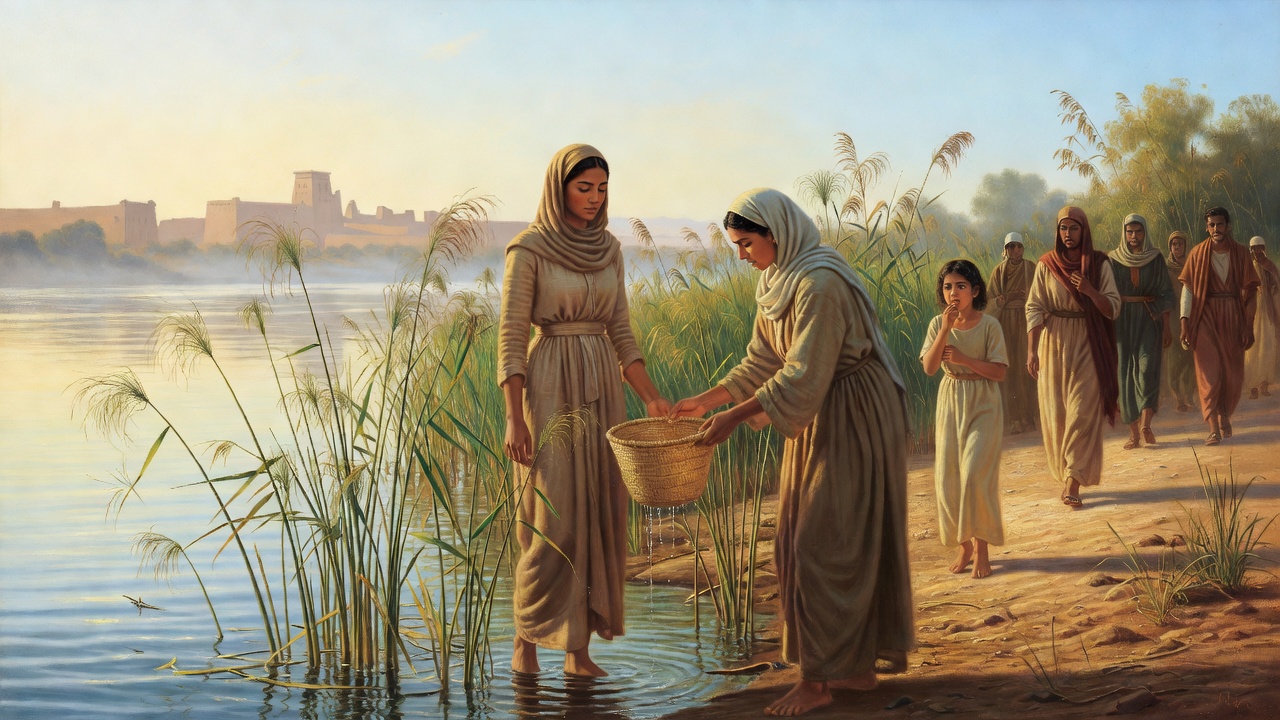
1ΗΝ δέ τις ἐκ τῆς φυλῆς Λευΐ, ὃς ἔλαβε τῶν θυγατέρων Λευΐ, 2καὶ ἐν γαστρὶ ἔλαβε καὶ ἔτεκεν ἄρσεν· ἰδόντες δὲ αὐτὸ ἀστεῖον ἐσκέπασαν αὐτὸ μῆνας τρεῖς. 3ἐπεὶ δὲ οὐκ ἠδύναντο αὐτὸ ἔτι κρύπτειν, ἔλαβεν αὐτῷ ἡ μήτηρ αὐτοῦ θῖβιν καὶ κατέχρισεν αὐτὴν ἀσφαλτοπίσσῃ καὶ ἐνέβαλε τὸ παιδίον εἰς αὐτὴν καὶ ἔθηκεν αὐτὴν εἰς τὸ ἕλος παρὰ τὸν ποταμόν. 4καὶ κατεσκόπευεν ἡ ἀδελφὴ αὐτοῦ μακρόθεν μαθεῖν, τί τὸ ἀποβησόμενον αὐτῷ. 5κατέβη δὲ ἡ θυγάτηρ Φαραὼ λούσασθαι ἐπὶ τὸν ποταμόν, καὶ αἱ ἅβραι αὐτῆς παρεπορεύοντο παρὰ τὸν ποταμόν. καὶ ἰδοῦσα τὴν θῖβιν ἐν τῷ ἕλει, ἀποστείλασα τὴν ἅβραν ἀνείλατο αὐτήν. 6ἀνοίξασα δὲ ὁρᾷ παιδίον κλαῖον ἐν τῇ θίβει, καὶ ἐφείσατο αὐτοῦ ἡ θυγάτηρ Φαραὼ καὶ ἔφη· ἀπὸ τῶν παιδίων τῶν Ἑβραίων τοῦτο. 7καὶ εἶπεν ἡ ἀδελφὴ αὐτοῦ τῇ θυγατρὶ Φαραώ· θέλεις καλέσω σοι γυναῖκα τροφεύουσαν ἐκ τῶν Ἑβραίων καὶ θηλάσει σοι τὸ παιδίον; 8ἡ δὲ εἶπεν ἡ θυγάτηρ Φαραώ· πορεύου. ἐλθοῦσα δὲ ἡ νεᾶνις ἐκάλεσε τὴν μητέρα τοῦ παιδίου. 9εἶπε δὲ πρὸς αὐτὴν ἡ θυγάτηρ Φαραώ· διατήρησόν μοι τὸ παιδίον τοῦτο καὶ θήλασόν μοι αὐτό, ἐγὼ δὲ δώσω σοι τὸν μισθόν. ἔλαβε δὲ ἡ γυνὴ τὸ παιδίον καὶ ἐθήλαζεν αὐτό. 10ἀδρυνθέντος δὲ τοῦ παιδίου, εἰσήγαγεν αὐτὸ πρὸς τὴν θυγατέρα Φαραώ, καὶ ἐγενήθη αὐτῇ εἰς υἱόν· ἐπωνόμασε δὲ τὸ ὄνομα αὐτοῦ Μωυσῆν λέγουσα· ἐκ τοῦ ὕδατος αὐτὸν ἀνειλόμην.
11Ἐγένετο δὲ ἐν ταῖς ἡμέραις ταῖς πολλαῖς ἐκείναις μέγας γενόμενος Μωυσῆς, ἐξῆλθε πρὸς τοὺς ἀδελφοὺς αὐτοῦ τοὺς υἱοὺς Ἰσραήλ. κατανοήσας δὲ τὸν πόνον αὐτῶν ὁρᾷ ἄνθρωπον Αἰγύπτιον τύπτοντά τινα Ἑβραῖον τῶν ἑαυτοῦ ἀδελφῶν τῶν υἱῶν Ἰσραήλ· 12περιβλεψάμενος δὲ ὧδε καὶ ὧδε οὐχ ὁρᾷ οὐδένα καὶ πατάξας τὸν Αἰγύπτιον, ἔκρυψεν αὐτὸν ἐν τῇ ἄμμῳ. 13ἐξελθὼν δὲ τῇ ἡμέρᾳ τῇ δευτέρᾳ ὁρᾷ δύο ἄνν αὐτὸν ραίους διαπληκτιζομένους καὶ λέγει τῷ ἀδικοῦντι· διὰ τί σὺ τύπτεις τὸν πλησίον; 14ὁ δὲ εἶπε· τίς σε κατέστησεν ἄρχοντα καὶ δικαστὴν ἐφ᾿ ἡμῶν; μὴ ἀνελεῖν με σὺ θέλεις, ὃν τρόπον ἀνεῖλες χθὲς τὸν Αἰγύπτιον; ἐφοβήθη δὲ Μωυσῆς, καὶ εἶπεν· εἰ οὕτως ἐμφανὲς γέγονε τὸ ρῆμα τοῦτο; 15ἤκουσε δὲ Φαραὼ τὸ ρῆμα τοῦτο καὶ ἐζήτει ἀνελεῖν Μωυσῆν· ἀνεχώρησε δὲ Μωυσῆς ἀπὸ προσώπου Φαραὼ καὶ ᾤκησεν ἐν γῇ Μαδιάμ, ἐλθὼν δὲ εἰς γῆν Μαδιὰμ ἐκάθισεν ἐπὶ τοῦ φρέατος. 16τῷ δὲ ἱερεῖ Μαδιὰμ ἦσαν ἑπτὰ θυγατέρες ποιμαίνουσαι τὰ πρόβατα τοῦ πατρὸς αὐτῶν Ἰοθόρ· παραγενόμεναι δὲ ἤντλουν ἕως ἔπλησαν τὰς δεξαμενὰς ποτίσαι τὰ πρόβατα τοῦ πατρὸς αὐτῶν Ἰοθόρ. 17παραγενόμενοι δὲ οἱ ποιμένες ἐξέβαλλον αὐτάς· ἀναστὰς δὲ Μωυσῆς ἐρρύσατο αὐτὰς καὶ ἤντλησεν αὐταῖς καὶ ἐπότισε τὰ πρόβατα αὐτῶν· 18παρεγένοντο δὲ πρὸς Ραγουὴλ τὸν πατέρα αὐτῶν. ὁ δὲ εἶπεν αὐταῖς· διατί ἐταχύνατε τοῦ παραγενέσθαι σήμερον; 19αἱ δὲ εἶπαν· ἄνθρωπος Αἰγύπτιος ἐρρύσατο ἡμᾶς ἀπὸ τῶν ποιμένων καὶ ἤντλησεν ἡμῖν καὶ ἐπότισε τὰ πρόβατα ἡμῶν. 20ὁ δὲ εἶπε ταῖς θυγατράσιν αὐτοῦ· καὶ ποῦ ἐστι; καὶ ἱνατί οὕτως καταλελοίπατε τὸν ἄνθρωπον; καλέσατε οὖν αὐτόν, ὅπως φάγῃ ἄρτον. 21κατῳκίσθη δὲ Μωυσῆς παρὰ τῷ ἀνθρώπῳ, καὶ ἐξέδοτο Σεπφώραν τὴν θυγατέρα αὐτοῦ Μωυσῇ γυναῖκα. 22ἐν γαστρὶ δὲ λαβοῦσα ἡ γυνὴ ἔτεκεν υἱόν, καὶ ἐπωνόμασε Μωυσῆς τὸ ὄνομα αὐτοῦ Γηρσὰμ λέγων· ὅτι πάροικός εἰμι ἐν γῇ ἀλλοτρίᾳ.
23Μετὰ δὲ τὰς ἡμέρας τὰς πολλὰς ἐκείνας ἐτελεύτησεν ὁ βασιλεὺς Αἰγύπτου. καὶ κατεστέναξαν οἱ υἱοὶ Ἰσραὴλ ἀπὸ τῶν ἔργων καὶ ἀνεβόησαν, καὶ ἀνέβη ἡ βοὴ αὐτῶν πρὸς τὸν Θεὸν ἀπὸ τῶν ἔργων. 24καὶ εἰσήκουσεν ὁ Θεὸς τὸν στεναγμὸν αὐτῶν, καὶ ἐμνήσθη ὁ Θεὸς τῆς διαθήκης αὐτοῦ τῆς πρὸς Ἁβραὰμ καὶ Ἰσαὰκ καὶ Ἰακώβ. 25καὶ ἐπεῖδεν ὁ Θεὸς τοὺς υἱοὺς Ἰσραὴλ καὶ ἐγνώσθη αὐτοῖς.
Did you know?
The birth and flight of Moses
- Pharaoh’s daughter named the child Moses, explaining that she had drawn him out of the water. Easton's Bible Dictionary (1897) links his name with “drawn,” or with the Egyptian word mesu, “son”—the element from which the dictionary also explains Rameses as “royal son.”Sources: the Bible text itself · Moses
- In Exodus 2 a daughter of Levi hides her son for three months, and Pharaoh’s daughter, finding him among the Nile reeds, recognizes a Hebrew child. Easton's Bible Dictionary (1897) links the Israelites’ affliction to “the new king who knew not Joseph,” long supposed to be Aahmes I, called Amosis by Josephus, though the dictionary, citing discoveries then recent, names Seti instead. Their hardship, it says, began after the Hyksos, masters of Egypt for some five centuries, were driven out and the old dynasty restored.Sources: the Bible text itself · Pharaoh
- After Pharaoh sought to kill him, Moses fled to Midian and sat down beside a well; he later married Zipporah, one of the seven daughters of the priest of Midian. The Midianites were nomadic Arabians descended from Midian, Abraham’s fourth son by Keturah, and they pastured their flocks in the Sinai peninsula and in the desert north of the Arabian peninsula. This chapter calls the priest Reuel, whom Easton's Bible Dictionary (1897) names Raguel, regarding that form as his personal name and Jethro—“excellency”—as an official title if the two are identified.Sources: the Bible text itself · Midian · Midian · Jethro
Notes written with AI assistance from open sources (Theographic Bible Metadata, CC BY-SA 4.0; Easton’s Bible Dictionary, public domain) and reviewed before publishing.
Places in this chapter
- Nile · Today: Nile River · 31.465, 30.367 · verses 3, 5
- Midian · 28.495, 35.012 · verses 15, 16
- Egypt · 30.129, 31.308 · verse 23
Only places identified with high confidence are shown (90% or more according to the scholarly sources compiled by OpenBible). Period map: DARE (Digital Atlas of the Roman Empire), CC BY 4.0; modern map: © OpenStreetMap contributors; places: OpenBible.info (CC BY 4.0).
Credits and license for this translation
Η Παλαιά Διαθήκη κατά τη μετάφραση των εβδομήκοντα (Ο') | SEPTUAGINTA
The Old Testament in Ancient Greek, Septuagint translation
Public Domain
℗ Orthodox Media Network
Language: Ελληνικά (Greek, Ancient)
Dialect: Koine
ORTHODOX MEDIA NETWORK-ΟΡΘΟΔΟΞΟ ΔΙΚΤΥΟ ΕΝΗΜΕΡΩΣΗΣ
A Voice from the Heart of Mount Athos to the World
Orthodox Media Network ( https://vivlos.link/DEqNY ) was founded on Mount Athos – the only monastic republic in the world – with main mission to promote the Holy Scriptures and preserve the spiritual and cultural heritage of Orthodox monasticism, using mainly the internet.
Since 2010, its founder and General Secretary, Apostolos Vavylis, has become the first person internationally to record the entire Bible in both the original ancient Greek text and its modern Greek translation. This work – unprecedented in Orthodox tradition – has reached and inspired millions:
* Over 15 million people (estimated) have listened to at least one chapter of the recorded Bible.
* Hundreds of independent accounts across nearly every digital platform, share these recordings in countless forms.
We have never claimed copyright or demanded takedowns of these reproductions — because our goal is not profit, but the free and faithful dissemination of the Word of God and the blessing it brings to the world.
We welcome anyone that would like to publicly share our work with the only condition to publish the present text as a minimum respect to our mission.
* Our vision:
To place a Bible in every Greek-speaking home, wherever it may be on earth.
There are an estimated 17 million Greeks living in nearly 100 countries.
* If you wish to support or partner with us, please contact:
* [email protected]
The Old Testament (Septuaginta)
We are a voice of Orthodoxy, a witness of the Word, and a blessing to the Nations.
2026-02-13
Source: http://ebible.org/grclxx/ · eBible.org