Zechariah 1
Gumatj Bible · Tap a verse to see its cross-references.
About this book
About Zechariah
- Easton's Bible Dictionary (1897) presents Zechariah as a prophet of Judah, the eleventh of the twelve minor prophets, and, like Ezekiel, of priestly descent. He calls himself the son of Berechiah, while Ezra calls him the son of Iddo, whom Easton identifies as his grandfather. Easton dates the start of his prophetic work to the second year of Darius, 520 B.C., about sixteen years after the first company returned from exile, and notes that he was a contemporary of Haggai.Sources: Easton: Zechariah · Zechariah
- Zechariah addressed people who had returned from exile. Zerubbabel, also known by the Persian name Sheshbazzar, led the first returning company and, in the second year after the return, built an altar and laid the temple foundation on the ruins of the house destroyed by Nebuchadnezzar. Joshua, son of Jozadak, was high priest under Zerubbabel, and Easton says the night visions were meant to console these returned exiles and stir up hope.Sources: Easton: Zechariah · Zerubbabel · Joshua
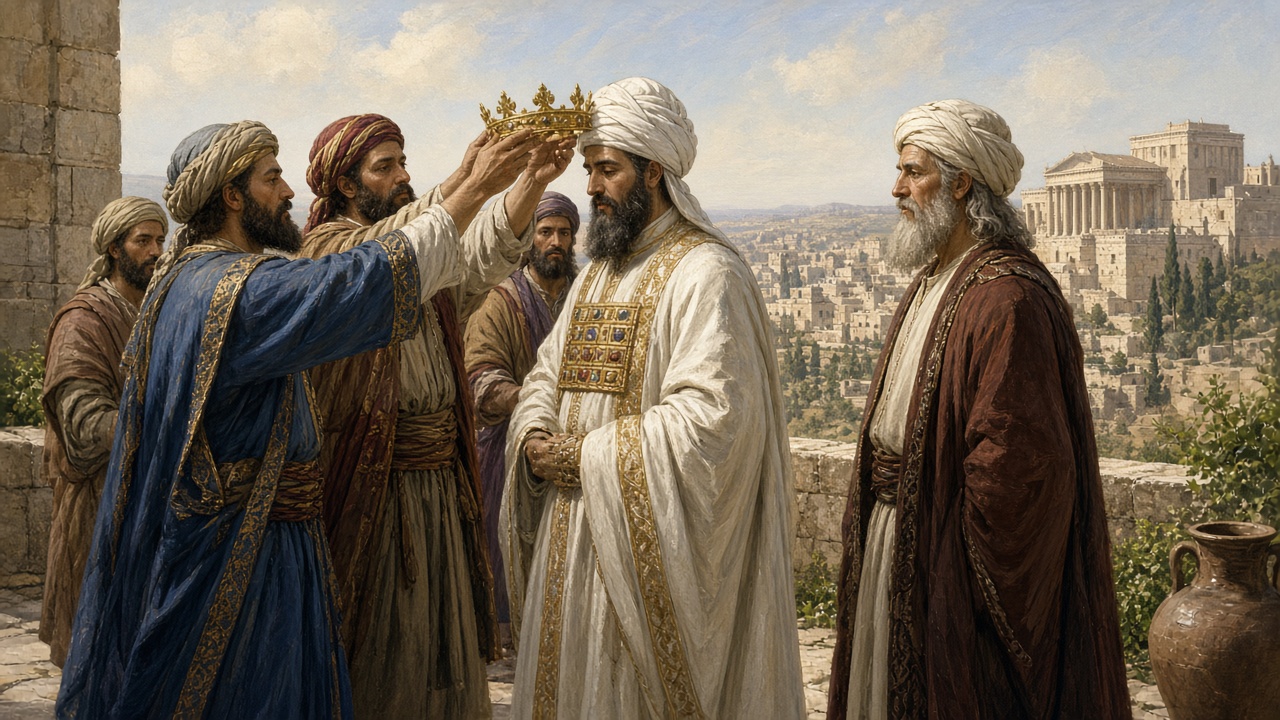
- Easton divides the book into two parts, chapters 1-8 and chapters 9-14. The first opens with a preface recalling the nation's past as a solemn warning, then eight visions in a single night and the symbolic crowning of Joshua; chapters 7 and 8, given two years later, answer whether mourning for the city's destruction should continue and encourage the people with the assurance of God's presence and blessing. The second part bears no date. Easton thinks a considerable interval separates it from the first and describes its two burdens as God's dealings down to the Advent and as glory, final conflict, and triumph in what he calls the latter day.Sources: Easton: Zechariah
- Easton explains the name Zechariah as meaning that Jehovah is renowned or remembered. A notable scene is the symbolic crowning of Joshua; Easton reads it as showing how the kingdoms of the world become the kingdom of God's Christ. Helem, named in Zechariah 6:10, is identified as one who returned from Babylon.Sources: Easton: Zechariah · Helem · Joshua
Notes written with AI assistance from open sources (Theographic Bible Metadata, CC BY-SA 4.0; Easton’s Bible Dictionary, public domain) and reviewed before publishing.
Godtja djäl nhanukalayŋunydja ŋayi yolŋu'‐yulŋuwu roŋinyarawuna
1:1–6 (The Lord calls his people to return to him)
1Yo, buŋgawa Dariyatjtja yäku yukurrana nhinana Burtjawuy wäŋawuy, ga ŋulinyaramirriyunydjayi Godthu wekaŋala dhäwu' nhanukalaŋuwala djawarrkmirriwala yäkuwala Djakarrayawala, ga dhuwala ŋunhi ŋayi dhäwuny'tja gam'. 2Ŋäthilinydja wal'ŋu ŋunhinydja ŋarra Garray ŋaramurryina nhumalaŋgalaŋuwala märi'muwalanydja, bala ŋarra gonha'yurrunanydja walalanha, bala walala marrtjinana yukurrana walalaŋgalaynha walala djälkurru yana. 3Yurru dhiyaŋunydja‐wala ŋarra waŋa yukurra nhumalanhana bitjanna, “Bilyurrana walala, ga roŋiyiya ŋarrakalana lili, ga ŋarranydja yurru bilyundhi, ga marrtji galkithirrina nhumalaŋgala biyapul. 4Yakana yukirriya malthurra nhumalaŋgalaŋuwunydja märi'muwu walalaŋgalaŋuwu romgu ga dhukarrwu, yaka yukirriya dhuḏakthurra walalaŋgunydja. Ŋäthilinydja benydja baman'tja djawarrkmirriyu ḻakaraŋala Garraywu dhäruk nhumalaŋgalaŋuwala märi'muwala walalaŋgala bitjarra, ‘Bilyurrana walala dhipuŋuruyi nhumalaŋgalayŋuŋuru yätjŋurunydja, ga ŋanydjaḻa'yurrana lili Garraywalana. Roŋiyiyana Garraywalana wal'ŋu, ga yakana biyapulnydja dhuwaliyi djäma nhäŋiniŋ'tja rom.’ Bitjarra walala yukurrana ŋuriŋi djawarrkmirriyunydja walalay ḻakaraŋala, yurru nhumalaŋgu märi'munydja ŋunhinydja walala yaka warray mäkiri'‐witjurruna, yaka walala roŋiyina ga dhäruk märraŋala ŋarranha.” Bitjarra ŋayi Garray waŋananydja.
5“Ga wanhakana dhika nhumalaŋgu be märi'mirriŋunydja walala? Warrpam'nha walala liŋguna murrmurryurrunana, ga ŋunhiyi walala djawarrkmirri walala murrmurryurrunayi yana warrpam'. 6Ŋäthilinydja ŋunhinydja ŋuriŋiyi ŋarrakala dhäwu'mirriyu walalay ḻakaraŋala yukurrana ŋarrakalaŋuwunydja yolŋu'‐yulŋuwu, ŋurikinydja ŋunhi rom malanha ŋarraku; walala yukurrana raypirri'yurruna waŋana walalanha yolŋu'‐yulŋunha ŋuriŋi ŋarrakala dhärukthu. Yurru walalanydja ŋuriŋi yolŋu'‐yulŋuyunydja yaka warray ŋunhiyi märraŋala dhäwuny'tja, ŋapa‐nherraṉmina warray walalanydja. Yurru ŋunhiyinydjayi dhäruk maḻŋ'thurruna ga yuwalk yana wal'ŋu rumbal, ga nhumalaŋgu märi'munydja walala ŋayaŋu‐yätjthinanydja burakina wirrki wal'ŋu yana dhika, yana liŋgu‐u‐u ga roŋiyina walala bilyurruna, ga waŋana bitjarrana, ‘Märr‐yuwalk ŋanapurru ŋunhi dhuwurr‐yätjthinanydja gatjpaḻ'yurrunanydja, yurru ŋayipinydja Garrayyunydja ŋanapurruŋgu wekaŋala buku‐ruŋinyamaranharawuynydja ŋupanayŋuyi yana ŋurikiy ŋanapurruŋgalayŋuwuy djämawuy. Yo, yuwalk ŋunhi dhunupa yulŋunydja nhanŋu Garraywunydja, ŋunhi ŋayi dhä‐ḏir'yurrunanydja ŋanapurrunha, bitjarra yana liŋgu bitjarra ŋayi ŋunhi nherrara ŋäthili wal'ŋu.’ Ga bitjarra walalanydja yukurrana waŋana.”
Did you know?
Zechariah's Call to Repentance and Night Visions
- Zechariah's prophetic ministry began in the second year of King Darius (520 BC), about sixteen years after the first company of exiles returned. Although described as the son of Berechiah, biblical records also associate him with his grandfather Iddo, reflecting his priestly lineage.Sources: Zechariah · the Bible text itself
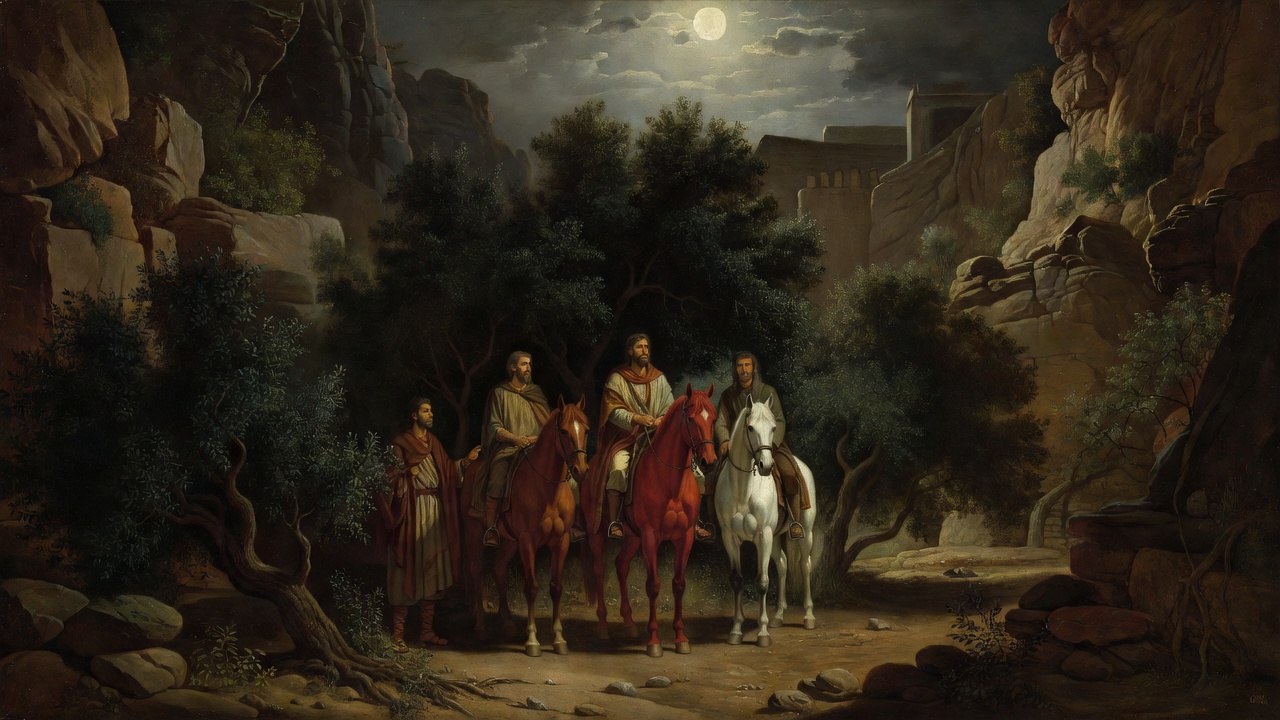
- In his night vision among the myrtle trees, an angel asks about the seventy years of indignation against Jerusalem and Judah. The LORD responds with comforting words, promising that mercy will return, the temple will be rebuilt, and Jerusalem will be chosen once again.Sources: Jerusalem · the Bible text itself
- The chapter concludes with a vision of four horns that scattered Judah, Israel, and Jerusalem, followed by four craftsmen sent to terrify and cast down these hostile foreign powers.Sources: the Bible text itself
Notes written with AI assistance from open sources (Theographic Bible Metadata, CC BY-SA 4.0; Easton’s Bible Dictionary, public domain) and reviewed before publishing.
Places in this chapter
- Jerusalem · 31.777, 35.234 · verses 12, 14, 16, 17, 19
- Zion · Today: Jerusalem · 31.777, 35.234 · verses 14, 17
Only places identified with high confidence are shown (90% or more according to the scholarly sources compiled by OpenBible). Period map: DARE (Digital Atlas of the Roman Empire), CC BY 4.0; modern map: © OpenStreetMap contributors; places: OpenBible.info (CC BY 4.0).
Credits and license for this translation
Gumatj Bible
The Holy Bible in the Gumatj language of Australia
copyright © 1989, 2017 Bible Society of Australia
Language: Gumatj
Old Testament published 1989; New Testament published 2017
This translation is made available to you under the terms of the
Creative Commons Attribution-Noncommercial-No Derivatives license 4.0.
You may share and redistribute this Bible translation or extracts from it in any format, provided that:
You include the above copyright and source information.
You do not sell this work for a profit.
You do not change any of the words or punctuation of the Scriptures.
Pictures included with Scriptures and other documents on this site are licensed just for use with those Scriptures and documents.
For other uses, please contact the respective copyright owners.
2025-10-10
Source: http://ebible.org/gnn/ · eBible.org