Matthew 13
Aadi keyri: linjiila iisaa almasiihu · Tap a verse to see its cross-references.
Banndol haala aawoowo
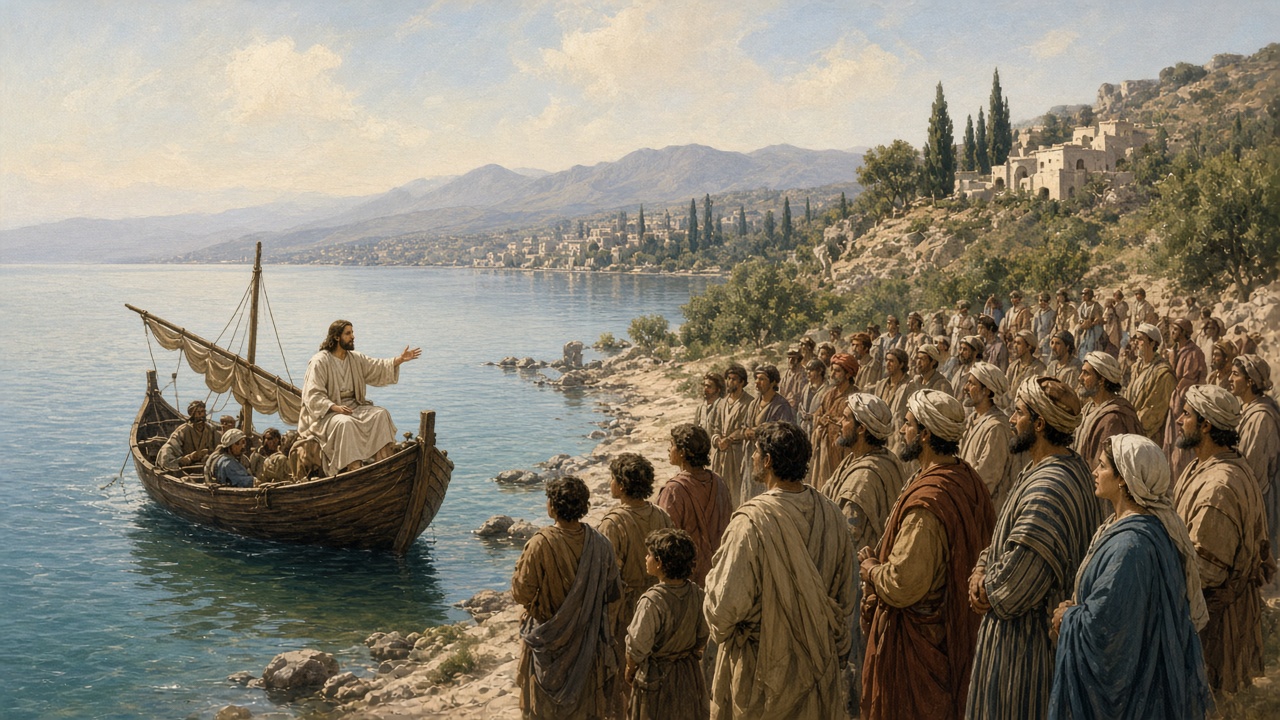
1Ley oon ɲalooma, Iisaa yalti cuuɗi, jooɗoyii daande weendu. 2Jamaa keewɗo ana filii mo faa o naatoyi laana, o jooɗii ley makka. Yimɓe ɓee ndarii e daande ndiyam ɗam. 3O haalaniri ɓe kulle keewɗe e banndi. Omo wiya:
—Aawoowo yalti aawoyde. 4E ley sankugol ngol, yoga e aawdi ndii saami e laawol, pooli ngari cuɓi ɗum. 5Yoga mayri saami e korokaaƴe ɗo leydi heewaano, fuɗi ɗon e ɗon sabi aawdi ndii iraaka gasa. 6Kaa nde naange wulnoo ndee, sumi, yoori saabe walaa ɗaɗi. 7Yoga mayri saami ɗo kebbe puɗata. Ndi fuɗidi e majje, ɗe cuumi ndi. 8Yoga mayri saami e leydi lobbiri, fuɗi, rimi: yoga sowii cowe teemedere, yoga capanɗe jeegom, yoga capantati. 9Jom nowru fuu yo nanu!
Ko saabii so Iisaa ana haaldira e yimɓe banndi
10Oon wakkati, taalibaaɓe ɓee ɓattii Iisaa lamndii mo, mbii:
—Koɗum waɗi so aɗa haaldira e maɓɓe banndi?
11O jaabii ɓe, o wii:
—Onon, on ndokkaama faamude goonga tedduɗo haala Laamu Laamɗo oo, kaa kamɓe, ɓe ndokkaaka ɗum. 12Sabi jogiiɗo fuu, ɓeydante faa heewa. Kaa mo walaa oo, fay seeɗa mo jogii oo teetete. 13Ɗum saabii so miɗo haaldira e maɓɓe banndi:
«Tawee ɓe ƴeewooɓe, ɓe njiyataa,
Tawee ɓe hettintooɓe, ɓe nanataa, ɓe paamataa.»
14Nii ko Laamɗo waɗunoo e hunduko annabi Esaaya koo tabitiri e maɓɓe:
«On kettinto faa palon noppi, kaa on paamataa.
On ƴeewan faa puttinon gite, kaa on njiyataa.
15Sabi yimɓe ngol leɲol laatike tiiɗuɓe ko'e:
Ɓe cukkii noppi maɓɓe,
ɓe muɓɓii gite maɓɓe,
so wanaa ɗum
gite maɓɓe njiyan,
noppi maɓɓe nanan,
hakkillaaji maɓɓe paaman,
ɓe tuuban, mi sellina ɓe.»
16Kaa onon, on mbelii hoore: gite mooɗon ana njiya, noppi mooɗon duu ana nana! 17Miɗo haalana on goonga: annabaaɓe heewɓe e fooccitiiɓe heewɓe muuyiino yiide ko njiyaton koo, ɓe njiyaali. Ɓe muuyiino nande ko nanaton koo, ɓe nanaali.
No Iisaa fiirtiri banndol aawoowo
18—Ndennoo, kettinee maanaa banndol aawoowo ngol. 19Neɗɗo fuu nanɗo haala Laamu Laamɗo tawee faamaali ɗum, bonɗo oo waran, ɗoofa ko aawaa e ɓernde mum koo. Kabaaru oo neɗɗo ana nanndi e laawol ɗo aawdi ndii saami ɗoo. 20Kabaaru aawdi saamundi e korokaaƴe ndii, ana nanndi e neɗɗo nanoowo konngol ngol so jaɓɓoroo ngol seyo ɗon e ɗon. 21Kaa ngol walaa ɗaɗi e makko, o nanngan ngol wakkati gooto tan. So ɗum ɓillike naa so o torrike saabe konngol ngol, o yankiran ɗon e ɗon. 22Kabaaru aawdi saamundi e kebbe ndii, ana nanndi e neɗɗo nanoowo konngol ngol, so sugullaaji aduna e koomti jawdi cuuma ngol, ngol laatoo dimarol. 23Kaa kabaaru aawdi saamundi e leydi mbelndi ndii, ɓeen ngoni nanooɓe konngol ngol so paama ngol. Oon wakkati, ɓe ndiman ɓiɓɓe: yoga teemedere, yoga capanɗe jeegom, yoga capantati.
Banndol haala huɗo bonko ley ngesa alkama
24Iisaa haalani ɓe banndol gonngol, wii:
—Hono nii Laamu Laamɗo oo wa'i: gorko aawi e ngesa mum aawdi lobbiri. 25Nde yimɓe fuu ɗaaninoo, gaɲo oon gorko wari, aawi huɗo bonko e ley gulle ɗee, witti. 26Nde aawdi ndii fuɗi faa rimi, nden huɗo bonko koo duu ɓanngi. 27Maccuɓe ɓee njehi mbiyoyi jom ngesa oo: «Kalfaaɗo, wanaa aawdi lobbiri aawu-ɗaa e ngesa maa ngaa naa? Hoto koo huɗo bonko iwi?» 28O jaabii ɓe, o wii: «Gaɲo waɗi nii.» Caggal ɗum, maccuɓe ɓee lamndii mo, mbii: «Min njaha min ɗoofoya huɗo bonko koo?» 29O jaabii ɓe, o wii: «Wanaa non, sabi so oɗon ɗoofa huɗo bonko koo, so on ndeentaaki on ɗoofidan hen alkama oo. 30Accidee ɗi faa kettal. Nden, mi wiyan hettooɓe ɓee ɗoofa huɗo bonko koo tafon, ɓe ngaɗa ɗum kafe faa duppee. So ɓe ngaɗi ɗum fuu, ɓe ketta alkama oo, nden ɓe mooɓta ɗum ley beembal am.»
Banndol haala ngeeƴu buyaage
31Iisaa haalani ɓe banndol gonngol, wii:
—Laamu Laamɗo oo ana nanndi e ngeeƴu buyaage mo neɗɗo ɓami, so aawi e ngesa mum. 32Kanko ɓuri geeƴi fuu famɗude, kaa so mo fuɗii, o laatoto lekki mawki sanne faa pooli ngara ɲiɓa cuuɗi mum'en e caɓe makki.
Banndol haala ƴuufinirdi
33O haalani ɓe banndol gonngol, o wii:
—Laamu Laamɗo oo ana wa'i hono no ƴuufinirdi seeɗa ndi debbo jiiɓi e saawal tati conndi alkama faa ndi fuu ndi ƴuufi.
34Ɗum fuu, Iisaa haalaniri yimɓe ɓee e banndi. O haaldataa e maɓɓe so wanaa e banndi, 35yalla haala ka Laamɗo yottinirnoo annabaajo oo kaa ana tabita nde oon wii:
«Mi haalaniran ɓe banndi,
mi haalanan ɓe kulle cuuɗaaɗe gila nde aduna tagaa.»
No Iisaa fiirtiri banndol huɗo bonko
36Caggal ɗum, Iisaa yoppiti yimɓe ɓee, naati ley suudu. Taalibaaɓe makko ɓee ɓattii mo, mbii mo:
—Firritan min banndol huɗo bonko ngol.
37O jaabii ɓe, o wii:
—Aawɗo aawdi lobbiri ndii oo, oon woni Ɓii Neɗɗo oo, 38ngesa ngaa woni aduna oo. Ɓiɓɓe Laamu Laamɗo ɓee ngoni aawdi lobbiri ndii, ɓiɓɓe bonɗo oo ngoni huɗo bonko koo. 39Gaɲo aawɗo huɗo bonko oo yo Ibiliisa, kettal ngal yo timmooɗe aduna, hettooɓe ɓee yo malaa'ika'en. 40Hono no huɗo bonko ittirtee wedee e yiite nii, non timmooɗe aduna laatortoo. 41Ɓii Neɗɗo oo nelan malaa'ika'en mum, itta e laamu mum oo waɗooɓe woɓɓe e luuttal, kaɲum e waɗooɓe ko boni fuu, 42mbedoo ɗum'en e yiite jahannama, ton ɓe ngullata, ɓe ŋerƴondira ɲiiƴe. 43Kaa e oon wakkati, fooccitiiɓe ɓee njalbiran no naange nii e ley Laamu Baabiraaɗo mum'en. Jom nowru fuu, yo nanu!
Banndol haala jawdi cuuɗiindi
44—Laamu Laamɗo oo ana wa'i hono no jawdi cuuɗiindi e ley ngesa, gorko goɗɗo hoocci ndiin jawdi, suuɗi ndi kasen. E ley seyo makko ngoo, o soottoyi ko o joginoo fuu, o soodi ngesa ngaa.
45Laamu Laamɗo oo ana wa'i kasen hono no julaajo tewtoowo ɲaaƴe dime nii. 46So joomum yii ɲaayre rimre heewnde coggu, soottan ko jogii fuu sooda ɲaayre ndee.
Banndol haala liɗɗi
47—Laamu Laamɗo oo ana wa'i kasen hono no bubbol bedaangol e geeci, so nanngi sii liɗɗi fuu nii. 48Faa ngol heewi, summbooɓe ɓee pooɗi ngol faa e daŋŋeere, ana cuɓa liɗɗi ɗii. Ɓe ngaɗi liɗɗi lobbi ɗii e ley cagiije, ɓe mbedii ɗi nafataa fay huunde ɗii. 49Hono non timmooɗe aduna laatortoo. Malaa'ika'en ngaran ceennda bonɓe e moƴƴuɓe, 50mbedoo bonɓe ɓee e ley yiite jahannama, ton ɓeen ngullata ɓe ŋerƴondira ɲiiƴe.
Banndol haala kulle kese e kiiɗɗe
51Iisaa lamndii ɓe, o wii:
—On paamii ɗum fuu naa?
Ɓe njaabii, ɓe mbii:
—Min paamii.
52Caggal ɗum, o wii ɓe:
—Jannginoowo Sariya fuu laatiiɗo taalibbo Laamu Laamɗo, ana wa'i hono no jom galle jaltinoowo e ley ndesaari mum kulle kese e kulle ɓooyɗe nii.
No Nasaraatunkooɓe calorii jaɓande Iisaa
53Nde Iisaa tilinoo e ɗiin banndi ndee, o iwi ton, 54o hooti ngeenndi ɗo o mawni ɗoo, omo waajoo e suudu maɓɓe waajordu. Haaynii yimɓe hettintooɓe ɓee sanne, ndarii ana mbiya:
—Hoto fuu o heɓi ngal anndal? Hono hen o heɓiri baawɗe waɗude ɗii kaayeefiiji? 55Tama o wanaa ɓii cehoowo leɗɗe oo? Tama wanaa Mariyama woni inniiko? Tama o wanaa mawnii Yaakuuba e Yuusufu e Simon, kaɲum e Yahuuda? 56Tama wanaa enen e banndiraaɓe makko rewɓe koddi? Ndennoo, hoto o heɓi ɗum fuu?
57Ɗum saabanii ɓe tippitaade mo. Caggal ɗum, o wii ɓe:
—Annabaajo ana teddinaa e nokkuuje ɗee fuu, so wanaa ley ngeenndi mum'en, kaɲum e ley galle mum'en.
58Iisaa waɗaali ɗon kaayɗe keewɗe saabe waasude maɓɓe goonɗinde mo.
Did you know?
Parables of the Kingdom of Heaven
- On the day this chapter describes, Jesus left the house and sat by the sea. The crowd grew so large that he got into a boat and taught from there, while the people stood on the shore, and he told them nothing except in parables. One timeline dates these seaside parables to AD 28.Sources: the Bible text itself · Seaside Parables and Miracle
- When the disciples asked why he spoke to the people in parables, Jesus answered that the knowledge of the mysteries of the kingdom of heaven had been given to them, but not to the crowds. He said Isaiah’s prophecy was fulfilled in the crowds: they would keep hearing and seeing, yet never understand or perceive, because their heart had grown callous. Easton’s Bible Dictionary (1897) describes Isaiah as the son of Amoz, who prophesied during the reigns of Uzziah, Jotham, Ahaz, and Hezekiah.Sources: the Bible text itself · Isaiah
- Jesus later came to his hometown, taught in the synagogue, and the people took offense at him. They asked whether he was the carpenter’s son, named his mother Mary and his brothers James, Joseph, Simon, and Judas, and noted that his sisters were living among them; because of their unbelief he did not do many miracles there. Mary is identified as the wife of Joseph and the mother of Jesus, Simon as one of the Lord’s brothers, and one timeline dates this second rejection at Nazareth to AD 29.Sources: the Bible text itself · Mary (Mother of Jesus) · Simon · 2nd Rejection at Nazareth
Notes written with AI assistance from open sources (Theographic Bible Metadata, CC BY-SA 4.0; Easton’s Bible Dictionary, public domain) and reviewed before publishing.
Places in this chapter
- Nazareth · 32.702, 35.298 · verse 54
Only places identified with high confidence are shown (90% or more according to the scholarly sources compiled by OpenBible). Period map: DARE (Digital Atlas of the Roman Empire), CC BY 4.0; modern map: © OpenStreetMap contributors; places: OpenBible.info (CC BY 4.0).
Credits and license for this translation
Aadi keyri: linjiila iisaa almasiihu
New Testament in Fulfulde, Maasina
copyright © 2005 Wycliffe Bible Translators, Inc.
Language: Maasina Fulfulde (Fulfulde, Maasina)
Translation by: Wycliffe Bible Translators
Contributor: Wycliffe Bible Translators, Inc.
Copyright Information
© 2005,Wycliffe Bible Translators, Inc. All rights reserved.
This translation text is made available to you under the terms of the Creative Commons
License: Attribution-Noncommercial-No Derivative Works. ( http://creativecommons.org/licenses/by-nc-nd/3.0/ ) In addition, you have permission to
port the text to different file formats, as long as you do not change any of the text or
punctuation of the Bible.
You may share, copy, distribute, transmit, and extract portions or quotations from this work,
provided that you include the above copyright information:
You must give Attribution to the work.
You do not sell this work for a profit.
You do not make any derivative works that change any of the actual words or punctuation of
the Scriptures.
Permissions beyond the scope of this license may be available if you contact us with your
request.
The New Testament
in Fulfulde, Maasina
© 2005, Wycliffe Bible Translators, Inc. All rights
reserved.
This translation is made available to you under the terms of the
Creative Commons Attribution-Noncommercial-No Derivatives license 4.0.
You may share and redistribute this Bible translation or extracts from it in any format, provided that:
You include the above copyright and source information.
You do not sell this work for a profit.
You do not change any of the words or punctuation of the Scriptures.
Pictures included with Scriptures and other documents on this site are licensed just for use with those Scriptures and documents.
For other uses, please contact the respective copyright owners.
2015-03-17
Source: http://ebible.org/ffm/ · eBible.org