Romans 15
Biblica® Se aɖeke mebla Biblia zazã o Agbenya La™ · Tap a verse to see its cross-references.
1Ehiã be mí ame siwo ŋu ŋusẽ le la, míabu ame siwo ŋu ŋusẽ mele o la ƒe gbɔdzɔgbɔdzɔwo ŋu, eye míagadze mía ɖokui ŋu o. 2Mía dome ame sia ame nadze ehavi ŋu hena ehavi ƒe nyonyo kple tutuɖedzi. 3Kristo mewɔ nu be yeadze ye ɖokui ŋu o. Abe ale si Psalmokpala gblɔe ene la, “Eva be yeakpe fu, eye yeaxɔ dzudzu tso ame siwo tututu tsi tsitre ɖe Aƒetɔ la ŋu la gbɔ.” 4Ele be nu siwo woŋlɔ ɖe Ŋɔŋlɔ Kɔkɔe la me gbe aɖe gbe ke la nafia dzigbɔɖi mí, eye woade dzi ƒo na mí, ale be míanɔ mɔ kpɔm na ɣeyiɣi si Mawu aɖu nu vɔ̃ kple ku dzi la.
5Mawu si naa dzigbɔɖi kple tenɔnɔ kpakple dzideƒo ame la nakpe ɖe mia ŋu be mianɔ anyi kple mia nɔewo le nɔvilɔlɔ̃ blibo me, eye ame sia ame natsɔ Kristo Yesu ƒe nɔnɔme anɔ agbe ɖe nɔvia ŋu. 6Ekema mí katã míate ŋu atsɔ gbe ɖeka akafu Aƒetɔ la, atsɔ ŋutikɔkɔe ana Mawu, míaƒe Aƒetɔ Yesu Kristo Fofo.
Nyanyui la na ame siwo menye Yudatɔwo o
7Eya ta mixɔ mia nɔewo nyuie ɖe ha la me abe ale si Kristo ŋutɔ hã xɔ mi ene, ekema miatsɔ ŋutikɔkɔe ana Mawu. 8Miɖo ŋku edzi be Yesu Kristo va be yeafia mí be Mawu wɔa eƒe ŋugbedodowo dzi, eye be yeakpe ɖe Yudatɔwo ŋu. 9Migaɖo ŋku edzi hã be eva be ame siwo menye Yudatɔwo o la hã nakpɔ ɖeɖe, eye woatsɔ ŋutikɔkɔe ana Mawu le ale si wòvea wo nu la ta. Nu siae Psalmokpala la fia esi wòŋlɔ bena,
“Makafu wò le ame siwo menye Yudatɔwo o la dome,
eye madzi ha na wò ŋkɔ.”
10Le teƒe bubu aɖe la, egagblɔ be,
“O, ame siwo menye Yudatɔwo o la,
mikpɔ dzidzɔ kple Mawu ƒe amewo,
ame siwo nye Yudatɔwo la.”
11Egagblɔ le teƒe bubu hã be,
“Mikafu Aƒetɔ la, mi ame siwo menye Yudatɔwo o la katã,
mina ame sia ame nakafui.”
12Nyagblɔɖila Yesaya gblɔ be,
“Yese ƒe ke, ame si atsi tsitre
be yeaɖu fia ɖe xexemedukɔwo dzi la ava;
eyae ame siwo menye Yudatɔwo o la akpɔ mɔ na.”
13Eya ta mele gbe dom ɖa ɖe mi ame siwo menye Yudatɔwo o la ta be Mawu, ame si naa mɔkpɔkpɔ mi la, nana dzidzɔ kple ŋutifafa nayɔ mia me le esi miexɔ edzi se la ta. Mele gbe dom ɖa be Mawu nakpe ɖe mia ŋu be mɔkpɔkpɔ le Mawu me nagbã go le mia me to Gbɔgbɔ Kɔkɔe ƒe ŋusẽ si le mia me la me.
Paulo ƒe dɔ le ame siwo menye Yudatɔwo o la dome
14Nɔvinyewo, menya be mienye ame nyanuwo kple ame nyuiwo, eye mienya nu siawo nyuie, ale be miate ŋu afia nu ame bubuwo tso wo katã ŋu. 15Metsɔ dzideƒo ŋlɔ nya aɖewo na mi abe ŋkuɖoɖo nu dzi na mi ene, to amenuveve si Mawu nam la me, 16be manye Yesu Kristo ƒe dɔtsɔla na ame siwo menye Yudatɔwo o la, eye be matsɔ Mawu ƒe nyanyui la vɛ na mi ame siwo menye Yudatɔwo o la, be miazu vɔsa si dze Mawu ŋu, eye Gbɔgbɔ Kɔkɔe la hã kɔ eŋu.
17Eya ta meƒoa adegbe le nu siwo katã Kristo Yesu wɔ to dzinye le Mawu ta la ŋu. 18Mele be mabu akɔnta le ale si wòwɔ ame bubuwo ŋu dɔ la ŋu o, ke menya esia be: Kristo to dzinye, eye wòhe ame siwo menye Yudatɔwo o la va Mawu gbɔe. 19Meɖe wo fia to nye gbeƒãɖeɖe kple agbe nyui si menɔ le woƒe ŋkume la me hekpe ɖe nukunu siwo wowɔ to dzinye abe dzesiwo tso Mawu gbɔ ene la ŋu. Esiawo katã tso Gbɔgbɔ Kɔkɔe la ƒe ŋusẽ me. Meɖe gbeƒã Kristo ƒe nyanyui blibo la to mɔ sia dzi tso keke Yerusalem yi ɖado ɖe Iliriko ke. 20Ke enye nye didi vevie be magayi ŋgɔ wu nenema gɔ̃ hã, eye maɖe gbeƒã nyanyui la le teƒe siwo womese Kristo ŋkɔ le kpɔ haɖe o. Esia dzrom wu be maɖe gbeƒã le afi si ame bubu aɖe ɖo hame aɖe anyi ɖo xoxo la. 21Menɔ zɔzɔm ɖe ɖoɖo si ŋu woƒo nu le le Ŋɔŋlɔ Kɔkɔea me la nu. Afi sia Yesaya gblɔ le be,
“Ame siwo mese Kristo ŋkɔ kpɔ haɖe o la,
woakpɔ nu, eye woase egɔme.”
22Nu sia ta nyemete ŋu va kpɔ mi ɖa kaba o ɖo.
23Ke mewu nye dɔ la nu le afi sia mlɔeba azɔ, eye mele klalo be mava le ƒe geɖe siwo mia gbɔ vava dzrom la megbe. 24Mele ɖoɖo wɔm be mayi Spania. Ne meyina la, matɔ ɖe Roma, eye ne menɔ anyi kpli mi le dzidzɔ me ɣeyiɣi kpui aɖe la, miagate ŋu ado mɔm.
Paulo wɔ ɖoɖo ɖe Roma yiyi ŋu
25Ke hafi mava la, ele be mayi Yerusalem gbã, eye matsɔ nunana aɖe ayi na Yudatɔ siwo nye kristotɔwo le afi ma la. 26Elabena kristotɔ siwo le Makedonia kple Akaya la di nanewo be yewoaɖo ɖe nɔvi siwo le Yerusalem, ame siwo le ɣeyiɣi sesẽ aɖe ŋutɔ me tom la. 27Edzɔ dzi na wo ŋutɔ be woawɔ esia, elabena wodze sii be yewonyi akpedafe gã aɖe le kristotɔ siwo le Yerusalem la si. Nu ka ta? Elabena Kristo ƒe nya tso hame si le Yerusalem la gbɔ va na ame siwo menye Yudatɔwo o la. Tso esime woxɔ nyanyui la ƒe gbɔgbɔmenunana sia tso afi ma la, wodze sii be nu suetɔ si yewoate ŋu awɔ lae nye be yewoakpe ɖe wo ŋu kple nunɔamesi aɖewo. 28Ne metsɔ ga sia na wo, eye mewu dɔ nyui si wowɔ na wo nɔviwo nu na wo la, mava kpɔ mi ɖa ne mele Spania yim. 29Meka ɖe edzi be ne meva la, Kristo ana yayra geɖem matsɔ vɛ na mi.
30Ke mele nu xlɔ̃m mi nɔviwo, le míaƒe Aƒetɔ Yesu Kristo kple Gbɔgbɔ ƒe lɔlɔ̃ me bena miade dzinye, eye miaʋli le gbedodoɖa me na Mawu ɖe tanye. 31Mido gbe ɖa be Mawu nakpɔ tanye le Yudea tso ame siwo menye kristotɔwo o la si me. Mido gbe ɖa hã be kristotɔ siwo le Yerusalem la nalɔ̃ axɔ kpekpeɖeŋu si metsɔ yina na wo la. 32Ekema ne Mawu lɔ̃ la, mate ŋu ava mia gbɔ kple dzidzɔ, eye míade agbe yeye mía nɔewo me. 33Ke azɔ la, mía Mawu, ame si naa ŋutifafa la nanɔ anyi kpli mi katã. Amen.
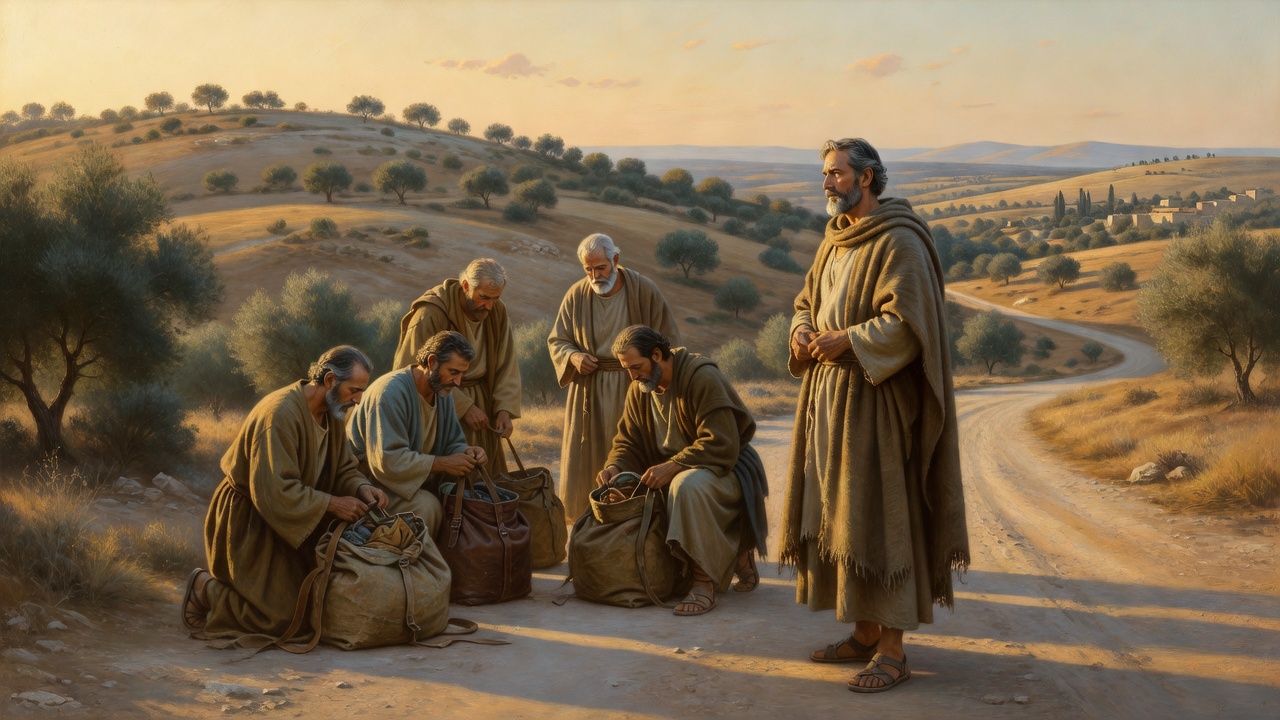
Did you know?
Gentile Hope and the Road West
- Paul writes that he has fully proclaimed the gospel of Christ from Jerusalem all the way around to Illyricum. Easton's Bible Dictionary (1897) places that region northwest of Macedonia, on the eastern shores of the Adriatic, and describes it as then almost wholly included in Dalmatia; it says he traversed Illyricum on his third missionary journey, that it was the farthest district he had reached in preaching, and that a journey through Macedonia would have brought him to its borders.Sources: the Bible text itself · Illyricum
- He hopes to see the believers in Rome on his way to Spain and, after delivering the contribution from Macedonia and Achaia to Jerusalem, to set off for Spain by way of them. Easton's Bible Dictionary (1897) records that intention, but notes that there is no evidence he ever carried it out, although some think he probably did so between his first and second imprisonment.Sources: the Bible text itself · Spain
- Quoting Isaiah, he says that the Root of Jesse would appear and arise to rule over the Gentiles, and that the Gentiles would put their hope in him. Jesse was the father of David, and Easton's Bible Dictionary (1897) says that the phrase root of Jesse is used for the Messiah, while stem of Jesse is used for David's family.Sources: the Bible text itself · Jesse
Notes written with AI assistance from open sources (Theographic Bible Metadata, CC BY-SA 4.0; Easton’s Bible Dictionary, public domain) and reviewed before publishing.
Places in this chapter
- Illyricum · 43.539, 16.483 · verse 19
- Jerusalem · 31.777, 35.234 · verses 19, 25, 26, 27, 31
- Rome · 41.892, 12.485 · verse 24
- Spain · Today: Hispania · 40.210, -4.350 · verses 24, 28
- Achaia · 38.720, 22.540 · verse 26
- Macedonia · 41.600, 22.540 · verse 26
- Judea · Today: Judea 1 · 31.777, 35.234 · verse 31
Only places identified with high confidence are shown (90% or more according to the scholarly sources compiled by OpenBible). Period map: DARE (Digital Atlas of the Roman Empire), CC BY 4.0; modern map: © OpenStreetMap contributors; places: OpenBible.info (CC BY 4.0).
Credits and license for this translation
Biblica® Se aɖeke mebla Biblia zazã o Agbenya La™ Éwé: Biblica® Se aɖeke mebla Biblia zazã o Agbenya La™ (Bible) of Ghana copyright © 1988, 2006, 2020 Biblica, Inc. Language: eʋegbe Contributor: Biblica, Inc. Dɔwɔƒe si na wò asi ka agbalẽ sia lae nye Creative Commons Attribution-ShareAlike 4.0 International License (CC BY-SA). Ne èdi be yeakpɔ laisensi alo mɔɖegbalẽ sia la, yi ɖe http://creativecommons.org/licenses/by-sa/4.0 alo ŋlɔ agbalẽ na Creative Commons Dɔwɔƒea to adrɛsi sia dzi: Creative Commons, PO Box 1866, Mountain View, CA 94042, USA. Biblica, Inc. na wode Biblica® kple eƒe dzesidenu agbalẽ me, eye woaŋlɔ agbalẽ axɔ mɔɖeɖe tso Biblica, Inc. gbɔ hafi woawɔ Biblica® ƒe dzesidenu la ŋu dɔ. Le CC BY-SA ƒe mɔɖeɖe ƒe sewo nu la, àte ŋu azã agbalẽ sia me nyawo le dɔ bubuwo wɔwɔ me gake ele be nàde dzesi Biblica ƒe dzesidenu la abe ale si wòle ene. Ne ètrɔ asi le agbalẽ sia ŋu alo zãe le mɔ bubu nu la, ele be nàɖe Biblica® ƒe dzesidenu la ɖa. Ele be nàde dzesi tɔtrɔ siwo nèwɔ la ɖe agbalẽ la me eye nàde dzesii be: “Àte ŋu akpɔ Biblica, Inc. ƒe dɔ gbãtɔ le www.biblica.com kple open.bible femaxee.” Ele be nutɔnyenye ƒe dzeside nadze le agbalẽ la ƒe axa si tanya alo nutɔnyenye ƒe dzesi nɔna la ale: Biblica® Se aɖeke mebla Biblia zazã o Agbenya La™ Nutɔnyenye © 1988, 2006, 2020 Biblica, Inc. Biblica® Open Ewe Contemporary Scriptures™ Copyright © 1988, 2006, 2020 by Biblica, Inc. Biblica, Inc. na Dɔwɔƒe si Kpɔa Nutɔnyenye kple Adzɔdodo ƒe Nyawo dzi le Amerika la de “Biblica” kple eƒe dzesidenu agbalẽ me. Woaxɔ mɔɖeɖe na ezazã. “Biblica” is a trademark registered in the United States Patent and Trademark Office by Biblica, Inc. Used with permission. Ele be nàna míaƒe asi naka wò agbalẽ la le laisensi alo mɔɖeɖe ƒe se (CC BY-SA) sia nu. Ne èdi be yeana nyanya Biblica, Inc. tso agbalẽ sia zazã ŋu la, anyo be nàdo ta ɖe mía gbɔ le https://open.bible/contact-us. This work is made available under the Creative Commons Attribution-ShareAlike 4.0 International License (CC BY-SA). To view a copy of this license, visit http://creativecommons.org/licenses/by-sa/4.0 or send a letter to Creative Commons, PO Box 1866, Mountain View, CA 94042, USA. Biblica® is a trademark registered by Biblica, Inc., and use of the Biblica® trademark requires the written permission of Biblica, Inc. Under the terms of the CC BY-SA license, you may copy and redistribute this unmodified work as long as you keep the Biblica® trademark intact. If you modify a copy or translate this work, thereby creating a derivative work, you must remove the Biblica® trademark. On the derivative work, you must indicate what changes you have made and attribute the work as follows: “The original work by Biblica, Inc. is available for free at www.biblica.com and open.bible.” Notice of copyright must appear on the title or copyright page of the work as follows: Biblica® Se aɖeke mebla Biblia zazã o Agbenya La™ Nutɔnyenye © 1988, 2006, 2020 Biblica, Inc. Biblica® Open Ewe Contemporary Scriptures™ Copyright © 1988, 2006, 2020 by Biblica, Inc. Biblica, Inc. na Dɔwɔƒe si Kpɔa Nutɔnyenye kple Adzɔdodo ƒe Nyawo dzi le Amerika la de “Biblica” kple eƒe dzesidenu agbalẽ me. Woaxɔ mɔɖeɖe na ezazã. “Biblica” is a trademark registered in the United States Patent and Trademark Office by Biblica, Inc. Used with permission. You must also make your derivative work available under the same license (CC BY-SA). If you would like to notify Biblica, Inc. regarding your translation of this work, please contact us at https://open.bible/contact-us. This translation is made available to you under the terms of the Creative Commons Attribution Share-Alike license 4.0. You have permission to share and redistribute this Bible translation in any format and to make reasonable revisions and adaptations of this translation, provided that: You include the above copyright and source information. If you make any changes to the text, you must indicate that you did so in a way that makes it clear that the original licensor is not necessarily endorsing your changes. If you redistribute this text, you must distribute your contributions under the same license as the original. Pictures included with Scriptures and other documents on this site are licensed just for use with those Scriptures and documents. For other uses, please contact the respective copyright owners. Note that in addition to the rules above, revising and adapting God's Word involves a great responsibility to be true to God's Word. See Revelation 22:18-19. 2025-05-01
Source: http://ebible.org/ewe/ · eBible.org