John 12
Biblica® Se aɖeke mebla Biblia zazã o Agbenya La™ · Tap a verse to see its cross-references.
Wosi ami na Yesu le Betania
1Esi wòsusɔ ŋkeke ade woaɖu Ŋutitotoŋkekenyui la, Yesu va ɖo Betania si nye Lazaro, ame si wòfɔ ɖe tsitre tso ame kukuwo dome la ƒe du me. 2Woɖo fiẽnuɖukplɔ̃ na Yesu le afi sia. Marta subɔ Yesu le kplɔ̃ la ŋu. Lazaro hã nɔ kplɔ̃a ŋu kple Yesu. 3Esi wonɔ nu ɖum la, Maria tsɔ amiʋeʋĩ xɔasi aɖe vɛ, eye wòsii na Yesu ƒe afɔwo, eye wòtsɔ eƒe taɖa tutu Yesu ƒe afɔwoe. Ami la ƒe ʋeʋẽ xɔ aƒe blibo la me.
4Esi Yuda Iskariɔt, Yesu ƒe nusrɔ̃lawo dometɔ ɖeka, ame si fia Yesu yomemɔ emegbe la kpɔ nu sia la, egblɔ be, 5“Nu ka ta womedzra amiʋeʋĩ sia hetsɔ ga la na ame dahewo o ɖo?” 6Eƒe asi wu ƒe ɖeka ƒe fetu. Megblɔ esia ɖe esi wòtsɔ ɖe le eme na ame dahewo ta o, ke boŋ fiafitɔ wònye; eyae kpɔa nusrɔ̃lawo ƒe ga dzi, eye wònɔa ga la fim. 7Tete Yesu ɖo eŋu nɛ be, “Miɖe asi le eŋu, elabena ewɔ esia be yeadzram ɖo ɖi na nye ɖigbe. 8Ame dahewo anɔ mia dome ɖaa, ke nyemanɔ mia dome ɖaa o.”
Woɖo nugbe ɖe Lazaro wuwu ŋuti
9Esi Yudatɔwo se be Yesu va ɖo wo dome la, woʋli vevie be yewoakpɔe, eye yewoakpɔ Lazaro, ame si Yesu fɔ tso ame kukuwo dome la hã. 10Eya ta nunɔlagãwo wɔ ɖoɖo be yewoawu Lazaro hã, 11elabena eya tae Yudatɔ geɖewo dze Yesu yome, eye woxɔ edzi se ɖo.
Yesu yi Yerusalem abe dziɖula ene
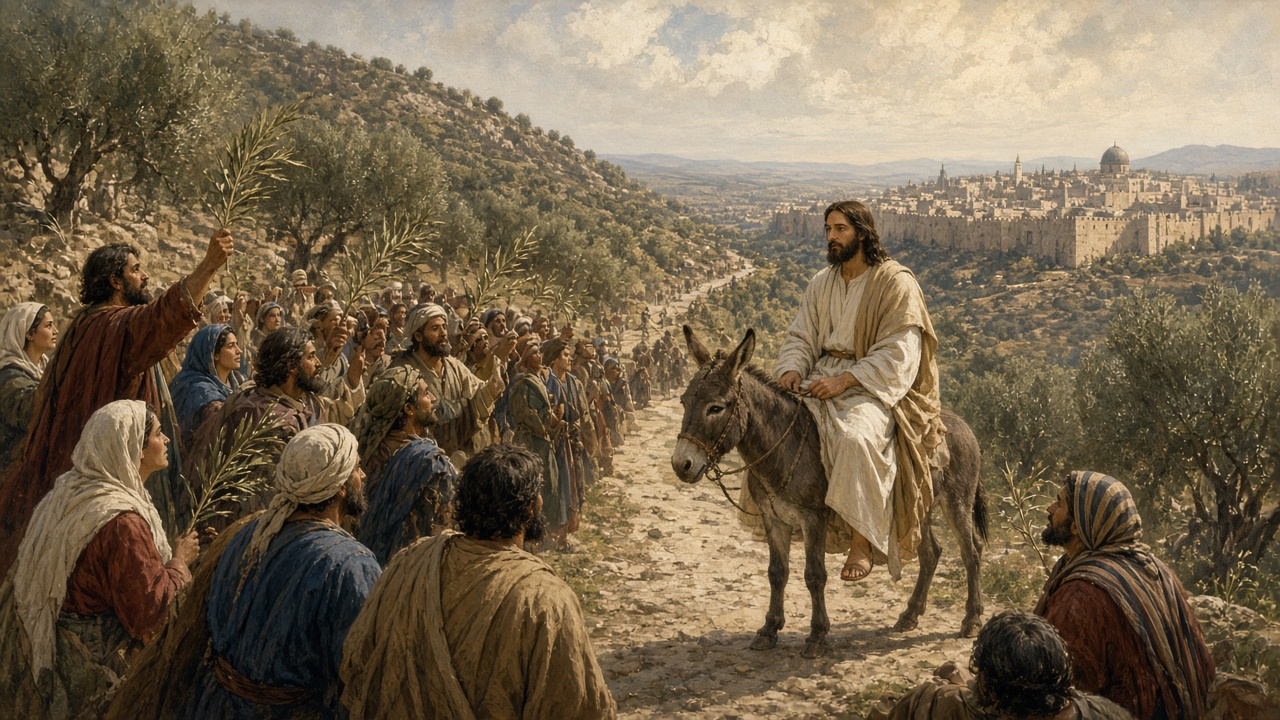
12Esi ŋu ke la, ameha gã si va azã la ɖuƒe la se be Yesu le mɔ dzi gbɔna Yerusalem. Ame geɖe siwo va Ŋutitotoŋkekenyui la ɖuƒe la hã see ale woyi be yewoaɖakpee. 13Ale woŋe deʋayawo ɖe asi yina be yewoakpee, eye wonɔ ɣli dom nɔ aseye tsom be,
“Hosana!”
“Yayratɔe nye ame si gbɔna le Aƒetɔ la ƒe ŋkɔ me!”
“Yayratɔe nye Israel ƒe fia la!”
14Yesu kpɔ tedzivi aɖe, eye wònɔ anyi ɖe edzi abe ale si woŋlɔe ɖi ene be,
15“Mègavɔ̃ o, Zion nyɔnuvi.
Kpɔ ɖa, wò fia do tedzivi gbɔna!”
16Gbã la, Yesu ƒe nusrɔ̃lawo mese nu siawo katã gɔme o. Ke esi wokɔ Yesu ŋu wòtrɔ dzo yi dziƒo le ŋutikɔkɔe me megbe hafi wode dzesii be woŋlɔ nu siawo tso eŋu, eye wowɔ nu siawo nɛ.
17Azɔ ameha siwo nɔ eteƒe hafi Yesu yɔ Lazaro be wòado go tso yɔdo me, eye wòfɔe ɖe tsitre tso ame kukuwo dome la kaka nya la. 18Le nukunu si wòwɔ wose ta la, amewo ƒo zi yi be yewoaɖakpɔe.
19Ale Farisitɔwo gblɔ na wo nɔewo be, “Mikpɔ ɖa, nu sia mele mía dzi de ge o. Mikpɔ ale si xexea me katã kplɔe ɖoe ɖa!”
Helatɔ aɖewo di Yesu
20Grikitɔ aɖewo hã nɔ ame siwo va Yerusalem dua me be yewoaɖu Ŋutitotoŋkekea la dome. 21Ame siawo va Filipo, ame si tso Betsaida le Galilea la gbɔ, eye wogblɔ nɛ be, “Aƒetɔ, miedi be miakpɔ Yesu.” 22Filipo hã ɖagblɔe na Andrea ale eya kple Andrea woyi ɖagblɔe na Yesu.
23Yesu ɖo eŋu na wo be, “Gaƒoƒo la de be woakɔ Amegbetɔ Vi la ŋu. 24Le nyateƒe me, mele egblɔm na mi be, ne bliku la mege ɖe anyigba, eye wòku o la, ekema eya ɖeka tsi anyi. Gake ne eku la, etsea ku geɖe. 25Ame si lɔ̃ eƒe agbe la, abui, ke ame si gbe nu le eƒe agbe gbɔ le xexe sia me, adzrae ɖo ɖi na agbe mavɔ la.
26“Ame si subɔam la, ele be wòadze yonyeme, be afi si mele la, nye subɔla hã nanɔ afi ma. Fofonye ade bubu ame si subɔam la ŋu.
Ele be woakɔ Amegbetɔ Vi la ɖe dzi
27“Azɔ nye dzi le nu xam, ke nya ka magblɔ? Fofo, ɖem le gaƒoƒo sia mea? Gbeɖe, elabena esia ta meva xexea me ɖo. 28Fofo, kɔ wò ŋkɔ ŋu.”
Esi Yesu wu nya siawo nu la, gbe aɖe ɖi tso dziƒo be, “Mekɔ eŋuti xoxo, eye magakɔ eŋuti.” 29Esi ameha la se gbe sia la, wogblɔ be dziɖegbee; bubuwo gblɔ be mawudɔla aɖe ƒo nu nɛ.
30Yesu gblɔ be, “Miawo ta gbe sia ɖi ɖo, menye tanye o. 31Gaƒoƒo la de be woadrɔ̃ ʋɔnu xexea me; azɔ la, woanya xexe sia me ƒe fia la. 32Gake nye la, ne wokɔm ɖa tso anyigba la, mahe amewo katã ɖe ɖokuinye ŋu.” 33Egblɔ nya sia be yeatsɔ afia ku si ƒomevi ku ge yeala.
34Ameha la biae be, “Míesee le Se la me be Kristo la anɔ agbe tegbee. Nu ka ta nèbe ‘woakɔ Amegbetɔ Vi la ɖe dzi’ ɖo? Ame kae nye Amegbetɔ Vi sia?”
35Yesu ɖo eŋu na wo be, “Kekeli la agaklẽ na mi ɣeyiɣi kpui aɖe ko. Mizɔ le kekeli la me hafi viviti nagado ɖe mi. Ame si le viviti me zɔm la menya afi si yim wòle o. 36Mixɔ kekeli la dzi se esi wòle mia gbɔ, be miazu kekeli ƒe viwo.” Esi Yesu gblɔ nya siawo vɔ la, edo go le ameawo dome ɖaɣla eɖokui.
Yudatɔwo ƒe dzimaxɔse
37Togbɔ be Yesu wɔ nukunu siawo le wo dome hã la, womexɔ edzi se o. 38Esia ɖo kpe Nyagblɔɖila Yesaya ƒe nya dzi be,
“Aƒetɔ, ame kae xɔ míaƒe nya dzi se?
Eye ame kae woɖe Mawu ƒe ŋusẽ gã la fia?”
39Susu sia ta womexɔ edzi se o ɖo, elabena Yesaya gagblɔ be,
40“Mawu gbã woƒe ŋkuwo,
eye wòna be woƒe dziwo ku atri,
be womagakpɔ nu kple woƒe ŋkuwo,
alo ase nu gɔme kple woƒe dziwo o,
alo atrɔ ɖe Mawu ŋu be wòada gbe le wo ŋu o.”
41Yesaya gblɔ esia, elabena ekpɔ Yesu ƒe ŋutikɔkɔe, eye wòƒo nu tso eŋu.
42Ke hã la, Yudatɔwo ƒe dumegã geɖewo xɔ Yesu dzi se. Gake ɖe Farisitɔwo ta la, womete ŋu ʋu woƒe xɔse me o; wonɔ vɔvɔ̃m be woanya yewo le gbedoxɔ la me, 43elabena wolɔ̃ amegbetɔ ƒe kafukafu wu Mawu ƒe kafukafu.
Yesu ƒe nyawo woatsɔ adrɔ̃ ʋɔnu amewo
44Yesu do ɣli gblɔ be, “Ne ame aɖe xɔ dzinye se la, menye nye ɖeka dzi wòxɔ se o, ke boŋ ame si dɔm la hã. 45Elabena ne ekpɔm la, ekpɔ ame si dɔm la hã. 46Nye la, meva xexea me abe kekeli ene, be ame si xɔ dzinye se la manɔ viviti me o.
47“Ke ame si se nye nyawo, gake mewɔ ɖe wo dzi o la, nyemadrɔ̃ ʋɔnui o. Elabena nyemeva be madrɔ̃ ʋɔnu xexea me o, ke boŋ be maɖe xexea me. 48Ʋɔnudrɔ̃la aɖe li si adrɔ̃ ʋɔnu ame si gbe nu le gbɔnye, eye mexɔ nye nyawo o; nya siwo megblɔ la, woawoe woatsɔ abu fɔ woe le nuwuwuŋkeke la dzi. 49Elabena nyemeƒo nu le ɖokuinye si o, ke boŋ Fofo si dɔm la ƒe nya siwo katã wògblɔ nam be magblɔ lae. 50Menya be eƒe nyawo katã akplɔ ame ayi agbe mavɔ mee. Eya ta megblɔa nya si Fofo la gblɔ nam be magblɔ la.”
Did you know?
The Anointing at Bethany and the Entry into Jerusalem
- Bethany, where Jesus arrived six days before the Passover, lay about two miles east of Jerusalem on the southeastern slope of the Mount of Olives, along the road to Jericho, and took its name from the palm trees that grew there. It was the home of Lazarus, whom Jesus had raised from the dead after four days in the tomb, and of his sisters Martha and Mary; the chief priests planned to kill Lazarus as well, because on his account many people were believing in Jesus.Sources: the Bible text itself · Bethany · Lazarus
- At a dinner where Martha served and Lazarus reclined at the table, Mary anointed Jesus' feet with about a pint of expensive perfume made of pure nard and wiped them with her hair, so the house was filled with the fragrance. Judas Iscariot, son of Simon, whose surname means a man of Kerioth, asked why it was not sold for three hundred denarii for the poor; he was a thief who, as keeper of the money bag, used to take from what was put into it, and he was going to betray Jesus.Sources: the Bible text itself · Judas Iscariot · Simon
- The next day the great crowd that had come for the feast took palm branches and went out to meet Jesus as he came to Jerusalem, seated on a young donkey, shouting praise to the King of Israel, as it is written of the Daughter of Zion. Zion was the southeastern hill of Jerusalem, where David built a citadel and a palace after taking it, so that it became the city of David. At first his disciples did not understand these things, but after Jesus was glorified they remembered that they had also been written about him.Sources: the Bible text itself · Zion
Notes written with AI assistance from open sources (Theographic Bible Metadata, CC BY-SA 4.0; Easton’s Bible Dictionary, public domain) and reviewed before publishing.
Places in this chapter
- Jerusalem · 31.777, 35.234 · verses 11, 12, 20
- Zion · Today: Jerusalem · 31.777, 35.234 · verse 15
- Galilee · 32.760, 35.527 · verse 21
Only places identified with high confidence are shown (90% or more according to the scholarly sources compiled by OpenBible). Period map: DARE (Digital Atlas of the Roman Empire), CC BY 4.0; modern map: © OpenStreetMap contributors; places: OpenBible.info (CC BY 4.0).
Credits and license for this translation
Biblica® Se aɖeke mebla Biblia zazã o Agbenya La™ Éwé: Biblica® Se aɖeke mebla Biblia zazã o Agbenya La™ (Bible) of Ghana copyright © 1988, 2006, 2020 Biblica, Inc. Language: eʋegbe Contributor: Biblica, Inc. Dɔwɔƒe si na wò asi ka agbalẽ sia lae nye Creative Commons Attribution-ShareAlike 4.0 International License (CC BY-SA). Ne èdi be yeakpɔ laisensi alo mɔɖegbalẽ sia la, yi ɖe http://creativecommons.org/licenses/by-sa/4.0 alo ŋlɔ agbalẽ na Creative Commons Dɔwɔƒea to adrɛsi sia dzi: Creative Commons, PO Box 1866, Mountain View, CA 94042, USA. Biblica, Inc. na wode Biblica® kple eƒe dzesidenu agbalẽ me, eye woaŋlɔ agbalẽ axɔ mɔɖeɖe tso Biblica, Inc. gbɔ hafi woawɔ Biblica® ƒe dzesidenu la ŋu dɔ. Le CC BY-SA ƒe mɔɖeɖe ƒe sewo nu la, àte ŋu azã agbalẽ sia me nyawo le dɔ bubuwo wɔwɔ me gake ele be nàde dzesi Biblica ƒe dzesidenu la abe ale si wòle ene. Ne ètrɔ asi le agbalẽ sia ŋu alo zãe le mɔ bubu nu la, ele be nàɖe Biblica® ƒe dzesidenu la ɖa. Ele be nàde dzesi tɔtrɔ siwo nèwɔ la ɖe agbalẽ la me eye nàde dzesii be: “Àte ŋu akpɔ Biblica, Inc. ƒe dɔ gbãtɔ le www.biblica.com kple open.bible femaxee.” Ele be nutɔnyenye ƒe dzeside nadze le agbalẽ la ƒe axa si tanya alo nutɔnyenye ƒe dzesi nɔna la ale: Biblica® Se aɖeke mebla Biblia zazã o Agbenya La™ Nutɔnyenye © 1988, 2006, 2020 Biblica, Inc. Biblica® Open Ewe Contemporary Scriptures™ Copyright © 1988, 2006, 2020 by Biblica, Inc. Biblica, Inc. na Dɔwɔƒe si Kpɔa Nutɔnyenye kple Adzɔdodo ƒe Nyawo dzi le Amerika la de “Biblica” kple eƒe dzesidenu agbalẽ me. Woaxɔ mɔɖeɖe na ezazã. “Biblica” is a trademark registered in the United States Patent and Trademark Office by Biblica, Inc. Used with permission. Ele be nàna míaƒe asi naka wò agbalẽ la le laisensi alo mɔɖeɖe ƒe se (CC BY-SA) sia nu. Ne èdi be yeana nyanya Biblica, Inc. tso agbalẽ sia zazã ŋu la, anyo be nàdo ta ɖe mía gbɔ le https://open.bible/contact-us. This work is made available under the Creative Commons Attribution-ShareAlike 4.0 International License (CC BY-SA). To view a copy of this license, visit http://creativecommons.org/licenses/by-sa/4.0 or send a letter to Creative Commons, PO Box 1866, Mountain View, CA 94042, USA. Biblica® is a trademark registered by Biblica, Inc., and use of the Biblica® trademark requires the written permission of Biblica, Inc. Under the terms of the CC BY-SA license, you may copy and redistribute this unmodified work as long as you keep the Biblica® trademark intact. If you modify a copy or translate this work, thereby creating a derivative work, you must remove the Biblica® trademark. On the derivative work, you must indicate what changes you have made and attribute the work as follows: “The original work by Biblica, Inc. is available for free at www.biblica.com and open.bible.” Notice of copyright must appear on the title or copyright page of the work as follows: Biblica® Se aɖeke mebla Biblia zazã o Agbenya La™ Nutɔnyenye © 1988, 2006, 2020 Biblica, Inc. Biblica® Open Ewe Contemporary Scriptures™ Copyright © 1988, 2006, 2020 by Biblica, Inc. Biblica, Inc. na Dɔwɔƒe si Kpɔa Nutɔnyenye kple Adzɔdodo ƒe Nyawo dzi le Amerika la de “Biblica” kple eƒe dzesidenu agbalẽ me. Woaxɔ mɔɖeɖe na ezazã. “Biblica” is a trademark registered in the United States Patent and Trademark Office by Biblica, Inc. Used with permission. You must also make your derivative work available under the same license (CC BY-SA). If you would like to notify Biblica, Inc. regarding your translation of this work, please contact us at https://open.bible/contact-us. This translation is made available to you under the terms of the Creative Commons Attribution Share-Alike license 4.0. You have permission to share and redistribute this Bible translation in any format and to make reasonable revisions and adaptations of this translation, provided that: You include the above copyright and source information. If you make any changes to the text, you must indicate that you did so in a way that makes it clear that the original licensor is not necessarily endorsing your changes. If you redistribute this text, you must distribute your contributions under the same license as the original. Pictures included with Scriptures and other documents on this site are licensed just for use with those Scriptures and documents. For other uses, please contact the respective copyright owners. Note that in addition to the rules above, revising and adapting God's Word involves a great responsibility to be true to God's Word. See Revelation 22:18-19. 2025-05-01
Source: http://ebible.org/ewe/ · eBible.org