Acts 7
Biblica® Se aɖeke mebla Biblia zazã o Agbenya La™ · Tap a verse to see its cross-references.
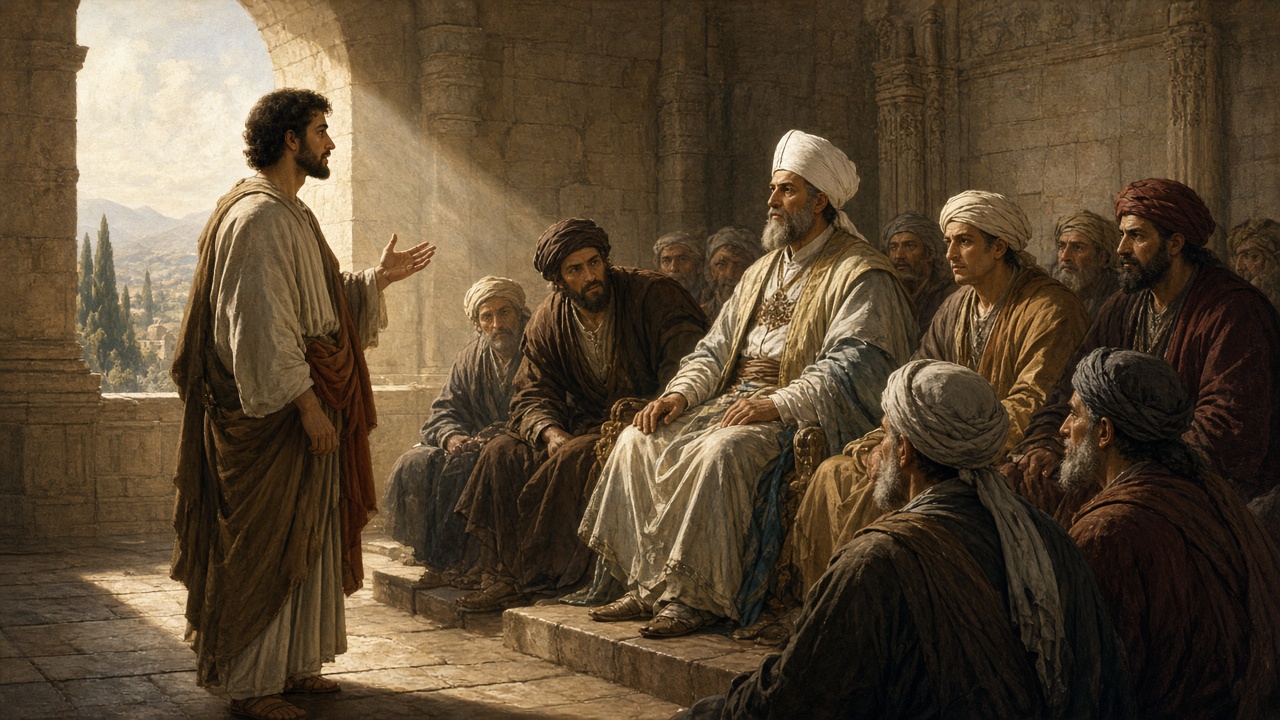
Stefano ƒe nuƒoƒo na ʋɔnudrɔ̃ƒe la
1Nunɔlagã la bia Stefano be, “Nɔvi, ɖe nya siwo katã wogblɔ le ŋuwò le eme vavãa?”
2Stefano ɖo eŋu be, “Nɔviwo kple fofowo miɖo tom. Ŋutikɔkɔe ƒe Mawu la ŋutɔ ɖe eɖokui fia mía tɔgbui Abraham le esime wònɔ Mesopotamia hafi wòva yi Haran. 3Mawu gblɔ nɛ be, ‘Do go le wò dukɔ kple wò ƒometɔwo dome, eye nàyi anyigba bubu aɖe sãa si mafia wò la dzi.’
4“Ale Abraham dzo le Kaldeanyigba dzi ɖanɔ Haran va se ɖe esime fofoa ku gblẽe ɖi. Esia megbe la, Mawu kplɔe va Israelnyigba sia dzi. 5Ke Mawu metsɔ anyigba sia ƒe akpa aɖeke na Abraham be wòanye etɔ o. Menye afɔ ɖeka teti hã o. Gake Mawu do ŋugbe nɛ be le ɣeyiɣi aɖewo megbe la, anyigba blibo la azu eya kple eƒe dzidzimeviwo tɔ, togbɔ be vi aɖeke menɔ Abraham si haɖe o hã. 6Mawu gagblɔ na Abraham be, ‘Wò dzidzimeviwo adzo le anyigba la dzi aɖanɔ dzronyigba aɖe dzi ƒe alafa ene sɔŋ abe kluviwo ene. 7Ke hã la, mahe to na dukɔ si ado kluvi Israelviwo, eye emegbe la, Israelviwo agatrɔ va woƒe anyigba la dzi ava subɔm le afi sia.’ 8Mawu de se na Abraham be wòatso aʋa na via ŋutsuviwo abe nubabla si le Mawu kple Abraham ƒe dzidzimeviwo dome la ƒe kpeɖodzinu ene. Le esia ta la, esi Isak si nye Abraham ƒe viŋutsu xɔ ŋkeke enyi ko la, fofoa tso aʋa nɛ. Isak ƒe viŋutsue nye Yakob, ame si hã ƒe viŋutsu wuieveawo me Israel dukɔa ƒe tɔgbui wuieveawo dzɔ tso.
9“Yosef si nye Yakob ƒe vi mamlɛtɔ la ƒe nu menyo nɔvia bubuawo ŋu o, ale wodzrae na kluvisitsalawo, ame siwo kplɔe yi Egipte abe kluvi ene. Ke hã la, Mawu nɔ kplii 10ale gbegbe be wòɖee tso eƒe fukpekpewo katã me, eye gawu la, Mawu na be Egipte Fia Farao kpɔ ŋudzedze le eŋu. Le nunya manyagblɔ si Mawu na Yosef ta la, Farao tsɔe ɖo dudzikpɔla gãe le Egipte dukɔa me, eye wògaɖoe tatɔe le eƒe fiasã blibo la me hã.
11“Eva eme be dɔ sesẽ aɖe va to le Egipte kple Kananyigba dzi, ale be mía tɔgbuitɔgbuiwo kpe fu ŋutɔ. Nuɖuɖu vɔ le wo si keŋkeŋ. 12Yakob se be nuɖuɖu le Egiptenyigba dzi ale wòdɔ viawo ɖa be woaɖaƒle ɖe vɛ. 13Esi wogayi Egipte zi evelia la, Yosef ɖe eɖokui fia nɔviawo, elabena womekpɔe dze sii zi gbãtɔ si wode afi ma o. Eɖe wo fia Fia Farao hã. 14Yosef dɔ nɔviawo be ne woyi la, woakplɔ ye fofo Yakob, ye nɔviwo kple woƒe ƒometɔwo katã, ame siwo ƒe xexlẽme nɔ ame blaadre-vɔ-atɔ̃ la vɛ na ye le Egipte. 15Esiae na be Yakob kple viawo katã ʋu va tsi Egipte, afi si wo katã ku ɖo, 16eye wokɔ Yakob kple viawo va Sikem, eye woɖi wo ɖe yɔdo si Abraham ƒle le Hamor ƒe viwo gbɔ la me.
17“Esime ɣeyiɣi si Mawu ɖo na Abraham be yeaɖe eƒe dzidzimeviwo tso kluvinyenye me le Egipte ɖo vɔ la, Israelviwo gadzi ɖe edzi fũu ŋutɔ le Egipte. 18Ke ‘fia bubu va zi dzi le Egipte, ame si menya naneke tso Yosef ŋu o.’ 19Le esia ta la, ewɔ funyafunya mía tɔgbuitɔgbuiwo, eye wòde se be woatsɔ woƒe vidzĩwo aƒu gbe ne woaku.
20“Le ɣeyiɣi sia me lɔƒo la, wodzi Mose si nye ɖevi dzeɖekɛ aɖe. Le se si nɔ anyi ɣe ma ɣi me ta la, esi wodzi Mose la, edzilawo dzrae ɖo ɖe xɔ me ɣleti etɔ̃ sɔŋ. 21Ke esi wòva dzɔ be womagate ŋu adzrae ɖo o ta la, wokɔe yi ɖada ɖe teƒe aɖe. Fia Farao ƒe vinyɔnuvi va fɔe le afi ma ale wòtsɔe abe via ene hekpɔ edzi. 22Wohe Mose ɖe Egiptetɔwo ƒe nunya nu, ale wòtsi va zu fiavi xɔŋkɔ aɖe le nunya kple dɔwɔwɔ me.
23“Esi Mose xɔ abe ƒe blaene ene la, ewɔ susu gbe ɖeka be yeaɖi tsa aɖakpɔ ye nɔvi Israelviwo ɖa. 24Le tsaɖiɖi sia me la, eva ke ɖe Israel ɖekakpui aɖe kple Egiptetɔ aɖe ŋu wonɔ dzre wɔm. Mose kpɔe be Egiptetɔ la nɔ Israel ɖekakpui la ƒom, nɔ funyafunya wɔmii, eya ta edze Egiptetɔ la dzi hewui. 25Mose bui be wɔna sia ana be eya ŋutɔ nɔviawo axɔe se be Mawue ɖo ye ɖa be yeava ɖe wo le aboyo me hafi, gake womexɔe nenema o. 26Esi ŋu ke la, Mose gaɖi tsa yi etɔ Israelviwo gbɔ. Kasiaa, ekpɔ Israelvi dzidzi eve hã wonɔ dzre wɔm vevie. Mose te ɖe wo ŋu enumake be yealé avu le wo dome. Egblɔ na wo be, ‘Nɔviwo, menyo kura be miawo ɖeɖe mianɔ dzre wɔm alea o eya ta midzudzɔ, ne miawɔ ɖeka.’
27“Ke ame siawo dometɔ si ƒe nya medzɔ o la gblɔ na Mose be wòakpɔ eya ŋutɔ ƒe nya gbɔ eye megade nu yewo tɔ me o. Ebia Mose be, ‘Ame kae ɖo wò fia kple ʋɔnudrɔ̃la ɖe mía dzi?’ Eyi edzi bia Mose be, 28‘Alo ɖe nèdi be yeaƒo nye hã awu abe ale si nèwu Egiptetɔ ma etsɔ enea?’ 29Nya sia sese te ɖe Mose dzi ale wòsi dzo le nuto la me yi ɖanɔ Midianyigba dzi afi si wòdzi eƒe viŋutsu eveawo le.
30“Le ƒe blaene megbe la, mawudɔla aɖe ɖe eɖokui fia Mose le gbedzi le teƒe aɖe si te ɖe Sinai to la ŋu. Mawudɔla la ɖe eɖokui fiae le gbe aɖe si nɔ bibim la me. 31Esi Mose kpɔ dzobibia la, ewɔ nuku nɛ ŋutɔ, eya ta eƒu du yi teƒea be yeakpɔ nu si wònye. Ke esi wòƒu du yina la, ese Mawu ƒe gbe be, 32‘Nyee nye tɔgbuiwòwo Abraham, Isak kple Yakob ƒe Mawu la.’ Dzidzi ƒo Mose ale gbegbe be mete ŋu fɔ ta dzi be yeakpɔ afi si gbea le ɖiɖim tso la o.
33“Mawu ƒe gbe yi edzi gblɔ nɛ be, ‘Ɖe wò afɔkpawo le afɔ, elabena teƒe si nèle la nye teƒe kɔkɔe. 34Mekpɔ fu gã si kpem vinyewo le le Egiptenyigba dzi, eye mese woƒe nublanuiɣli si dom wole la hã, eya ta meva be maɖe wo tso fukpekpe sia me. Va ne madɔ wò ɖe Egipte ne nàwɔ dɔ sia nam.’
35“Ale Mose si gbɔ etɔwo gbe nu le, eye wobiae be, ‘Ame kae ɖo wò fia kple ʋɔnudrɔ̃la ɖe mía dzi hã?’ la, eyae Mawu ɖo ɖa be wòanye woƒe ɖela kple kplɔla to mawudɔla, si ɖe eɖokui fiae le ŋuvea me la dzi. 36Ale to nukunu geɖewo wɔwɔ me la, Mose kplɔ Israelviwo tso Egipte. Woto Ƒu Dzĩ la me, eye wozɔ mɔ to gbedzi ƒe blaene sɔŋ.
37“Mose ŋutɔ gblɔ na Israelviwo be, ‘Mawu ana nyagblɔɖila aɖe adzɔ tso mia nɔviwo dome abe nye ke ene.’ 38Mose ƒe nya sia va eme pɛpɛpɛ elabena esi wonɔ gbedzi nɔ yiyim la, Mose nye avuléla si nɔ Israelviwo kple mawudɔla si na Mawu ƒe sewo le Sinai to dzi la dome. Se si nye Agbenya lae wòna wo.
39“Ke nublanuitɔe la, mía tɔgbuiwo gbe nu le Mose gbɔ, eye wodi be yewoatrɔ ayi Egipte. 40Le nyateƒe me la, woyɔ Aron hegblɔ nɛ be, ‘Nɔvi, me legba siwo anye míaƒe mawu siwo akplɔ mí agbugbɔ yi Egipte la na mí, elabena míenya nu si dzɔ ɖe Mose si kplɔ mí dzoe le Egiptenyigba dzi la dzi o.’ 41Eya ta wowɔ legba ɖe nyivi ƒe nɔnɔme me, eye wosubɔ nu si wotsɔ woƒe asi wɔe la kple dzidzɔ blibo hesaa vɔ nɛ. 42Wɔna sia na be Mawu hã ɖe asi le wo ŋu, eye wosubɔ ɣe, ɣleti kple ɣletiviwo abe ale si woŋlɔ ɖe Nyagblɔɖilawo ƒe agbalẽ me ene.
“ ‘Israeltɔwo, nyee mietsɔ lã wuwuwo kple numemewo sa vɔ na
esi mienɔ gbedzi ƒe blaene sɔŋ mahã?
43Kpao, menye nyee miesa vɔ na o,
ke boŋ miaƒe susuwo katã nɔ Molek ƒe agbadɔ kple mawu Refan ƒe ɣletivinɔnɔme,
siwo nye legba miewɔ be miasubɔ la ŋu.
Le esia ta la, maɖo mi ɖe aboyo me,
ayi keke Babilonia godo ke.’
44“Mía tɔgbuitɔgbuiwo tsɔ ɖaseɖiɖi ƒe agbadɔ la ɖe ta nɔ gbea dzi, nɔ yiyim tso teƒe yi teƒe. Wowɔ ɖaseɖiɖi ƒe agbadɔ sia ɖe nɔnɔme si Mawu ɖee fia Mose be wòawɔe la nu. 45Le ƒe aɖewo megbe la, esi Yosua va zu kplɔla, eye wòho aʋa ɖe dukɔwo ŋu la, wokɔ agbadɔ sia yi woƒe nɔƒe yeye si wonɔ la, eye wowɔ eŋuti dɔ va se ɖe Fia David ŋɔli. 46Mawu yra Fia David ŋutɔ, eye David hã bia be Mawu naɖe mɔ na ye yeatu gbedoxɔ gã aɖe si anɔ anyi tegbee la na eya Yakob ƒe Mawu la. 47Ke David ƒe vi Solomo boŋue nye ame si va tu gbedoxɔ la nɛ.
48“Ke hã la, Mawu Dziƒoʋĩtɔ la menɔa gbedoxɔ si amegbetɔ ŋutɔ tsɔ eƒe asi tui la me o, elabena Mawu ŋutɔ gblɔ to eƒe Nyagblɔɖila Yesaya dzi be,
49“ ‘Nye fiazikpuie nye dziƒo,
eye anyigbae nye nye afɔɖodzinu.
Aƒe ka ƒomevi koŋ ame ate ŋu atu nam?
Aƒetɔ la gblɔe.
Alo Afi ka nye gbɔɖemeƒe anɔ?
50Alo Menye nye asie wɔ esiawo katã oa?’
51“Mi tosesẽtɔ siawo, ɖe wòle be miasẽ dzime atsi tsitre ɖe Gbɔgbɔ Kɔkɔe la ŋu ɣe sia ɣia? Ɛ̃, Alea tututu mia tɔgbuiwo wɔe nye esi, eye eya ƒomevi ko wɔm miawo hã miele. 52Mitɔ asi nyagblɔɖila si yome mia tɔgbuiwo meti hewɔ fui o la dzi nam. Wowu nyagblɔɖila siwo gblɔ Dzɔdzɔetɔ la ƒe vava ɖi eye miawo hã miede ame sia asi, eye miewui. 53Ɛ̃, togbɔ be mawudɔlawoe tsɔ Mawu ƒe seawo vɛ na mi hã la, mieɖo koŋ gblẽ seawo to wo dzi dada me.”
Woƒu kpe Stefano wòku
54Stefano ƒe nya sia tɔ dzi na Yudatɔwo ƒe kplɔlawo ŋutɔ. Wodo dziku vevie henɔ nyanyram le wo ɖokuiwo me. 55Ke Stefano, ame si me Gbɔgbɔ Kɔkɔe la yɔ fũu la li eƒe ŋkuwo ɖe dzi gãa, ekpɔ Mawu ƒe ŋutikɔkɔe gã la, eye Yesu nɔ tsitre ɖe Mawu ƒe nuɖusime. 56Stefano gblɔ na ameha la be, “Mikpɔ ɖa, mekpɔ dziƒo nu ʋu, eye Amegbetɔ Vi la tsi tsitre ɖe Mawu ƒe nuɖusime.”
57Nya sia gado dziku na wo ŋutɔ, ale wo katã wotsɔ woƒe asiwo xe to me be yewomagase nya aɖeke o. Wodze Stefano dzi henɔ ɣli dom be ame aɖeke megase eƒe nya o. 58Emegbe la, wohee do goe le dua me be yewoaƒu kpee wòaku. Ɖasefowo kple amewulawo ɖe woƒe awuwo na ɖekakpui aɖe si woyɔna be Saulo la be wòakpɔ wo dzi na yewo.
59Esi wonɔ kpe fum Stefano la, edo gbe ɖa gblɔ be, “Aƒetɔ Yesu, xɔ nye gbɔgbɔ.” 60Emegbe la, edze klo eye wòdo ɣli gblɔ be, “Aƒetɔ, mègaɖo nu vɔ̃ sia teƒe na wo o.” Ale wòdze anyi heku.
Did you know?
Stephen retells Israel's story
- Stephen opens his speech with Abraham still in Mesopotamia, before he settled in Haran, when he was told to leave his country and his kindred. Mesopotamia—Hebrew Aram-naharaim, “Syria of the two rivers”—was the name Greeks and Romans gave the region between the Euphrates and the Tigris; the Old Testament also calls it Padan-aram, “the plain of Aram,” and the north of that plateau was the early home of the Hebrews’ ancestors. Easton's Bible Dictionary (1897) notes that this first call is not mentioned in the Old Testament, though Genesis 12 implies it, and that Abraham left Ur in Chaldea and traveled about 300 miles north to Haran.Sources: the Bible text itself · Mesopotamia · Abraham
- Stephen says the bones of Jacob and the fathers were carried back to Shechem and placed in the tomb Abraham had bought from the sons of Hamor. Easton's Bible Dictionary (1897) identifies Hamor as a Hivite whose name means “he-ass,” notes that Acts 7:16 calls him Emmor, and says Jacob bought from him the plot at Shechem in which Joseph was later buried. The entry adds that Hamor’s son Shechem founded the city that took his name.Sources: the Bible text itself · Hamor
- Stephen places the burning bush in the desert near Mount Sinai and says Moses received living words there from the angel who spoke to him on the mountain. Easton's Bible Dictionary (1897) treats Sinai—a name linked with Sin, a moon god—as the same mountain district also called Horeb. The entry says the Hebrews reached that region in the third month after the Exodus, after a journey of about 150 miles from the Red Sea, including all the windings of the route, and remained encamped for about a year.Sources: the Bible text itself · Mount Sinai
Notes written with AI assistance from open sources (Theographic Bible Metadata, CC BY-SA 4.0; Easton’s Bible Dictionary, public domain) and reviewed before publishing.
Places in this chapter
- Haran · Today: Harran · 36.864, 39.033 · verses 2, 4
- Mesopotamia · Today: Aram-naharaim · 36.864, 39.033 · verse 2
- Chaldea · 30.962, 46.104 · verse 4
- Egypt · 30.129, 31.308 · verses 9, 10, 11, 12, 14, 15, 17, 18, 34, 36, 39, 40
- Canaan · 32.767, 35.333 · verse 11
- Shechem · Today: Tell Balatah · 32.214, 35.282 · verse 16
- Nile · Today: Nile River · 31.465, 30.367 · verse 19
- Midian · 28.495, 35.012 · verse 29
- Babylon · 32.543, 44.422 · verse 43
Only places identified with high confidence are shown (90% or more according to the scholarly sources compiled by OpenBible). Period map: DARE (Digital Atlas of the Roman Empire), CC BY 4.0; modern map: © OpenStreetMap contributors; places: OpenBible.info (CC BY 4.0).
Credits and license for this translation
Biblica® Se aɖeke mebla Biblia zazã o Agbenya La™ Éwé: Biblica® Se aɖeke mebla Biblia zazã o Agbenya La™ (Bible) of Ghana copyright © 1988, 2006, 2020 Biblica, Inc. Language: eʋegbe Contributor: Biblica, Inc. Dɔwɔƒe si na wò asi ka agbalẽ sia lae nye Creative Commons Attribution-ShareAlike 4.0 International License (CC BY-SA). Ne èdi be yeakpɔ laisensi alo mɔɖegbalẽ sia la, yi ɖe http://creativecommons.org/licenses/by-sa/4.0 alo ŋlɔ agbalẽ na Creative Commons Dɔwɔƒea to adrɛsi sia dzi: Creative Commons, PO Box 1866, Mountain View, CA 94042, USA. Biblica, Inc. na wode Biblica® kple eƒe dzesidenu agbalẽ me, eye woaŋlɔ agbalẽ axɔ mɔɖeɖe tso Biblica, Inc. gbɔ hafi woawɔ Biblica® ƒe dzesidenu la ŋu dɔ. Le CC BY-SA ƒe mɔɖeɖe ƒe sewo nu la, àte ŋu azã agbalẽ sia me nyawo le dɔ bubuwo wɔwɔ me gake ele be nàde dzesi Biblica ƒe dzesidenu la abe ale si wòle ene. Ne ètrɔ asi le agbalẽ sia ŋu alo zãe le mɔ bubu nu la, ele be nàɖe Biblica® ƒe dzesidenu la ɖa. Ele be nàde dzesi tɔtrɔ siwo nèwɔ la ɖe agbalẽ la me eye nàde dzesii be: “Àte ŋu akpɔ Biblica, Inc. ƒe dɔ gbãtɔ le www.biblica.com kple open.bible femaxee.” Ele be nutɔnyenye ƒe dzeside nadze le agbalẽ la ƒe axa si tanya alo nutɔnyenye ƒe dzesi nɔna la ale: Biblica® Se aɖeke mebla Biblia zazã o Agbenya La™ Nutɔnyenye © 1988, 2006, 2020 Biblica, Inc. Biblica® Open Ewe Contemporary Scriptures™ Copyright © 1988, 2006, 2020 by Biblica, Inc. Biblica, Inc. na Dɔwɔƒe si Kpɔa Nutɔnyenye kple Adzɔdodo ƒe Nyawo dzi le Amerika la de “Biblica” kple eƒe dzesidenu agbalẽ me. Woaxɔ mɔɖeɖe na ezazã. “Biblica” is a trademark registered in the United States Patent and Trademark Office by Biblica, Inc. Used with permission. Ele be nàna míaƒe asi naka wò agbalẽ la le laisensi alo mɔɖeɖe ƒe se (CC BY-SA) sia nu. Ne èdi be yeana nyanya Biblica, Inc. tso agbalẽ sia zazã ŋu la, anyo be nàdo ta ɖe mía gbɔ le https://open.bible/contact-us. This work is made available under the Creative Commons Attribution-ShareAlike 4.0 International License (CC BY-SA). To view a copy of this license, visit http://creativecommons.org/licenses/by-sa/4.0 or send a letter to Creative Commons, PO Box 1866, Mountain View, CA 94042, USA. Biblica® is a trademark registered by Biblica, Inc., and use of the Biblica® trademark requires the written permission of Biblica, Inc. Under the terms of the CC BY-SA license, you may copy and redistribute this unmodified work as long as you keep the Biblica® trademark intact. If you modify a copy or translate this work, thereby creating a derivative work, you must remove the Biblica® trademark. On the derivative work, you must indicate what changes you have made and attribute the work as follows: “The original work by Biblica, Inc. is available for free at www.biblica.com and open.bible.” Notice of copyright must appear on the title or copyright page of the work as follows: Biblica® Se aɖeke mebla Biblia zazã o Agbenya La™ Nutɔnyenye © 1988, 2006, 2020 Biblica, Inc. Biblica® Open Ewe Contemporary Scriptures™ Copyright © 1988, 2006, 2020 by Biblica, Inc. Biblica, Inc. na Dɔwɔƒe si Kpɔa Nutɔnyenye kple Adzɔdodo ƒe Nyawo dzi le Amerika la de “Biblica” kple eƒe dzesidenu agbalẽ me. Woaxɔ mɔɖeɖe na ezazã. “Biblica” is a trademark registered in the United States Patent and Trademark Office by Biblica, Inc. Used with permission. You must also make your derivative work available under the same license (CC BY-SA). If you would like to notify Biblica, Inc. regarding your translation of this work, please contact us at https://open.bible/contact-us. This translation is made available to you under the terms of the Creative Commons Attribution Share-Alike license 4.0. You have permission to share and redistribute this Bible translation in any format and to make reasonable revisions and adaptations of this translation, provided that: You include the above copyright and source information. If you make any changes to the text, you must indicate that you did so in a way that makes it clear that the original licensor is not necessarily endorsing your changes. If you redistribute this text, you must distribute your contributions under the same license as the original. Pictures included with Scriptures and other documents on this site are licensed just for use with those Scriptures and documents. For other uses, please contact the respective copyright owners. Note that in addition to the rules above, revising and adapting God's Word involves a great responsibility to be true to God's Word. See Revelation 22:18-19. 2025-05-01
Source: http://ebible.org/ewe/ · eBible.org