Psalms 28
Londona Biblio · Tap a verse to see its cross-references.
De David.
Al Vi, ho Eternulo, mi vokas;
Mia Roko, ne silentu al mi;
Se Vi silentos al mi, mi similiĝos al tiuj,
Kiuj iras en la tombon.
2Aŭskultu la voĉon de mia petego, kiam mi krias al Vi,
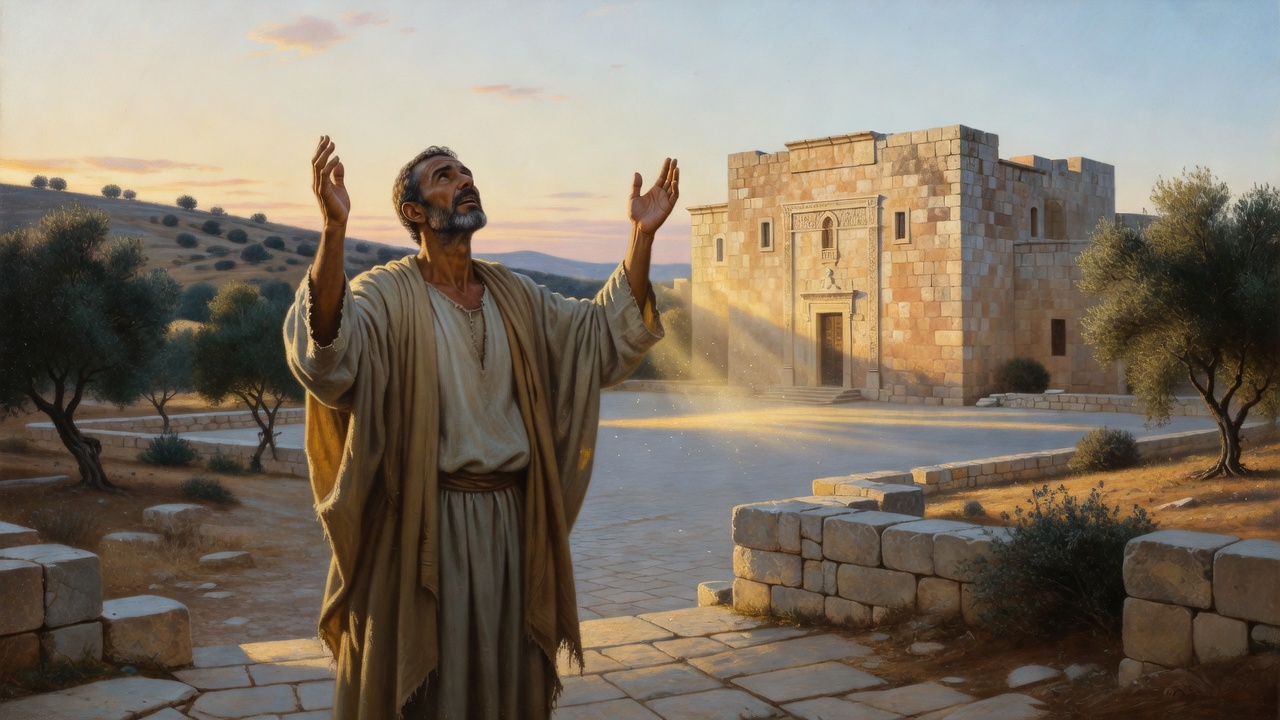
Kiam mi levas miajn manojn al Via plejsanktejo.
3Ne kunpereigu min kune kun malpiuloj, kaj kun krimfarantoj,
Kiuj parolas pace kun siaj proksimuloj,
Dum malbono estas en ilia koro.
4Redonu al ili laŭ iliaj faroj kaj laŭ iliaj malbonaj agoj;
Laŭ la faroj de iliaj manoj redonu al ili;
Redonu al ili, kion ili meritas.
5Ĉar ili ne atentas la agojn de la Eternulo
Kaj la farojn de Liaj manoj,
Li disbatos ilin kaj ne rekonstruos.
6Glorata estu la Eternulo,
Ĉar Li aŭskultis la voĉon de mia petego.
7La Eternulo estas mia forto kaj mia ŝildo;
Lin fidis mia koro, kaj Li helpis min;
Tial ekĝojas mia koro,
Kaj per mia kanto mi Lin gloros.
8La Eternulo estas ilia forto,
Li estas savanta forto por Sia sanktoleito.
9Helpu Vian popolon kaj benu Vian heredon,
Kaj paŝtu kaj altigu ilin eterne.
Did you know?
A Plea for Mercy and a Song of Trust
- Lifting up hands toward the sanctuary was a customary ancient posture of earnest prayer in Israel, visibly demonstrating supplication, humility, and full dependence on God.Sources: the Bible text itself
- The psalm transitions dramatically from a desperate plea for deliverance from death and judgment alongside the wicked to joyful thanksgiving, concluding with pastoral imagery where God is asked to shepherd and carry His people forever.Sources: the Bible text itself
Notes written with AI assistance from open sources (Theographic Bible Metadata, CC BY-SA 4.0; Easton’s Bible Dictionary, public domain) and reviewed before publishing.
Places in this chapter
- Most Holy Place · Today: on Mount Moriah · 31.778, 35.236 · verse 2
Only places identified with high confidence are shown (90% or more according to the scholarly sources compiled by OpenBible). Period map: DARE (Digital Atlas of the Roman Empire), CC BY 4.0; modern map: © OpenStreetMap contributors; places: OpenBible.info (CC BY 4.0).
Credits and license for this translation
Londona Biblio
The Holy Bible in Esperanto (1910)
Public Domain
Language: Esperanto
2020-02-13
Source: http://ebible.org/epo/ · eBible.org