Psalms 140
Londona Biblio · Tap a verse to see its cross-references.
Al la ĥorestro. Psalmo de David.
Liberigu min, ho Eternulo, de malbona homo,
Gardu min kontraŭ perfortulo;
2Kontraŭ tiuj, kiuj elpensas malbonon en la koro,
Ĉiutage kaŭzas militojn;
3Kiuj akrigas sian langon, kiel serpento;
Veneno de vipuro estas sub iliaj lipoj. Sela.
4Gardu min, ho Eternulo, kontraŭ la manoj de malvirtuloj,
Gardu min kontraŭ perfortuloj,
Kiuj intencas renversi miajn paŝojn.
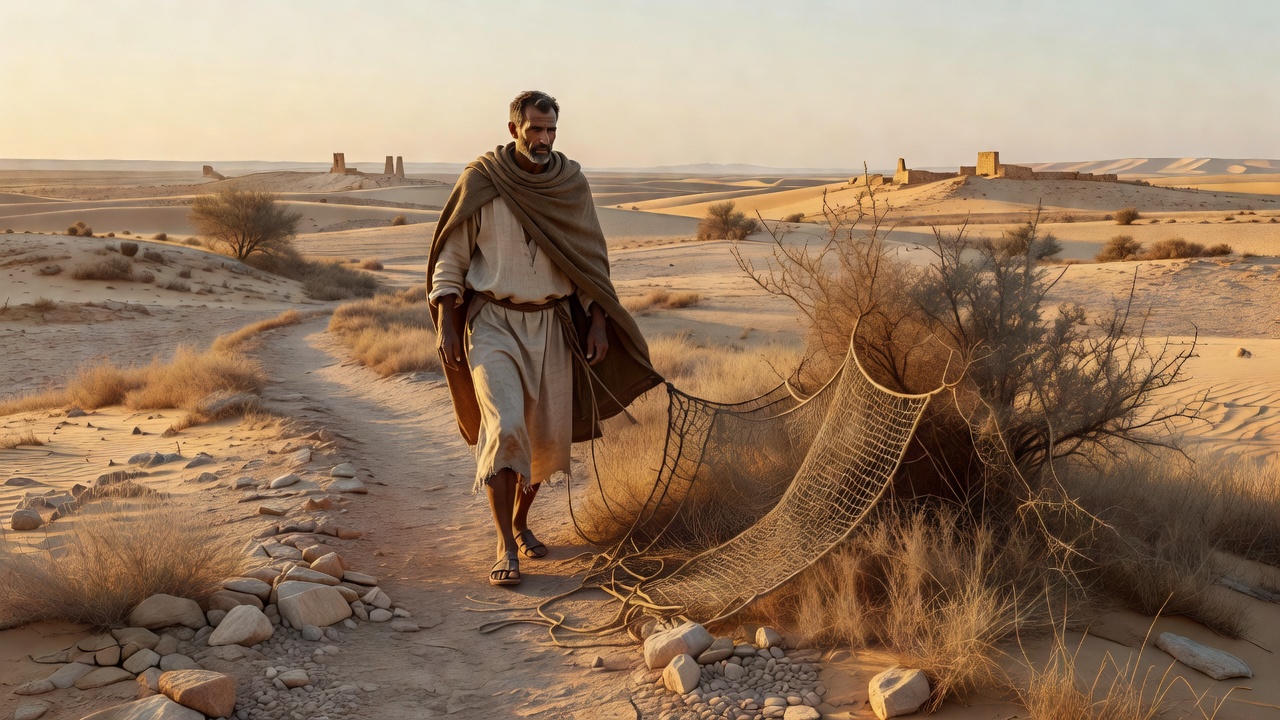
5Fieruloj kaŝis kaptilon por mi kaj ŝnurojn,
Ili etendis reton ĉe la vojo, implikilon ili metis por mi. Sela.
6Mi diris al la Eternulo: Vi estas mia Dio;
Atentu, ho Eternulo, la voĉon de mia petego.
7Ho Eternulo, mia Sinjoro, forto de mia savo,
Vi ŝirmas mian kapon en la tago de batalo.
8Ne donu, ho Eternulo, al malvirtulo lian dezirataĵon,
Lian intencon ne efektivigu, ke ili ne fieriĝu. Sela.
9La veneno de miaj ĉirkaŭantoj,
La malicaĵo de iliaj lipoj kovru ilin.
10Falu sur ilin brulantaj karboj;
Ili ĵetiĝu en fajron,
En abismojn, ke ili ne leviĝu.
11Kalumnianto ne staros forte sur la tero;
Perfortulon la malbono entiros en pereon.
12Mi scias, ke la Eternulo defendos la aferon de mizerulo,
La rajton de malriĉuloj.
13Kaj virtuloj ja gloros Vian nomon;
Piuloj restos antaŭ Via vizaĝo.
Did you know?
Protection from the Violent and Deceitful
- The psalm uses vivid imagery from ancient hunting practices, depicting the schemes of the wicked as hidden snares, cords of a net spread along paths, and concealed lures (verses 4–5).Sources: the Bible text itself
- Destructive speech is compared to deadly venom, describing hostile plotters who sharpen their tongues like serpents and carry viper poison on their lips (verse 3).Sources: the Bible text itself
- Amid threats of ambush and conflict, the psalmist portrays God as a shield covering the warrior's head in the day of battle, and as a champion who upholds justice for the poor and needy (verses 7, 12).Sources: the Bible text itself
Notes written with AI assistance from open sources (Theographic Bible Metadata, CC BY-SA 4.0; Easton’s Bible Dictionary, public domain) and reviewed before publishing.
Credits and license for this translation
Londona Biblio
The Holy Bible in Esperanto (1910)
Public Domain
Language: Esperanto
2020-02-13
Source: http://ebible.org/epo/ · eBible.org