Ecclesiastes 4
Berean Standard Bible · Tap a verse to see its cross-references.
The Evil of Oppression
1Again I looked, and I considered all the oppression taking place under the sun. I saw the tears of the oppressed, and they had no comforter; the power lay in the hands of their oppressors, and there was no comforter. 2So I admired the dead, who had already died, above the living, who are still alive. 3But better than both is he who has not yet existed, who has not seen the evil that is done under the sun.
4I saw that all labor and success spring from a man’s envy of his neighbor. This too is futile and a pursuit of the wind.
5The fool folds his hands
and consumes his own flesh.
6Better one handful with tranquility
than two handfuls with toil and pursuit of the wind.
7Again, I saw futility under the sun. 8There is a man all alone, without even a son or brother. And though there is no end to his labor, his eyes are still not content with his wealth: “For whom do I toil and bereave my soul of enjoyment?” This too is futile—a miserable task.
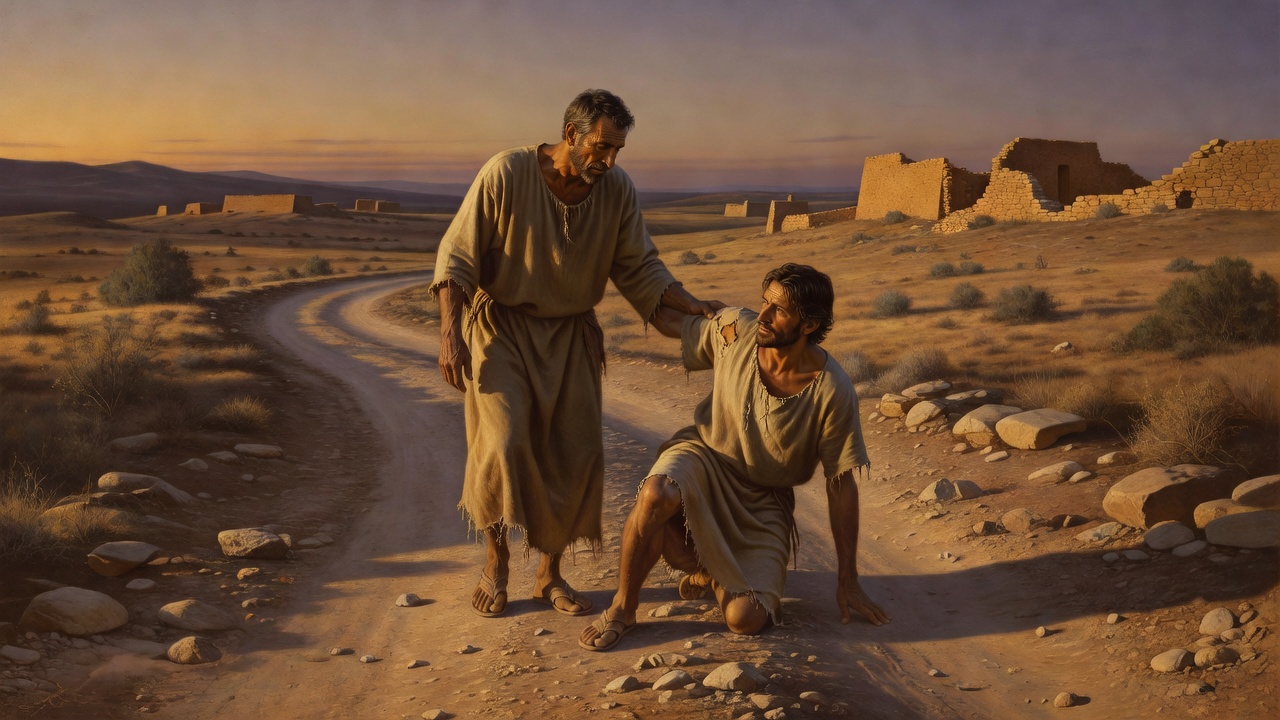
9Two are better than one, because they have a good return for their labor. 10For if one falls down, his companion can lift him up; but pity the one who falls without another to help him up! 11Again, if two lie down together, they will keep warm; but how can one keep warm alone? 12And though one may be overpowered, two can resist. Moreover, a cord of three strands is not quickly broken.
The Futility of Power
13Better is a poor but wise youth than an old but foolish king who no longer knows how to take a warning. 14For the youth has come from the prison to the kingship, though he was born poor in his own kingdom.
15I saw that all who lived and walked under the sun followed this second one, the youth who succeeded the king. 16There is no limit to all the people who were before them. Yet the successor will not be celebrated by those who come even later. This too is futile and a pursuit of the wind.
Did you know?
Oppression, Companionship, and Fleeting Acclaim
- Ecclesiastes highlights the practical value of companionship in daily life, explaining that two workers achieve a better return on their labor, can help each other up after a fall, provide shared warmth when lying down, and resist attackers together.Sources: the Bible text itself
- The passage contrasts the misery of solitary toil with the peacefulness of moderation, noting that some hoard wealth endlessly despite having no companion, son, or brother with whom to share it.Sources: the Bible text itself
- The text illustrates the fleeting nature of political fame through the figure of a poor, wise youth who rises from prison to replace an unteachable king, gaining massive popularity that is later forgotten by future generations.Sources: the Bible text itself
Notes written with AI assistance from open sources (Theographic Bible Metadata, CC BY-SA 4.0; Easton’s Bible Dictionary, public domain) and reviewed before publishing.
Credits and license for this translation
Berean Standard Bible
The Holy Bible in English: Berean Standard Bible
Public Domain
Language: English
Contributor: BSB Publishing, LLC
2026-10-02
Source: http://ebible.org/engbsb/ · eBible.org