Proverbs 3
Plain English Version · Tap a verse to see its cross-references.
About this book
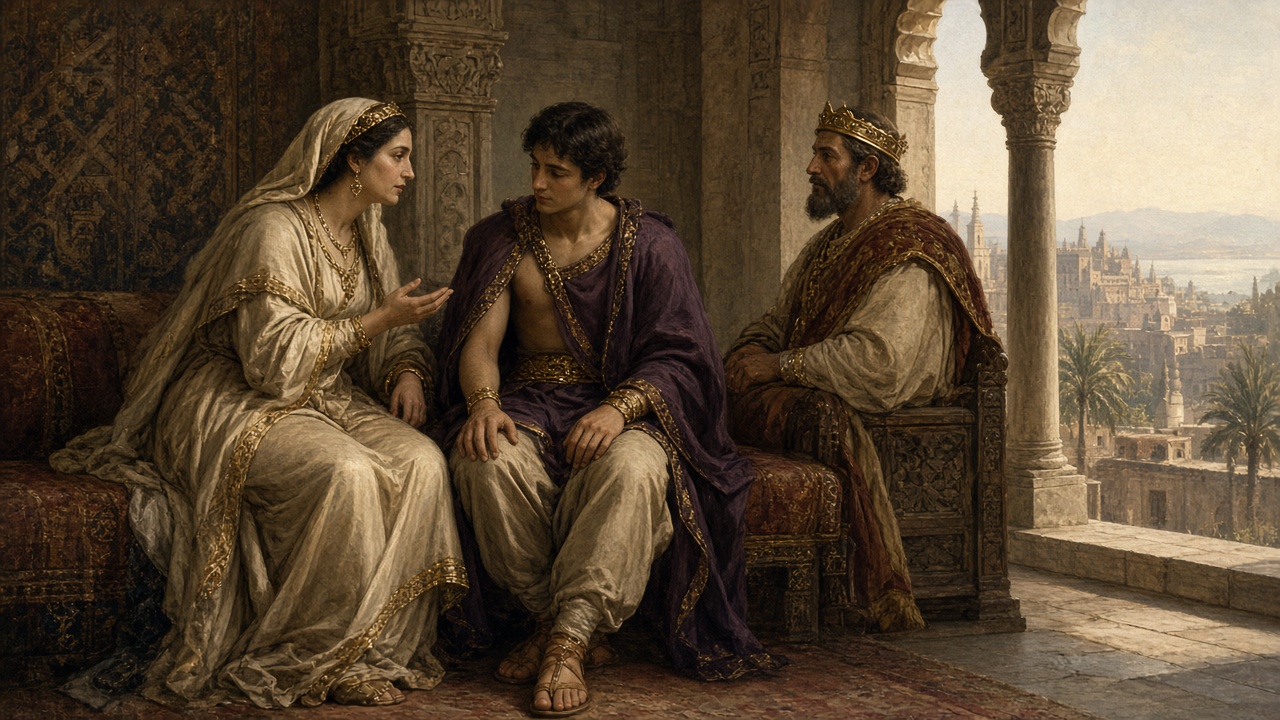
About Proverbs
- Easton's Bible Dictionary (1897) describes Proverbs as a collection of moral and philosophical maxims on a wide range of subjects, presented in poetic form. It considers it probable that Solomon gathered and recast many proverbs from human experience in earlier ages and also formed new ones from his own experience, and that some of his later sayings were gathered by other hands toward the end of the book. Solomon is said to have written three thousand proverbs, and those in this book may be a selection from them.Sources: Easton: Proverbs, Book of
- The entry on Solomon calls him Shelomoh, “peaceful,” David’s son by Bathsheba, who succeeded his father as king; his history is recorded in 1 Kings 1–11 and 2 Chronicles 1–9. A later setting also appears in the book: chapters 25–29 are proverbs of Solomon which the men of Hezekiah, king of Judah, collected, and the entry on Hezekiah gives his reign as twenty-nine years, 726–697 B.C.Sources: Solomon · Easton: Proverbs, Book of · Hezekiah
- Easton's Bible Dictionary (1897) usually divides the book into three parts: chapters 1–9, an exhibition of wisdom as the highest good; chapters 10–24; and chapters 25–29. Two supplements follow: “The words of Agur” (chapter 30) and “The words of king Lemuel” (chapter 31). The dictionary describes the work as a “philosophy of practical life” and stresses the value of intelligence, prudence, a good education, and a careful view of the finer shades of human character.Sources: Easton: Proverbs, Book of
- Agur, explained as “gatherer” or “the collector,” is named as the author of the sayings in chapter 30; nothing further is known of him, and Jakeh is named as his father. Lemuel, “dedicated to God,” is a king whom his mother instructed in Proverbs 31:1–9; nothing is certainly known of him, though the rabbis identified him with Solomon. Ucal is named as a person to whom Agur’s words are addressed.Sources: Agur · Jakeh · Lemuel · Ucal
- Easton's Bible Dictionary (1897) notes that the New Testament contains thirty-five direct quotations from this book or allusions to it.Sources: Easton: Proverbs, Book of
Notes written with AI assistance from open sources (Theographic Bible Metadata, CC BY-SA 4.0; Easton’s Bible Dictionary, public domain) and reviewed before publishing.
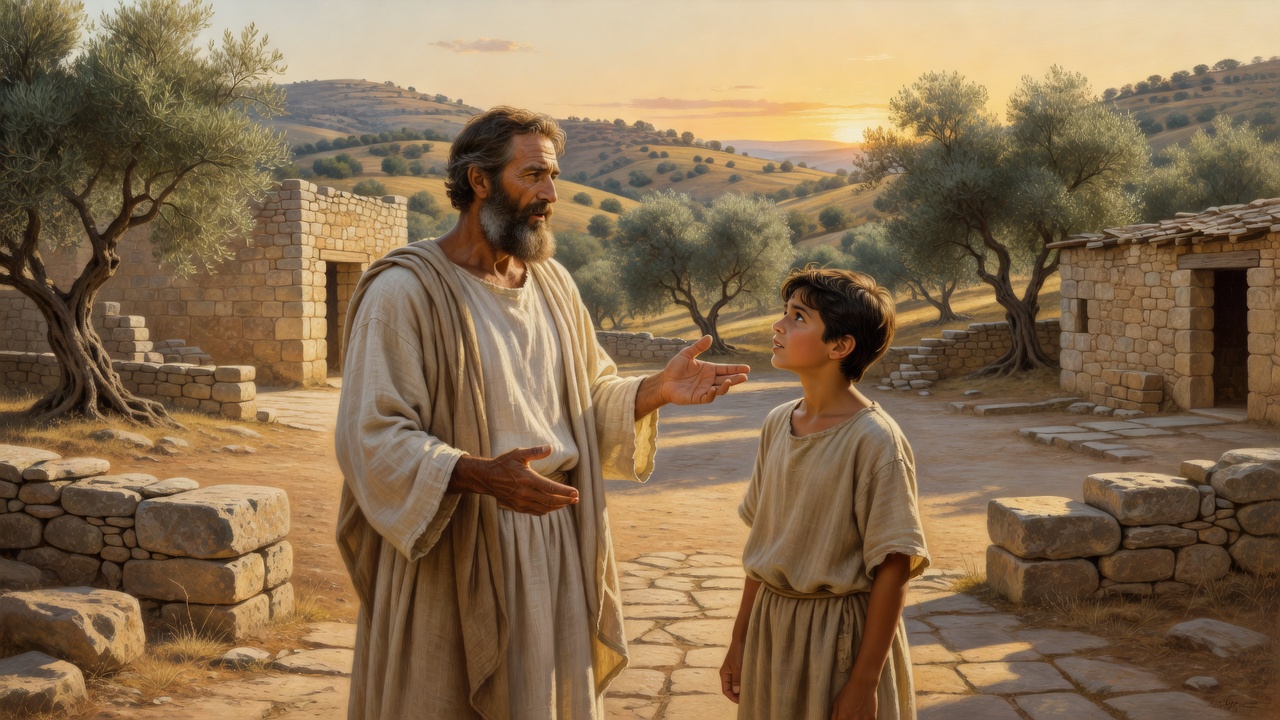
5You have to trust in God properly, you have to only trust in him.
Don’t trust the things you know, you don’t know everything.
6Always think about God in everything that you do.
If you do that, he will show you the right way to live.
Did you know?
Trust, Wisdom, and Neighborly Ethics
- Proverbs 3 portrays wisdom as a treasure surpassing silver, fine gold, and rubies. She is personified holding long life in her right hand and riches and honor in her left, serving as a tree of life to those who embrace her.Sources: the Bible text itself
- The chapter reflects ancient agrarian life by linking religious devotion to the offering of the firstfruits of the harvest. Honoring the Lord with one's wealth is described as leading to barns filled with plenty and vats overflowing with new wine.Sources: the Bible text itself
- The text outlines practical community ethics, warning against delaying help to a neighbor until tomorrow when one already has the means to assist today. It also cautions against plotting harm or making baseless accusations against a neighbor who lives nearby in trust.Sources: the Bible text itself
Notes written with AI assistance from open sources (Theographic Bible Metadata, CC BY-SA 4.0; Easton’s Bible Dictionary, public domain) and reviewed before publishing.
Credits and license for this translation
Plain English Version
Portions of the Holy Bible in the Plain English Version translation for Australian Aboriginal people who speak English as a second language
Copyright © 2026 Wycliffe Bible Translators Australia
Language: Aboriginal English (English)
Dialect: Australian Aboriginal
Plain English Version © 2026 by Wycliffe Bible Translators Australia, licensed under Creative Commons Attribution-Share Alike 4.0 International (CC BY SA 4.0)
This licence allows you to copy and redistribute the material in any medium or format, even commercially. You may adapt, remix, transform, and build upon the material for any purpose, but if you do so, you must distribute your contributions under the same license as the original. You must always give appropriate credit, provide a link to the license, and indicate if changes were made. You may not suggest that Wycliffe Bible Translators endorses you or your use.
For full details of the licence, visit: creativecommons.org/licenses/by-sa/4.0/legalcode
This translation is made available to you under the terms of the
Creative Commons Attribution Share-Alike license 4.0.
You have permission to share and redistribute this Bible translation in any format and to make reasonable revisions and adaptations of this translation, provided that:
You include the above copyright and source information.
If you make any changes to the text, you must indicate that you did so in a way that makes it clear that the original licensor is not necessarily endorsing your changes.
If you redistribute this text, you must distribute your contributions under the same license as the original.
Pictures included with Scriptures and other documents on this site are licensed just for use with those Scriptures and documents.
For other uses, please contact the respective copyright owners.
Note that in addition to the rules above, revising and adapting God's Word involves a great responsibility to be true to God's Word. See Revelation 22:18-19.
2026-10-02
Section headings adapted from the Berean Standard Bible (public domain); they are not part of this translation’s text.
Source: http://ebible.org/engPEV/ · eBible.org