Psalms 73
Translation for Translators · Tap a verse to see its cross-references.
Book Three
A psalm written by Asaph
1God truly is good to us Israeli people,
to those who totally want to do all that God desires.
2As for me, I almost stopped trusting in God;
it was as though my feet slipped and I stumbled [MET],
3because I envied those who proudly said that they did not need God,
and I saw that they prospered even though they were wicked.
4Those people do not have any pains;
they are always strong and healthy.
5They do not have the troubles/difficulties that other people have;
they do not have problems like others do.
6So they are proud, and their being proud is like a necklace that they show to others,
and they show off their violent actions like people show off their beautiful robes.
7From their inner beings they ◄pour out/do► evil deeds,
and they are always thinking about more evil things to do.
8They scoff at other people, and they talk about doing evil things to them;
they are proud while they plan to oppress others.
9They say evil things about God who is in heaven [MTY],
and they talk boastfully/proudly about things that they have done here on the earth.
10The result is that people listen to what they say and praise them
and do not think that they have done anything that is wrong.
11Wicked people say to themselves, “God will certainly not [RHQ] know what we have done;
people say that he is greater than any other god, but he does not know everything.”
12That is what wicked people are like;
they never worry about anything, and they are always becoming richer.
13So, God, I think it is useless that I have [RHQ] always done what you want me to,
and that I have not sinned.
14All day long I have problems,
and every morning you punish me.
15If I had said the things that the wicked people say,
I would have been sinning against your people.
16And when I tried to think about all this,
it was very difficult for me to understand it.
17But when I went to your temple, you spoke to me,
and I understood what will happen to the wicked people after they die.
18Now I know that you will surely put them in slippery places,
and they will fall down and die.
19They will be destroyed instantly;
they will die in terrible ways.
20They will disappear as quickly as a dream disappears when a person awakes in the morning;
Lord, when you arise, you will ◄cause them to disappear/forget all about them►.
21When I felt sad/bitter,
and brokenhearted,
22I was stupid and ignorant,
and I behaved like an animal toward you.
23But I am always close to you,
and you hold my hand.
24You guide me by teaching me,
and ◄at the end of my life/when I die►, you will receive me and honor me.
25You are in heaven and I belong to you [RHQ],
and there is nothing on this earth that I desire more than that.
26My body and my mind may become very weak,
but God, you continue to enable me to be strong;
I belong to you forever.
27Those who remain far from you will be destroyed;
you will get rid of those who abandon you.
28But as for me, it is wonderful to be near to God
and to be protected by Yahweh,
and to proclaim to others all that he has done for me.
Did you know?
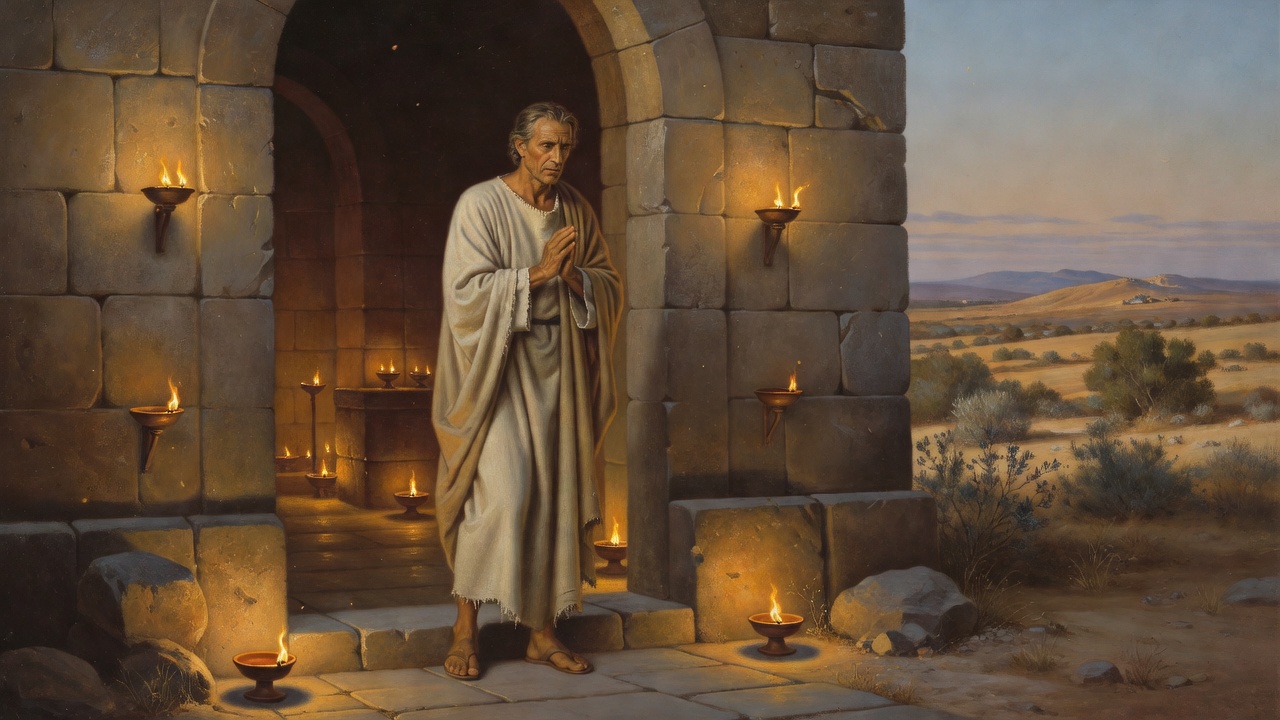
The Prosperity of the Wicked and the Sanctuary
- Psalm 73 begins Book III of the Psalter and is attributed to Asaph, a Levite musician and seer who served as one of King David's choir leaders. A group of twelve psalms (Psalm 50 and 73–83) is associated with him and his guild of singers.Sources: Asaph (Levite) · the Bible text itself
- The psalmist struggles with a deep crisis of faith, questioning the value of personal purity when seeing the carefree wealth and apparent lack of suffering among the wicked. This internal struggle only resolves when he enters the sanctuary of God, where he gains perspective on their eventual ruin.Sources: the Bible text itself
Notes written with AI assistance from open sources (Theographic Bible Metadata, CC BY-SA 4.0; Easton’s Bible Dictionary, public domain) and reviewed before publishing.
Credits and license for this translation
Translation for Translators
A Bible Translation for Bible Translators which makes implied information explicit in the text as an aid to the translator who may need that information to correctly translate into a particular language.
Copyright © 2008-2017 Ellis W. Deibler, Jr.
Language: English
Dialect: American
This translation is made available to you under the terms of the
Creative Commons Attribution Share-Alike license 4.0.
You have permission to share and redistribute this Bible translation in any format and to make reasonable revisions and adaptations of this translation, provided that:
You include the above copyright and source information.
If you make any changes to the text, you must indicate that you did so in a way that makes it clear that the original licensor is not necessarily endorsing your changes.
If you redistribute this text, you must distribute your contributions under the same license as the original.
Pictures included with Scriptures and other documents on this site are licensed just for use with those Scriptures and documents.
For other uses, please contact the respective copyright owners.
Note that in addition to the rules above, revising and adapting God's Word involves a great responsibility to be true to God's Word. See Revelation 22:18-19.
2026-10-02
Source: http://ebible.org/eng-t4t/ · eBible.org