Job 35
Revised Version with Apocrypha (1895) · Tap a verse to see its cross-references.
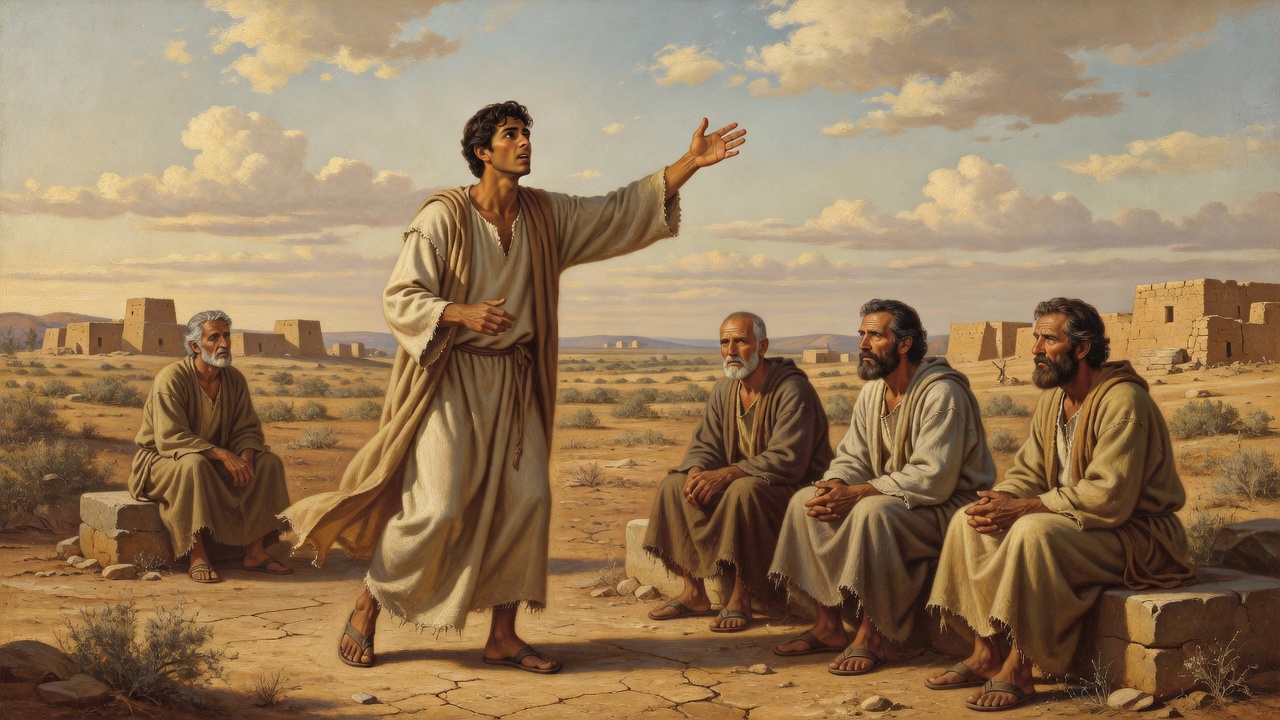
Elihu Recalls God’s Justice
1Moreover Elihu answered and said, 2Thinkest thou this to be thy right, or sayest thou, My righteousness is more than God’s, 3That thou sayest, What advantage will it be unto thee? and, What profit shall I have, more than if I had sinned? 4I will answer thee, and thy companions with thee. 5Look unto the heavens, and see; and behold the skies, which are higher than thou. 6If thou hast sinned, what doest thou against him? and if thy transgressions be multiplied, what doest thou unto him. 7If thou be righteous, what givest thou him? or what receiveth he of thine hand? 8Thy wickedness may hurt a man as thou art; and thy righteousness may profit a son of man. 9By reason of the multitude of oppressions they cry out; they cry for help by reason of the arm of the mighty. 10But none saith, Where is God my Maker, who giveth songs in the night; 11Who teacheth us more than the beasts of the earth, and maketh us wiser than the fowls of heaven? 12There they cry, but none giveth answer, because of the pride of evil men. 13Surely God will not hear vanity, neither will the Almighty regard it. 14How much less when thou sayest thou beholdest him not, the cause is before him, and thou waitest for him! 15But now, because he hath not visited in his anger, neither doth he greatly regard arrogance; 16Therefore doth Job open his mouth in vanity; he multiplieth words without knowledge.
Did you know?
Elihu on God's Independence and Human Cry
- Elihu intervenes after the debate between Job and his three companions has ended, offering an extended series of speeches across chapters 32 through 37.Sources: Elihu · the Bible text itself
- In this chapter, Elihu argues for God's transcendence by asking Job to observe the heavens and the clouds, asserting that human sin does not harm God nor does human righteousness enrich Him.Sources: the Bible text itself
- Elihu also addresses why cries for help under oppression sometimes go unanswered, contending that people often cry out purely for relief from pain rather than seeking God their Maker in true humility.Sources: the Bible text itself
Notes written with AI assistance from open sources (Theographic Bible Metadata, CC BY-SA 4.0; Easton’s Bible Dictionary, public domain) and reviewed before publishing.
Credits and license for this translation
Revised Version with Apocrypha (1895)
The Revised Version of the Holy Bible (1895) with Apocrypha
Public Domain
Language: English
Dialect: archaic British
This work is in the Public Domain. You may copy and use it freely.
2026-10-02
Section headings adapted from the Berean Standard Bible (public domain); they are not part of this translation’s text.
Source: http://ebible.org/eng-rv/ · eBible.org