Proverbs 10
Brenton Septuagint Translation · Tap a verse to see its cross-references.
Solomon’s Proverbs: The Wise Son
1A wise son makes his father glad: but a foolish son is a grief to his mother. 2Treasures shall not profit the lawless: but righteousness shall deliver from death. 3The Lord will not famish a righteous soul: but he will overthrow the life of the ungodly.
4Poverty brings a man low: but the hands of the vigorous make rich. 4A son who is instructed shall be wise, and shall use the fool for a servant. 5A wise son is saved from heat: but a lawless son is blighted of the winds in harvest.
6The blessing of the Lord is upon the head of the just: but untimely grief shall cover the mouth of the ungodly. 7The memory of the just is praised; but the name of the ungodly man is extinguished. 8A wise man in heart will receive commandments; but he that is unguarded in his lips shall be overthrown in his perverseness. 9He that walks simply, walks confidently; but he that perverts his ways shall be known. 10He that winks with his eyes deceitfully, procures griefs for men; but he that reproves boldly is a peacemaker. 11There is a fountain of life in the hand of a righteous man; but destruction shall cover the mouth of the ungodly.
12Hatred stirs up strife; but affection covers all that do not love strife. 13He that brings forth wisdom from his lips smites the fool with a rod. 14The wise will hide discretion; but the mouth of the hasty draws near to ruin. 15The wealth of rich men is a strong city; but poverty is the ruin of the ungodly. 16The works of the righteous produce life; but the fruits of the ungodly produce sins. 17Instruction keeps the right ways of life; but instruction unchastened goes astray.
18Righteous lips cover enmity; but they that utter railings are most foolish. 19By a multitude of words thou shalt not escape sin; but if thou refrain thy lips thou wilt be prudent. 20The tongue of the just is tried silver; but the heart of the ungodly shall fail. 21The lips of the righteous know sublime truths: but the foolish die in want. 22The blessing of the Lord is upon the head of the righteous; it enriches him, and grief of heart shall not be added to it.
23A fool does mischief in sport; but wisdom brings forth prudence for a man.
24The ungodly is engulphed in destruction; but the desire of the righteous is acceptable. 25When the storm passes by, the ungodly vanishes away; but the righteous turns aside and escapes for ever. 26As a sour grape is hurtful to the teeth, and smoke to the eyes, so iniquity hurts those that practise it. 27The fear of the Lord adds length of days: but the years of the ungodly shall be shortened. 28Joy rests long with the righteous: but the hope of the ungodly shall perish. 29The fear of the Lord is a strong hold of the saints: but ruin comes to them that work wickedness.
30The righteous shall never fail: but the ungodly shall not dwell in the earth. 31The mouth of the righteous drops wisdom: but the tongue of the unjust shall perish. 32The lips of just men drop grace: but the mouth of the ungodly is perverse.
Did you know?
The Proverbs of Solomon and Practical Wisdom
- Chapter 10 marks the beginning of a collection directly attributed to King Solomon, transitioning from longer instructional poems to concise two-line maxims that contrast the ways of the righteous and the wicked.Sources: the Bible text itself · Solomon
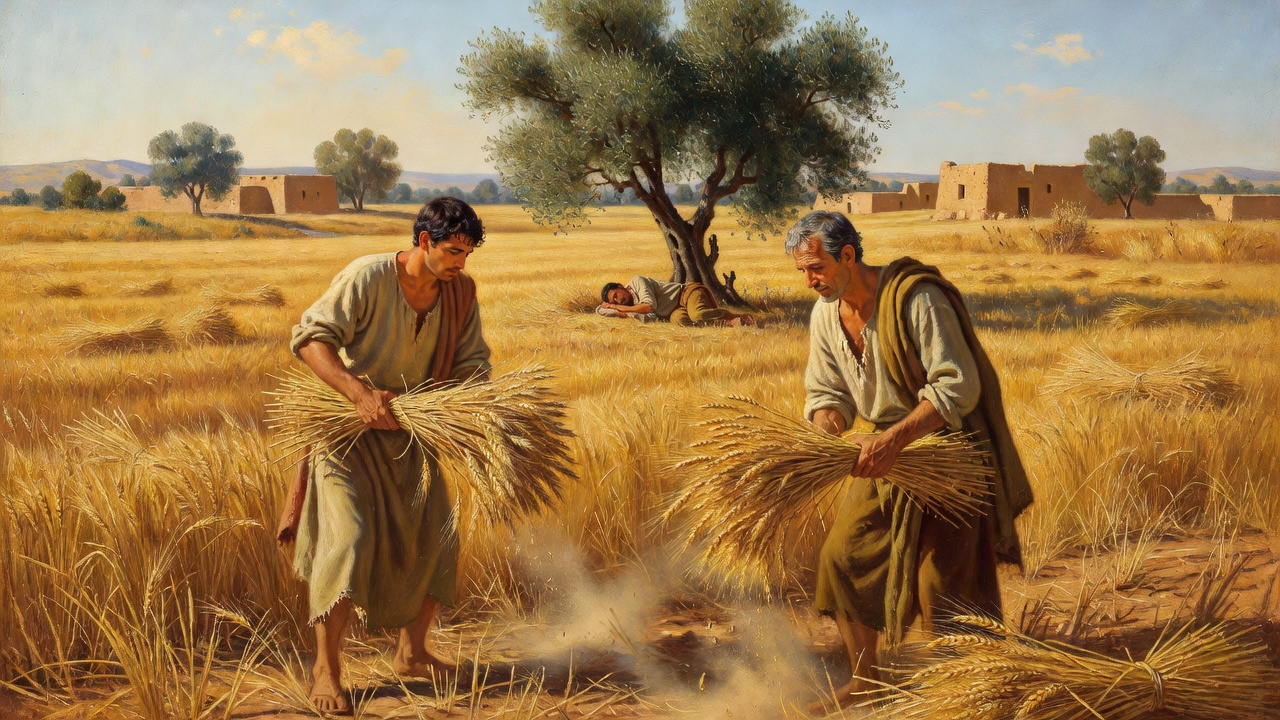
- Many sayings in this section draw from agrarian life, using the seasonal rhythm of summer gathering and harvest labor to illustrate how diligence leads to stability while laziness brings shame and poverty.Sources: the Bible text itself
- The chapter places a strong emphasis on speech, comparing the words of the wise to a fountain of life and choice silver, while warning that uncontrolled or deceitful speech brings strife and ruin.Sources: the Bible text itself
Notes written with AI assistance from open sources (Theographic Bible Metadata, CC BY-SA 4.0; Easton’s Bible Dictionary, public domain) and reviewed before publishing.
Credits and license for this translation
Translation of the Greek Septuagint into English by Sir Lancelot Charles Lee Brenton
Published in 1851, and now in the Public Domain.
If you find errors in the text, please report them so that we can correct them.
Section headings adapted from the Berean Standard Bible (public domain); they are not part of this translation’s text.
Source: http://ebible.org/eng-Brenton/ · eBible.org