Matthew 9
Ãcõrẽ Bed̶ea · Tap a verse to see its cross-references.
Jesuba ẽberã cacua beu b̶ʌ biabid̶a
1Jesura jãbad̶e b̶adoped̶a wayacusa amene droma quĩrãrã chãped̶a idji b̶abari purud̶e jũẽsia. 2Mama ẽberã cacua beu b̶ʌda idji cʌd̶ad̶e Jesumaa enesid̶aa. Jesuba unusia maʌ̃ ẽberã eneped̶ad̶aba wãrãda ĩjã panʌda idjia dji cacua beu b̶ʌra poya biabida. Maʌ̃ carea Jesuba dji cacua beu b̶ʌ́a jarasia:
–Sobiadua, cũdra. Bʌa cadjirua od̶ara mʌ̃a quĩrãdoasia.–
3Mama judiorã ley jaradiabadarãda ʌ̃cʌrʌ panasid̶aa. Maʌ̃gʌrãba crĩchasid̶aa: “Idjira Ãcõrẽ quĩrãpita biẽ́ bed̶ea b̶ʌa.” 4Baribʌrʌ ãdjia crĩcha panʌra Jesuba cawasia. Maʌ̃ carea jarasia:
–Bãrãba ¿cãrẽ cãrẽã jãwã biẽ́ crĩcha panʌ? 5Bãrãmaarã ¿sãʌ̃gʌda zareaara b̶ʌ? ¿Cadjirua od̶ara quĩrãdoayad̶a aida wa naʌ̃ ẽberã cacua beu b̶ʌra piradrʌbiped̶a nĩbabida? 6Ãcõrẽba mʌ̃, Naʌ̃ Djara Edad̶ara b̶ʌsia naʌ̃ ẽjũãne duanʌba cadjirua obadara quĩrãdoamãrẽã. Maʌ̃ra bãrãa unubiya.–
Ara maʌ̃da dji cacua beu b̶ʌ́a nãwã jarasia:
–Piradrʌdua. Bʌ cʌd̶ara edaped̶a diguid̶aa wãdua.–
7Ara maʌ̃da dji cacua beu b̶ad̶ara pirab̶ariped̶a diguid̶aa wãsia. 8Maʌ̃ unusid̶ad̶e dji arima b̶eara ne wayasid̶aa. Baribʌrʌ Ãcõrẽa bia bed̶easid̶aa idji ʌb̶ʌada diad̶a bẽrã ẽberãba cacua biẽ́ b̶eara biabimãrẽã.
Jesuba Mateo trʌ̃na
9Jesu mamaʌba wãbʌrʌd̶e ẽberã Mateo abadada unusia. Maʌ̃ ẽberãra Romanebema boro itea parata diabada ded̶e chũmasia. Jesuba Mateoa jarasia:
–Mʌ̃ ume zedua.–
Ara maʌ̃da Mateora piradrʌped̶a Jesu ume wãsia.
10Mãwãnacarea Jesura Mateo ded̶e ne co b̶asia. Jesu ume nĩbabadarãda, Romanebema boro itea parata jʌrʌ pebadarãda, judiorã ley igara b̶ea sid̶a Jesu ume ne co duanasid̶aa. 11Ʌ̃cʌrʌ pariseorãba maʌ̃gʌra unusid̶aa. Maʌ̃ carea Jesu ume nĩbabadarãa iwid̶isid̶aa:
–Bãrãa jaradiabarira ¿cãrẽ cãrẽã Romanebema boro itea parata jʌrʌ pebadarã ume, dewara cadjirua obadarã ume bid̶a ne co chũmʌ?–
12Ãdjia mãwã iwid̶ibʌdada Jesuba ũrĩped̶a jarasia:
–Cacua bia b̶eaba nẽãrã diabarira jʌrʌd̶acaa. Dji cacua biẽ́ b̶eabʌrʌ jʌrʌbadaa. 13Naʌ̃ bed̶eaba cãrẽda jara b̶ʌda cawad̶e wãnadua: “Animarã babue diad̶i cãyãbara mʌ̃a quĩrĩã b̶ʌa bãrãba djãrã quĩrã djuburiad̶ida.” Mʌ̃ra jipa b̶ea trʌ̃i carea zeẽ́ b̶ʌa, ãtebʌrʌ cadjirua obadarãda trʌ̃ b̶ʌa Ãcõrẽmaa zed̶amãrẽã.–
Ne cod̶aca ewarid̶ebema
14Mãwãnacarea Borocuebari Juaʌ̃ ume nĩbabadarãda Jesumaa zed̶aped̶a iwid̶isid̶aa:
–Daiba, pariseorã bid̶a ara cadrʌa ne cod̶aca ewarira obadaa, baribʌrʌ bʌ ume nĩbabadarãba ¿sãwãẽrã od̶aca?–
15Jesuba ãdjía jarasia:
–Umaquĩrãba wẽrã edabʌrʌd̶e ¿caida sopua b̶ai? Maʌ̃ umaquĩrãra wad̶ibid̶a idjia ed̶od̶arã ume b̶ʌmisa b̶ʌsrid̶a panania. Baribʌrʌ ewari ab̶a dewara ẽberãrãba idjira ãyã eded̶ia. Maʌ̃bebʌrʌ idjia ed̶od̶arãba ne cod̶aca ewarira od̶ia.
16Dadjirãba jʌ̃bada dji sore cõã b̶ʌmaa wua djiwid̶ida cajud̶acaa. Mãwã od̶ibʌrʌ djiwid̶i cajud̶a erreb̶aribʌrʌba dji wua sorera waib̶ʌara cõãya. 17Idjab̶a ni ab̶aʌba uva b̶a djiwid̶ira animarã e od̶a dji sored̶e tʌd̶acaa. Mãwã od̶ibʌrʌ aseabʌrʌd̶e animarã e od̶a dji sorera cõãya. Maʌ̃be uva b̶ara, animarã e od̶a sid̶a aduaya. Maʌ̃ carea uva b̶a djiwid̶ira animarã e od̶a djiwid̶id̶e tʌd̶ida panʌa. Mãwã umena dãrã droad̶ia.–
Jesuba wẽrãcau biabid̶a
18Jesuba mãwã jaradia b̶ʌd̶e judio dji dromada zesia. Maʌ̃ ẽberãra Jesu quĩrãpita b̶arru cob̶eped̶a jarasia:
–Mʌ̃ caura aretewa jaid̶ab̶arisia. Baribʌrʌ bʌda wãsira bʌ jʌwada idji ʌ̃rʌ̃ b̶ʌibʌrʌ ʌ̃rẽbaya.–
19Jesura piradrʌped̶a maʌ̃ ẽberã ume wãsia. Idji ume nĩbabadarã sid̶a wãsid̶aa. 20Ãdjirã tãẽna wẽrã doce poa oamiaba jida b̶ʌda nĩbasia. Maʌ̃ wẽrãba nãwã crĩchasia: “Mʌ̃a idjia jʌ̃ b̶ʌda tãibʌrʌ mʌ̃ra biaya.” Maʌ̃ bẽrã Jesu jẽdaareba wãped̶a idjia jʌ̃ b̶ʌ id̶e tãsia. 22Jesuba jẽda acʌbʌrʌd̶e wẽrã unuped̶a nãwã jarasia:
–Cau, b̶ʌsrid̶adua. Wãrãda biaida ĩjãna bẽrã bʌra biasia.–
Ara maʌ̃da wẽrãra bia b̶esia.
23Jesu judio dji droma ded̶e jũẽsid̶e chiru zabadarãda idjab̶a aujĩãbadarã sid̶a unusia. 24Jesuba ãdjía jarasia:
–Ãyã wãnadua. Wẽrãcaura jaid̶aẽ́ b̶ʌa, ãtebʌrʌ cãĩ b̶ʌa.–
Maʌ̃ carea ẽberãrãba idjimaa acʌd̶aped̶a ipid̶asid̶aa. 25Baribʌrʌ ẽberãrãra ãyã jʌretacuaped̶a Jesura ded̶e ed̶a wãsia. Maʌ̃be wẽrãcau jʌwad̶e jidaped̶a pirab̶aribisia. 26Jesuba od̶ad̶ebemada jũma maʌ̃ druad̶e ũrĩsid̶aa.
Jesuba daub̶errea b̶ea biabid̶a
27Jesu mamaʌba wãsid̶e daub̶errea b̶eada umé idji caid̶u b̶ia zesid̶aa. Maʌ̃ ẽberãrãba jĩgua jarasid̶aa:
–¡Jesu, David̶eba zed̶a, daira quĩrã djuburiadua!–
28Jesu diguid̶aa jũẽsid̶e maʌ̃ daub̶errea panʌra idjimaa zesid̶aa. Maʌ̃be Jesuba ãdjía iwid̶isia:
–¿Bãrãba wãrãda ĩjã panʌca mʌ̃a bãrãra poya biabida?–
Ãdjia panusid̶aa:
–Mãẽ, dai Boro.–
29Maʌ̃be Jesuba ãdji daud̶e tãped̶a jarasia:
–Bãrãba ĩjã panʌ quĩrãca mʌ̃a oya.–
30Ara maʌ̃da ãdji daura biasid̶aa. Maʌ̃be Jesuba bio jara b̶ʌsia maʌ̃nebemada ni ab̶aʌa nẽbʌrʌrãnamãrẽã. 31Baribʌrʌ ded̶eba ẽdrʌd̶aped̶a Jesuba ãdji ume od̶ada jũma maʌ̃ druad̶e jara wãsid̶aa.
32Ara daub̶errea panana ẽdrʌbʌdad̶e dewararãba ẽberã quĩrãme cara b̶ʌ jai bara b̶ʌda enesid̶aa. 33Jesuba maʌ̃ jai jʌretad̶acarea ẽberã quĩrãme cara b̶ad̶ara bed̶easia. Ẽberãrã mama duanʌba cawa crĩchad̶aẽ́ basía. Nãwã jarasid̶aa:
–Israel druad̶e wad̶ibid̶a naʌ̃ quĩrãca ununaca basía.–
34Baribʌrʌ pariseorãba jara duanasid̶aa:
–Jãʌ̃ Jesuba jaira ãyã jʌretabaria, jairã boro Beelzebúba maʌ̃ ʌb̶ʌada diad̶a bẽrã.–
Néu waib̶ʌa waraga b̶ʌra ¿cairãba ewad̶i?
35Mãwãnacarea Jesura puru waib̶ʌa b̶eaza, puru zaque b̶eaza pʌrrʌa wãsia. Judiorã dji jʌrebada deza jarabadjia Ãcõrẽra ãdji Boro bai carea zebʌrʌda. Maʌ̃ bed̶ea bia jaradia nĩne jũma cacua biẽ́ b̶eara, cacua pua b̶ea sid̶a biabicuasia. 36Idjia ẽberãrã cãbana unusid̶e mĩã djuburi unusia. Ne jũmane bia mĩga b̶easia idjab̶a ãdub̶a b̶easia. Oveja dji wagabari neẽ́ qued̶ea quĩrãca panasid̶aa. 37Maʌ̃ne idji ume nĩbabadarãa nãwã jarasia:
–Wãrãda naʌ̃ ẽberãrãra néu waib̶ʌa waraga tab̶ʌ quĩrãca b̶eaa. Baribʌrʌ dji ewabadarãda zocãrãẽ́be panʌa. 38Maʌ̃ bẽrã Néu Djibaría iwid̶id̶adua ewabadarãda idji néumaa diabuemãrẽã.–
Did you know?
Mercy, Healing, and New Wine
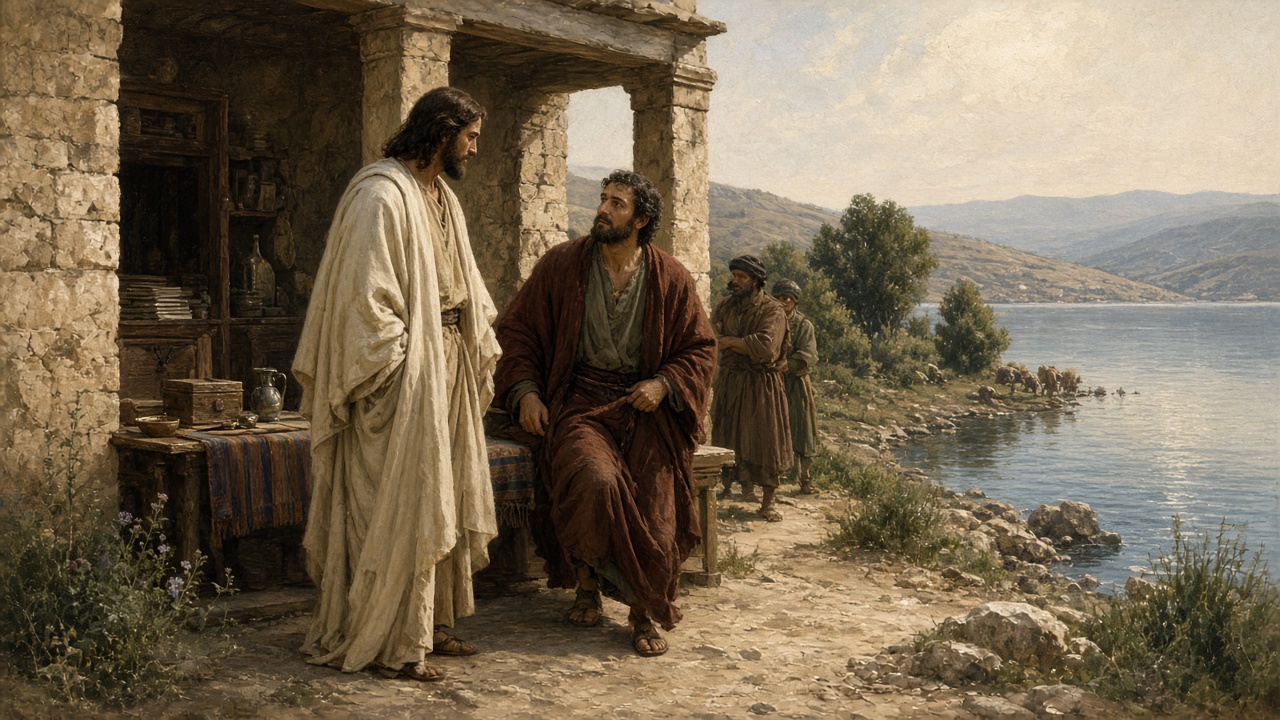
- Matthew, son of Alphaeus, was a publican, or tax collector, at Capernaum. Jesus, coming up from the side of the lake, passed the custom-house where Matthew sat and said, “Follow me.” He had formerly been known as Levi; that same day he gave a great feast, described as a farewell, for Jesus, the disciples, and probably many of his old associates.Sources: Matthew · the Bible text itself
- Those who ask why they and the Pharisees fast so often, while Jesus’ disciples do not, are disciples of John the Baptist. John is called the forerunner; he was of priestly descent, his father Zacharias a priest of the course of Abia and his mother Elisabeth one of the daughters of Aaron.Sources: John the Baptist · the Bible text itself
- One chronology places the healing of the paralyzed man, the call of Matthew, the question about fasting, and the parable of the wineskins in AD 28.Sources: Healing the Man with Palsy · Jesus Calls Matthew · Fasting Question · Parable of the Winseskins
Notes written with AI assistance from open sources (Theographic Bible Metadata, CC BY-SA 4.0; Easton’s Bible Dictionary, public domain) and reviewed before publishing.
Places in this chapter
- Sea of Galilee · 32.819, 35.590 · verse 1
Only places identified with high confidence are shown (90% or more according to the scholarly sources compiled by OpenBible). Period map: DARE (Digital Atlas of the Roman Empire), CC BY 4.0; modern map: © OpenStreetMap contributors; places: OpenBible.info (CC BY 4.0).
Credits and license for this translation
Ãcõrẽ Bed̶ea
New Testament in Emberá, Northern (PM:emp:Emberá, Northern)
copyright © 2011 Wycliffe Bible Translators, Inc.
Language: Emberá, Northern
Translation by: Wycliffe Bible Translators, Inc.
Copyright Information
© 2011, Wycliffe Bible Translators, Inc. All rights reserved.
This translation text is made available to you under the
terms of the Creative Commons License: Attribution-Noncommercial-No Derivative Works.
( http://creativecommons.org/licenses/by-nc-nd/3.0/ )
In addition, you have permission to port the text to different file formats, as long as you
do not change any of the text or punctuation of the Bible.
You may share, copy, distribute, transmit, and extract portions
or quotations from this work, provided that you include the above copyright
information:
You must give Attribution to the work.
You do not sell this work for a profit.
You do not make any derivative works that change any of the actual words or punctuation of the Scriptures.
Permissions beyond the scope of this license may be
available if you contact
us with your request.
The New Testament
in Emberá, Northern
© 2011, Wycliffe Bible Translators, Inc. All rights reserved.
This translation is made available to you under the terms of the
Creative Commons Attribution-Noncommercial-No Derivatives license 4.0.
You may share and redistribute this Bible translation or extracts from it in any format, provided that:
You include the above copyright and source information.
You do not sell this work for a profit.
You do not change any of the words or punctuation of the Scriptures.
Pictures included with Scriptures and other documents on this site are licensed just for use with those Scriptures and documents.
For other uses, please contact the respective copyright owners.
2014-04-24
Source: http://ebible.org/empNTpo/ · eBible.org