Matthew 10
Ãcõrẽ Bed̶ea · Tap a verse to see its cross-references.
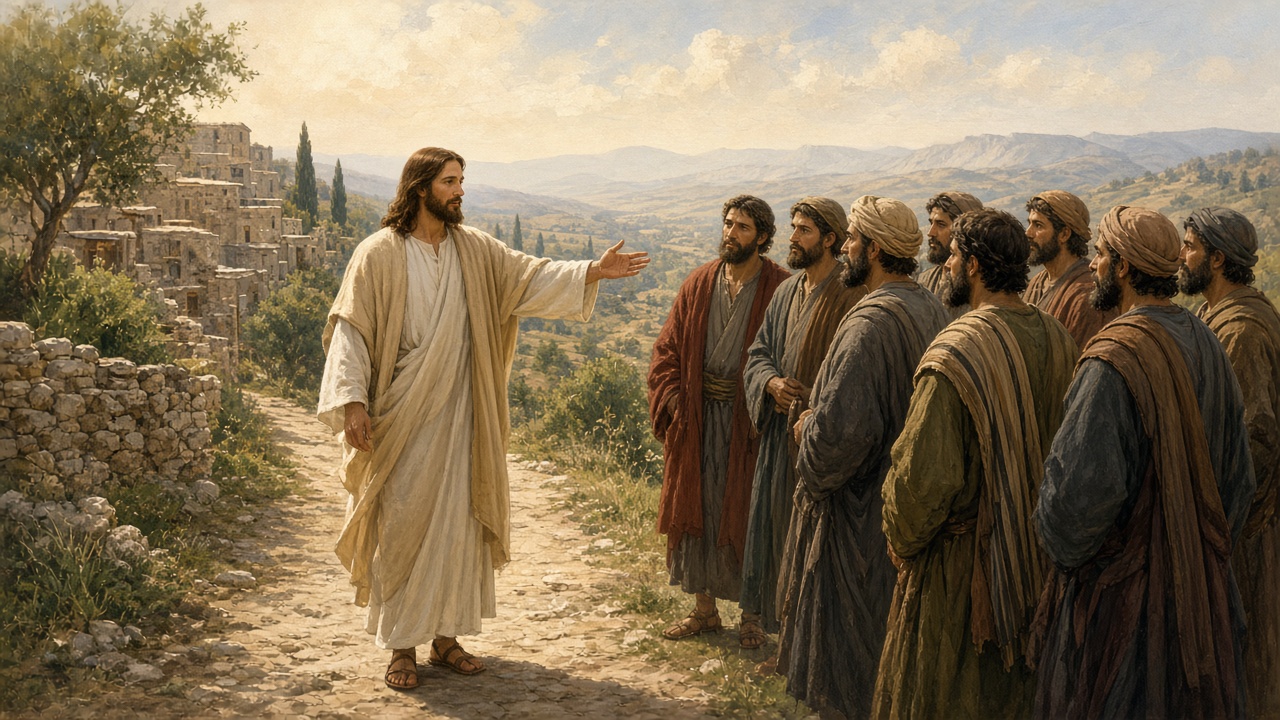
Jesuba doce diabued̶arã
1Jesuba idji ume nĩbabadarã doce panʌra ãbaa trʌ̃sia. Maʌ̃be ãdjirãa ʌb̶ʌada diasia jaida ãyã jʌretad̶amãrẽã, idjab̶a cacua biẽ́ b̶eada, cacua pua b̶ea sid̶a biabid̶amãrẽã. 2Jesuba diabued̶arã doce panʌra naʌ̃gʌrã basía: Simoʌ̃, Pedro abadada; dji djaba Andre; Zebedeo warrarã Santiago idjab̶a Juaʌ̃; 3Pelipe; Bartolomé; Tomá; Romanebema boro itea parata jʌrʌ pebari bad̶a Mateo; Alpeo warra Santiago; Tadeo; 4idjab̶a Simoʌ̃ Cananeo. Idjab̶a b̶asia Juda Iscariote, Jesu jidabid̶ada. 5Maʌ̃ doce ẽberãrãra Jesuba wãbigasia. Baribʌrʌ wãni naẽna idjia jarasia:
–Judiorãẽ́maa, Samaria puru b̶ead̶e bid̶a wãrãnadua. 6Ãtebʌrʌ judiorãmaa, israelerã oveja aduá b̶ea quĩrãca panʌmaa wãnadua. 7Bãrã wãbʌdaza jarad̶adua Ãcõrẽra jũẽsida jũmarã Boro bai carea. 8Maʌ̃ bẽrã cacua biẽ́ b̶eara biabid̶adua, beuped̶ad̶ara ʌ̃rẽbabid̶adua, aid̶a bara b̶eara biabid̶adua, jaira ãyã jʌretad̶adua. Mãwã od̶amãrẽã mʌ̃a bãrãa ʌb̶ʌada bari diabʌrʌa. Maʌ̃ bẽrã ẽberãrãra bari carebad̶adua. 9Bãrãba o panʌbari Ãcõrẽba ne diaya. Maʌ̃ carea orora, parata torrora ni maãrĩ bid̶a ederãnadua. Bãrã wãbʌdad̶e buchacara ederãnadua. Bãrãba jʌ̃ panʌ awa eded̶adua. Jĩrũne jʌ̃badara, bardona sid̶a ederãnadua.
11Bãrã puru waib̶ʌad̶e wa puru zaqued̶e jũẽbʌdad̶e bãrã bia edai ẽberãda jʌrʌd̶adua. Maʌ̃ ẽberã ded̶e pananadua ab̶a purud̶eba ẽdrʌbʌdad̶aa. 12Maʌ̃ ded̶e ed̶a wãbʌdad̶e Ãcõrẽ trʌ̃neba dji ẽberãrãa jarad̶adua necai pananamãrẽã. 13Maʌ̃ ded̶ebemarãba bãrãda bia edad̶ibʌrʌ, necai panania. Baribʌrʌ bia edad̶aẽ́bʌrʌ, necai pananaẽ́a. 14Ab̶aʌba bãrãda bia edaẽ́bʌrʌ, wa bãrã bed̶eada ũrĩ quĩrĩãẽ́bʌrʌ, mamaʌba ẽdrʌd̶adua. Ãdji ded̶eba wa purud̶eba ẽdrʌbʌdad̶e egoro pora bãrã jĩrũne b̶ʌra jãrãpetad̶adua. 15Wãrã arada mʌ̃a jaraya: Ãcõrẽba cawa oi ewarid̶e Sodoma, Gomorra puru cãyãbara maʌ̃ purura wetara cawa oya.
Jesu ĩjã b̶ea mĩgad̶id̶ebema
16Mʌ̃a bãrãra ẽberã cadjirua tãẽna diabuebʌrʌa. Ãdjirãba bãrãra biẽ́ od̶ia usa cadrʌaba oveja orrabari quĩrãca. Maʌ̃ carea ãdjirã tãẽna panʌne dama quĩrãca crĩcha cawaad̶eba nĩbad̶adua, baribʌrʌ puchirã quĩrãca ʌ̃mʌ̃mʌ̃rʌ̃ã b̶ead̶adua. 17Ẽberãrã tãẽna quĩrãcuita b̶ead̶adua. Ãdjirãba bãrãra dji bororãmaa jida eded̶aped̶a dji jʌrebada ded̶e u jidad̶ia. 18Mʌ̃ ĩjã panʌ carea bãrãra dji dromarã quĩrãpita, dji bororã quĩrãpita bid̶a eded̶ia. Maʌ̃ne bãrãba ãdjirã quĩrãpita, judiorãẽ́ quĩrãpita bid̶a mʌ̃nebemada bed̶ead̶ia. 19Bãrã jida edebʌdad̶e sopuarãnadua sãwã bed̶ead̶ida. Dji bororã quĩrãpita panʌne Ãcõrẽba cawabiya cãrẽda jarad̶ida panʌda. 20Maʌ̃ bed̶eabʌdad̶e bãrã crĩchad̶eba bed̶ead̶aẽ́a, ãtebʌrʌ bãrã Zeza Jaureda bãrãneba bed̶eaya.
21Ab̶aʌba ara idji djabada beabiya mʌ̃ ĩjã b̶ʌ carea. Dewaraba idji warrada beabiya idjab̶a warrarãda ãdji djibarirã ume biẽ́ panenaped̶a beabid̶ia. 22Jũmarãba bãrãra quĩrãmania mʌ̃ ĩjã panʌ carea. Baribʌrʌ bãrãba maʌ̃ ewari zaread̶e mʌ̃ ĩjã panʌda idu b̶ʌd̶aẽ́bʌrʌ, Ãcõrẽba ẽdrʌ edaya. 23Puru ab̶aʌd̶e ẽberãrãba bãrãda biẽ́ od̶i carea ẽpẽnibʌrʌ, dewara purud̶aa mĩrũ wãnadua. Wãrãda mʌ̃a jaraya: bãrã Israeld̶ebema puru b̶eaza jũma pʌrrʌad̶i naẽna mʌ̃, Naʌ̃ Djara Edad̶ara zeya.
24Ne cawa quĩrĩã b̶ʌra dji jaradiabari cãyãbara ne cawaara b̶ʌẽ́a. Baribʌrʌ dji jaradiabari quĩrãca b̶aibʌrʌ, bia b̶ʌa. Nezoca sid̶a idji boro cãyãbara aud̶uara b̶ʌẽ́a. Baribʌrʌ idji boro quĩrãca b̶aibʌrʌ, bia b̶ʌa. Mʌ̃ra jairã boro Beelzebú a panʌbʌrʌ, bãrãra ara maʌ̃ quĩrãca jarad̶ia.
¿Caida wayad̶ida panʌ?
26Ẽberãrãda wayarãnadua. Ne jũma ebud̶a b̶ʌẽ́ra mẽrã b̶eẽ́a. Dadjia cawad̶aẽ́ panʌra Ãcõrẽba ebud̶a cawabiya. 27Mʌ̃a bãrãa pãĩmane jara b̶ʌra ʌ̃naane jarad̶adua. Mʌ̃a bãrã cʌwʌrʌ caita jarad̶ara de ʌ̃rʌ̃ba jĩgua jarad̶adua. 28Ẽberãrãda wayarãnadua. Ãdjia naʌ̃ cacuada poya bead̶ia baribʌrʌ dadji jaureda poya bead̶aẽ́a. Ãtebʌrʌ naʌ̃ cacua, dadji jaure tʌbʌ uruad̶e babueida b̶ʌdrʌ wayad̶adua. 29Ĩbana zaqueda umé nẽdod̶i carea parata pichida ab̶a diabadaa. Baribʌrʌ bãrã Zeza bajãne b̶ʌba iduaribiẽ́bʌrʌ, ni ab̶aʌ ĩbanada beuẽ́a. 30Maʌ̃ awara Ãcõrẽba cawa b̶ʌa bãrãba bud̶ara jũmasãwã eropanʌda. 31Ãcõrẽba bãrãra ĩbana zocãrã panʌ cãyãbara biara waga b̶ʌ bẽrã ne wayad̶iẽ́ panʌa.
Jesu carea quĩrã peraiẽ́ b̶ʌ
32Ab̶aʌba ẽberãrã quĩrãpita mʌ̃da ĩjã b̶ʌad̶a aibʌrʌ, mʌ̃ Zeza bajãne b̶ʌ quĩrãpita mʌ̃a idjira mʌ̃reana aya. 33Ara maʌ̃ quĩrãca ab̶aʌba ẽberãrã quĩrãpita mʌ̃da adua b̶ʌad̶a aibʌrʌ, mʌ̃a bid̶a mʌ̃ Zeza bajãne b̶ʌ quĩrãpita idjira adua b̶ʌad̶a aya.
¿Caida biara quĩrĩãnida panʌ?
34Crĩcharãnadua mʌ̃ra naʌ̃ ẽjũãnaa zesida ẽberãrã ãbaa necai b̶ʌi carea. Mʌ̃ra maʌ̃ carea zeẽ́ b̶ʌa, ãtebʌrʌ ze b̶ʌa ẽberãrãda ãbaa bia panarãnamãrẽã. 35Mʌ̃ra zesia warrada dji zeza ume biẽ́ b̶ʌi carea, cauda dji papa ume biẽ́ b̶ʌi carea, idjab̶a ãĩguda dji pãcõrẽ ume biẽ́ b̶ʌi carea. 36Bãrãba mʌ̃ ĩjã panʌ carea ara bãdji diguid̶a dji quĩrũda b̶ead̶ia. 37Ab̶aʌba dji zezada wa dji papada mʌ̃ cãyãbara biara quĩrĩã b̶ʌbʌrʌ, maʌ̃gʌra mʌ̃ ume poya nĩbaẽ́a. Ab̶aʌba dji warrada wa dji cauda mʌ̃ cãyãbara biara quĩrĩã b̶ʌbʌrʌ, maʌ̃gʌra mʌ̃ ume poya nĩbaẽ́a. 38Bia mĩgai carea b̶ʌẽ́bʌrʌ, poya mʌ̃ ume nĩbaẽ́a. 39Ab̶aʌda naʌ̃ ẽjũãne bia b̶eibʌrʌ, jĩrũare bia b̶aẽ́a. Baribʌrʌ ab̶aʌda mʌ̃ carea beuibʌrʌ Ãcõrẽ ume ewariza zocai b̶aya.
Ãcõrẽneba nebia edad̶id̶ebema
40Bãrã bia edabʌrʌba mʌ̃da bia edabʌrʌa. Mʌ̃ bia edabʌrʌba mʌ̃ Diabued̶ada bia edabʌrʌa. 41Ab̶aʌba Ãcõrẽneba bed̶eabarida cawaped̶a bia edaibʌrʌ, Ãcõrẽba idjid̶eba bed̶eabaría nebia diabari quĩrãca maʌ̃ ẽberãa diaya. Ẽberã jipa b̶ʌda ab̶aʌba cawaped̶a bia edaibʌrʌ, Ãcõrẽba ẽberã jipa b̶ʌ́a nebia diabari quĩrãca maʌ̃ ẽberãa diaya. 42Mʌ̃a jaraya: ab̶aʌba mʌ̃ ume nĩbabadarã dji ed̶aara b̶earã sid̶a cawaped̶a baido cũrãsada diaibʌrʌ, Ãcõrẽba wãrãda maʌ̃ ẽberãa nebiada diaya.–
Did you know?
The Twelve Sent on Mission
- Simon, called Peter, and his brother Andrew—the first pair named among the twelve—were fishermen from Bethsaida, on the western coast of the Sea of Galilee. James and John, listed next, were sons of Zebedee, a Galilean fisherman who had his own boats and hired servants.Sources: the Bible text itself · Simon Peter · Andrew · Zebedee
- Matthew, identified in the list as the tax collector, was the son of Alphaeus and had formerly been known as Levi; he collected taxes at Capernaum, and the name Matthew means “gift of God.” Thomas, named beside him, was also called Didymus, the Greek equivalent of the Hebrew name, meaning “twin.” Bartholomew means “son of Tolmai” and is generally supposed to have been the same person as Nathanael.Sources: the Bible text itself · Matthew · Thomas · Bartholomew
- Jesus warns that the day of judgment will be more bearable for Sodom and Gomorrah than for a town that refuses the twelve apostles. Easton's Bible Dictionary (1897) describes those cities of the plain of Siddim as destroyed by fire and proverbial for wickedness, and places them, probably close together, near the northern end of what is now the Dead Sea.Sources: the Bible text itself · Sodom · Gomorrah
Notes written with AI assistance from open sources (Theographic Bible Metadata, CC BY-SA 4.0; Easton’s Bible Dictionary, public domain) and reviewed before publishing.
Credits and license for this translation
Ãcõrẽ Bed̶ea
New Testament in Emberá, Northern (PM:emp:Emberá, Northern)
copyright © 2011 Wycliffe Bible Translators, Inc.
Language: Emberá, Northern
Translation by: Wycliffe Bible Translators, Inc.
Copyright Information
© 2011, Wycliffe Bible Translators, Inc. All rights reserved.
This translation text is made available to you under the
terms of the Creative Commons License: Attribution-Noncommercial-No Derivative Works.
( http://creativecommons.org/licenses/by-nc-nd/3.0/ )
In addition, you have permission to port the text to different file formats, as long as you
do not change any of the text or punctuation of the Bible.
You may share, copy, distribute, transmit, and extract portions
or quotations from this work, provided that you include the above copyright
information:
You must give Attribution to the work.
You do not sell this work for a profit.
You do not make any derivative works that change any of the actual words or punctuation of the Scriptures.
Permissions beyond the scope of this license may be
available if you contact
us with your request.
The New Testament
in Emberá, Northern
© 2011, Wycliffe Bible Translators, Inc. All rights reserved.
This translation is made available to you under the terms of the
Creative Commons Attribution-Noncommercial-No Derivatives license 4.0.
You may share and redistribute this Bible translation or extracts from it in any format, provided that:
You include the above copyright and source information.
You do not sell this work for a profit.
You do not change any of the words or punctuation of the Scriptures.
Pictures included with Scriptures and other documents on this site are licensed just for use with those Scriptures and documents.
For other uses, please contact the respective copyright owners.
2014-04-24
Source: http://ebible.org/empNTpo/ · eBible.org