Judges 4
Ãcõrẽ Bed̶ea · Tap a verse to see its cross-references.
Deborába Baraco ume Sisará poyaped̶ad̶a
1Ehud jaid̶ad̶acarea israelerãba wayacusa Ãcõrẽ quĩrãpita cadjiruada o panesid̶aa. 2Maʌ̃ carea Ãcõrẽba ãdjirãra cananeorã boro Jabiʌ̃ jʌwaed̶a b̶ʌsia. Jabiʌ̃ra Hazor purud̶e b̶abadjia. Jabiʌ̃ sordaorã borora Sisará basía. Maʌ̃ Sisarára Haroset-goiʌ̃ne b̶abadjia. 3Jabiʌ̃ba djõbada carreta jiorro od̶ada noveciento erob̶asia. Veinte poa israelerãra quĩrã djuburia neẽ́ bio bia mĩga erob̶asia. Maʌ̃ne israelerãba Ãcõrẽa quĩrã djuburiada iwid̶isid̶aa.
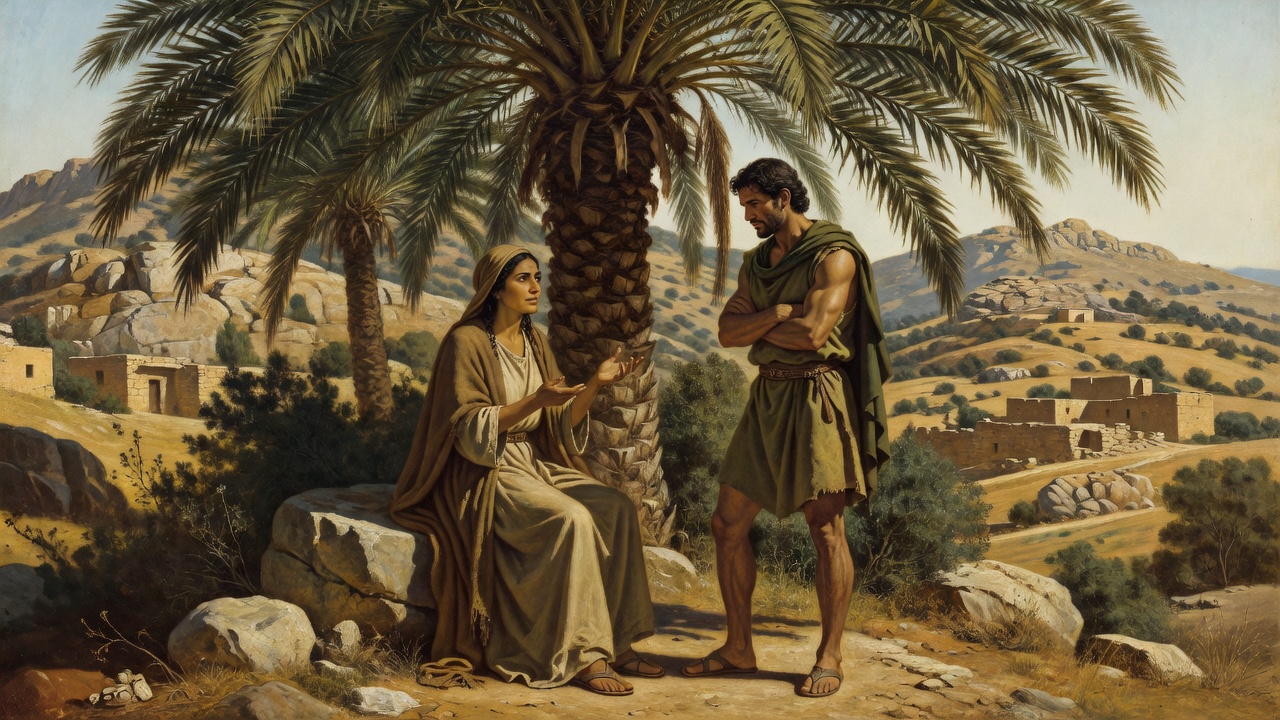
4Maʌ̃ ewarid̶e Deboráda israelerã cawa obari basía. Idjira Ãcõrẽneba bed̶eabadjia. Lapidot quima basía. 5Maʌ̃ Deborára Epraiʌ̃ eyaid̶a b̶ʌ druad̶e b̶abadjia Ramá puru idjab̶a Betel puru ẽsi. Israelerã nẽbʌrad̶e panʌne idjimaa wãbadjid̶aa cawa omãrẽã. Cawa obʌrʌd̶e Deborára urutaca b̶ʌ edre chũmabadjia. Maʌ̃ bẽrã maʌ̃ bacurura Deborá Uruta trʌ̃ b̶ʌsid̶aa.
6Ewari ab̶a Deborába Abinoaʌ̃ warra Baracoda trʌ̃bisia. Idjira Neptali druad̶e Quedé purud̶e b̶abadjia. Baraco zed̶acarea Deborába nãwã jarasia:
–Dadji israelerã Ãcõrẽba bʌ́a nãwã jara b̶ʌa: “Sordaorã Neptalid̶ebemada Zabuloʌ̃nebema sid̶a die mil ededua Tabor eyad̶aa. 7Mʌ̃a Jabiʌ̃ sordaorã boro Sisaráda bʌ ume djõne wãbiya. Dji carretad̶eba djõbadarãda, waabema sordaorã sid̶a eneya Quisoʌ̃ do zaqued̶aa. Baribʌrʌ mʌ̃a bʌ́a ãdjirãra poyabiya.”–
8Maʌ̃ne Baracoba Deboráa jarasia:
–Bʌda mʌ̃ ume wãibʌrʌ mʌ̃ra wãya. Bʌda wãẽ́bʌrʌ mʌ̃ sid̶a wãẽ́a.–
9Deborába jarasia:
–Bia b̶ʌa, mãẽteara mʌ̃ra bʌ ume wãya. Baribʌrʌ Sisará poyad̶acarea bʌra trʌ̃ b̶ʌgaẽ́a, Ãcõrẽba Sisarára wẽrãa poyabi bẽrã.–
Ara maʌ̃da Deborára Baraco ume Quedes purud̶aa wãsia. 10Mama Baracoba sordaorã Zabuloʌ̃nebemada, Neptalid̶ebema sid̶a die mil ãbaa jʌreped̶a Tabor eyad̶aa edesia. Deborá sid̶a idji ume wãsia.
11Maʌ̃ ewarid̶e quenita Hebere abadada Quedes puru caita b̶abadjia. Naẽna idjira waabema quenitarã ume b̶ad̶ada Zaanaim jewed̶ad̶e idji wua dera o erob̶asia. Maʌ̃ Heberera Moise zãwãrẽ Hobád̶eba yõna basía.
12Maʌ̃ne Sisarába ũrĩsia Abinoaʌ̃ warra Baracora idji sordaorã ume Tabor eyad̶aa wãsid̶ada. 13Maʌ̃ carea idji jiorro od̶a djõbada carreta noveciento panʌda, idji sordaorã sid̶a ãbaa jʌreped̶a Haroset-goiʌ̃neba Quisoʌ̃ do zaqued̶aa wãsid̶aa.
14Maʌ̃be Deborába Baracoa jarasia:
–¡Ãdjirã ume isabe djõne wãnadua! ¡Id̶ibʌrʌ Ãcõrẽba bʌ́a Sisarára poyabiya! ¡Ãcõrẽra bʌ na wãbʌrʌa!–
Ara maʌ̃da Baracora idji sordaorã die mil panʌ ume Tabor eyad̶eba ed̶aa djõne wãsid̶aa. 15Djõne wãbʌdad̶e Ãcõrẽba Sisarára, carretad̶eba djõbadarãra, waabema sordaorã sid̶a bio ne wayabisia. Maʌ̃ bẽrã Baracoba idji sordaorã ume necoba zocãrã quenasid̶aa. Baribʌrʌ Sisarára idji carretad̶eba ud̶u jʌ̃drʌped̶a mĩrũ pira wãsia. 16Maʌ̃ne Baracoba Sisará carretad̶eba djõbadarãra, waabema sordaorã sid̶a ẽpẽsid̶aa ab̶a Haroset-goiʌ̃naa. Mãwã Sisará sordaorãra jũma quenasid̶aa. Ni ab̶a bid̶a zocai b̶eẽ́ basía.
17Maʌ̃ ewarid̶e Hazord̶ebema boro Jabiʌ̃ra quenita Hebere ẽberãrã ume necai b̶asia. Maʌ̃ carea Sisarára ãdjimaa mĩrũ wãsia. Jũẽsid̶e wẽrã Jael abadaba idjira audiab̶arid̶e wãsia. Maʌ̃ wẽrãra Hebere quima basía. Jaelba nãwã jarasia:
–Mʌ̃ boro, diguid̶aa zedua. Ne wayarãdua.–
Ara maʌ̃da Sisarára Jael wua ded̶e ed̶aa wãped̶a tab̶esia. Maʌ̃ne Jaelba idjira borob̶aba ãnẽb̶ari b̶ʌsia. 19Sisarába jarasia:
–Mʌ̃ quĩrã djuburia baidoda diadua. Mʌ̃ra opichia b̶ʌa.–
Jaelba paca jub̶ada animarã e od̶ad̶e tʌ erob̶asia. Maʌ̃ra ewaped̶a paca jub̶ara diasia. Maʌ̃be Sisarára wayacusa ãnẽb̶ari b̶ʌsia.
20Sisarába jarasia:
–Wua ded̶e ed̶a wãbadama chũmedua. Bariduada zeped̶a nãwã iwid̶ibʌrʌ: “¿caida nama b̶ʌ?”, jaradua ẽberã neẽ́da.–
21Sisarára sẽ b̶ʌ bẽrã bio cãĩ b̶esia. Maʌ̃be Hebere quima Jaelba wua de egorod̶aa cachibada bacuru cũmiada, dji cachibada sid̶a edasia. Jaelera chupea ed̶a wãped̶a maʌ̃ bacuruba Sisará borora egorod̶aa wãyã cachi nũmʌsia. Mãwã Sisarára beasia.
22Baracoba Sisará jʌrʌ b̶ʌd̶e Jael purud̶e jũẽsia. Maʌ̃ne Jaelba idji audiab̶arid̶e wãped̶a nãwã jarasia:
–Zedua, bʌa jʌrʌ b̶ʌra mʌ̃a acʌbiya.–
Ara maʌ̃da Baracora Jael wua ded̶e ed̶a wãped̶a Sisarára beu tab̶ʌda unusia. Jaelba cachid̶a bacurura wad̶i Sisará borod̶e su nũmasia.
23Maʌ̃ ewarid̶e Ãcõrẽba israelerã quĩrãpita cananeorã boro Jabiʌ̃ra mãwã poyasia. 24Mamaʌba ʌ̃taa israelerãra cananeorã boro Jabiʌ̃ ume djõbʌdaza poyabadjid̶aa ab̶a idji beabʌdad̶aa.
Did you know?
Deborah, Barak, and the Defeat of Sisera
- Deborah is introduced as both a prophetess and a judge over Israel. Instead of leading from a military garrison, she held open court under a palm tree in the hill country of Ephraim between Ramah and Bethel, where Israelites came to seek her counsel and settle disputes.Sources: the Bible text itself · Deborah
- The battle pitted 10,000 foot soldiers from Naphtali and Zebulun against Sisera's formidable force of 900 iron chariots stationed along the Kishon riverbed near Harosheth-hagoyim. Iron chariots gave Canaanite forces significant dominance on flat terrain, but Barak's forces descended upon them from the elevated slopes of Mount Tabor.Sources: the Bible text itself · Harosheth-hagoyim · Kishon · Barak
- Sisera sought refuge with the Kenites because their chieftain Heber was at peace with King Jabin of Hazor. Nomadic women were traditionally responsible for pitching and maintaining tents, making Jael adept with the wooden pegs and mallets she ultimately used against Sisera.Sources: the Bible text itself · Jael · Heber · Sisera (army captain)
Notes written with AI assistance from open sources (Theographic Bible Metadata, CC BY-SA 4.0; Easton’s Bible Dictionary, public domain) and reviewed before publishing.
Places in this chapter
- Canaan · 32.767, 35.333 · verses 2, 23, 24
- Hazor · Today: Tel Hazor · 33.018, 35.569 · verses 2, 17
- Mount Tabor · Today: Jebel et Tur · 32.686, 35.393 · verses 6, 12, 14
Only places identified with high confidence are shown (90% or more according to the scholarly sources compiled by OpenBible). Period map: DARE (Digital Atlas of the Roman Empire), CC BY 4.0; modern map: © OpenStreetMap contributors; places: OpenBible.info (CC BY 4.0).
Credits and license for this translation
Ãcõrẽ Bed̶ea
New Testament in Emberá, Northern (PM:emp:Emberá, Northern)
copyright © 2011 Wycliffe Bible Translators, Inc.
Language: Emberá, Northern
Translation by: Wycliffe Bible Translators, Inc.
Copyright Information
© 2011, Wycliffe Bible Translators, Inc. All rights reserved.
This translation text is made available to you under the
terms of the Creative Commons License: Attribution-Noncommercial-No Derivative Works.
( http://creativecommons.org/licenses/by-nc-nd/3.0/ )
In addition, you have permission to port the text to different file formats, as long as you
do not change any of the text or punctuation of the Bible.
You may share, copy, distribute, transmit, and extract portions
or quotations from this work, provided that you include the above copyright
information:
You must give Attribution to the work.
You do not sell this work for a profit.
You do not make any derivative works that change any of the actual words or punctuation of the Scriptures.
Permissions beyond the scope of this license may be
available if you contact
us with your request.
The New Testament
in Emberá, Northern
© 2011, Wycliffe Bible Translators, Inc. All rights reserved.
This translation is made available to you under the terms of the
Creative Commons Attribution-Noncommercial-No Derivatives license 4.0.
You may share and redistribute this Bible translation or extracts from it in any format, provided that:
You include the above copyright and source information.
You do not sell this work for a profit.
You do not change any of the words or punctuation of the Scriptures.
Pictures included with Scriptures and other documents on this site are licensed just for use with those Scriptures and documents.
For other uses, please contact the respective copyright owners.
2014-04-24
Source: http://ebible.org/empNTpo/ · eBible.org