Judges 2
Ãcõrẽ Bed̶ea · Tap a verse to see its cross-references.

About this book
About Judges
- The book is called Judges because it contains the history of Israel's deliverance and government by the men who bore that title. Easton's Bible Dictionary (1897) sets their story in repeated times of servitude under neighboring peoples and of deliverance by the judges, and it states that the chronology of the whole period is uncertain.Sources: Easton: Judges, Book of
- Easton's Bible Dictionary (1897) holds that the author was most probably Samuel, and that the book was probably composed during Saul's reign or at the very beginning of David's reign. Easton notes that the words in Judges 18:30–31 imply a date after the Philistines took the ark and after it was set up at Nob, whereas in David's reign the ark was at Gibeon.Sources: Easton: Judges, Book of
- As Easton outlines it, the book has an introduction (1–3:6) linking it with the narrative in Joshua, a history of thirteen judges (3:7–16:31) in four periods, and an appendix (chapters 17–21) with no formal connection to what goes before. If Eli and Samuel are included, Easton counts fifteen judges.Sources: Easton: Judges, Book of
- Easton's outline presents the setting as a succession of servitudes: under Chushan-rishathaim of Mesopotamia, under Eglon of Moab, under Jabin of Hazor in Canaan, under Midian with Amalek and the children of the east, under the Ammonites together with the Philistines, and again under the Philistines. Gideon, also called Jerubbaal, begins what Easton calls the second period; Jephthah, brought from Tob by the elders of Gilead, judged Israel for six years after delivering the people from the Ammonites; Samson, son of Manoah of Zorah, was a Nazirite to God from birth.Sources: Easton: Judges, Book of · Gideon · Jephthah · Samson
- The appendix records the conquest of Laish by a portion of the tribe of Dan, and the near extinction of Benjamin at the hands of the other tribes because Benjamin had assisted the men of Gibeah. Easton places these events only a few years after Joshua's death and says they show the people's religious and moral degeneracy. Easton also notes that Ruth originally formed part of Judges and was separated from it about A.D. 450, then placed in the Hebrew scriptures immediately after the Song of Solomon.Sources: Easton: Judges, Book of · Gibeah
Notes written with AI assistance from open sources (Theographic Bible Metadata, CC BY-SA 4.0; Easton’s Bible Dictionary, public domain) and reviewed before publishing.
Ãcõrẽ nezoca bajãnebemaba Boquiʌ̃ne jarad̶a
1Ãcõrẽ nezoca bajãnebemada Gilgald̶eba Boquiʌ̃naa wãped̶a israelerãa nãwã jarasia:
–Mʌ̃a bãrãra Egipto druad̶eba ẽdrʌ edaped̶a mʌ̃a diai jarad̶a ẽjũãnaa enesia. Mʌ̃a bãrã drõãenabemarãa nãwã jarasia: “Mʌ̃a bãrã ume bed̶ea b̶ʌd̶ara ãyã b̶ʌẽ́a. 2Baribʌrʌ naʌ̃ druad̶e b̶earã ume bed̶ea b̶ʌrãnadua. Mõgara ãdji ãcõrẽ b̶ea itea ʌ̃tʌ pã bueped̶ad̶ada corapetacuad̶adua.” Mãwã jarad̶amĩna bãrãba ĩjãnaẽ́ basía. ¿Cãrẽ cãrẽã mãwã od̶aẽ́ basi? 3Bãrãba ĩjãnaẽ́ bẽrã mʌ̃a jaraya: puru naʌ̃ druad̶e b̶eara mʌ̃a waa bãrã quĩrãpitabemada ãyã jʌretaẽ́a. Ãtebʌrʌ soaba bãrã ẽcarrad̶e ubʌda quĩrãca ãdjirãneba bãrãra bia mĩga panania. Maʌ̃ awara bãrãba ãdji ãcõrẽ b̶ea ẽpẽnaped̶a bio biẽ́ panenia.–
4Ãcõrẽ nezoca bajãnebemaba mãwã jarasid̶e jũma israelerãra jĩgua jĩã duanesid̶aa. 5Maʌ̃ bẽrã mama trʌ̃ b̶ʌsid̶aa Boquiʌ̃. Idjab̶a mama animarãda Ãcõrẽa babue diasid̶aa.
Josue jaid̶ad̶a
6Josueba israelerã wãbisid̶e ãdjia edaped̶ad̶a ẽjũãza wãsid̶aa. 7Josue zocai b̶asid̶e israelerãba Ãcõrẽra ẽpẽ panasid̶aa. Idji jaid̶ad̶acarea dji bororã idji ume panana zocai panasid̶ad̶e bid̶a ãdjirãba ẽpẽ panasid̶aa. Maʌ̃ bororãba jũma unusid̶aa Ãcõrẽba israelerã itea od̶ada.
8Nuʌ̃ warra Josue Ãcõrẽ nezocara 110 poa b̶asid̶e jaid̶asia. 9Timnat-sera abadad̶e idjia edad̶a ẽjũãne israelerãba idjira tʌb̶arisid̶aa. Maʌ̃ ẽjũãra Epraiʌ̃ eyaid̶a b̶ʌ druad̶e b̶ʌa Gaa eya caita. 10Josue ewarid̶ebemarã jũma jaid̶aped̶ad̶acarea ãdjid̶eba yõped̶ad̶arãba Ãcõrẽra, idjia israelerã itea o b̶ad̶a sid̶a quĩrãdoasid̶aa.
Israelerãba Ãcõrẽ igaraped̶ad̶a
11Mãwãnacarea israelerãba Ãcõrẽ quĩrãpita cadjiruada osid̶aa. Jʌwaba od̶a ãcõrẽ Baal abadada ẽpẽsid̶aa. 12Ãcõrẽba ãdji drõã naẽnabemarãra Egiptod̶eba ẽdrʌ edad̶amĩna idjira igarad̶aped̶a ãdji caita b̶earã ãcõrẽda ẽpẽsid̶aa. Mãwã Ãcõrẽra quĩrũbisid̶aa. 13Ãdjirãba Ãcõrẽra igarad̶aped̶a Baal abadada, Astarte abada sid̶a ẽpẽsid̶aa. 14Maʌ̃ carea Ãcõrẽra israelerã ume bio quĩrũsia. Maʌ̃ba idjia ne drʌabadarãa ãdjia erob̶eara idu jãrĩbisia. Idjab̶a ãdji dji quĩrũa ãdjirãra idu poyabisia. Djõbʌdad̶e israelerãba waa poyad̶aẽ́ basía. 15Djõne wãbʌdaza Ãcõrẽra dji quĩrũare djõbadjia. Maʌ̃ bẽrã israelerãba poyad̶aca basía Ãcõrẽba naẽna jarad̶a quĩrãca. Mãwã bia mĩga duanabadjid̶aa.
Ãcõrẽba ẽdrʌ b̶ʌbadarã diad̶a
16Mãwã bia mĩga panʌne Ãcõrẽba ʌ̃cʌrʌ ẽberãrãda b̶ʌbadjia israelerãra ne drʌabadarã jʌwaed̶abemada ẽdrʌ b̶ʌd̶amãrẽã. 17Baribʌrʌ israelerãba maʌ̃ ẽdrʌ b̶ʌbadarã bed̶eara ĩjãnaca basía. Ãtebʌrʌ dãrãẽ́ne Ãcõrẽra wayacusa igarad̶aped̶a dewara ãcõrẽ b̶eada ẽpẽnaped̶a bia bed̶eabadjid̶aa. Ãcõrẽba obi jarad̶ara ãdji drõã naẽnabemaba ĩjã o pananamĩna ãdjirãba ĩjã od̶aẽ́ basía. 18Dji quĩrũba ãdjirã biẽ́ o panʌne bia mĩga panʌ bẽrã ãdub̶a mĩã sopua bed̶eabadjid̶aa. Ãcõrẽba maʌ̃ ũrĩbʌrʌza ãdjirãra quĩrã djuburiaped̶a ab̶a b̶ʌbadjia ãdjirã dji quĩrũ jʌwaed̶abemada ẽdrʌ b̶ʌmãrẽã. Ãcõrẽra maʌ̃ ẽberã ume b̶ʌ bẽrã idji zocai b̶ʌmisa israelerãra dji quĩrũ jʌwaed̶abemada ẽdrʌ b̶ʌbadjia. 19Baribʌrʌ dji ẽdrʌ b̶ʌbari jaid̶ad̶acarea israelerãba wayacusa dewara ãcõrẽ b̶eada ẽpẽnaped̶a bia bed̶eabadjid̶aa. Maʌ̃ cadjirua obʌdaza ãdji djibarirãba oped̶ad̶a cãyãbara aud̶uara obadjid̶aa. Cʌwʌrʌ zaread̶eba ãdjia cadjirua obadara igarad̶aca basía. 20Maʌ̃ carea Ãcõrẽra israelerã ume bio quĩrũped̶a nãwã jarasia:
–Mʌ̃a israelerã drõã naẽnabemarã ume bed̶ea b̶ʌd̶ara naʌ̃ ẽberãrãba igarasid̶aa. Mʌ̃a jarad̶ara ĩjãnacaa. 21Maʌ̃ bẽrã puru b̶ea Josueba poyad̶aẽ́ra mʌ̃a israelerã quĩrãpitabemada ni ab̶a bid̶a ãyã jʌretaẽ́a.–
22Ãcõrẽba maʌ̃ puru b̶eara Canaaʌ̃ druad̶e idu b̶ebisia israelerãba idjida ẽpẽni cawaya ãdji drõã naẽnabemaba ẽpẽped̶ad̶a quĩrãca. 23Josue ewarid̶e Ãcõrẽba maʌ̃ puru b̶eara ãyã jʌretaẽ́ basía. Idjia Josuéa poyabiẽ́ basía, ãtebʌrʌ Canaaʌ̃ druad̶e idu b̶ebisia.
Did you know?
Israel's Cycle of Disobedience and the Judges
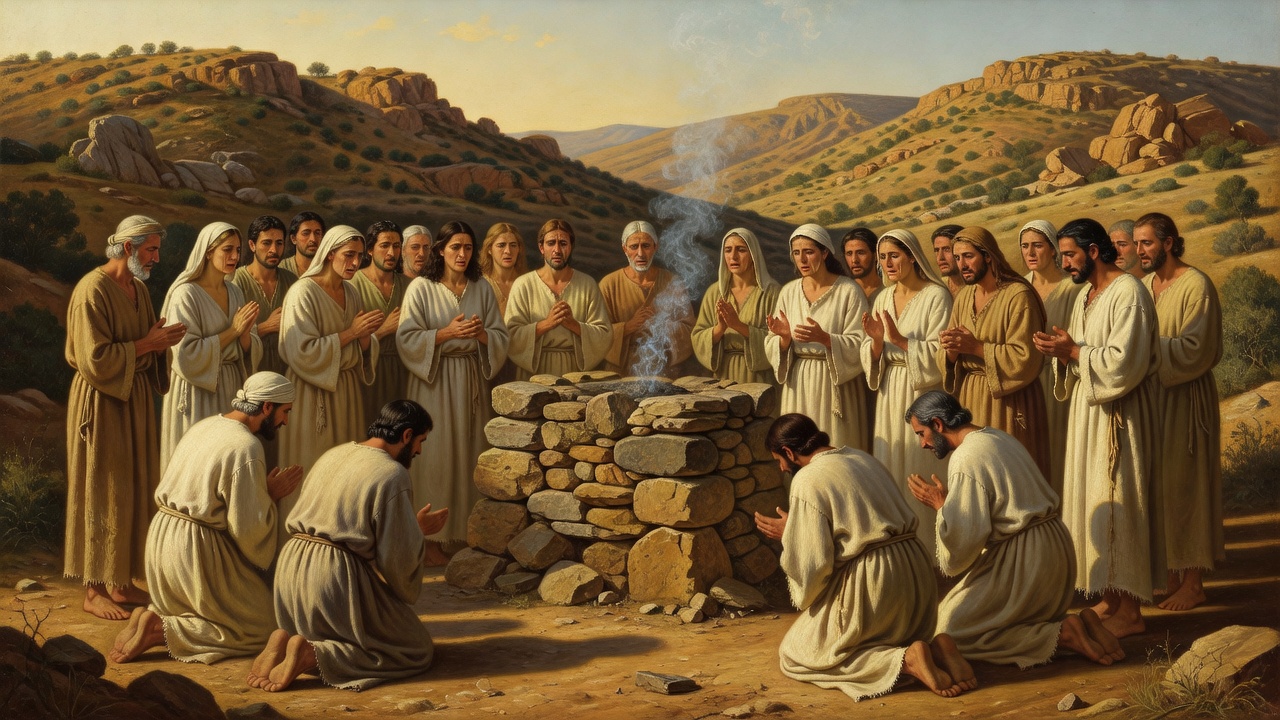
- The name Bochim means "weepers." The site, likely situated between Gilgal and Shiloh, received this name after the Israelites wept aloud when the angel of the Lord rebuked them for making compromises with the inhabitants of the land.Sources: Bochim · the Bible text itself
- Joshua was buried at Timnath-heres, which means "portion of the sun," located north of the hill of Gaash in the hill country of Ephraim. He had led the Israelites following the death of Moses and died at the age of 110.Sources: Timnath-heres · Gaash · Joshua · the Bible text itself
- The term Baalim is the plural form referring to local manifestations of Baal, the principal male deity of the Phoenicians. Judges 2 establishes the book's recurring cycle: Israel abandons the Lord for regional gods, suffers under enemies, and is delivered when God raises up a judge.Sources: Baal · the Bible text itself
Notes written with AI assistance from open sources (Theographic Bible Metadata, CC BY-SA 4.0; Easton’s Bible Dictionary, public domain) and reviewed before publishing.
Places in this chapter
Only places identified with high confidence are shown (90% or more according to the scholarly sources compiled by OpenBible). Period map: DARE (Digital Atlas of the Roman Empire), CC BY 4.0; modern map: © OpenStreetMap contributors; places: OpenBible.info (CC BY 4.0).
Credits and license for this translation
Ãcõrẽ Bed̶ea
New Testament in Emberá, Northern (PM:emp:Emberá, Northern)
copyright © 2011 Wycliffe Bible Translators, Inc.
Language: Emberá, Northern
Translation by: Wycliffe Bible Translators, Inc.
Copyright Information
© 2011, Wycliffe Bible Translators, Inc. All rights reserved.
This translation text is made available to you under the
terms of the Creative Commons License: Attribution-Noncommercial-No Derivative Works.
( http://creativecommons.org/licenses/by-nc-nd/3.0/ )
In addition, you have permission to port the text to different file formats, as long as you
do not change any of the text or punctuation of the Bible.
You may share, copy, distribute, transmit, and extract portions
or quotations from this work, provided that you include the above copyright
information:
You must give Attribution to the work.
You do not sell this work for a profit.
You do not make any derivative works that change any of the actual words or punctuation of the Scriptures.
Permissions beyond the scope of this license may be
available if you contact
us with your request.
The New Testament
in Emberá, Northern
© 2011, Wycliffe Bible Translators, Inc. All rights reserved.
This translation is made available to you under the terms of the
Creative Commons Attribution-Noncommercial-No Derivatives license 4.0.
You may share and redistribute this Bible translation or extracts from it in any format, provided that:
You include the above copyright and source information.
You do not sell this work for a profit.
You do not change any of the words or punctuation of the Scriptures.
Pictures included with Scriptures and other documents on this site are licensed just for use with those Scriptures and documents.
For other uses, please contact the respective copyright owners.
2014-04-24
Source: http://ebible.org/empNTpo/ · eBible.org