Genesis 42
Ãcõrẽ Bed̶ea · Tap a verse to see its cross-references.
Jose djabarãba trigo nẽdod̶e wãped̶ad̶a
1Maʌ̃ ewarid̶e Jose zeza Jacobora wad̶i Canaaʌ̃ druad̶e b̶abadjia. Jacoboba cawasia Egipto druad̶e trigora baraada. Maʌ̃ bẽrã idji warrarãa nãwã jarasia:
–Mʌ̃a ũrĩsia Egiptod̶e trigora baraada. ¿Cãrẽda jʌ̃ã panʌ? Jãmaa nẽdod̶e wãnadua dadjirãba cod̶i carea. Mãwã dadjirãra jarrababa beud̶aẽ́a.–
3Ara maʌ̃da Jose djabarãra Egiptod̶aa trigo nẽdod̶e wãsid̶aa. Jacoboba Jose djaba Benjamiʌ̃ra diabueẽ́ basía, wayad̶a bẽrã Benjamiʌ̃ra beuida. Maʌ̃ bẽrã Jose djabarãra diebe wãsid̶aa.
5Israel warrarãra dewara ẽberãrã ume trigo nẽdod̶e wãsid̶aa, jũma Canaaʌ̃ druad̶e jarrabara zed̶a bẽrã. 6Maʌ̃ne Josera Egipto druad̶e dji droma basía. Idjiabʌrʌ jũma druazabemarãa trigora nẽdobuebadjia. Mãwã b̶ʌd̶e Jose djabarãra jũẽsid̶aa. Jũẽnaped̶a Jose quĩrãpita wayaad̶eba egorod̶e b̶arru copanesid̶aa. 7Joseba idji djabarã unusid̶e cawasia ãdjida mãwã panʌda baribʌrʌ adua b̶ʌ quĩrãca b̶esia. Idji djabarãba idjira cawad̶aẽ́ basía. Maʌ̃ne Josera ãdji ume quĩrũ b̶ʌ quĩrãca b̶ed̶easia. Iwid̶isia:
–Bãrãra ¿sãmaʌba zebʌda?–
Ãdjia panusid̶aa:
–Canaaʌ̃ druad̶eba trigo nẽdod̶e ze panʌa.–
9Maʌ̃ne Joseba quĩrãnebasia ãdjid̶ebema cãĩmocarad̶ada. Maʌ̃ bẽrã jarasia:
–¡Bãrãba dairã sãwã poyad̶i cawaya acʌd̶e ze panʌa!–
10Ãdjia panusid̶aa:
–¡Mãwãẽ́a, dai boro! ¡Daira maʌ̃ carea nĩnaẽ́a! Dai bʌ nezocarãra jipa b̶eaa. Daira jũmaena ab̶ari zezad̶ebemaa. Daiba trigodrʌ nẽdod̶e ze panʌa.–
12Joseba jarasia:
–¡Sewaa! Bãrãba dairã sãwã poyad̶i cawaya acʌd̶e ze panʌa.–
13Ãdjirãba panusid̶aa:
–Dai bʌ nezocarãra wãrãda ab̶ari zezad̶ebemaa. Daira doce djabarã panasid̶aa. Baribʌrʌ dai djaba tẽãbemara dai zeza ume Canaaʌ̃ druad̶e b̶esia. Maʌ̃ne ab̶a nẽbasia.–
14Joseba jarasia:
–Mʌ̃a jarad̶a quĩrãca ebud̶a b̶ʌa bãrãba acʌd̶e ze panʌda dairã sãwã poyad̶i cawaya. 15Baribʌrʌ mʌ̃a acʌya bãrãba jara panʌra wãrã cawaya. Dai Egiptod̶ebema boro trʌ̃neba mʌ̃a wãrãneba jaraya bãrãra namabemada ẽdrʌd̶aẽ́a ab̶a bãrã djaba tẽãbemada namaa zebʌrʌd̶aa. 16Bãrãnebemada ab̶a wãbid̶adua bãrã djaba tẽãbemada enemãrẽã. Maʌ̃misa waabemarãra nama preso panenia. Idjida zeibʌrʌ, mʌ̃a cawaya bãrãba jara panʌra wãrãda. Idjida zeẽ́bʌrʌ, dai Egiptod̶ebema boro trʌ̃neba mʌ̃a wãrãneba jaraya bãrãra bed̶ead̶e pananida dairã sãwã poyad̶i cawaya acʌd̶e ze panʌ carea.–
17Ara maʌ̃da Joseba ãdjira ewari ũbea preso b̶ʌsia. 18Ewari ũbea babʌrʌd̶e Joseba ãdjía jarasia:
–Mʌ̃a Ãcõrẽra waya b̶ʌa. Maʌ̃ bẽrã bãrãba nãwã od̶ibʌrʌ, mʌ̃a beabiẽ́a. 19Bãrãda wãrãda ẽberã jipa b̶eabʌrʌ, nama bãrãnebemada ab̶a preso b̶eya. Maʌ̃ne waabemara bãrã diguid̶aa trigo diad̶e wãnadua bãrã ẽberãrãba cod̶amãrẽã. 20Baribʌrʌ bãrã djaba tẽãbemara enenadua. Mãwã mʌ̃a cawaya bãrãba jara panʌra wãrãda. Mãwã od̶aẽ́bʌrʌ, bãrãra beud̶ia.–
Ãdjirãba maʌ̃ bed̶eara ĩjãsid̶aa. 21Mãwã panʌne ãdjidub̶a jara duanesid̶aa:
–Wãrãda dadji djaba Joseda biẽ́ osid̶aa. Dadjirãba unusid̶aa idji biẽ́ orãnamãrẽã dadjirãa bed̶ea djuburia b̶ʌda. Mãwãmĩna dadjirãba ĩjãnaẽ́ basía. Maʌ̃ carea nama bia mĩga panʌa.–
22Maʌ̃ne Rubeʌ̃ba jarasia:
–Maʌ̃ carea mʌ̃a bãrãa jarasia idjira biẽ́ orãnamãrẽã, mãwãmĩna bãrãba ĩjãnaẽ́ basía. Idji beaped̶ad̶a carea id̶ibʌrʌ Ãcõrẽba dadjira cawa obʌrʌa.–
23Maʌ̃ne Josera egiptorã bed̶ead̶e ãdji ume bed̶ea b̶asia. Idjia jarabʌrʌra dewaraba ãdjía jarabadjia hebreo bed̶ead̶e. Maʌ̃ bẽrã adua panasid̶aa ãdjia jara panʌra Joseba jũma ũrĩ b̶ʌda. 24Ãdjia biẽ́ oped̶ad̶ad̶ebema bed̶ea panʌ ũrĩsid̶e Josera idub̶a ãyã wãped̶a jĩãsia. Mãwã b̶aped̶a waya poya bed̶easia. Maʌ̃be ãdji ume bed̶ead̶e wãped̶a Simeoʌ̃da jidabisia preso b̶emãrẽã. Ara maʌ̃da ãdjia acʌ panʌne Simeoʌ̃ra jʌ̃tabisia.
25Maʌ̃be Joseba idji nezocarãa jarasia idji djabarãba trigo nẽdoped̶ad̶aba ãdji sacora biracuad̶amãrẽã. Maʌ̃ne ãdji parata sid̶a waya sacoza b̶ʌcuabisia. Maʌ̃ awara Joseba diabisia od̶e ne cod̶amãrẽã. Ara maʌ̃da idji nezocarãba mãwã osid̶aa. Baribʌrʌ parata ãdji sacoza b̶ʌped̶ad̶ada Jose djabarãba adua panasid̶aa.
26Maʌ̃be Jose djabarãba trigora ãdji burro ʌ̃rʌ̃ b̶ʌcuad̶aped̶a wãbʌrʌsid̶aa. 27Wãbʌdad̶e ota cãĩnima jũẽsid̶aa. Maʌ̃be ab̶aʌba idji burro ne cobi carea saco ewabʌrʌd̶e idji paratara ed̶a cob̶ʌda unusia. 28Dauperaped̶a idji djabarãa jarasia:
–Mʌ̃ paratara jẽda diasid̶aa. Za mʌ̃ sacod̶e ed̶a cob̶ʌa.–
Maʌ̃ carea jũmarãda dauperasid̶aa. Ne wayaaba ure duanʌne nãwã jarasid̶aa:
–¿Cãrẽ cãrẽã Ãcõrẽba dadjira jãwã o b̶ʌ?–
29Canaaʌ̃ druad̶e ãdji zeza Jacoboma jũẽnaped̶a ãdji Egipto druad̶e sãwãped̶ad̶ara jũma nẽbʌrʌsid̶aa. Nãwã jarasid̶aa:
30–Jãʌ̃ druad̶ebema ẽberã dji droma b̶ʌba daia quĩrũbid̶eba nãwã jarasia: “Bãrãba dairã sãwã poyad̶i cawaya acʌd̶e zesid̶aa.” 31Baribʌrʌ dairãba jarasid̶aa mãwã od̶i carea ze panʌẽ́da, ãtebʌrʌ ẽberã jipa b̶eada. 32Idjab̶a jarasid̶aa dairãra ab̶ari zezad̶ebemada doce djabarã panasid̶ada. Jarasid̶aa ab̶ara nẽbasida, ab̶ara dai zeza ume Canaaʌ̃ druad̶e b̶ʌda. 33Maʌ̃ne jãʌ̃ dji dromaba dairãa jarasia:
“Nãwã cawaya bãrãra ẽberã jipa b̶eada: bãrã djabarãnebemada ab̶a mʌ̃ ume amenaped̶a trigora eded̶adua bãrã ẽberãrã jarra qued̶eaa cobid̶i carea. 34Maʌ̃be bãrã djaba tẽãbemara mʌ̃maa enenadua mʌ̃a cawai carea bãrãra jipa b̶eada. Mãwã mʌ̃a cawaya bãrãba wãrãda acʌd̶e zed̶aẽ́ panʌda dairã sãwã poyad̶i cawaya. Mãwã osid̶ara mʌ̃a bãrã djabara jẽda diaya. Idjab̶a naʌ̃ druad̶e bãrãba quĩrĩãbʌdada poya nẽdod̶ia idjab̶a nẽdobued̶ia.”–
35Mãwã nẽbʌrʌd̶aped̶a ãdji saco ẽrãcuabʌdad̶e sacoza ãdji paratara ed̶a cob̶eada unusid̶aa. Maʌ̃ unubʌdad̶e ãdji zezara, ãdjirã sid̶a bio dauperasid̶aa. 36Maʌ̃ carea ãdji zeza Jacoboba jarasia:
–Bãrãba mʌ̃ra warra neẽ́ obʌdaa. Joseda idjab̶a Simeoʌ̃ sid̶a neẽ́a. Maʌ̃ awara Benjamiʌ̃ sid̶a jãmaa ede quĩrĩã panʌa. Maʌ̃neba mʌ̃drʌ bia sopua unu b̶ʌa.–
37Maʌ̃ne Rubeʌ̃ba jarasia:
–Zeza, mʌ̃a Benjamiʌ̃ra waya bʌmaa eneya. Eneẽ́bʌrʌ, mʌ̃ warrarãda umé beaida b̶ʌa. Mʌ̃́a idu Benjamiʌ̃ra edebidua. Wãrãda waya jẽda eneya.–
38Mãwã jarad̶amĩna Jacoboba jarasia:
–Mʌ̃ warrara bãrã ume diabueẽ́a. Idji djaba arara beud̶a bẽrã ab̶a idjidrʌ b̶ʌa. Idjida od̶e beuibʌrʌ, bãrãba mʌ̃ra sopuaba bead̶ia.–
Did you know?
The Brothers Come to Egypt for Grain
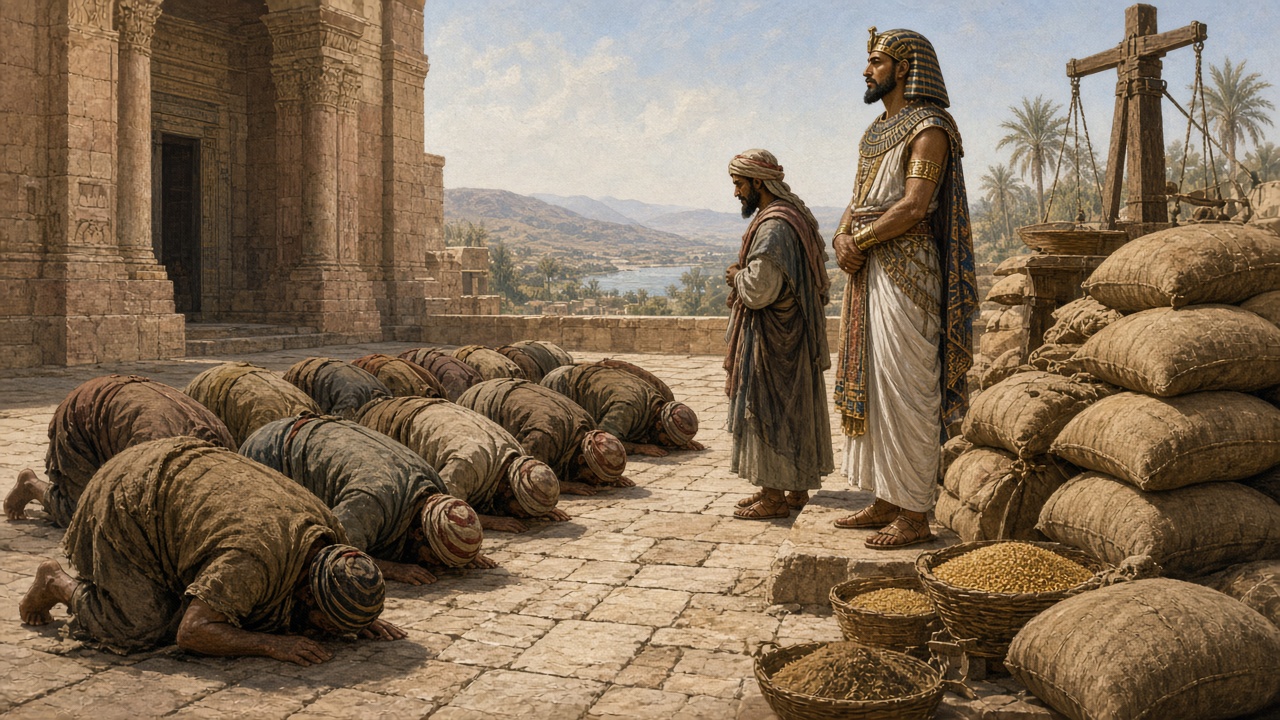
- Jacob heard that there was grain in Egypt, the land of the Nile, and sent ten of his sons from Canaan to buy some so the family would not die in the famine. The seven-year famine is dated to a beginning in 1707 BC, and the brothers' journey to Egypt to 1706 BC.Sources: the Bible text itself · Egypt · 7 years of famine · Joseph's brothers go to Egypt
- Joseph, ruler of the land and the one who sold grain to its people, recognized his brothers when they bowed before him, but they did not recognize him. An interpreter stood between them, so they did not realize that he understood what they said. He turned away and wept, then had Simeon, Jacob's second son by Leah, bound before their eyes and held as a hostage.Sources: the Bible text itself · Simeon
- Benjamin, the younger son of Jacob and Rachel, stayed behind with his father; Joseph was Rachel's elder son, and Jacob believed that brother was already dead. Jacob refused to let Benjamin go down to Egypt, saying that harm to him would bring his gray hair down to Sheol in sorrow. Reuben, the eldest son of Jacob and Leah, who had earlier saved Joseph when the other brothers would have put him to death, pledged his own life and the lives of his two sons if he failed to bring Benjamin back.Sources: the Bible text itself · Benjamin (patriarch) · Joseph (son of Jacob) · Reuben
Notes written with AI assistance from open sources (Theographic Bible Metadata, CC BY-SA 4.0; Easton’s Bible Dictionary, public domain) and reviewed before publishing.
Places in this chapter
Only places identified with high confidence are shown (90% or more according to the scholarly sources compiled by OpenBible). Period map: DARE (Digital Atlas of the Roman Empire), CC BY 4.0; modern map: © OpenStreetMap contributors; places: OpenBible.info (CC BY 4.0).
Credits and license for this translation
Ãcõrẽ Bed̶ea
New Testament in Emberá, Northern (PM:emp:Emberá, Northern)
copyright © 2011 Wycliffe Bible Translators, Inc.
Language: Emberá, Northern
Translation by: Wycliffe Bible Translators, Inc.
Copyright Information
© 2011, Wycliffe Bible Translators, Inc. All rights reserved.
This translation text is made available to you under the
terms of the Creative Commons License: Attribution-Noncommercial-No Derivative Works.
( http://creativecommons.org/licenses/by-nc-nd/3.0/ )
In addition, you have permission to port the text to different file formats, as long as you
do not change any of the text or punctuation of the Bible.
You may share, copy, distribute, transmit, and extract portions
or quotations from this work, provided that you include the above copyright
information:
You must give Attribution to the work.
You do not sell this work for a profit.
You do not make any derivative works that change any of the actual words or punctuation of the Scriptures.
Permissions beyond the scope of this license may be
available if you contact
us with your request.
The New Testament
in Emberá, Northern
© 2011, Wycliffe Bible Translators, Inc. All rights reserved.
This translation is made available to you under the terms of the
Creative Commons Attribution-Noncommercial-No Derivatives license 4.0.
You may share and redistribute this Bible translation or extracts from it in any format, provided that:
You include the above copyright and source information.
You do not sell this work for a profit.
You do not change any of the words or punctuation of the Scriptures.
Pictures included with Scriptures and other documents on this site are licensed just for use with those Scriptures and documents.
For other uses, please contact the respective copyright owners.
2014-04-24
Source: http://ebible.org/empNTpo/ · eBible.org