Genesis 38
Ãcõrẽ Bed̶ea · Tap a verse to see its cross-references.
Judaba idji ãĩgu ume warrarã ununa
1Maʌ̃ ewarid̶e Judara idji djabarãnebemada ãyã wãsia. Adulaʌ̃ purud̶e ẽberã Hira abadama b̶ad̶e wãsia. 2Mama Judaba cananeo Súa cauda unusia. Judaba Súa caura edaped̶a idji ume cãĩsia. 3Dji wẽrãra b̶iogoa b̶eped̶a umaquĩrã warrada tosia. Judaba idjira trʌ̃ b̶ʌsia Ere. 4Dji wẽrãra wayacusa b̶iogoa b̶eped̶a umaquĩrã warrada tosia. Idjira trʌ̃ b̶ʌsia Onaʌ̃. 5Wayacusa b̶iogoa b̶eped̶a umaquĩrã warrada tosia. Idjira trʌ̃ b̶ʌsia Sela. Sela tosid̶ad̶e Judara Quezib purud̶e b̶asia.
6Juda warra iwina Ere cũdra bad̶acarea Judaba idji itea wẽrãda jʌrʌsia. Maʌ̃ wẽrãra Tamará abadjid̶aa. 7Juda warra iwina Erera Ãcõrẽ quĩrãpita dji cadjirua basía. Maʌ̃ carea Ãcõrẽba idjira beubisia. 8Mãwãnacarea Judaba idji warra Onaʌ̃a jarasia:
–Bʌ djaba quima bad̶ara edadua dadjia obada quĩrãca. Mãwã bʌa bʌ djaba b̶asi itea warrada oya.–
9Baribʌrʌ Onaʌ̃ba cawa b̶asia maʌ̃ warrara idjid̶ead̶a ad̶aẽ́da, ãtebʌrʌ idji djaba b̶asid̶ead̶a ad̶ida. Maʌ̃ carea dji wẽrã ume cãĩ b̶ʌd̶e wagabadjia wẽrã b̶iogoa b̶erãmãrẽã. Mãwã idji djaba b̶asi itea warra oẽ́ basía. 10Idjia mãwã o b̶ʌda Ãcõrẽba biẽ́ unusia. Maʌ̃ bẽrã Onaʌ̃ sid̶a beubisia.
11Mãwãnacarea Judaba idji ãĩgu Tamaráa jarasia:
–Mʌ̃ warra Sela waribʌrʌmisa quima edaẽ́ bʌ zeza ded̶e b̶ad̶e wãdua. Sela drõã bad̶acarea idjia bʌra edaya.–
Ara maʌ̃da Tamarára dji zeza ded̶e b̶ad̶e wãsia. (Idji zezara Timnata purud̶e b̶abadjia.) Baribʌrʌ Judaba wãrãda quĩrĩãẽ́ b̶asia Selaba Tamará edaida. Waya b̶asia Sela sid̶a dji djabarã quĩrãca beuida.
12Dãrã b̶ad̶acarea Juda quimara beusia. Idji quimara Súa cau basía. Idji sopua jõnacarea Judara Timnata purud̶aa wãsia idji oveja cara tʌbadamaa. Idji dji bia Hira Adulaʌ̃ purud̶ebemara idji ume wãsia. 13Maʌ̃ne Timnatad̶ebemarãba Tamaráa jarasid̶aa:
–Bʌ zãwãrẽra namaa zebʌrʌa idji oveja cara tʌbi carea.–
14Maʌ̃ ũrĩsid̶e Tamarába pẽdrarãba jʌ̃bada jʌ̃ b̶ad̶ara ẽrãped̶a idji quĩrãra quẽbʌ daucha wuaba bʌrasia ni ab̶aʌba cawarãnamãrẽã. Maʌ̃be Enaiʌ̃ purud̶aa wãsia. Maʌ̃ purura Timnatad̶aa wãbada o caita b̶asia. Tamarára dji purud̶e ed̶a wãbadama chũmesia wẽrã aud̶uaba obada quĩrãca. Idjia mãwã osia Judara idji ume cãĩmãrẽã. Cawa b̶asia Selara cũdra b̶ʌmĩna Judaba idjía diaẽ́da idji quima bamãrẽã.
15Judaba Tamará unubʌrʌd̶e wẽrã aud̶uada crĩchasia, idji quĩrãra wuaba bʌrá erob̶ʌ bẽrã. 16Judaba adua b̶asia idji ãĩguda mãwã b̶ʌda. Maʌ̃ bẽrã Tamarámaa wãped̶a jarasia:
–¿Bʌra mʌ̃ ume cãĩca?–
Tamarába panusia:
–Mʌ̃da bʌ ume cãĩbʌrʌ, ¿bʌa mʌ̃́a cãrẽda diai?–
17Judaba jarasia:
–Mʌ̃ animarãnebema chiwatu zaqueda ab̶a diabueya.–
Tamarába jarasia:
–Bia b̶ʌa, baribʌrʌ maʌ̃ diabuebʌrʌmisa bʌa nebia erob̶ʌd̶ebemada mʌ̃ ume b̶eedua cawai carea bʌa wãrãda diabueida.–
18Judaba iwid̶isia:
–¿Cãrẽ nebiada mʌ̃a bʌ́a diai?–
Maʌ̃ne Tamarába panusia:
–Mʌ̃ ume b̶eedua bʌa sẽyã obarida dji jʌ̃cara bara, idjab̶a bacuru bʌ jʌwad̶e erob̶ʌ sid̶a.–
Ara maʌ̃da idjia iwid̶id̶ara Judaba diaped̶a idji ume cãĩsia. Mãwã Tamarába Juda warrada b̶iogoa b̶esia. 19Mãwãnacarea Tamarára diguid̶a wãsia. Idji quĩrã bʌrá erob̶ʌ wuara ẽrãped̶a wayacusa pẽdrarãba jʌ̃badara jʌ̃sia.
20Maʌ̃be Judaba idji dji bia Hira Adulaʌ̃nebemara diabuesia chiwatu zaquera wẽrã aud̶uaa diamãrẽã. Diaped̶a Hiraba Juda nebia b̶eed̶ara wayacusa edaida b̶asia. Baribʌrʌ Hiraba dji wẽrãra unuẽ́ basía. 21Maʌ̃ carea idjia mamabemarãa iwid̶isia:
–Wẽrã aud̶ua nama Enaiʌ̃ purud̶aa zebada o icawa chũmanara ¿sãma b̶ʌ?–
Ãdjirãba panusid̶aa:
–Nama wẽrã aud̶uara ni ab̶a bid̶a neẽ́a.–
22Maʌ̃be Hirara Judamaa jẽda zeped̶a jarasia:
–Jãʌ̃ wẽrãra mʌ̃a unuẽ́ basía. Arimabemarãba jarasid̶aa jãma wẽrã aud̶uara ni ab̶a bid̶a neẽ́da.–
23Maʌ̃ne Judaba jarasia:
–Mʌ̃a nebia b̶eed̶ara idjid̶e baya. Mʌ̃a chiwatu zaquera idji itea diabued̶amĩna bʌa idjira unuẽ́ basía. Waa diabueẽ́a jãmabemarãba dadjira ipid̶a jararãnamãrẽã.–
24Jed̶eco ũbea babʌrʌd̶e Judaa nãwã jarasid̶aa:
–Bʌ ãĩgu Tamarába aud̶uada od̶a bẽrã b̶iogoa b̶esia.–
Maʌ̃ carea Judaba jĩgua jarasia:
–¡Purud̶eba dajadaa eded̶aped̶a bá bead̶adua!–
25Ara maʌ̃da Tamará edad̶e wãsid̶aa. Baribʌrʌ dajadaa edebʌdad̶e Tamarába dji zãwãrẽ Judaa nãwã bed̶ea diabuesia: “Naʌ̃ nebia djibariba mʌ̃ra b̶iogoa osia. Acʌdua za b̶ʌ sẽyã obarida dji jʌ̃cara bara, idjab̶a za b̶ʌ bacuru sid̶a. ¿Caida djibari?”
26Judaba maʌ̃ nebiara idjid̶eda cawad̶a bẽrã nãwã jarasia:
–Jãʌ̃ wẽrãba od̶ara mʌ̃a od̶a cãyãbara jipaara b̶ʌa, mʌ̃ warra Selara idjía diad̶aẽ́ bẽrã.–
Idjira ẽdrʌ b̶ʌped̶a Judara idji ume waa cãĩẽ́ basía.
27Tamará warra toi ewarid̶e cawasia mĩguisoda toida. 28Tobʌrʌd̶e jʌwada na odjasia. Maʌ̃ne dji warra careba tobibari wẽrãba maʌ̃ jʌwad̶e jʌ̃cara purruda jʌ̃ b̶ʌsia. Jarasia: “Za b̶ʌda na odjasia.” 29Baribʌrʌ jʌwara waya ed̶a wãsia. Maʌ̃ne dewarabemada na tosia. Dji careba tobibari wẽrãba jarasia: “Bʌra ¿sãwãbʌrʌ na tosi?” Mãwã idjira trʌ̃ b̶ʌsid̶aa Paré. 30Mãwãnacarea idji djaba, jʌwad̶e jʌ̃cara purru jʌ̃ b̶ʌda tosia. Maʌ̃ carea idjira trʌ̃ b̶ʌsid̶aa Zará.
Did you know?
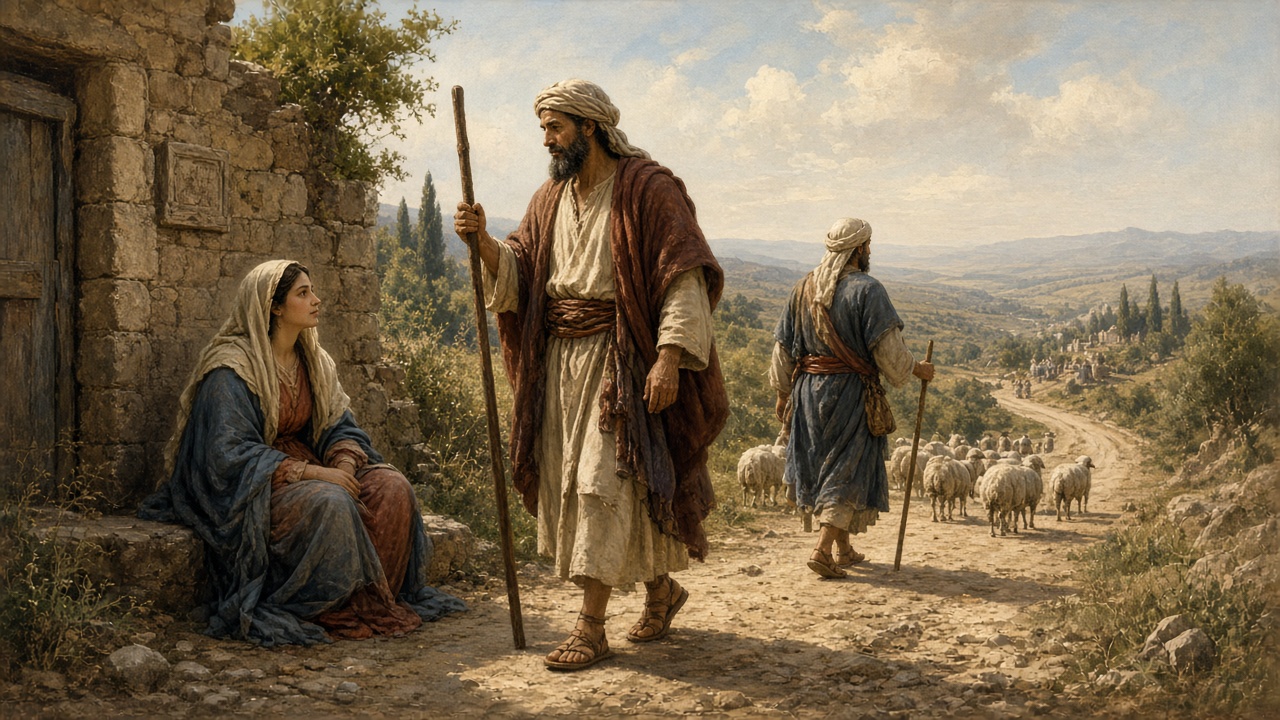
Judah and Tamar
- Soon after Joseph was sold to the Ishmaelites, Judah left his brothers and settled near Hirah, an Adullamite, and married the daughter of Shua, a Canaanite. She bore him Er, Onan, and Shelah; Shelah was born at Chezib, whose name means deceitful and is probably the same place as Achzib.Sources: Judah (patriarch) · Shuah · Chezib · the Bible text itself
- Judah took Tamar as a wife for his firstborn, Er. After Er died, he told Onan to sleep with her, fulfill a brother-in-law's duty, and raise up offspring for Er, but Onan would spill his seed on the ground so the child would not belong to him. Easton's Bible Dictionary (1897) compares that episode with Deuteronomy 25:5 and Matthew 22:24; Onan died before Jacob's family went down to Egypt, and Judah never gave Tamar to Shelah as promised.Sources: Tamar · Onan · the Bible text itself
- After the daughter of Shua died, Judah and his friend Hirah went up to his sheepshearers at Timnah, which Easton's Bible Dictionary (1897) describes as a town of Judah about twenty miles west of Jerusalem. Tamar veiled her face and waited at Enaim, on the way to Timnah—probably Enam, a city in the lowland or Shephelah—and Judah thought she was a prostitute because her face was covered. She later bore twins, and the child who broke out first was named Perez, a name that means breach.Sources: Timnah · Enaim · Pharez · the Bible text itself
Notes written with AI assistance from open sources (Theographic Bible Metadata, CC BY-SA 4.0; Easton’s Bible Dictionary, public domain) and reviewed before publishing.
Credits and license for this translation
Ãcõrẽ Bed̶ea
New Testament in Emberá, Northern (PM:emp:Emberá, Northern)
copyright © 2011 Wycliffe Bible Translators, Inc.
Language: Emberá, Northern
Translation by: Wycliffe Bible Translators, Inc.
Copyright Information
© 2011, Wycliffe Bible Translators, Inc. All rights reserved.
This translation text is made available to you under the
terms of the Creative Commons License: Attribution-Noncommercial-No Derivative Works.
( http://creativecommons.org/licenses/by-nc-nd/3.0/ )
In addition, you have permission to port the text to different file formats, as long as you
do not change any of the text or punctuation of the Bible.
You may share, copy, distribute, transmit, and extract portions
or quotations from this work, provided that you include the above copyright
information:
You must give Attribution to the work.
You do not sell this work for a profit.
You do not make any derivative works that change any of the actual words or punctuation of the Scriptures.
Permissions beyond the scope of this license may be
available if you contact
us with your request.
The New Testament
in Emberá, Northern
© 2011, Wycliffe Bible Translators, Inc. All rights reserved.
This translation is made available to you under the terms of the
Creative Commons Attribution-Noncommercial-No Derivatives license 4.0.
You may share and redistribute this Bible translation or extracts from it in any format, provided that:
You include the above copyright and source information.
You do not sell this work for a profit.
You do not change any of the words or punctuation of the Scriptures.
Pictures included with Scriptures and other documents on this site are licensed just for use with those Scriptures and documents.
For other uses, please contact the respective copyright owners.
2014-04-24
Source: http://ebible.org/empNTpo/ · eBible.org