Genesis 3
Ãcõrẽ Bed̶ea · Tap a verse to see its cross-references.
Adaʌ̃ba dji wẽrã bid̶a Ãcõrẽ ĩjã amaped̶ad̶a
1Jũma Ãcõrẽba ocuad̶a animarã cãyãbara damada crĩcha cawaara b̶asia djãrã cũrũgai carea. Maʌ̃ damaba wẽrãa jarasia:
–¿Ãcõrẽba wãrãda jarasica jũma naʌ̃ néud̶e b̶ea nejõra bãrãba jõcara panʌda?–
2Wẽrãba panusia:
–Mãwãẽ́a. Naʌ̃ néud̶ebema nejõra daiba jõnida panʌa. 3Baribʌrʌ bacuru néu ẽsi nũmʌnebemada Ãcõrẽba jarasia: “Jãʌ̃gʌ nejõra jõrãnadua idjab̶a jidarãnadua. Mãwã od̶ibʌrʌ beud̶ia.”–
4Maʌ̃ne damaba wẽrãa jarasia:
–Bãrãra beud̶aẽ́a. 5Ãtebʌrʌ maʌ̃ nejõ jõbʌda ewarid̶e bãrãba ab̶ed̶a jũma cawad̶ia biada, cadjirua sid̶a. Mãwã Ãcõrẽ quĩrãca crĩcha cawa panania. Maʌ̃gʌra idjia cawa b̶ʌa, maʌ̃ carea bãrãa jõbi ama b̶ʌa.–
6Maʌ̃ne wẽrãba unusia bacuru néu ẽsi nũmʌ nejõra biya purea jira b̶ʌda idjab̶a jõi biya quiruda. Ara maʌ̃da jõ quĩrĩãsia crĩcha cawa b̶ai carea. Maʌ̃be b̶a edaped̶a jõsia. Jõped̶a dji quimaa diasia. Maʌ̃ne idjia bid̶a jõsia. 7Ara maʌ̃da ãdjia umena ab̶ed̶a cawasid̶aa ãdjira ãcad̶a panʌda. Maʌ̃ carea higojõ queduada ĩgud̶aped̶a jʌ̃sid̶aa.
8Quewara cũrãdrʌbʌrʌd̶e Ãcõrẽra néu ẽjũãne nĩbasia. Adaʌ̃ba dji wẽrã bid̶a maʌ̃ ũrĩsid̶ad̶e néud̶e mĩrũsid̶aa. 9Maʌ̃ bẽrã Ãcõrẽba Adaʌ̃ra nãwã trʌ̃sia:
–¿Bʌra sãma b̶ʌ?–
10Adaʌ̃ba panusia:
–Bʌ zebʌrʌda ũrĩsid̶e ne wayaaba mʌ̃ra mĩrũsia ãcad̶a b̶ʌ bẽrã.–
11Maʌ̃ne Ãcõrẽba iwid̶isia:
–¿Caiba jarasi bʌra ãcad̶a b̶ʌda? ¿Bʌa jõsica mʌ̃a jõrãduad̶a nejõra?–
12Adaʌ̃ba panusia:
–Bʌa mʌ̃́a wẽrã diad̶aba jõbisia.–
13Maʌ̃ bẽrã Ãcõrẽba wẽrãa iwid̶isia:
–¿Bʌa cãrẽ cãrẽã jãwã osi?–
Wẽrãba panusia:
–Damaba mʌ̃ra cũrũgasia. Maʌ̃ bẽrã mʌ̃a jõsia.–
14Maʌ̃ bẽrã Ãcõrẽba damara nãwã biẽ́ jara b̶ʌsia:
Bʌa jãwã cũrũgad̶a bẽrã, mʌ̃a bʌra daupẽbada animarã idjab̶a mẽãbema animarã cãyãbara biẽ́ara b̶ʌya.
Nãwã b̶aya: id̶iba ʌ̃taa bʌdji jãne nĩbaya idjab̶a ewariza bʌ itera egoro pora caita b̶aya ab̶a beubʌrʌd̶aa.
15Idjab̶a mʌ̃a bʌra wẽrã ume dji quĩrũda b̶ʌya. Id̶iba ʌ̃taa bʌ warrara wẽrã warra ume dji quĩrũ baya.
Bʌa wẽrã warrara jĩrũgarronane caya. Baribʌrʌ idjia bʌ borora berradʌgaya.
16Maʌ̃ne Ãcõrẽba wẽrãa jarasia:
Bʌ b̶iogoa b̶ʌd̶e mʌ̃a bʌra bia mĩgabiya. Warra tobʌrʌd̶e puad̶eba toya.
Mãwã bia mĩga b̶aimĩna bʌ quima ume b̶a quĩrĩã b̶aya, baribʌrʌ idjia bʌra idji jʌwaed̶a erob̶aya.
17Maʌ̃ne Ãcõrẽba umaquĩrãa jarasia:
Mʌ̃a bʌ́a jarasia jãʌ̃ nejõra jõrãmãrẽã. Mãwãmĩna bʌ wẽrã bed̶eada ĩjãsia.
Maʌ̃ bẽrã mʌ̃a naʌ̃ ẽjũãra jũma biẽ́ b̶ʌya. Ʌrʌda, jũĩchichi sid̶a odjacuaya.
Bʌra bio bia mĩga b̶aya bʌ néud̶ebemada coi carea. Idjab̶a bʌa chiruada co b̶aya.
19Ne coi carea traja b̶ʌd̶e bʌ dratud̶e jʌa zowua nũmaya ab̶a beubʌrʌd̶aa.
Bʌra egoro porad̶ebemaa. Maʌ̃ carea bʌra wayacusa egoro pora baya.
20Adaʌ̃ba idji wẽrãra trʌ̃ b̶ʌsia Eva, idjira jũma dadji zocai b̶ea papa bẽrã. 21Maʌ̃be Ãcõrẽba animarã ed̶ebema wuada oped̶a ãdjía jʌ̃bisia. 22Mãwãnacarea Ãcõrẽba jarasia:
–Naʌ̃ ẽberãba jãʌ̃ nejõra jõna bẽrã biada cadjirua sid̶a jũma cawa b̶ʌa. Mãwã dadji quĩrãca b̶esia. Maʌ̃ bẽrã zocai b̶ai diabari nejõda idjía idu jõbid̶aẽ́a. Maʌ̃da jõsira beuca baya.–
23Ara maʌ̃da Ãcõrẽba ẽberãra Edeʌ̃ néu ẽjũãnebemada ãyã jʌretasia ẽjũã o b̶amãrẽã. Ãcõrẽba idjira egorod̶eba osia. Maʌ̃ bẽrã idjira b̶ʌsia egorod̶e ne u b̶amãrẽã. 24Ãcõrẽba ẽberãra ãyã jʌretaped̶a Edeʌ̃ néu ẽjũã ʌ̃mãdau odjabariare bajãnebema nezocarã i bara panʌda b̶ʌsia. Idjab̶a b̶ʌsia djõbada neco urua b̶ʌda, idub̶a pʌrrʌga tucua jira b̶ʌda. Maʌ̃gʌrãba zocai b̶ai diabari nejõra waga panesid̶aa ni ab̶aʌba jõrãmãrẽã.
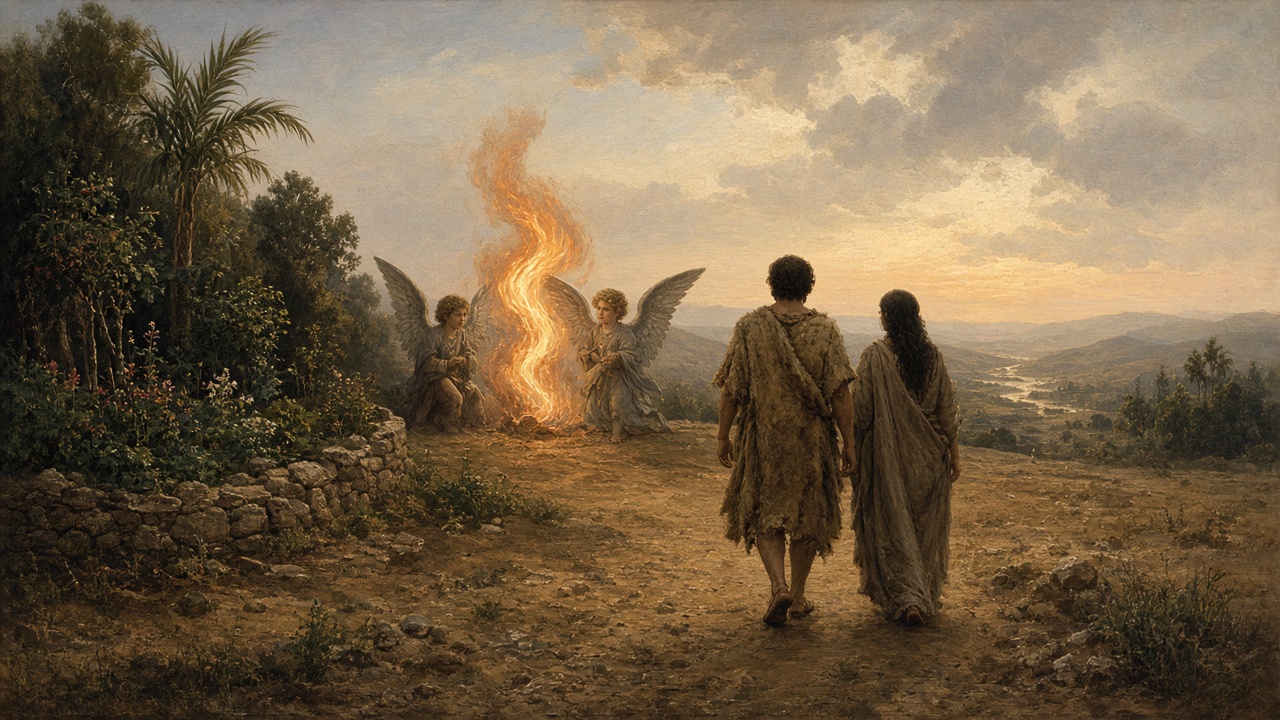
Did you know?
The Fall and Exile from Eden
- A traditional reference explains Adam as “red,” a Babylonian word used as the generic name for man, with the same meaning in Hebrew and Assyrian, and links the name to his being formed from the dust of the earth. In this chapter that origin returns in the judgment: he will toil for his food until he returns to the ground, for he is dust and to dust he will return, and he is sent to work the soil from which he was taken.Sources: Adam · the Bible text itself
- In this chapter Adam gives his wife the name Eve, meaning “life” or “living,” because she would be the mother of all the living.Sources: Eve · the Bible text itself
- The site of the garden of Eden, from which the man is driven in this chapter, has been much discussed and placed in Armenia, west of the Caspian Sea, in Media, near Damascus, in Palestine, in southern Arabia, and in Babylonia. A traditional geographical note looks for it along the Tigris and the Euphrates, in the land of Shinar, or Babylonia.Sources: Eden · the Bible text itself
Notes written with AI assistance from open sources (Theographic Bible Metadata, CC BY-SA 4.0; Easton’s Bible Dictionary, public domain) and reviewed before publishing.
Credits and license for this translation
Ãcõrẽ Bed̶ea
New Testament in Emberá, Northern (PM:emp:Emberá, Northern)
copyright © 2011 Wycliffe Bible Translators, Inc.
Language: Emberá, Northern
Translation by: Wycliffe Bible Translators, Inc.
Copyright Information
© 2011, Wycliffe Bible Translators, Inc. All rights reserved.
This translation text is made available to you under the
terms of the Creative Commons License: Attribution-Noncommercial-No Derivative Works.
( http://creativecommons.org/licenses/by-nc-nd/3.0/ )
In addition, you have permission to port the text to different file formats, as long as you
do not change any of the text or punctuation of the Bible.
You may share, copy, distribute, transmit, and extract portions
or quotations from this work, provided that you include the above copyright
information:
You must give Attribution to the work.
You do not sell this work for a profit.
You do not make any derivative works that change any of the actual words or punctuation of the Scriptures.
Permissions beyond the scope of this license may be
available if you contact
us with your request.
The New Testament
in Emberá, Northern
© 2011, Wycliffe Bible Translators, Inc. All rights reserved.
This translation is made available to you under the terms of the
Creative Commons Attribution-Noncommercial-No Derivatives license 4.0.
You may share and redistribute this Bible translation or extracts from it in any format, provided that:
You include the above copyright and source information.
You do not sell this work for a profit.
You do not change any of the words or punctuation of the Scriptures.
Pictures included with Scriptures and other documents on this site are licensed just for use with those Scriptures and documents.
For other uses, please contact the respective copyright owners.
2014-04-24
Source: http://ebible.org/empNTpo/ · eBible.org