Exodus 8
Ãcõrẽ Bed̶ea · Tap a verse to see its cross-references.
1Maʌ̃ne Ãcõrẽba Moisea jarasia:
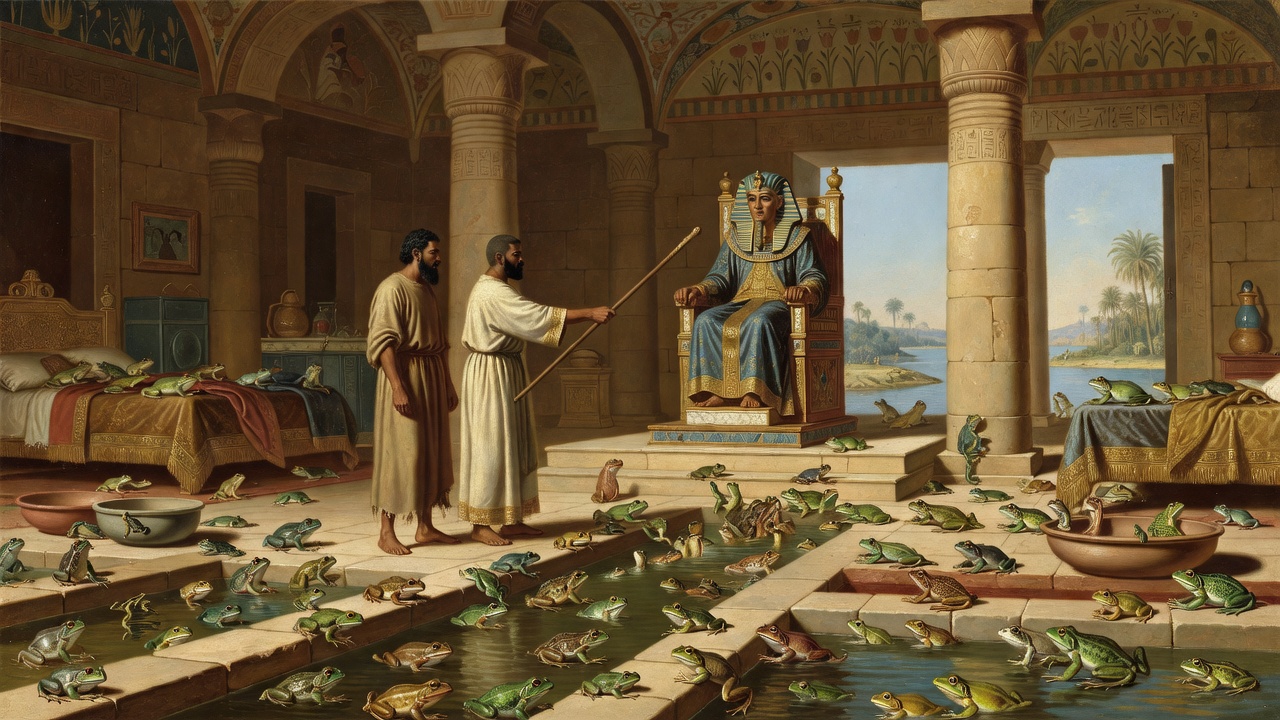
–Egiptod̶ebema boroa nãwã jarad̶e wãdua: “Ãcõrẽba nãwã jara b̶ʌa: mʌ̃ purura idu wãbidua mʌ̃́a animarã babue diad̶amãrẽã. 2Baribʌrʌ bʌa mʌ̃ puruda idu wãbiẽ́bʌrʌ mʌ̃a cawa oya. Jũma bʌ druara baujĩãba birabiya. 3Nilo dora baujĩãba biraya. Maʌ̃ne doed̶aʌba baujĩãra bʌ diguid̶aa wãbʌrʌd̶ia. Mãwã bʌ cãĩbarima, bʌ cʌd̶ad̶e, dji dromarã ded̶e, bʌ druad̶ebemarã ded̶e bid̶a baujĩãra baraya. Baujĩãra bãrã paʌ̃ ãbubadad̶e, bãrã paʌ̃ bʌratʌbadad̶e bid̶a baraya. 4Bʌ ʌ̃rʌ̃, dji dromarã ʌ̃rʌ̃, bʌ druad̶ebemarã ʌ̃rʌ̃ bid̶a baujĩãra jʌ̃drʌcuad̶ia.”–
5Maʌ̃be Ãcõrẽba Moisea jarasia:
–Aaroʌ̃a nãwã jaradua: “Bʌ jʌwad̶e erob̶ʌ bacurura dojã ʌ̃rʌ̃, do zaque ʌ̃rʌ̃, amene ʌ̃rʌ̃, baido juebada uria ʌ̃rʌ̃ bid̶a ʌ̃taa wadua. Mãwã baidod̶eba baujĩãda jũma Egipto druad̶e odjacuaya.”–
6Ara maʌ̃da Aaroʌ̃ba idji bacurura Egiptod̶ebema do ʌ̃rʌ̃ wasia. Maʌ̃ne baujĩãra doed̶aʌba odjacuad̶aped̶a jũma Egipto druara birasid̶aa. 7Baribʌrʌ Egiptod̶ebema daubararãba ãdji necawaad̶eba ab̶arica osid̶aa. Ãdjirã bid̶a baujĩãda doed̶aʌba Egipto druad̶e odjabisid̶aa.
8Maʌ̃be Egiptod̶ebema boroba Moisera Aaroʌ̃ sid̶a trʌ̃biped̶a ãdjía nãwã jarasia:
–Ãcõrẽa iwid̶id̶adua naʌ̃ baujĩãra mʌ̃nebemada idjab̶a mʌ̃ purud̶ebemada ãyã wãbimãrẽã. Maʌ̃bebʌrʌ mʌ̃a bãrã israelerãra idu wãbiya Ãcõrẽa animarã babue diacuad̶amãrẽã.–
9Moiseba panusia:
–Bia b̶ʌa. Jaradua sãʌ̃be bʌa quĩrĩã b̶ʌda mʌ̃a Ãcõrẽa iwid̶ida bʌ carea, dji dromarã carea, idjab̶a bʌ druad̶ebemarã carea bid̶a. ¿Sãʌ̃be quĩrĩã b̶ʌ mʌ̃a Ãcõrẽa iwid̶ida naʌ̃ baujĩãra bʌd̶ebemada, bʌ diguid̶abema sid̶a jõbimãrẽã? Iwid̶isira ab̶abe doed̶abʌrʌ baujĩãra baraa baya.–
10Egiptod̶ebema boroba panusia:
–Nu iwid̶idua.–
Moiseba jarasia:
–Bʌa jara b̶ʌ quĩrãca oya. Mãwã bʌa cawaya dewara ãcõrẽra neẽ́da dai Boro Ãcõrẽ quĩrãca. 11Nu bʌ diguid̶a, dji dromarãma, bʌ druad̶ebema ẽberãrãma bid̶a baujĩãra neẽ́ b̶aya. Baujĩãra ab̶abe doed̶abʌrʌ baraa baya.–
12Maʌ̃be Moisera Aaroʌ̃ sid̶a Egiptod̶ebema boromaʌba ẽdrʌsid̶aa. Nurẽma Moiseba Ãcõrẽa iwid̶isia baujĩã Egiptod̶ebema boromaa diabued̶ara jõbimãrẽã. 13Ara maʌ̃da Ãcõrẽba Moiseba iwid̶id̶a quĩrãca osia. Baujĩãra egiptorã ded̶e, ud̶a bid̶a, ãdji ẽjũãne bid̶a jũma quinisid̶aa. 14Maʌ̃be egiptorãba baujĩã quininara ãbaa boromea bue nũmʌsid̶aa. Maʌ̃ba Egipto druara jũma mĩguia nũmesia. 15Egiptod̶ebema boroba unusia baujĩãba waa mĩã sẽnaẽ́ panʌda. Maʌ̃ bẽrã idjira so zareaped̶a Moiseba Aaroʌ̃ bid̶a jaraped̶ad̶ara ĩjãẽ́ basía Ãcõrẽba jarad̶a quĩrãca.
Ãcõrẽba pochĩdau diabued̶a
16Maʌ̃be Ãcõrẽba Moisea jarasia:
–Aaroʌ̃a jaradua idji jʌwad̶e erob̶ʌ bacuruda ʌ̃taa waped̶a egorod̶aa umãrẽã. Maʌ̃ne egoro porara pochĩdau baya jũma Egipto druad̶e.–
17Ara maʌ̃da ãdjia mãwã osid̶aa. Aaroʌ̃ba idji bacurura ʌ̃taa waped̶a egorod̶aa usía. Maʌ̃ne egoro porara pochĩdau basía jũma Egipto druad̶e. Ab̶ed̶a ẽberãrãra, animarã sid̶a pochĩdauba ca eropanesid̶aa. 18Maʌ̃be Egiptod̶ebema daubararãba ãdji necawaad̶eba ab̶ari quĩrãca pochĩdauda o quĩrĩãsid̶aa. Mãwãmĩna poya od̶aẽ́ basía. Mãwã panʌne ẽberãrãra, animarã sid̶a pochĩdauba ca eropanasid̶aa. 19Maʌ̃ bẽrã daubararãba Egiptod̶ebema boroa jarasid̶aa:
–Moiseba Aaroʌ̃ ume pochĩdau oped̶ad̶ara Ãcõrẽ ʌb̶ʌad̶eba osid̶aa.–
Mãwã jaraped̶ad̶amĩna Egiptod̶ebema borora so zarea b̶esia. Idjia ĩjãẽ́ basía Moiseba Aaroʌ̃ bid̶a jaraped̶ad̶ara Ãcõrẽba jarad̶a quĩrãca.
Ãcõrẽba ĩganana diabued̶a
20Maʌ̃be Ãcõrẽba Moisea jarasia:
–Nu diaped̶ed̶a piradrʌped̶a Egiptod̶ebema boro doed̶a wãbʌrʌd̶e idjimaa wãped̶a nãwã jaradua: “Ãcõrẽba nãwã jara b̶ʌa: mʌ̃ purura idu wãbidua mʌ̃́a animarãda babue diad̶amãrẽã. 21Baribʌrʌ mʌ̃ puruda idu wãbiẽ́bʌrʌ, mʌ̃a ĩgananada bʌmaa, dji dromarãmaa, bʌ druad̶ebemarãmaa bid̶a quĩrãtanoa diabueya. Maʌ̃ ĩgananara jũma Egiptod̶ebema ded̶e, ãdjirã wãbʌdama bid̶a powuaga nũmaya. 22Baribʌrʌ maʌ̃ ewarid̶e Goseʌ̃ druad̶e mʌ̃a mãwã oẽ́a. Mʌ̃ ẽberãrãda mama panʌ bẽrã ĩgananara neẽ́ baya. Mʌ̃ purura bʌ puru quĩrãca oẽ́a. Maʌ̃ba bʌa cawaya mʌ̃abʌrʌ naʌ̃ druad̶e mãwã o b̶ʌda. Maʌ̃ ne ununacara nu oya.”–
24Nurẽma Ãcõrẽba mãwã osia. Egiptod̶ebema boro dera, dji dromarã dera, idjab̶a jũma Egipto drua sid̶a ĩganana quĩrãtanoaba birasia. Ab̶ed̶a jũma Egipto druara biẽ́ nũmesia ĩgananaba.
25Maʌ̃be Egiptod̶ebema boroba Moisera, Aaroʌ̃ sid̶a trʌ̃biped̶a nãwã jarasia:
–Bãrã Ãcõrẽa animarãda babue diad̶e wãnida panʌa ara naʌ̃ Egipto druad̶e.–
26Baribʌrʌ Moiseba panusia:
–Dairãba naʌ̃ Egipto druad̶e mãwã poya od̶aẽ́a, animarã dairãba Ãcõrẽa babue diad̶ida panʌra bãrã egiptorãba idu babue diabid̶aca bẽrã. Maʌ̃ animarãda bãrã quĩrãpita Ãcõrẽa babue diad̶ibʌrʌ, ¿bãrãba dairãra mõgaraba tab̶ari bead̶aẽ́ca? 27Maʌ̃ bẽrã dairãra ewari ũbea ẽjũã põãsa ewaraga b̶ʌd̶e wãnia. Mamabʌrʌ dai Ãcõrẽa animarãda babue diacuad̶ia idjia jara b̶ʌ quĩrãca.–
28Maʌ̃be Egiptod̶ebema boroba jarasia:
–Mãẽteara bia b̶ʌa. Mʌ̃a bãrãra ẽjũã põãsa ewaraga b̶ʌd̶aa idu wãbiya bãrã Ãcõrẽa animarãda babue diacuad̶amãrẽã. Baribʌrʌ bãrãra tʌmʌ wãcara panʌa. Idjab̶a mʌ̃ carea bid̶a Ãcõrẽa iwid̶id̶adua.–
29Moiseba jarasia:
–Mʌ̃ra namaʌba ẽdrʌped̶a Ãcõrẽa iwid̶iya. Maʌ̃be nu ĩgananara neẽ́ baya bʌma, dji dromarãma, bʌ druad̶ebemarãma bid̶a. Baribʌrʌ dairãra waa cũrũgarãdua. Dairãra idu wãbidua Ãcõrẽa animarãda babue diacuad̶amãrẽã.–
30Moisera Egiptod̶ebema boromaʌba ẽdrʌped̶a Ãcõrẽa iwid̶isia. 31Ara maʌ̃da Ãcõrẽba Moiseba iwid̶id̶a quĩrãca osia. Idjia ĩgananara jõbisia Egiptod̶ebema boroma, dji dromarãma, idjab̶a Egipto druad̶ebemarãma bid̶a. Ni ab̶a bid̶a b̶eẽ́ basía. 32Baribʌrʌ Egiptod̶ebema borora wad̶ibid̶a so zarea b̶ed̶a bẽrã israelerãra idu wãbiẽ́ basía.
Did you know?
Three Plagues on Egypt
- The frogs of this chapter swarm up from the Nile, a name the Old Testament does not use. Easton's Bible Dictionary says the river appears as Sihor, “the black stream,” or simply “the river,” and that the White Nile and the Blue Nile unite at Khartoum, then run 1,800 miles and enter the Mediterranean through two branches. Aaron stretches his staff over the rivers, canals, and ponds, and the frogs cover the land of Egypt.Sources: Nile · the Bible text itself
- When flies fill the houses of the Egyptians and ruin the land, the chapter says none will be found in Goshen, where the Israelites live, as a distinction between the two peoples. Easton's Bible Dictionary describes Goshen as a district east of the Nile, apparently not far from the royal residence, also called the land of Rameses because Pithom and Rameses lay within its borders, and it also links the district with Zoan, or Tanis. The same entry calls it “the best of the land.”Sources: Goshen · the Bible text itself
- Moses and Aaron speak with Pharaoh in person. Easton's Bible Dictionary (1897) places the Pharaoh of the Exodus at Zoan, the setting of his interviews with them recorded in Exodus, but leaves his identity an open question between Menephtah, called there the fourteenth and eldest surviving son of Rameses II, and Seti II, adding that some think the evidence favors Seti II.Sources: Pharaoh (of the Exodus) · the Bible text itself
Notes written with AI assistance from open sources (Theographic Bible Metadata, CC BY-SA 4.0; Easton’s Bible Dictionary, public domain) and reviewed before publishing.
Places in this chapter
- Nile · Today: Nile River · 31.465, 30.367 · verses 3, 9, 11
- Egypt · 30.129, 31.308 · verses 5, 6, 7, 16, 17, 21, 24
- Goshen · Today: Goshen 1 · 30.799, 31.834 · verse 22
Only places identified with high confidence are shown (90% or more according to the scholarly sources compiled by OpenBible). Period map: DARE (Digital Atlas of the Roman Empire), CC BY 4.0; modern map: © OpenStreetMap contributors; places: OpenBible.info (CC BY 4.0).
Credits and license for this translation
Ãcõrẽ Bed̶ea
New Testament in Emberá, Northern (PM:emp:Emberá, Northern)
copyright © 2011 Wycliffe Bible Translators, Inc.
Language: Emberá, Northern
Translation by: Wycliffe Bible Translators, Inc.
Copyright Information
© 2011, Wycliffe Bible Translators, Inc. All rights reserved.
This translation text is made available to you under the
terms of the Creative Commons License: Attribution-Noncommercial-No Derivative Works.
( http://creativecommons.org/licenses/by-nc-nd/3.0/ )
In addition, you have permission to port the text to different file formats, as long as you
do not change any of the text or punctuation of the Bible.
You may share, copy, distribute, transmit, and extract portions
or quotations from this work, provided that you include the above copyright
information:
You must give Attribution to the work.
You do not sell this work for a profit.
You do not make any derivative works that change any of the actual words or punctuation of the Scriptures.
Permissions beyond the scope of this license may be
available if you contact
us with your request.
The New Testament
in Emberá, Northern
© 2011, Wycliffe Bible Translators, Inc. All rights reserved.
This translation is made available to you under the terms of the
Creative Commons Attribution-Noncommercial-No Derivatives license 4.0.
You may share and redistribute this Bible translation or extracts from it in any format, provided that:
You include the above copyright and source information.
You do not sell this work for a profit.
You do not change any of the words or punctuation of the Scriptures.
Pictures included with Scriptures and other documents on this site are licensed just for use with those Scriptures and documents.
For other uses, please contact the respective copyright owners.
2014-04-24
Source: http://ebible.org/empNTpo/ · eBible.org