Exodus 7
Ãcõrẽ Bed̶ea · Tap a verse to see its cross-references.
1Maʌ̃ne Ãcõrẽba Moisea jarasia:
–Ũrĩdua. Mʌ̃a Egiptod̶ebema boroa bʌra ãcõrẽ quĩrãca unubiya. Maʌ̃ne bʌ djaba Aaroʌ̃ra bʌd̶eba bed̶eabarida b̶aya. 2Mʌ̃a jarabi b̶ʌda bʌ djaba Aaroʌ̃a jũma jaradua. Maʌ̃gʌra idjia Egiptod̶ebema boroa jaraya bãrã israelerãra idji druad̶eba idu ẽdrʌbimãrẽã. 3Baribʌrʌ mʌ̃a Egiptod̶ebema borora so zarea b̶ʌya. Maʌ̃be Egiptod̶e mʌ̃a ne ununacada zocãrã ocuaya cawabi carea mʌ̃drʌ dji dromaara b̶ʌda. 4Baribʌrʌ bãrãba jara panʌra Egiptod̶ebema boroba ĩjãẽ́a. Maʌ̃ bẽrã mʌ̃ ʌb̶ʌad̶eba mʌ̃a ne ununaca waib̶ʌa b̶eada oya egiptorã cawa oi carea. Mãwã mʌ̃ puru Israelera Egipto druad̶eba ẽdrʌ edeya sordaorã djõne wãbada quĩrãca. 5Mʌ̃ ʌb̶ʌad̶eba mʌ̃a egiptorã cawa obʌrʌd̶e idjab̶a israelerã Egiptod̶eba ẽdrʌ edebʌrʌd̶e egiptorãba cawad̶ia mʌ̃drʌ Ãcõrẽda.–
6Maʌ̃be Moiseba Aaroʌ̃ bid̶a osid̶aa Ãcõrẽba jarad̶a quĩrãca. 7Egiptod̶ebema boro ume bed̶ead̶e wãsid̶ad̶e Moisera 80 poa b̶asia. Aaroʌ̃ra 83 poa b̶asia.
Aaroʌ̃ bacuru dama bad̶a
8Ãcõrẽba Moisea Aaroʌ̃a bid̶a jarasia:
9–Egiptod̶ebema boroba jaraya ne ununacada od̶amãrẽã bãrãba jara panʌra ĩjãi carea. Ne ununacada od̶aduad̶a abʌrʌd̶e Aaroʌ̃a jaradua idji bacurura dji boro quĩrãpita egode b̶aebimãrẽã. Maʌ̃ne bacurura dama ba dogoya.–
10Ara maʌ̃da Moisera Aaroʌ̃ sid̶a Egiptod̶ebema boromaa wãnaped̶a Ãcõrẽba jarad̶a quĩrãca osid̶aa. Aaroʌ̃ba idji bacurura egode b̶aebisia Egiptod̶ebema boro quĩrãpita, Egiptod̶ebema dji dromarã quĩrãpita bid̶a. Ara maʌ̃da bacurura dama ba dogosia. 11Baribʌrʌ Egiptod̶ebema boroba idji druad̶ebema ne cawa b̶eada, daubararã sid̶a trʌ̃cuasia. Maʌ̃ne ãdjia bid̶a necawaad̶eba Aaroʌ̃ba od̶a quĩrãca osid̶aa. 12Ãdji bacurura egode b̶aebibʌdad̶e dama bacuasid̶aa. Baribʌrʌ Aaroʌ̃ bacuru dama bad̶aba ãdji bacuru dama bacuad̶ara mĩcuasia. 13Mãwã ununamĩna Egiptod̶ebema borora so zarea b̶esia Ãcõrẽba jarad̶a quĩrãca. Maʌ̃ bẽrã Moiseba Aaroʌ̃ bid̶a jaraped̶ad̶ara ĩjãẽ́ basía.
Ãcõrẽba baido oa babid̶a
14Maʌ̃be Ãcõrẽba Moisea jarasia:
–Egiptod̶ebema borora so zarea b̶ʌa. Maʌ̃ bẽrã israelerãra ẽdrʌbueẽ́a. 15Jãʌ̃be nu diaped̶a Egiptod̶ebema boro doed̶a wãbʌrʌd̶e idjimaa wãdua. Dama bad̶a bacurura bʌ jʌwad̶e ededua. Do icawa Egiptod̶ebema boro quĩrãpita nũmeped̶a jaradua:
“Dai hebreorã Ãcõrẽba mʌ̃ra bʌmaa diabuesia. Idjia nãwã jara b̶ʌa: mʌ̃ puru Israelera idu wãbidua ẽjũã põãsa ewaraga b̶ʌd̶aa. Mama ãdjirãba mʌ̃́a animarãda babue diad̶ida panʌa. Mʌ̃a mãwã jara b̶ʌmĩna bʌa wad̶ibid̶a ĩjãẽ́ b̶ʌa. 17Maʌ̃ bẽrã Ãcõrẽba nãwã jara b̶ʌa: naʌ̃gʌd̶eba bʌa cawaya mʌ̃drʌ Ãcõrẽda; Moiseba jʌwad̶e erob̶ʌ bacuruba mʌ̃a Nilo dod̶e tawebiya. Maʌ̃ne dora ab̶ed̶a oa baya. 18Maʌ̃ba b̶edara jũma quininia. Dora ab̶ed̶a mĩguia b̶ai bẽrã, bãrã egiptorãba baidora poya dod̶aẽ́a.”–
19Idjab̶a Ãcõrẽba Moisea jarasia:
–Aaroʌ̃a jaradua bʌ bacuruda edamãrẽã. Idjia maʌ̃ bacuru ʌ̃taa wabʌrʌd̶e jũma Egiptod̶e b̶ʌ baidora oa baya. Dora, do zaquera, amenera, baido juebada uriad̶e b̶ʌra, zoco waib̶ʌad̶e jue erob̶eara, jiadod̶e jue erob̶ea sid̶a jũma oa baya.–
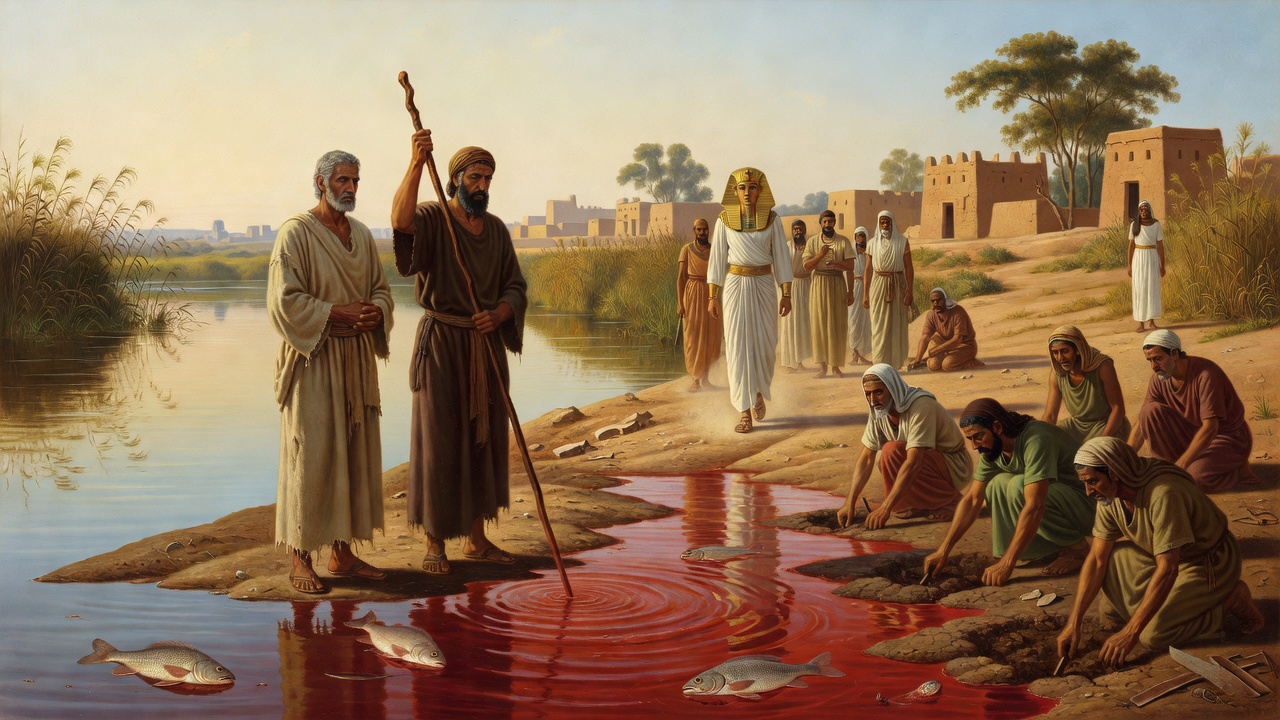
20Moiseba Aaroʌ̃ bid̶a Ãcõrẽba jarad̶a quĩrãca osid̶aa. Moise jʌwad̶e b̶ad̶a bacuruda Aaroʌ̃ba edaped̶a ʌ̃taa wasia. Ʌ̃taa waped̶a Nilo dod̶e tawesia Egiptod̶ebema boro quĩrãpita, Egiptod̶ebema dji dromarã quĩrãpita bid̶a. Ara maʌ̃da dora oa basía. 21Maʌ̃ba b̶edara jũma quinisid̶aa. Dora mĩguia b̶ed̶a bẽrã egiptorãba baidora poya dod̶aẽ́ basía. Ab̶ed̶a jũma Egipto druad̶e baidora oa basía.
22Baribʌrʌ Egiptod̶ebema daubararãba ãdji necawaad̶eba ab̶arica baidora oa babisid̶aa. Maʌ̃ bẽrã Egiptod̶ebema borora so zarea b̶esia. Moiseba Aaroʌ̃ ume jaraped̶ad̶ara idjia ĩjãẽ́ basía Ãcõrẽba jarad̶a quĩrãca. 23Maʌ̃ ne ununacara ununamĩna ne crĩchaẽ́ diguid̶aa wãsia. 24Maʌ̃be egiptorãba do icawa corosid̶aa baido biada ununi carea. Mãwã osid̶aa doed̶abema baidora poya dod̶aẽ́ bẽrã.
Ãcõrẽba baujĩã diabued̶a
25Ãcõrẽba Nilo do oa babid̶acarea siete ewari b̶asia.
Did you know?
Moses and Aaron before Pharaoh
- Moses was eighty years old and Aaron eighty-three when they spoke to Pharaoh. Easton's Bible Dictionary (1897) notes that Aaron, the eldest son of Amram and Jochebed, was born in Egypt three years before his brother Moses. In this chapter the LORD says he has made Moses "like God to Pharaoh," with Aaron as his prophet: Moses is to speak all that he is commanded, and Aaron is to tell Pharaoh to let the Israelites leave his land.Sources: the Bible text itself · Aaron
- Easton's Bible Dictionary (1897) notes that the name Nile is not found in Scripture; the Old Testament calls that river Sihor, "the black stream," or simply "the river," and also "the flood of Egypt." The Nile is formed by the White Nile and the Blue Nile, which meet at Khartoum, and it is the water Aaron strikes in this chapter. The fish died, the river stank, the Egyptians could not drink it and dug around the Nile for water, and seven full days passed.Sources: Nile · the Bible text itself
- Easton's Bible Dictionary (1897) says the Pharaoh of the Exodus was probably Menephtah I, the fourteenth and eldest surviving son of Rameses II, and that he resided at Zoan, where he had the interviews with Moses and Aaron recorded in Exodus. The same entry leaves the identification open: it is still a question whether Seti II or his father Menephtah was that Pharaoh, and some think the evidence favors Seti II.Sources: Pharaoh (of the Exodus) · the Bible text itself
Notes written with AI assistance from open sources (Theographic Bible Metadata, CC BY-SA 4.0; Easton’s Bible Dictionary, public domain) and reviewed before publishing.
Places in this chapter
- Egypt · 30.129, 31.308 · verses 3, 4, 5, 11, 19, 21, 22
- Nile · Today: Nile River · 31.465, 30.367 · verses 15, 17, 18, 20, 21, 24, 25
Only places identified with high confidence are shown (90% or more according to the scholarly sources compiled by OpenBible). Period map: DARE (Digital Atlas of the Roman Empire), CC BY 4.0; modern map: © OpenStreetMap contributors; places: OpenBible.info (CC BY 4.0).
Credits and license for this translation
Ãcõrẽ Bed̶ea
New Testament in Emberá, Northern (PM:emp:Emberá, Northern)
copyright © 2011 Wycliffe Bible Translators, Inc.
Language: Emberá, Northern
Translation by: Wycliffe Bible Translators, Inc.
Copyright Information
© 2011, Wycliffe Bible Translators, Inc. All rights reserved.
This translation text is made available to you under the
terms of the Creative Commons License: Attribution-Noncommercial-No Derivative Works.
( http://creativecommons.org/licenses/by-nc-nd/3.0/ )
In addition, you have permission to port the text to different file formats, as long as you
do not change any of the text or punctuation of the Bible.
You may share, copy, distribute, transmit, and extract portions
or quotations from this work, provided that you include the above copyright
information:
You must give Attribution to the work.
You do not sell this work for a profit.
You do not make any derivative works that change any of the actual words or punctuation of the Scriptures.
Permissions beyond the scope of this license may be
available if you contact
us with your request.
The New Testament
in Emberá, Northern
© 2011, Wycliffe Bible Translators, Inc. All rights reserved.
This translation is made available to you under the terms of the
Creative Commons Attribution-Noncommercial-No Derivatives license 4.0.
You may share and redistribute this Bible translation or extracts from it in any format, provided that:
You include the above copyright and source information.
You do not sell this work for a profit.
You do not change any of the words or punctuation of the Scriptures.
Pictures included with Scriptures and other documents on this site are licensed just for use with those Scriptures and documents.
For other uses, please contact the respective copyright owners.
2014-04-24
Source: http://ebible.org/empNTpo/ · eBible.org