Exodus 3
Ãcõrẽ Bed̶ea · Tap a verse to see its cross-references.
Ãcõrẽba Moise trʌ̃na
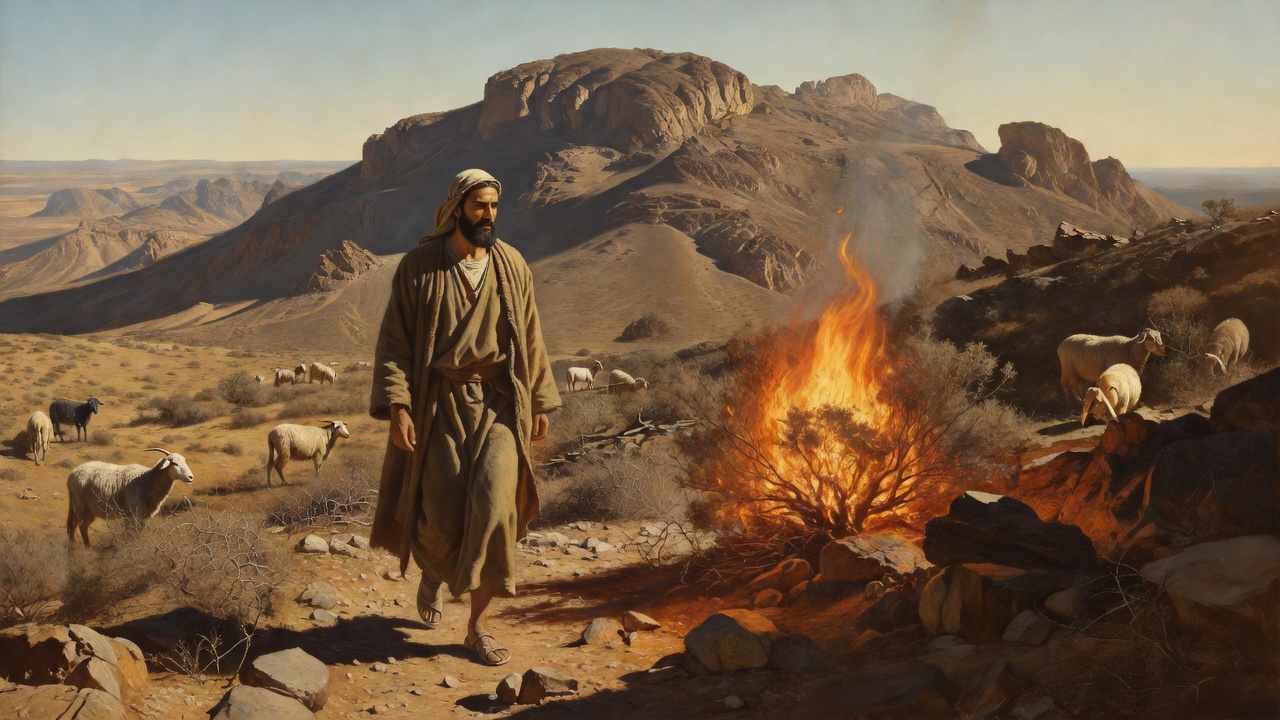
1Moise zãwãrẽ Reuel Jetro abadada Madiaʌ̃nebemarã sacerdote basía. Moiseba idji ovejara wagabadjia. Ewari ab̶a Moiseba dji ovejara dewara orroare ne cobid̶e edesia. Maʌ̃ne idjira ẽjũã põãsa ewaraga b̶ʌd̶e Horeb eyad̶e jũẽne wãsia. Maʌ̃ eyara Ãcõrẽ eya abadaa. 2Mama Ãcõrẽba ara idjida unubisia bacuru zaqued̶e uruga nũmʌda. Moiseba unusia maʌ̃ bacurura eradrʌ nũmʌmĩna baẽ́ b̶ʌda. 3Maʌ̃ carea crĩchasia: “¿Cãrẽda jãwã uruga nũmʌ? Caitaara acʌd̶e wãya sãwãẽrã jãwã baẽ́ b̶ʌ cawaya.”
4Ãcõrẽba Moise caitaara zebʌrʌda unusid̶e maʌ̃ bacuru zaque uruga nũmʌneba trʌ̃ jarasia:
–Moise, Moise.–
Moiseba panusia:
–Mʌ̃ra nama b̶ʌa.–
5Maʌ̃ne Ãcõrẽba idjía jarasia:
–¡Caitaara zerãdua! Nama bʌra mʌ̃ quĩrãpita b̶ʌ bẽrã bʌ jĩrũ jãne jʌ̃ b̶ʌra ẽrãdua. 6Mʌ̃ra bʌ zezaba ĩjã b̶ad̶a Ãcõrẽa. Abrahaʌ̃ba, Isaba, idjab̶a Jacoboba mʌ̃ra ĩjã panasid̶aa.–
Maʌ̃ne Moiseba Ãcõrẽra waya b̶ʌ bẽrã idji quĩrãdarrara jũãtrʌsia Ãcõrẽ acʌ amaaba.
7Ãcõrẽba jarasia:
–Mʌ̃a unu b̶ʌa mʌ̃ purura Egipto druad̶e bio bia mĩga b̶ʌda. Idjab̶a mʌ̃a ũrĩ b̶ʌa ãdjirãba quĩrã djuburiada iwid̶i panʌda. Iwid̶i panʌa mʌ̃a ãdjirãra dji traju obibada bororã jʌwaed̶abemada ẽdrʌ b̶ʌmãrẽã. Mʌ̃a cawa b̶ʌa ãdjirãra wãrãda bia mĩga panʌda. 8Maʌ̃ bẽrã mʌ̃a ãdjirãra egiptorã jʌwaed̶a panʌnebemada ẽdrʌ b̶ʌi carea ze b̶ʌa. Egipto druad̶ebemada ẽdrʌ b̶ʌped̶a mʌ̃a dewara druad̶aa edeya. Maʌ̃ druara bio bia b̶ʌa idjab̶a waib̶ʌa b̶ʌa. Maʌ̃ druad̶e baridua ne uped̶ad̶ara bia zaubaria. Mama cananeorãda, hititarãda, amorreorãda, perezeorãda, heveorãda, idjab̶a jebuseorã sid̶a duanʌa. 9Israelerãba quĩrã djuburia iwid̶i panʌra mʌ̃a ũrĩ b̶ʌa. Idjab̶a unu b̶ʌa egiptorãba ãdjirãra bia mĩga eropanʌda. 10Maʌ̃ carea mʌ̃a bʌra Egiptod̶ebema boromaa diabueya. Idjía jaradua mʌ̃ puru Israel ẽdrʌ b̶ʌmãrẽã. Ẽdrʌ b̶ʌsira ãdjirãra Egiptod̶ebemada ãyã pe ededua.–
11Baribʌrʌ Moiseba jarasia:
–¿Mãwãra mʌ̃ra cai Egiptod̶ebema boro quĩrãpita bed̶ead̶e wãi carea idjab̶a israelerãra Egiptod̶eba ãyã edei carea?–
12Maʌ̃ne Ãcõrẽba panusia:
–Wãdua. Mʌ̃ra bʌ ume b̶aya. Mʌ̃a nãwã unubiya bʌra wãrãda diabuesida. Bʌa israelerãra Egiptod̶ebemada ãyã edeped̶a bãrãba naʌ̃ eyad̶e mʌ̃́a bia bed̶ead̶e zed̶ia.–
13Baribʌrʌ Moiseba jarasia:
–Israelerãmaa wãped̶a bãrã drõã naẽnabemarãba ĩjã panana Ãcõrẽba mʌ̃ra bãrãmaa diabuesiad̶a abʌrʌd̶e ãdjirãba iwid̶id̶ia: “¿Idjira casa trʌ̃bada?” Maʌ̃ne ¿mʌ̃a cãrẽda jarai?–
14Ãcõrẽba panusia:
–Mʌ̃ trʌ̃ra nãwã jarabadaa: “Mʌ̃ra mʌ̃a.” Maʌ̃ bẽrã israelerãa jaradua: “Dadji Ãcõrẽ ‘Mʌ̃ra mʌ̃a’ abadaba mʌ̃ra bãrãmaa diabuesia.”–
15Idjab̶a jarasia:
–Israelerãa jaradua: “Dadji Ãcõrẽba mʌ̃ra bãrãmaa diabuesia. Dadji drõã naẽnabema Abrahaʌ̃ba, Isaba, idjab̶a Jacobo bid̶a idjira ĩjã panasid̶aa.” Mʌ̃ trʌ̃ Jehová abadara ewariza b̶aya. Maʌ̃ trʌ̃neba ẽberãrãba mʌ̃ra cawa panania.
16Egiptod̶aa wãdua. Jãma jũẽped̶a israelerã bororã ume bed̶eadua. Ãdjirãa jaradua: “Dadji Boro Ãcõrẽba mʌ̃́a ara idjida unubisia. Dadji drõã naẽnabema Abrahaʌ̃ba, Isaba, idjab̶a Jacoboba idjira ĩjã panasid̶aa. Idjia nãwã jarasia: mʌ̃a bãrã israelerãra acʌ b̶ʌ bẽrã unu b̶ʌa egiptorãba bãrãra biẽ́ o panʌda. 17Idjia bãrãra Egiptod̶e bia mĩga panʌda ẽdrʌ b̶ʌped̶a dewara druad̶aa edeyad̶a asia. Maʌ̃ druad̶e baridua ne uped̶ad̶ara bia zaubaria. Mama cananeorãda, hititarãda, amorreorãda, perezeorãda, heveorãda, idjab̶a jebuseorã sid̶a duanʌa.”
18Bʌa jarabʌrʌra israelerã bororãba ĩjãnia. Maʌ̃be ãdjirãra bʌ ume ededua Egiptod̶ebema boromaa. Bãrãba idjía jarad̶adua: “Dai hebreorã Ãcõrẽda daima odjaped̶a jarasia idjía animarã babue diad̶e wãnamãrẽã. Maʌ̃ bẽrã dairãra ẽjũã põãsa ewaraga b̶ʌd̶e ewari ũbea idu wãbidua mãwã od̶i carea.”
19Baribʌrʌ mʌ̃a cawa b̶ʌa Egiptod̶ebema boroba israelerãra ẽdrʌ b̶ʌẽ́da mʌ̃a idjía mãwã obiẽ́bʌrʌ. 20Maʌ̃ bẽrã mʌ̃ ʌb̶ʌada egiptorãa unubiya. Zocãrã ne ununaca waib̶ʌa b̶eada oya ãdjirãra cawa oi carea. Mãwãbʌrʌ Egiptod̶ebema boroba israelerãra idu wãbiya.
21Idjab̶a mʌ̃a o b̶ʌ carea egiptorãba israelerãra bia ununi bẽrã ne diad̶ia. Mãwã israelerãra Egiptod̶eba ẽdrʌbʌdad̶e ara jãwã ẽdrʌd̶aẽ́a. 22Jũma israelerã wẽrãrãba ãdji caita panʌ egiptorãa parata od̶ada, oro od̶a sid̶a iwid̶id̶ida panʌa. Cacuad̶e jʌ̃bada sid̶a ãdji warrarã itea, wẽrãcaurã itea bid̶a iwid̶id̶ida panʌa. Ara maʌ̃ quĩrãca baridua Egiptod̶ebema wẽrã maʌ̃ ded̶e b̶ʌ́a bid̶a iwid̶id̶ida panʌa. Mãwã israelerãba ne jũma bia Egiptod̶ebemara edad̶ia.
Did you know?
The Call of Moses at the Burning Bush
- Moses is shepherding in Midian when this chapter begins. The Midianites were a nomadic Arabian tribe descended from Midian, Abraham's fourth son by Keturah, whose name is explained as strife. They lived chiefly in the desert north of Arabia, and the Sinai peninsula was grazing land for their flocks; it was there, after fleeing Egypt, that Moses became a servant and then the priest's son-in-law.Sources: the Bible text itself · Midian · Midian
- His father-in-law is Jethro, called the priest of Midian. Easton's Bible Dictionary (1897) equates that priest with Raguel and says that, if the two names belong to one man, Raguel may be regarded as his personal name and Jethro, meaning excellency, as an official title.Sources: the Bible text itself · Jethro
- Moses leads the flock to Horeb, the mountain of God. The name is explained as desert, or mountain, of the dried-up ground, a general term for the whole range of which Sinai was one summit; Easton's Bible Dictionary (1897) gives the modern name of the range as Jebel Musa and describes a huge block about two miles long and about one mile wide, with a very spacious plain called Er Rahah at its north-east end, where the Israelites later camped for nearly a year.Sources: the Bible text itself · Horeb
Notes written with AI assistance from open sources (Theographic Bible Metadata, CC BY-SA 4.0; Easton’s Bible Dictionary, public domain) and reviewed before publishing.
Places in this chapter
- Midian · 28.495, 35.012 · verse 1
- Mount Horeb · Today: Jebel Musa · 28.540, 33.973 · verse 1
- Egypt · 30.129, 31.308 · verses 7, 8, 10, 11, 12, 16, 17, 18, 19, 20, 22
Only places identified with high confidence are shown (90% or more according to the scholarly sources compiled by OpenBible). Period map: DARE (Digital Atlas of the Roman Empire), CC BY 4.0; modern map: © OpenStreetMap contributors; places: OpenBible.info (CC BY 4.0).
Credits and license for this translation
Ãcõrẽ Bed̶ea
New Testament in Emberá, Northern (PM:emp:Emberá, Northern)
copyright © 2011 Wycliffe Bible Translators, Inc.
Language: Emberá, Northern
Translation by: Wycliffe Bible Translators, Inc.
Copyright Information
© 2011, Wycliffe Bible Translators, Inc. All rights reserved.
This translation text is made available to you under the
terms of the Creative Commons License: Attribution-Noncommercial-No Derivative Works.
( http://creativecommons.org/licenses/by-nc-nd/3.0/ )
In addition, you have permission to port the text to different file formats, as long as you
do not change any of the text or punctuation of the Bible.
You may share, copy, distribute, transmit, and extract portions
or quotations from this work, provided that you include the above copyright
information:
You must give Attribution to the work.
You do not sell this work for a profit.
You do not make any derivative works that change any of the actual words or punctuation of the Scriptures.
Permissions beyond the scope of this license may be
available if you contact
us with your request.
The New Testament
in Emberá, Northern
© 2011, Wycliffe Bible Translators, Inc. All rights reserved.
This translation is made available to you under the terms of the
Creative Commons Attribution-Noncommercial-No Derivatives license 4.0.
You may share and redistribute this Bible translation or extracts from it in any format, provided that:
You include the above copyright and source information.
You do not sell this work for a profit.
You do not change any of the words or punctuation of the Scriptures.
Pictures included with Scriptures and other documents on this site are licensed just for use with those Scriptures and documents.
For other uses, please contact the respective copyright owners.
2014-04-24
Source: http://ebible.org/empNTpo/ · eBible.org