Luke 3
Lëk yam · Tap a verse to see its cross-references.
Piööc ë Joon raan kɔc muɔɔc nhïïm
1Ɣɔn yen ruɔ̈ɔ̈n thiäär ku dhiëc ke Tiberiöth ye bɛ̈ny, ku Pilato ke ye bɛ̈nydït mac Judia, Antipäth Ɣërot ë ye bɛ̈ny Galilia ku Pilipo wämënh ë mac Ituria kek Trakonitith, ku Lithaniath ë ye bɛ̈ny Abilene, 2ku Anath kek Kaipa aake ye bänydït käk Nhialic. Tɛ̈ɛ̈në, ke Nhialic lëk wɛ̈t Joon wën Dhäkaria tɔ̈ roor. 3Go Joon bɛ̈ɛ̈i tɔ̈ wär Jordan yɔu kuɛny yiic ke wëët kɔc, “Pälkë luɔi kärɛc, ku calkë röt aa muɔc nhïïm, rin bï adumuɔ̈ɔ̈mkun päl piny tënë we.” 4Cïmën cï ye gɔ̈t athör Ithaya yic raan käk Nhialic tïŋ ëlä,
“Raan käkkiɛ̈ tïŋ abï këcït lɔ̈ɔ̈r gut yic bï yen kɔc caal tɛ̈de ë rot,
ku lëk keek ëlä,
‘Guiɛrkë dhël ë Bɛ̈ny, luɔikë dhɔ̈lke bïk la cök.
5Thɔ̈nykë ɣɔ̈n la tiäm piny
ku dhuɔ̈kkë ɣɔn thöny nhïïm piny,
ku cɔ̈kkë dhël cie yic neer,
ku thɔ̈ɔ̈ŋkë dhɔ̈l la yiic ŋɔny nhïïm.
6Ku raan ëbën, abï tɛ̈ ye Nhialic ɣook luäk thïn tïŋ!’ ”
7Ku lëk kɔc juëc bɔ̈ tënë ye bï ke bɛ̈n muɔɔc nhïïm, “Awek dhiënh käpiɛny! Yeŋa lëk we bäk kat kërɛɛc bɔ̈? 8Luɔikë käk ye nyooth lɔn cï wek muɔ̈l kärɛc yakë ke looi. Ku duɔ̈kkë wepuɔ̈th tɔŋ ku luɛlkë ɣok aa mïth Abaram. Alɛ̈k we lɔn alëu Nhialic bï aleelkä cɔl aaye mïth Abaram. 9Ku ëmën yëp acï ther bï ke tiim yep, rin na ye tim cie luɔk, ka yep ku cuɛt ë mɛɛc.”
10Go thän awën Joon thiëëc ëlä, “Na ye këya, buk ŋö looi?” 11Go Joon bɛ̈ɛ̈r, “Raan la alɛ̈th karou, adhil tök yiëk raan cïn alath, ku raan la miëth adhil looi këya.”
12Go kɔc ajuër kut bɛ̈n tënë ye aya bï ke bɛ̈n muɔɔc nhïïm, ku thiëckë, “Raan piööc buk ŋö looi?” 13Go lɛ̈k ke, “Duɔ̈kkë wëëu ye lööm ë ruëëny tënë kɔc.” 14Go apuruuk bɛ̈n ku thiëckë ëlä, “Na ɣook, buk ŋö looi?” Go lɛ̈k ke, “Duɔ̈kkë kɔc ye rum, ku duɔ̈kkë kɔc ye gaany wɛ̈t ë lueth, ku yakë puɔ̈th la yum ariɔ̈pdun yic.”
15Go ŋäthden jäl dït, ku yekë tak lɔn nadë ke mony abï dhiɛl a Raan cï Nhialic lɔc ku dɔɔc. 16Go Joon lɛ̈k ke ëbën ëlä, “Wek aa ya muɔɔc nhïïm pïu ë path, ku raan dït ku ril apɛi tënë ɣa abɔ̈, raan na cɔk aa warke ka cä lëu ba ke dɔ̈k. Ku ë yic ɣɛn acïï path ba lëu, ba ya aluɔnyde. Ku yeen abï kɔc kɔ̈k weyiic muɔɔc nhïïm Wëi Nhialic, ku muɔɔc kɔc kɔ̈k nhïïm ë mac. 17Yeen acït raan muk lɔk käm ye rap kɔ̈ɔ̈m, bï rap tek thook kek miël. Ku wiiu rap ku tɔ̈u ke. Ku yɔɔt miël many cie thou.”
18Wël kɔ̈k cït käkkä aacï Joon lɛ̈k kɔc apɛi bï yen Wɛ̈t Puɔth Yam piɔ̈ɔ̈c thïn.
Joon raan kɔc muɔɔc nhïïm acï mac
19Ku Joon ëcï Antipäth Ɣërot, bɛ̈ny Galilia jääm guɔ̈p kärɛc apɛi, rin cï yen Ɣërodia tiŋ wämënh rum bï ya tiɛŋde, ku looi käjuëc rɛc kɔ̈k aya. 20Go Antipäth Ɣërot Joon mac, ku kënë ë kërɛɛc dɛ̈t cï mat käracken cï looi yiic.
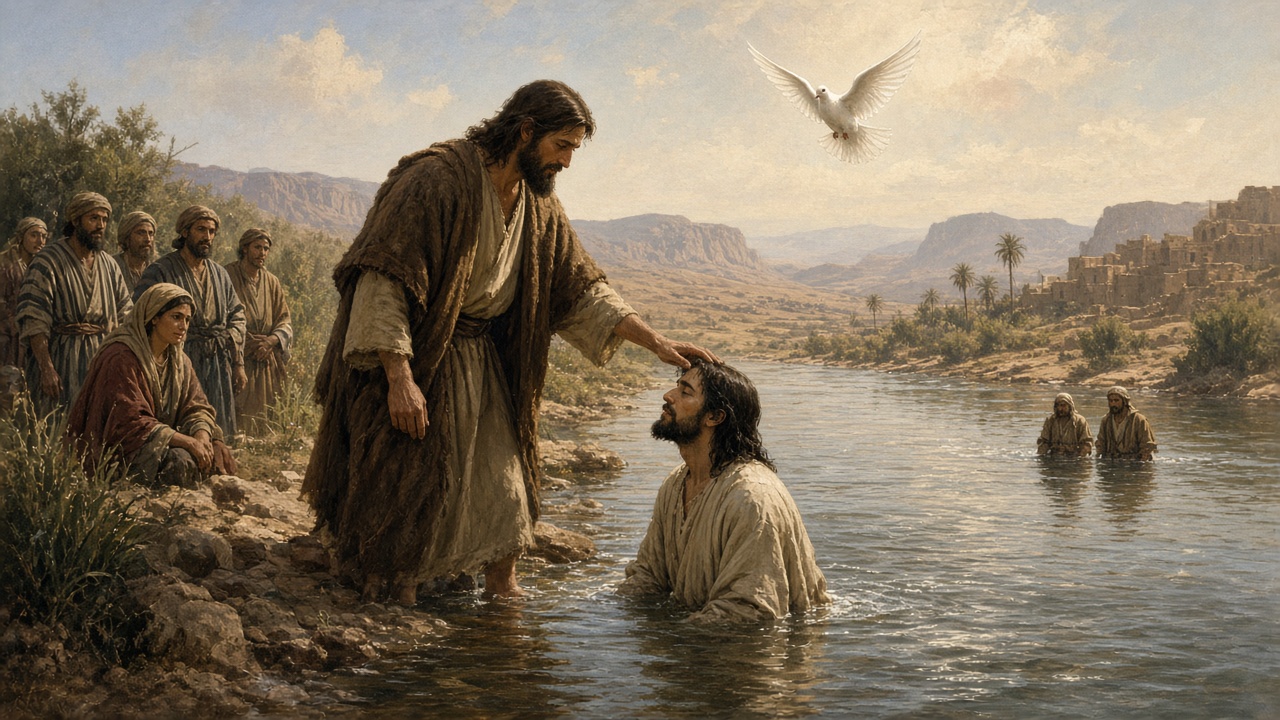
Jethu acï muɔɔc nhom
21Nawën cï thän awën muɔɔc nhom ëbën, ku Jethu ke cï muɔɔc nhom aya. Kaam wën röök yen ke nhial liep rot. 22Ku bɔ̈ Wëi Nhialic yenhom kecït kuur ë dit. Ku piŋ röl Nhialic nhial ke lueel, “Yïn ë manhdiɛ̈n nhiaar. Ɣɛn amit puɔ̈u kek yï.”
Kuat Jethu
23Wäär jɔɔk Jethu piɔ̈ɔ̈cde cök, ke ruɔ̈nke aake ye thiärdiäk.
Ku ë ye raan ëbën tak lɔn ë yen wën Jothep, wäär wën Ɣeli,
24wën Mathat, wën Lebï, wën Melki, wën Janai, wën Jothep,
25wën Matathia, wën Amoth, wën Naɣum, wën Ethli, wën Nagai,
26wën Manth, wën Matathia, wën Themein, wën Jothek, wën Joda,
27wën Joanan, wën Retha, wën Dherubabel, wën Cealtiel, wën Neri,
28wën Melki, wën Adi, wën Kotham, wën Elmadam, wën Er,
29wën Jocua, wën Eliedher, wën Jorim, wën Mathat, wën Lebï,
30wën Thaimon, wën Juda, wën Jothep, wën Jonam, wën Eliakim,
31wën Meliea, wën Mena, wën Matatha, wën Nathan, wën Debit,
32wën Jethe, wën Obet, wën Boath, wën Thalmon, wën Nacon,
33wën Aminadap, wën Admin, wën Arni, wën Ɣedhron, wën Peredh, wën Juda,
34wën Jakop, wën Ithäk, wën Abaram, wën Tera, wën Naɣör,
35wën Theruk, wën Reu, wën Pelek, wën Eber, wën Cela,
36wën Kainan, wën Arpakcat, wën Cem, wën Noa, wën Lamek,
37wën Methuthela, wën Enok, wën Jaret, wën Malaleel, wën Kenan,
38wën Enok, wën Theth, wën Adam wën Nhialic.
Did you know?
John the Baptist prepares the way
- Luke sets John's preaching in the fifteenth year of Tiberius Caesar, the stepson of Augustus, who succeeded him in A.D. 14 and died in A.D. 37. Easton's Bible Dictionary (1897) notes that John began his public ministry in that year, and that Pontius Pilate, the sixth Roman procurator of Judea from A.D. 26 to 36, kept his headquarters at Caesarea during a term that covered the ministries of John and Jesus. Herod Antipas, a son of Herod, was then tetrarch of Galilee.Sources: the Bible text itself · Tiberius · Pontius Pilate · Herod Antipas
- The chapter dates these events during the high priesthood of both Annas and Caiaphas. Easton's Bible Dictionary (1897) records that Annas was high priest from A.D. 7 to 14 and was deposed by the Roman procurator, and that Caiaphas, who had married Annas's daughter, was raised to that office in A.D. 25. The same entry suggests that the Jews may still have regarded Annas as the lawful high priest, since Mosaic law held the office for life, and that he probably served with Caiaphas as president of the Sanhedrin or as the high priest's deputy.Sources: the Bible text itself · Annas
- John, son of Zechariah, was of priestly descent: his father was a priest of the course of Abia, and his mother, Elizabeth, belonged to the daughters of Aaron. Easton's Bible Dictionary (1897) notes that his mission was the subject of prophecy, including Isaiah's voice crying in the wilderness, and that his birth came six months before the birth of Jesus. In this chapter he preaches a baptism of repentance throughout the region around the Jordan, and Herod the tetrarch later imprisons him after John rebukes him over Herodias.Sources: the Bible text itself · John the Baptist
Notes written with AI assistance from open sources (Theographic Bible Metadata, CC BY-SA 4.0; Easton’s Bible Dictionary, public domain) and reviewed before publishing.
Places in this chapter
- Abilene · 33.627, 36.106 · verse 1
- Galilee · 32.760, 35.527 · verses 1, 19
- Ituraea · 33.400, 35.850 · verse 1
- Judea · Today: Judea 1 · 31.777, 35.234 · verse 1
- Trachonitis · Today: Lajat · 32.969, 36.455 · verse 1
- Jordan · Today: Jordan River · 31.761, 35.558 · verse 3
Only places identified with high confidence are shown (90% or more according to the scholarly sources compiled by OpenBible). Period map: DARE (Digital Atlas of the Roman Empire), CC BY 4.0; modern map: © OpenStreetMap contributors; places: OpenBible.info (CC BY 4.0).
Credits and license for this translation
Lëk yam
New Testament in Dinka, Southwestern (SU:dik:Dinka, Southwestern)
copyright © 2006 Wycliffe Bible Translators, Inc.
Language: Dinka, Southwestern
Translation by: Wycliffe Bible Translators, Inc.
Dinka, Southwestern
dik
Sudan
Copyright Information
© 2006, Wycliffe Bible Translators, Inc. All rights reserved.
This translation text is made available to you under the
terms of the Creative Commons License: Attribution-Noncommercial-No Derivative Works.
( http://creativecommons.org/licenses/by-nc-nd/3.0/ )
In addition, you have permission to port the text to different file formats, as long as you
do not change any of the text or punctuation of the Bible.
You may share, copy, distribute, transmit, and extract portions
or quotations from this work, provided that you include the above copyright
information:
You must give Attribution to the work.
You do not sell this work for a profit.
You do not make any derivative works that change any of the actual words or punctuation of the Scriptures.
Permissions beyond the scope of this license may be
available if you contact
us with your request.
The New Testament
in Dinka, Southwestern
© 2006, Wycliffe Bible Translators, Inc. All rights reserved.
This translation is made available to you under the terms of the
Creative Commons Attribution-Noncommercial-No Derivatives license 4.0.
You may share and redistribute this Bible translation or extracts from it in any format, provided that:
You include the above copyright and source information.
You do not sell this work for a profit.
You do not change any of the words or punctuation of the Scriptures.
Pictures included with Scriptures and other documents on this site are licensed just for use with those Scriptures and documents.
For other uses, please contact the respective copyright owners.
2014-04-22
Source: http://ebible.org/dikNT/ · eBible.org