Luke 2
Lëk yam · Tap a verse to see its cross-references.
Jethu acï dhiëëth
1Bɛ̈nyŋaknhom cɔl Cithɛ̈r ëcï wɛ̈t lueel bï kɔc bɛ̈ɛ̈i mɛc ke kueen. 2Ku kën yen ë tɛ̈ jɔɔk kuɛ̈n ë kɔc rot tɛ̈wäär ye Kuirino bɛ̈ny pan Thiria. 3Go raan ëbën la bï la gɔ̈t rin, ŋɛk pan wundït ku ŋɛk pan wundït.
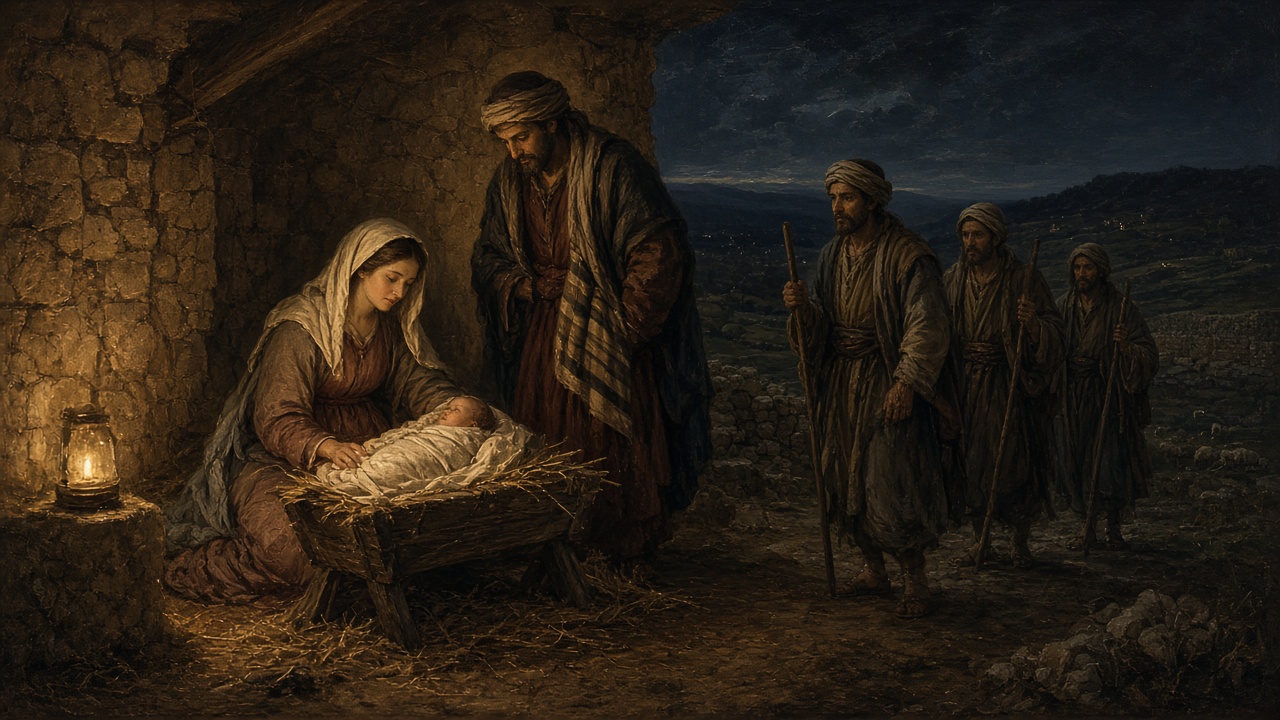
4Go Jothep jäl Nadharet tɔ̈ Galilia bï la gen Bɛ̈nyŋaknhom Debit, tɔ̈ pan Judia cɔl Bethalem, rin ye yen raan dhiënh Debit. 5Acï la bïk riɛnken la gɔ̈t kek Maria wïc kacken bïk gäm ye, ku ë liac. 6Tɛ̈wën rëër kek Bethalem, ke nïn bï Maria dhiëth thök. 7Ku dhiëëth wënde, ku der kɔ̈u alath ku tɛ̈ɛ̈u diaany yic wën liiu tënë anïïn ɣön jɔ̈ɔ̈l.
8Ku kɔc biöök aake rɛ̈ɛ̈r pan wën, ku aake ruu tiɛ̈t ë thäkken. 9Kaam wën ka atuny Nhialic tul kelɔ̈m ku ruel ɣɛr Nhialic kekɔ̈th bï ke riaal. Gokë riɔ̈ɔ̈c apɛi. 10Go atuny Nhialic lɛ̈k ke, “Duɔ̈kkë riɔ̈c, ee wɛ̈t path yen alɛ̈k we, wɛ̈t bï thäi ëbën puɔ̈th miɛt thïn. 11Rin akölë, gen Debit tɛ̈n, Bɛ̈ny Pïr kɔc acï dhiëëth, ku yen ë Raan cï Nhialic lɔc ku dɔɔc. 12Ku abäk ŋic këlä, wek aabï meth yök, manh cï der kɔ̈u alath, ku acï tɔ̈ɔ̈u gɔl cök.”
13Kaam awën ka atuuc juëc kɔ̈k mɛt röt thïn ku leckë Nhialic ku luelkë,
14“Yeku Nhialic door, Aciëŋ tɔ̈ nhial,
ku dɔ̈ɔ̈r pinynhom tënë kɔc nhiɛɛr.”
15Nawën cï atuuc juëckä dhuk nhial, go kɔc awën lueel kamken, “Lok Bethalem buk käk cï lɛ̈k ɣo la tïŋ, ku käk cï Bänyda nyuɔ̈th ɣo.” 16Gokë la ke ban kekɔ̈th, ku yökkë Jothep kek Maria ku Meth ke cï tääu gɔl cök. 17Nawën tïŋ abiök meth, ke lëk kɔc ëbën käwën cï atuny Nhialic lueel ë riɛnke. 18Go kɔc cï wël kɔc abiök piŋ gäi apɛi. 19Go Maria wëlkä ëbën piŋ apath, ku muk ke yepuɔ̈u. 20Go kɔc abiök awën dhuk ke lec Nhialic, rin käk cïk piŋ ku tïŋkë ke, kecït tɛ̈wäär cï atuny Nhialic lɛ̈k ke.
Jethu acï cäk
21Nawën aköl ye nïn bɛ̈t, aköl yen bï ye ŋoot, go cäk ke cɔl Jethu, rin wäär kek cï atuny Nhialic lueel wäär ŋot këc Maria liëc ë ye.
Jethu acï ɣäth luaŋ Nhialic
22Nawën cï nïn thiärŋuan thök cït löŋ Mothith, ke Jothep kek Maria la luaŋ Nhialic Jeruthalem bïk meth la nyuɔɔth, 23cïmën löŋ cï Mothith nyooth thɛɛr ëlä, “Manh moc, ku ye kaai abï juɛ̈r Nhialic.” 24Ku keek aya aacï kuɔ̈r karou juaar cïmën löŋ Bɛ̈ny.
25Ku mony cɔl Thaimon ë ciëŋ Jeruthalem, ku ë raan path apɛi ku ë riɔ̈c Nhialic. Ku ë tit Raan Pïr kɔc Itharel, ku Wëi Nhialic ë tɔ̈ yeguɔ̈p. 26Ku ëcï Wëi Nhialic lɛ̈k ye lɔn cïï yen bï kaŋ thou, tɛ̈ këc yen Raan cï Nhialic lɔc ku dɔɔc kaŋ tïŋ. 27Nawën ɣɛ̈th Maria ku Jothep Jethu luaŋ Nhialic, bïk kë ye löŋ Mothith lueel la looi, ke tɛ̈ɛ̈u Wëi Nhialic Thaimon puɔ̈u bï la luaŋ Nhialic aya. 28Go Thaimon Jethu jɔt ku leec Nhialic ku lueel,
29“Ee yïn Bɛ̈ny, yïn acï wɛ̈tdu tiɛɛŋ nhom,
jɔl aluɔnydu puɔ̈l bï jäl, ke cï la läŋ.
30Tɛ̈ bï yïn kacku kuɔny thïn aca tïŋ nyiɛ̈nkiɛ̈,
31ku aca guiir thɛ̈i nhom
32ku ee piny mer bï kɔc cie kɔc Itharel käŋ tïŋ
ku bï Itharel thändu aleec thïn.”
33Kaam wën kɛ̈ɛ̈c Jothep kek Maria ke cï gäi wël lueel Thaimon rin meth Jethu, 34go Thaimon ke dɔɔc ku lueel tënë Maria, “Yen manh kënë acï Nhialic lɔc bï kɔc juëc Itharel muɔ̈r ku pïïr kɔc kɔ̈k. Ku yeen abï ya raan bï wɛ̈t Nhialic nyuɔɔth, ku abï kɔc juëc wël rɛc aa luɛɛl yeguɔ̈p. 35Ku yïn Maria, yïn abï reem puɔ̈u ciɛ̈t yï cï gut pal, bï wɛ̈t tɔ̈ kɔc juëc puɔ̈th jäl ŋic thïn.”
36Ku tiŋ käk Nhialic tïŋ cɔl Ana ë tɔ̈ thïn, ku ë ye nyan mony cɔl Panuel, raan dhiënh cɔl Acer kuat Itharel yic. Ana ëcï dhiɔp apɛi, ku ëcï thiaak ku rëër kek muɔnyde run kadhorou ku thou muɔnyde. 37Ku jɔl Ana lɔ̈k rëër ke ye lëër ruɔ̈ɔ̈n thiärbɛ̈t ku ŋuan. Ëcie jäl luaŋ Nhialic, ë ye cool ku ruu ke loi käk Nhialic, ku röök ku theek miëth. 38Ku akölë guɔ̈p acï rot mät kɔc wën, ku leec Nhialic ku lueel wɛ̈tde rin meth, tënë kɔc ye tiit lɔn bï Nhialic thänden Itharel wɛ̈ɛ̈r bei.
Jethu acï dhuɔ̈k Nadharet
39Nawën cïk këriëëc ëbën jäl looi cïmën löŋ Nhialic, ke Maria ku Jothep dhuk Galilia Nadharet panden. 40Ku jɔl Jethu dït ku ril apɛi, ku ŋic käŋ ku dɔɔc Nhialic.
Jethu ë tɔ̈ luaŋ Nhialic
41Ruɔ̈ɔ̈n ëbën Jothep kek Maria aake ye la Jeruthalem rin Yandït Ayum cïn yic luɔu. 42Naɣɔn cï run Jethu jäl aa thiäär ku rou, ke cath ke ke bïk la yai yic Jeruthalem. 43Nawën cï yai thök ke dhuk ciëën, ku kuckë lɔn cï Jethu döŋ geeu, 44ë cïk tak lɔn ciɛth yen ke kɔc kɔ̈k, ku ciɛthkë ɣet thëi. Nawën ke wïckë kam kɔc ruääi ke ke ku kɔc ŋickë. 45Nawën cïk yök, gokë dhuk Jeruthalem bïk bɛn la wïc thïn. 46Na aköl ye nïn diäk, ke jɔlkë yök luaŋ Nhialic Jeruthalem, ke cï nyuc kam kɔc piööc lööŋ Nhialic ke piŋ wɛ̈lken, ku yeke thiëëc. 47Go kɔc ëbën gäi wën piŋ kek ye ke jam cïmën raan ŋic käŋ apɛi, ku tɛ̈ bëër yen wɛ̈lken aya. 48Nawën tïŋkë manhden ke gɛ̈i ku lueel man, “Yeŋö manhdiɛ̈ looi yïn kënë tënë ɣo? Yïn acuk wïc apɛi ɣok wuur.”
49Go lɛ̈k ke, “Yeŋö wiɛ̈ckë ɣa? Kuɔ̈ckë lɔn dhil ɣɛn käk ë Wä looi?” 50Ku aa këc wɛ̈t cï lueel deet yic.
51Go Jethu jäl ke ke ku dhukkë Nadharet, ku jɔlkë ceŋ ke ye wɛ̈lken piŋ, ku jɔl man käkkä muk yepuɔ̈u. 52Ku jɔl Jethu dït ku ŋic käŋ apɛi. Ku Nhialic ë mit puɔ̈u tënë ye, ku yen lɔn kɔc aya.
Did you know?
The Birth and Early Years of Jesus
- Luke places Jesus’ birth at the time of a decree from Caesar Augustus that a census be taken of the whole empire. Augustus was the cognomen of the first Roman emperor, C. Julius Caesar Octavianus; the title, meaning “majesty” or “venerable,” was first given by the senate. Luke calls this the first census while Quirinius was governor of Syria—Cyrenius being the Greek form of Publius Sulpicius Quirinus.Sources: the Bible text itself · Augustus · Cyrenius
- Joseph lived in Nazareth in Galilee, and he went up from there to Judea, to Bethlehem, the city of David, because he belonged to David’s house and line. Bethlehem lies in the hill country of Judah and was David’s own city: David, the eighth and youngest son of Jesse, was a citizen of Bethlehem. Mary, pledged to Joseph in marriage and expecting a child, traveled with him to register.Sources: the Bible text itself · Joseph (Mary's Husband) · Bethlehem · David
- When the time of purification required by the Law of Moses was complete, the parents brought the child to Jerusalem to present him to the Lord, offering a pair of turtledoves or two young pigeons. In the temple they met Simeon and Anna, a prophetess, daughter of Phanuel, of the tribe of Asher. She had been married for seven years and then was a widow to the age of eighty-four, and she never left the temple, worshiping night and day, fasting and praying.Sources: the Bible text itself · Anna
Notes written with AI assistance from open sources (Theographic Bible Metadata, CC BY-SA 4.0; Easton’s Bible Dictionary, public domain) and reviewed before publishing.
Places in this chapter
- Syria · Today: Syria 2 · 33.511, 36.306 · verse 2
- Bethlehem · 31.704, 35.208 · verses 4, 11, 15
- Galilee · 32.760, 35.527 · verses 4, 39
- Judea · Today: Judea 1 · 31.777, 35.234 · verse 4
- Nazareth · 32.702, 35.298 · verses 4, 39, 43, 51
- Jerusalem · 31.777, 35.234 · verses 22, 25, 38, 41, 42, 43, 45
Only places identified with high confidence are shown (90% or more according to the scholarly sources compiled by OpenBible). Period map: DARE (Digital Atlas of the Roman Empire), CC BY 4.0; modern map: © OpenStreetMap contributors; places: OpenBible.info (CC BY 4.0).
Credits and license for this translation
Lëk yam
New Testament in Dinka, Southwestern (SU:dik:Dinka, Southwestern)
copyright © 2006 Wycliffe Bible Translators, Inc.
Language: Dinka, Southwestern
Translation by: Wycliffe Bible Translators, Inc.
Dinka, Southwestern
dik
Sudan
Copyright Information
© 2006, Wycliffe Bible Translators, Inc. All rights reserved.
This translation text is made available to you under the
terms of the Creative Commons License: Attribution-Noncommercial-No Derivative Works.
( http://creativecommons.org/licenses/by-nc-nd/3.0/ )
In addition, you have permission to port the text to different file formats, as long as you
do not change any of the text or punctuation of the Bible.
You may share, copy, distribute, transmit, and extract portions
or quotations from this work, provided that you include the above copyright
information:
You must give Attribution to the work.
You do not sell this work for a profit.
You do not make any derivative works that change any of the actual words or punctuation of the Scriptures.
Permissions beyond the scope of this license may be
available if you contact
us with your request.
The New Testament
in Dinka, Southwestern
© 2006, Wycliffe Bible Translators, Inc. All rights reserved.
This translation is made available to you under the terms of the
Creative Commons Attribution-Noncommercial-No Derivatives license 4.0.
You may share and redistribute this Bible translation or extracts from it in any format, provided that:
You include the above copyright and source information.
You do not sell this work for a profit.
You do not change any of the words or punctuation of the Scriptures.
Pictures included with Scriptures and other documents on this site are licensed just for use with those Scriptures and documents.
For other uses, please contact the respective copyright owners.
2014-04-22
Source: http://ebible.org/dikNT/ · eBible.org