Micah 1
परमेश्वरन सत्य वचन · Tap a verse to see its cross-references.
About this book
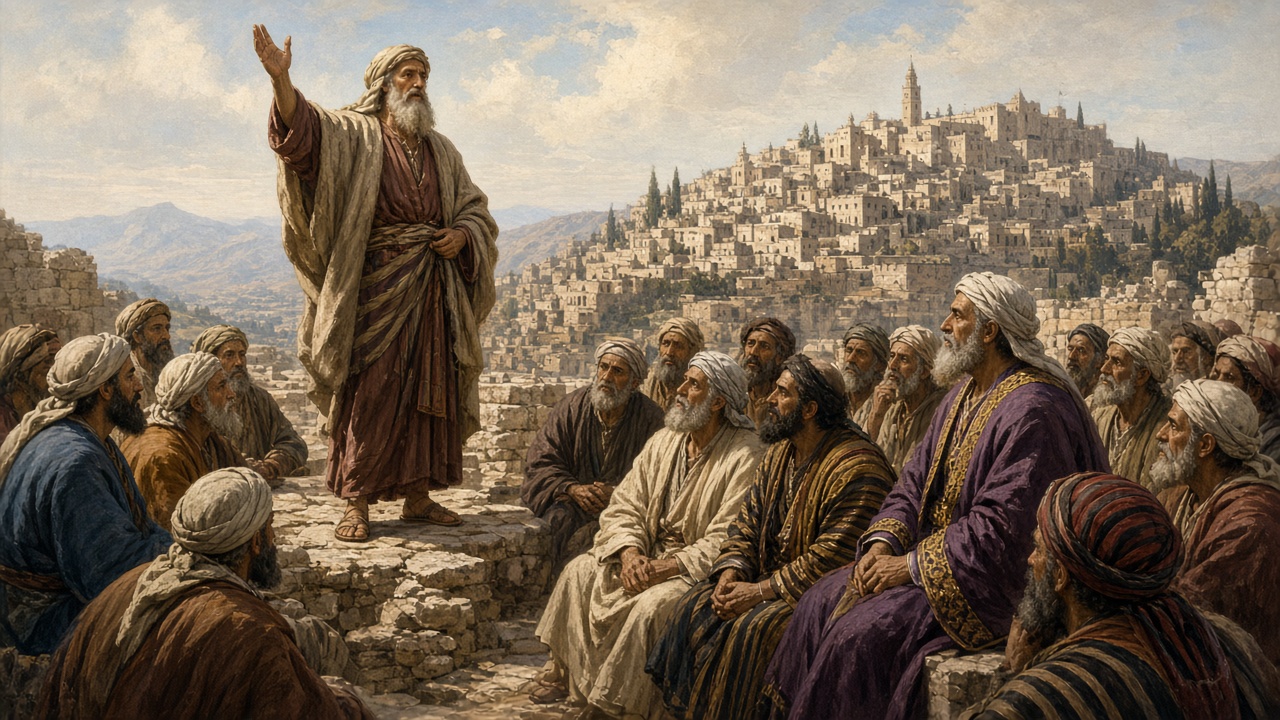
About Micah
- According to the superscription, as Easton's Bible Dictionary (1897) records it, Micah exercised his office in the reigns of Jotham, Ahaz, and Hezekiah. Easton offers two ways of reckoning that ministry: from the beginning of Jotham's reign to the end of Hezekiah's (B.C. 759-698), about fifty-nine years, or from Jotham's death to Hezekiah's accession (B.C. 743-726), only sixteen years.Sources: Easton: Micah, Book of
- Easton's entry on Micah calls him the Morasthite, to distinguish him from Micaiah the son of Imlah. It describes him as a prophet of Judah, a contemporary of Isaiah, and a native of Moresheth of Gath, and notes that very little is known of the circumstances of his life.Sources: Micah
- The kings named in the superscription ruled Judah in succession. Easton says that Jotham, son of Uzziah, reigned in the fear of God and prospered; that Ahaz turned to idolatry and appealed to Tiglath-pileser of Assyria against Rezin of Damascus and Pekah of Israel; and that Hezekiah, Ahaz's son, carried out a reformation to abolish idolatry in Judah, including worship of the bronze serpent.Sources: Jotham · Ahaz · Hezekiah
- Easton's Bible Dictionary (1897) places the book sixth among the so-called minor prophets and describes three sections, each opening with a rebuke, "Hear ye," and closing with a promise: chapters 1-2; chapters 3-5, addressed especially to the princes and heads of the people; and chapters 6-7, in which Jehovah is represented as holding a controversy with his people. The whole concludes with a song of triumph over the great deliverance the Lord will achieve for his people.Sources: Easton: Micah, Book of
- Easton notes that the book opens with words also spoken by Micaiah the son of Imlah: "Hearken, O people, every one of you." He records that the prediction in Micah 5:2 about the place where Christ should be born is quoted in Matthew 2:6, and lists further links: Micah 5:2 with John 7:42, Micah 7:6 with Matthew 10:21, 35-36, and the closing verse, Micah 7:20, with the song of Zacharias in Luke 1:72-73.Sources: Easton: Micah, Book of
Notes written with AI assistance from open sources (Theographic Bible Metadata, CC BY-SA 4.0; Easton’s Bible Dictionary, public domain) and reviewed before publishing.
1योहोवान वचन जो यहुदा न राजा योतअम, आहाज आरु हिजकीयाहन राज करनेन टेम मा मोरेसेतवासी मीकान पास पुगीयो, जीनाक त्यो सोमरोन आरु योरुसालेम न वारा
सामरीया नगर आरु योरुसालेम नगर का वीलाप गीत
2ए देस देस न लोगहन समळो ए धरती तु हेनु आखा न क सात जो तारे मा छे धीयान कर, मालिक योहोवा तारे वीरुद मा आपसा चुखला मन्दीर मार यीन तुमरे पर गावय देसे। 3काहकी देख, योहोवा आपसा चुखला जागा सी बाहर नी नीकळे, आरु त्यो धरतीन उचाय पर जात रयसे। 4बयड़ा हेको तळे पीगळी जासे, आरु घाटी असी फाट जासे जसी मुमबत्ती धपीन पीघळे, आरु पानी वाड़ी मायीन उहळे। 5यो सब याकुबन पाप आरु इसराएलन घोराना न पाप न कारण हुये, याकुबन पाप काय छे काय सामरीया नी हय? आरु यहुदान उचली जागा नी हय? काय योरुसालेम नी हय? 6पोरबु योहोवा यो कयो, इना कारण हांव सामरीया क खयड़ा मा ढेर बनाय दीस, आरु दाखन वाड़ी बनावीस; आरु दगड़ान क झुळा मा ढवळी दीस 7हे की सब खुदायली मरती, आरु जो त्यो छीनाळो करीन कमायलो छे त्यो आग्ठा सी धपाड़ दीयो जासे, आरु हेकी सब मुरतीन क चुरा चुरा करदीस; काहकी त्यो हेको छीनाळान कमाय सी एख्टो करलो छे, आरु चिनाळान सारकी कमाय हुयसे।
8इना कारण सी हांव दु:ख मनावीन वीखु कयीस; उगाड़ो हुयीन आरु वीगुर चाटीया फिरीया करीस हांव कुळायन सारको आयड़ी आयड़ीन कयीस; आरु कोकासीया कुकड़ान सारको रड़ीस। 9काहकी हेको घाव वारु नी हुये; आरु पीड़ा यहुदा पर आय पड़से, आरु म्हार लोगहन पर पड़ीन योरुसालेम फाटक तक आय गयली छे।
दुस्मन क योरुसालेम भेणी आवनो
10गत नगरन रयने वाळी हेका वाराम वात मा करो आरु नी ते रड़ो आरु बेताप्रा मे धुलि मे जाकर लोटपोट करो। 11ए सापीरन रयनेवाळा उगाड़ा हुयीन जात रयो; सानान न रयने वाळा नी नीकळी सके, बेतेसेलन रड़ने ओवाजन कारण हेको वाचनेन जागो तमु ली लेदा। 12काहकी मारोत न रयने वाळी मदतन वाट जुवळती जुळती हरबड़ी गयी, काहकी योहोवा भेणी रयीन योरुसालेमन फाटक तक वीपत्ती आय पड़ी। 13ए लाकीसन रयने वाळी आपसी घुड़ा गाड़ी मा ज्युरे चालन इसराएल वाळा घुल्लान क जुप थार सी सीयोन परजा न पाप मा सुरु हुयो 14इना कारण सी तु गतन मोरेसेत क दान दीन दुर कर देसे; अकजीबन घर सी इसराएलन राजा धुको खासे। 15ए मारेसा न रयने वाळा हांव पछो तारे उपर एक आदीकारी बनावी, आरु इसराएल न वीजुत वाळा लोगहन को अद्दुल्लाम न दरो मा आवनो पड़से। 16आपसा लाड़ेकला पोर्यान क वाटे आपसो केस वाटीन मुनको बुड़ाव, पुन आपसो पुरो मुनको काकन घारान सारको पूरो बुड़गो कर दे, काहकी त्या बन्दी हुयीन थरा पास सी जात रीया।
Did you know?
Judgment on Samaria and Jerusalem
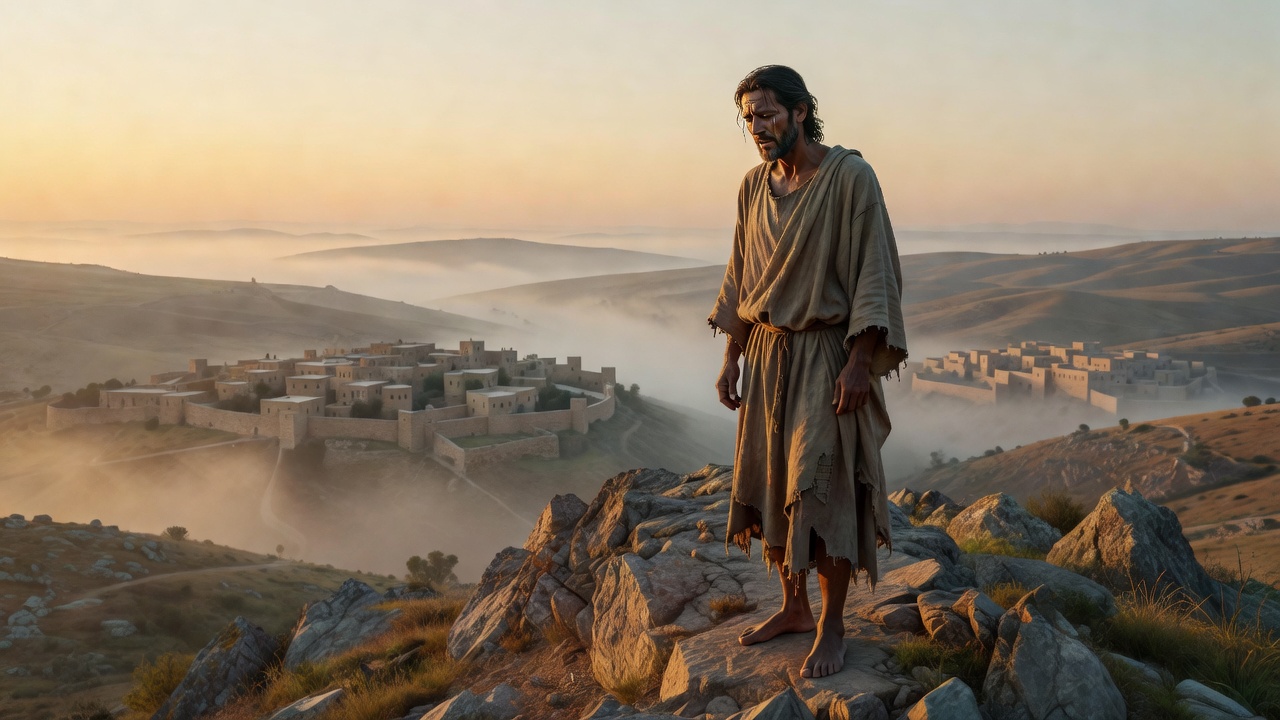
- Micah was a prophet from the town of Moresheth in Judah who ministered during the reigns of kings Jotham, Ahaz, and Hezekiah. His opening message pronounces impending divine judgment on both Samaria, the capital of the northern kingdom of Israel, and Jerusalem, the capital of Judah.Sources: Micah · the Bible text itself
- The chapter includes a poetic lament over several settlements in the Judean foothills and low country, such as Lachish, Zaanan, and Beth-le-aphrah (meaning house of dust, where inhabitants are told to roll in dust). Micah warns that the devastation reaching Samaria would advance directly to the gates of Jerusalem.Sources: Beth-le-aphrah · the Bible text itself
Notes written with AI assistance from open sources (Theographic Bible Metadata, CC BY-SA 4.0; Easton’s Bible Dictionary, public domain) and reviewed before publishing.
Places in this chapter
- Jerusalem · 31.777, 35.234 · verses 1, 5, 9, 12
- Samaria · 32.276, 35.195 · verses 1, 5, 6, 9
- Lachish · Today: Tell ed Duweir · 31.565, 34.849 · verse 13
- Zion · Today: Jerusalem · 31.777, 35.234 · verse 13
- Mareshah · Today: Tel Maresha · 31.593, 34.898 · verse 15
Only places identified with high confidence are shown (90% or more according to the scholarly sources compiled by OpenBible). Period map: DARE (Digital Atlas of the Roman Empire), CC BY 4.0; modern map: © OpenStreetMap contributors; places: OpenBible.info (CC BY 4.0).
Credits and license for this translation
परमेश्वरन सत्य वचन
Dhanki: परमेश्वरन सत्य वचन The New Testament in the Dhanki language of India, Devanagari script
copyright © 2025 The Word for the World International and Dhankavi Mandli, Khargon, Raykhed, Nandurbar, Maharashtra 2025
Language: (Dhanki)
Contributor: The Word for the World South Asia
परमेश्वरन सत्य वचन
जुन्लो नियम, 2025
The Old Testament Books in Dhankavi Language
The Word for the World International
This translation is made available to you under the terms of the
Creative Commons Attribution Share-Alike license 4.0.
You have permission to share and redistribute this Bible translation in any format and to make reasonable revisions and adaptations of this translation, provided that:
You include the above copyright and source information.
If you make any changes to the text, you must indicate that you did so in a way that makes it clear that the original licensor is not necessarily endorsing your changes.
If you redistribute this text, you must distribute your contributions under the same license as the original.
Pictures included with Scriptures and other documents on this site are licensed just for use with those Scriptures and documents.
For other uses, please contact the respective copyright owners.
Note that in addition to the rules above, revising and adapting God's Word involves a great responsibility to be true to God's Word. See Revelation 22:18-19.
2025-07-12
Source: http://ebible.org/dhn/ · eBible.org