Luke 24
Nǫ̀htsı̨̨ Nı̨̨htł'è · Tap a verse to see its cross-references.
Zezì naìdà
1Nǫ̀htsı̨ Dzęę̀ tł'axǫǫ̀ k'omǫǫ̀dǫǫ̀ èhkǫ ts'ǫ̀et'ıì, ts'èko dı̨ı̨ts'ıa łekǫǫ ts'atà sınìgı̨ı̨laa sìı edexè k'egele xè edı̨į̀ Zezì wekw'ǫǫ̀ whetǫǫ sìı ts'ǫ̀ geède. 2Eyı nègı̨ı̨de ekò kwe yìı Zezì wekw'ǫǫ̀ whetǫǫ sìı wets'ǫdaà kwe nechàa enìı̨ɂǫǫ sìı yı̨ı̨ɂǫ̀ǫ̀ wedeèyį̀ı̨ nǫǫ̀. 3Goyagı̨ı̨de ekò Zezì wekw'ǫǫ̀ wègoèt'į̀-le. 4Dànàhòwo ghǫ nànıgedè ekò hǫtsaa dǫ nàke gıgoht'ǫǫ̀ k'e saı̨dı̨ gogà nàłegeewo. 5Ts'èko sıì geèhyeh t'à dèè ts'ǫ̀ nàgògı̨ı̨hgè, hanìkò dǫ gots'ǫ̀ hagedı, “Dànìghǫ dǫ ełaı̨dèe ta dǫ edaa kak'eaht'į̀? 6Jǫ wheda-le, naìdà hǫt'e. Galılee nèk'e ı̨łaà naxıxè eda ekò dànaxèhdı ı̨lèe sìı wenaahdì. 7Dıı hadı ı̨lè, ‘Dǫ-wet'àaɂàa-deè sìı hołı̨ı̨-hogehtsı̨ı̨-dǫǫ̀ tł'aàgıhtè ha, dechı̨et'aa k'e wedıìtsò ha eyıts'ǫ taı dzę-ı̨dè naìdà ha,’ hadı ı̨lè,” gògedı. 8Ts'èko, Zezì weyatıì nagedì agejà.
9Ts'èko, dǫkw'ǫǫ̀ whetǫǫ k'è gots'ǫ nǫǫ̀gı̨ı̨de ekò gıxè dàgòjàa sìı wecheekeè hoònǫ-daats'ǫ̀-ı̨łè eyıts'ǫ dǫ goxè aget'ı̨ı̨ sìı ts'ǫ̀ hagedı. 10Mary-Madlę̀, Joanna, James wemǫ Mary, eyıts'ǫ ts'èko eyıì-le goxè aget'ı̨ı̨ sìı eyı godı t'à Zezì wecheekeèdeè xè gogedo. 11Hanìkò ts'èko gıyatıì gıgha sììdì lanì t'à ehkw'ı agedı gogı̨ı̨hwhǫ-le. 12Hanìkò Peter ededı̨ xàèhtła, kwe yìı dǫkw'ǫǫ̀ whetǫǫ ts'ǫ̀ tı̨mǫèhza. Goyadaèhgè ekò dǫkw'ǫǫ̀ ts'ǫ ehtł'ı̨ neghoa łą̀ą ełexè whelaa yaɂı̨. Xàèhtła ekò dàgòjàa sìı ghǫ nànıwo.
Zezì edecheekeè nàke goghaetła
13Eyıts'ǫ eyı dzęę̀ k'e Zezì wecheekeè nàke kǫ̀ta Emmaus gòyeh ts'ǫ̀ geède. Jerusalem gots'ǫ łǫ̀hdı̨ echı̨ hǫt'e. 14Hazǫǫ̀ dàgòjàa sìı ghǫ ełexè gogedo ı̨lè. 15Ełexè gogedo ekò Zezì ededı̨ goghǫ nììtła gà goxè naetłe. 16Hanìkò Zezì at'ı̨ gı̨ı̨wǫ-le agììdlà.
17Zezì dagoehke, “Įdaà nałeahtłe ekò ayìı ghǫ ełexè goahdo nǫǫ̀?” gòhdı. Wecheekeè nìłegeètła, ts'ǫǫ̀gı̨ı̨wǫ lanì gìgaat'ı̨. 18Dǫ ı̨łè, Cleopas wìyeh sìı, Zezì ts'ǫ̀ hadı, “Jerusalem gha xàhtǫ anet'e nì? Dıì whaà-le Jerusalem dàgòjàa sìı nı̨ zǫ wek'èı̨zǫ-le nì ghǫ aı̨dı?” yèhdı.
19“Dàgòjà?” Zezì yèhdı.
Eyıt'à gıts'ǫ̀ hadı, “Zezì, Nazareth got'ı̨į̀, wexè dànàhòwoo sìı eyı weghǫ,” gedı, “Eyı dǫ sìı nakwenàoɂǫǫ deè ı̨lè. Nǫ̀htsı̨ gha sìghà eghàlaı̨dà eyıts'ǫ dǫ hazǫǫ̀ gınadąą̀ weyatıì nàtsoo xè enıìyah deè eghàlaı̨dà. 20Yahtıı-gha-k'aodèe, eyıts'ǫ gogha k'aodèe gı̨ı̨lı̨ı̨ sìı k'àowo Pılate tł'aàgį̀ı̨htı̨. Ełaàwı ha gısınìyaı̨htı tł'axǫǫ̀ dechı̨et'aa k'e gedı̨į̀htsò. 21Zezì ededı̨ sìı edahxǫ Israel got'ı̨į̀ edaxàgole ha wets'ı̨ı̨hwhǫ ı̨lè. Eyı hagòjà gots'ǫ dıì xè taı dzęę̀ hǫt'e. 22Eyıts'ǫ ts'èko mǫ̀hdaa gonı nàdèe sìı gogha enıìyah agedı. Dıı k'omǫǫ̀dǫǫ̀-t'ıì dǫkw'ǫǫ̀ ts'ǫ̀ geède ı̨lè. 23Hanìkò Zezì wekw'ǫǫ̀ gıgòhɂǫ-le. Gots'ǫ̀ nageèhde ekò, yak'eet'ı̨į̀ gınazhıı wègoèht'į̀ gedı, ‘Naìdà hǫt'e,’ yak'eet'ı̨į̀ hagòhdı, gedı. 24Gots'ǫ dǫ mǫ̀hdaa dǫkw'ǫǫ̀ ts'ǫ̀ geède. Ts'èko dàgedıı sìı k'ę̀ę̀ hǫt'e nǫǫ̀, hanìkò Zezì gıaɂı̨-le,” eyı dǫ nàke hagedıì, Zezì xè gogedo.
25Zezì gots'ǫ̀ hadı, “Sıì t'asìı nıahdì-le xè naxınì nàtso-le. Nakwenàoɂǫǫ dàgı̨ı̨dìı sìı dànìghǫ naxıgha ehkw'ı-ahodı-le? 26Eyı Chrıst hanì daı̨ɂa ha weghàhòt'ǫ hǫt'e, wek'èahsǫ-le nì? Eyı tł'axǫǫ̀-ı̨dè enıìyah t'à nàtso wehòhɂǫ ha,” gòhdı. 27Zezì hagòhdı tł'axǫǫ̀ Moses wenı̨htł'è eyıts'ǫ nakwenàoɂǫǫ gını̨htł'è k'e dànì weghǫ t'asìı hazǫǫ̀ dek'eèhtł'èe sìı gots'ǫ̀ yek'ayaı̨htı.
28Kǫ̀ta ts'ǫ̀ aget'ı̨ı̨ sìı ts'ǫ̀ nıwà-lea nègı̨ı̨de ekò, ededı̨ ı̨daà-etła ha lajà. 29Hanìkò, “Xèhts'ǫ̀ agodaade t'à goxè anede,” gıìhdı, eyıt'à gok'è-èhtła gà goxè ı̨dà.
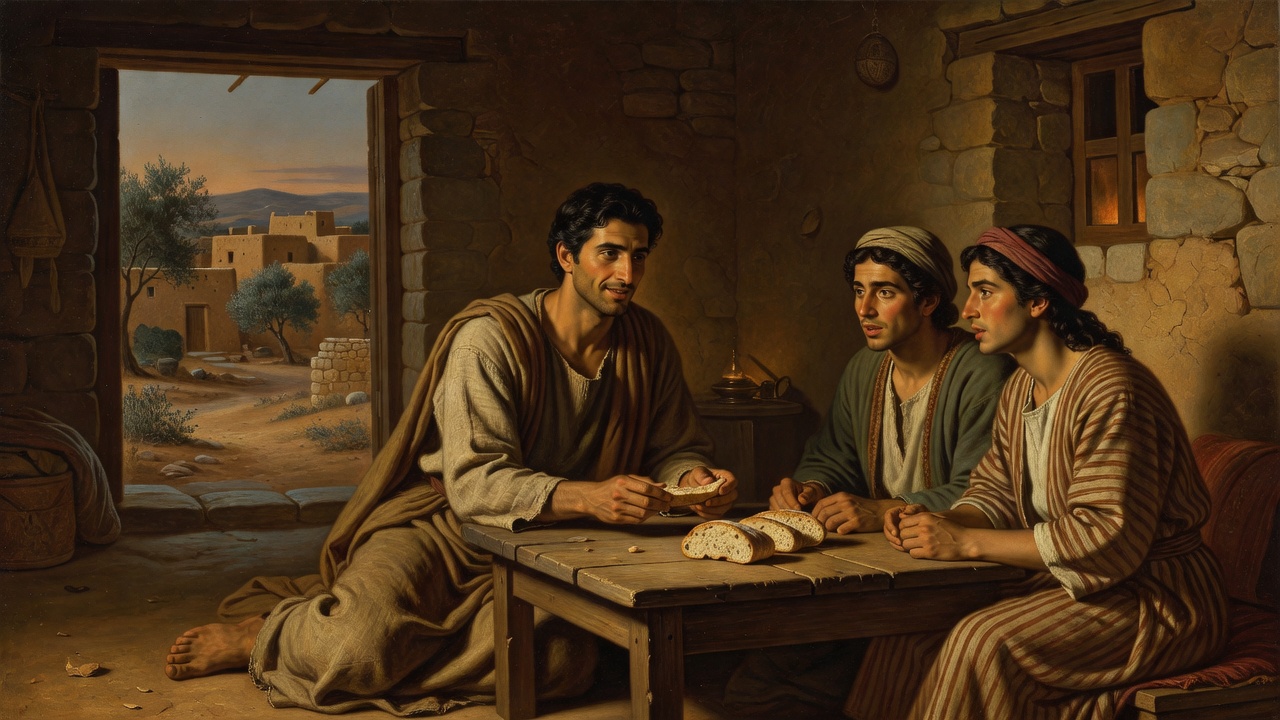
30Shègezhe ha nègı̨ı̨de ekò, łèt'è nıìchì gà yek'eèyaı̨htı, tàyı̨ı̨zhì gà goghàyı̨ı̨dì. 31Hanì-t'ıì Zezì nàgeèhzhį̀, eyı tł'axǫǫ̀ wenawhìle. 32Eyı dǫ nàke ełets'ǫ̀ hagedı, “Tı̨lı k'e gots'ǫ̀ gode ekò, eyıts'ǫ Nǫ̀htsı̨ Nı̨htł'è gots'ǫ t'asìı nıts'eedì agǫ̀ǫ̀là ekò godzeè dèk'ǫ̀ǫ lanì edexèts'eedì ı̨lè,” ełègeedı.
33Ekòet'ıì Jerusalem ts'ǫ̀ nałegeèhtła. Ekǫ wecheekeèdeè hoònǫ-daats'ǫ̀-ı̨łè eyıts'ǫ eyıì-le dǫ goxè aget'ı̨ xè łą̀ą nègı̨ı̨de. 34Hagedı, “Ehkw'ı-ahodı! Gots'ǫ̀ K'àowo naìdà hǫt'e eyıts'ǫ Sımon ts'ǫ̀ wègoèht'į̀,” gedı. 35Eyı tł'axǫǫ̀ dǫ nàke tı̨lı k'e gıxè dàgòjàa eyıts'ǫ dànì Zezì goxè łèt'è tàyı̨ı̨zhì t'à nàgeèhzhį̀ı̨ sìı wecheekeè ts'ǫ̀ hagedı.
Zezì wecheekeè ts'ǫ̀ wègoèht'į̀
36Įłaà eyı ghǫ gogedeè ekò hǫtsaa Zezì gonı nàwo nǫǫ̀, gots'ǫ̀ hadı, “Naxıxè sìghà welè,” gòhdı.
37Wecheekeè sıì geèhyeh; dǫts'ı̨į̀ at'ı̨ gı̨ı̨wǫ ı̨lè. 38Zezì gots'ǫ̀ hadı, “Ayìıha dahjı̨? Eyıts'ǫ dànìghǫ naxınì nàtso-le dìì? 39Sılà eyıts'ǫ sekè ghàahda. Xàè sı̨ aht'ı̨! Daseahchı, dǫts'ı̨į̀ wekwǫ̀ eyıts'ǫ wekw'ǫǫ̀ gǫ̀hłı̨ nıìle, hanìkò sı̨ sekwǫ̀ eyıts'ǫ sekw'ǫǫ̀ gǫ̀hłı̨ hǫt'e,” gòhdı.
40Edılà eyıts'ǫ edekè ghàgı̨ı̨dà agǫ̀ǫ̀là. 41Sıì gınà xè gıgha enıìyah t'à ı̨łaà gıgha hotıì-le lanì. Eyıt'à Zezì gots'ǫ̀ hadı, “Asį̀į̀ t'asìı ts'eɂà ha wheɂǫ?” gòhdı. 42Łıwe whet'ee wets'ǫ nechà-lea gıghàèchì. 43Neyıìchı gà godaà yeghǫ shètı̨.
Zezì yak'e ts'ǫ̀ nıwıìtı̨
44Zezì edecheekeè ts'ǫ̀ hadı, “Įłaà naxıxè wheda ekò eyı weghǫ naxıts'ǫ̀ goıhde ı̨lè: Moses wenı̨htł'è k'e, nakwenàoɂǫǫ gını̨htł'è k'e eyıts'ǫ ts'ejı̨ı̨ enı̨htł'è k'e t'asìı hazǫǫ̀ seghǫ dek'eèhtł'èe sìı wek'ę̀ę̀ agode ha, naxèehsı̨ ı̨lè,” gòhdı.
45Nǫ̀htsı̨ Nı̨htł'è nıgeedì agǫ̀ǫ̀là. 46“Dıı hanì dek'eèhtł'è hǫt'e,” gòhdı, “Chrıst wèts'edıı sìı daı̨ɂa ha eyıts'ǫ taı dzęę̀ k'ehoı̨wo nı̨dè naìdà ha hǫt'e. 47Chrıst wıızì dahxà dıı nèk'e dǫ hazǫǫ̀ xàɂaa ts'ǫ̀ goahde ha, dǫ edek'egı̨ı̨lı̨ nı̨dè gıhołı̨į̀ gıghǫ nahoezhe ha. Jerusalem ekǫ t'akwełǫ̀ǫ̀ dǫ ts'ǫ̀ goahde ha. 48Eyı godı nezı̨ı̨ t'à dǫ hazǫǫ̀ ts'ǫ̀ goahde. 49Setà, ayìı naxıts'ǫ̀ ayele ha dı ı̨lèe sìı eyı naxıts'ǫ̀ ahłe ha. Yak'e gots'ǫ t'asìı nàtsoo naxık'e ade gots'ǫ̀ jǫ Jerusalem dahkw'e,” gòhdı.
50Eyı tł'axǫǫ̀ Zezì edecheekeè xè kǫ̀ta Jerusalem ts'ǫǫ̀ nageèhde, kǫ̀ta Bethany ts'ǫ̀ gǫǫwà-lea nègı̨ı̨de. Ekǫ edılà ı̨dòo ayį̀į̀là gà gok'eèyaı̨htı. 51Įłaà gok'eèyahtı et'ıì gots'ǫǫ̀ ı̨dòo yak'e ts'ǫ̀ nıwıìtı̨. 52Wecheekeè gıts'ǫ̀ nàgòı̨hgè, eyı tł'axǫǫ̀ sıì gınà xè Jerusalem ts'ǫ̀ nageèhde. 53Dzę taàt'eè Nǫ̀htsı̨kǫ̀-gocho gà geèhkw'e, Nǫ̀htsı̨ ghàsǫgeedı.
Did you know?
Resurrection morning and the road to Emmaus
- Luke describes Emmaus as a village about seven miles from Jerusalem. Easton's Bible Dictionary (1897) quotes that distance as three-score furlongs and records two identifications: el-Kubeibeh, over seven miles northwest of Jerusalem, whose name, 'little dome,' comes from the remains of a Crusaders' church still found there, and Khurbet Khamasa, 'the ruins of Khamasa,' about eight miles southwest, where Crusader ruins are also found.Sources: Emmaus · the Bible text itself
- Mary Magdalene, Joanna, Mary the mother of James, and other women with them were the ones who told the apostles what had happened at the tomb. Mary Magdalene takes her name from Magdala, her birthplace, and Easton's Bible Dictionary (1897) calls it a mistake to identify her with the woman called 'a sinner' in Luke 7. Joanna, the wife of Chuza, steward of Herod Antipas, tetrarch of Galilee, was one of the women who ministered to Jesus, and the same dictionary says he appeared to her after the resurrection.Sources: Mary Magdalene · Joanna · the Bible text itself
- One of the two disciples on the road is named Cleopas, a shortened form of Cleopatros. Easton's Bible Dictionary (1897) says that nothing definite is known about him, and that it is not certain he was the Clopas of John 19:25 or the Alphaeus of Matthew 10:3, although he may have been.Sources: Cleophas · the Bible text itself
Notes written with AI assistance from open sources (Theographic Bible Metadata, CC BY-SA 4.0; Easton’s Bible Dictionary, public domain) and reviewed before publishing.
Places in this chapter
- Galilee · 32.760, 35.527 · verse 6
- Jerusalem · 31.777, 35.234 · verses 13, 18, 33, 47, 49, 52
- Nazareth · 32.702, 35.298 · verse 19
Only places identified with high confidence are shown (90% or more according to the scholarly sources compiled by OpenBible). Period map: DARE (Digital Atlas of the Roman Empire), CC BY 4.0; modern map: © OpenStreetMap contributors; places: OpenBible.info (CC BY 4.0).
Credits and license for this translation
Nǫ̀htsı̨̨ Nı̨̨htł'è
Dogrib: Dogrib Genesis & New Testament New Testament & Portions of Old Testament
copyright © 2009 Canadian Bible Society
Language: Dogrib
Translation by: Canadian Bible Society
Tłı̨chǫ Genesis and New Testament
About Tłı̨chǫ
Tłı̨chǫ (Dogrib) is a Na-Dene (Athabaskan) language. It is spoken by the First Nations Tłı̨chǫ people in the Northwest Territories in Canada. It has the largest number of speakers of any of the Aboriginal language communities in the NWT, and is one of the official languages of the Northwest Territories.
About This Translation
This translation includes the book of Genesis and the New Testament in Tłı̨chǫ. The first edition of the Tłı̨chǫ New Testament was published in 2003. It was a historic event, as it was the first time in more than a hundred years that a complete New Testament was published for one of the Dene First Nations in the Territories. The first edition was well received and quickly sold out. In the meantime the book of Genesis had been completed. Consequently, the 2008 reprint of the Tłı̨chǫ New Testament included Genesis.
Though this translation of the New Testament and Genesis took a total of ten years, the people who worked on it built on years of labor invested by the Tłı̨chǫ people, elders, priests and missionaries, translators, educators, and linguists. The material contained in this book was checked and approved by consultants from Wycliffe Bible Translators and the Canadian Bible Society.
If you are interested in obtaining a printed copy of this Bible, please contact the Canadian Bible Society at http://www.biblescanada.com .
Copyright Information
Dogrib Genesis and New Testament © 2003, 2008 Canadian Bible Society
The text of the Bible in Tłı̨chǫ that appears in this electronic format or website is for personal use only.
Up to five hundred (500) verses of the Bible text in any form (written, visual, electronic or audio) may be quoted without permission. The quoted verses may not be more than 50% of a complete book of the Bible, or more than 25% of the total text of the work in which they are quoted. Prior written permission must be obtained for any other use of the text. Copyright acknowledgement must in all cases appear on the title or copyright page.
For more information on copyright conditions or to apply, visit http://www.biblesociety.ca/copyright .
This translation is made available to you under the terms of the
Creative Commons Attribution-Noncommercial-No Derivatives license 4.0.
You may share and redistribute this Bible translation or extracts from it in any format, provided that:
You include the above copyright and source information.
You do not sell this work for a profit.
You do not change any of the words or punctuation of the Scriptures.
Pictures included with Scriptures and other documents on this site are licensed just for use with those Scriptures and documents.
For other uses, please contact the respective copyright owners.
2014-04-22
Source: http://ebible.org/dgrDOGNT/ · eBible.org