Luke 23
Nǫ̀htsı̨̨ Nı̨̨htł'è · Tap a verse to see its cross-references.
1K'aodèe hazǫǫ̀ ełèwhedee sìı nıgı̨į̀de gà Zezì, k'àowo Pılate ts'ǫ̀ geèhchì. 2Gık'e nìdahogį̀ı̨ɂǫ, hagedı, “Dıı dǫ sìı gonèk'e weghǫ nàdahoowo, eyıts'ǫ ‘K'àowodeè Caesar wets'àts'eehdì ha-le,’ hadı eyıts'ǫ ‘K'àowocho Chrıst, eyı aht'e’ edèhdı,” gedı.
3Eyıt'à k'àowo Pılate, Zezì daehke, hayèhdı, “Israel got'ı̨į̀ gıgha k'àowocho anet'e nì?” yèhdı.
“Hęɂę, dàı̨dıı sìı k'ę̀ę̀ hǫt'e,” Zezì yèhdı.
4Eyıt'à k'àowo Pılate, yahtıı-gha-k'aodèe eyıts'ǫ dǫ łǫ ełèwhedee ts'ǫ̀ hadı, “Dıı dǫ ayìı wek'e nìdahoehɂà ha sìı wek'èehsǫ-le,” gòhdı.
5Hanìkò k'èdaà hagedı, “Judea nèk'e hazǫǫ̀ ts'ǫ̀ edeyatıì t'à dǫ nàdahogehdè agǫ̀ǫ̀là. Galılee nèk'e kèhoį̀hwho gots'ǫ, jǫ gots'ǫ̀ nìhoı̨hwho,” gedı.
6Pılate eyı hagedı ıìkw'o ekò hadı, “Dıı dǫ Galılee got'ı̨į̀ nì-ı̨t'e?” gòhdıì dagoehke. 7Zezì, k'àowocho Herod wenèè gots'ǫ at'ı̨ yek'èhoèhzà ekò Herod ts'ǫ̀ yeèhɂà. Ekìıyeè k'e Herod Jerusalem wheda ı̨lè.
8K'àowocho Herod, Zezì aɂı̨ ekò sıì wınà nàhòwo. Whaà gots'ǫ wııhɂį̀ nıwǫ ı̨lè. Zezì ghǫ godı łǫ ıìkw'o t'à edahxǫ yedaà enıìyah hohtsı̨ ha nıwǫ. 9Eyıt'à t'asìı łǫ ghǫ dayı̨ı̨hke, hanìkò Zezì yets'ǫ̀ xàyaı̨htı-le. 10Yahtıı-gha-k'aodèe eyıts'ǫ Nǫ̀htsı̨-yatıì-k'ègedìı-dǫǫ̀ eyı nàgeèhza. Yahtı nàtsoo t'à Zezì k'e nìdahogeeɂà. 11Eyı tł'axǫǫ̀ k'àowocho Herod eyıts'ǫ wets'ǫ eghǫǫ-dǫǫ̀ Zezì k'adageedè. K'àowochoɂeè yìı gı̨ı̨htı̨ gà k'àowo Pılate ts'ǫ̀ nageèhchì. 12Eyı dzęę̀ k'e k'àowocho Herod eyıts'ǫ k'àowo Pılate ełeàgı̨ą gı̨ı̨lı̨į̀ agejà. Eyı wekwe sìı ełets'ǫ̀ xànegı̨ı̨ɂa ı̨lè.
13K'àowo Pılate, yahtıı-gha-k'aodèe, dǫ gha k'aodèe gı̨ı̨lı̨ı̨ eyıts'ǫ dǫ hazǫǫ̀ gokàehɂà. 14Gots'ǫ̀ hadı, “Dıı dǫ sets'ǫ̀ aahłàa sìı wet'à dǫ hazǫǫ̀ nàdahogehdè dahdı. Naxıdaà dawııhke hanìkò ekǫ-le eghàlaı̨dà-le t'à ayìı wek'e nìdahoehɂà ha sìı wek'èehsǫ-le. 15K'àowocho Herod ededı̨ sı dàwhìdì t'à sets'ǫ̀ nayeèhɂà. Dıı dǫ ekǫ-le hòèhtsı̨-le t'à yek'èxa ełaàwı ha whìle. 16Eyıt'à nàweekwa zǫ awehłe ha, eyı tł'axǫǫ̀-ı̨dè naetłaà awehłe ha,” gòhdı.
18Hanìkò dǫ hazǫǫ̀ yagìzeh, “Eyı dǫ ełaahwhı! Barabas eyı gots'ǫ̀ xàetłaà awı̨ı̨le!” gedı. 19(Eyı dǫ Barabas wets'ıhɂǫ̀ Jerusalem ekǫ dèe-ts'ǫ̀-k'àowo ts'ǫ̀ ełegegǫ ı̨lè eyıts'ǫ dǫ ełaı̨hwho t'à wedaànìı̨tǫ ı̨lè.)
20K'àowo Pılate Zezì naetłaà ayele ha nıwǫ t'à k'achı̨ yegha dǫ gots'ǫ̀ goı̨de. 21Hanìkò dǫ k'èdaà gezeh xè nàdahogehdè, “Dechı̨et'aa k'e wedı̨į̀htsò! Dechı̨et'aa k'e wedı̨į̀htsò!” gedıì gezeh.
22K'àowo Pılate k'achı̨ taı t'à gots'ǫ̀ nagoı̨de, hadı, “Ayìı gha? Dıı dǫ ayìı hoìla hòèhtsı̨ k'èxa? Yek'èxa ełaàwı ha t'asìı gòìhɂǫ-le. Eyıt'à nàweekwa gà naetłaà awehłe ha,” gòhdı.
23Hanìkò Zezì dechı̨et'aa k'e wedıìtsò ha gı̨ı̨wǫ t'à, dǫ denahk'e hòtł'ò yagìzeh. Hòtł'ò gezeh t'à Pılate ghǫ dageèhnǫ t'à gok'èhoı̨ɂǫ. 25Barabas wets'ıhɂǫ̀ dèe-ts'ǫ̀-k'àowo ts'ǫ̀ ełegegǫ ı̨lè eyıts'ǫ dǫ ełaı̨hwho t'à wedaànìı̨tǫ ı̨lèe sìı dǫ gıyatıì k'e Pılate gots'ǫ̀ xàèhtłaà ayį̀į̀là. Hanìkò Zezì t'agele ha gı̨ı̨wǫǫ sìı k'ę̀ę̀ agele ha dǫ tł'aàyį̀ı̨htı̨.
Zezì dechı̨et'aa k'e wedıìtsò
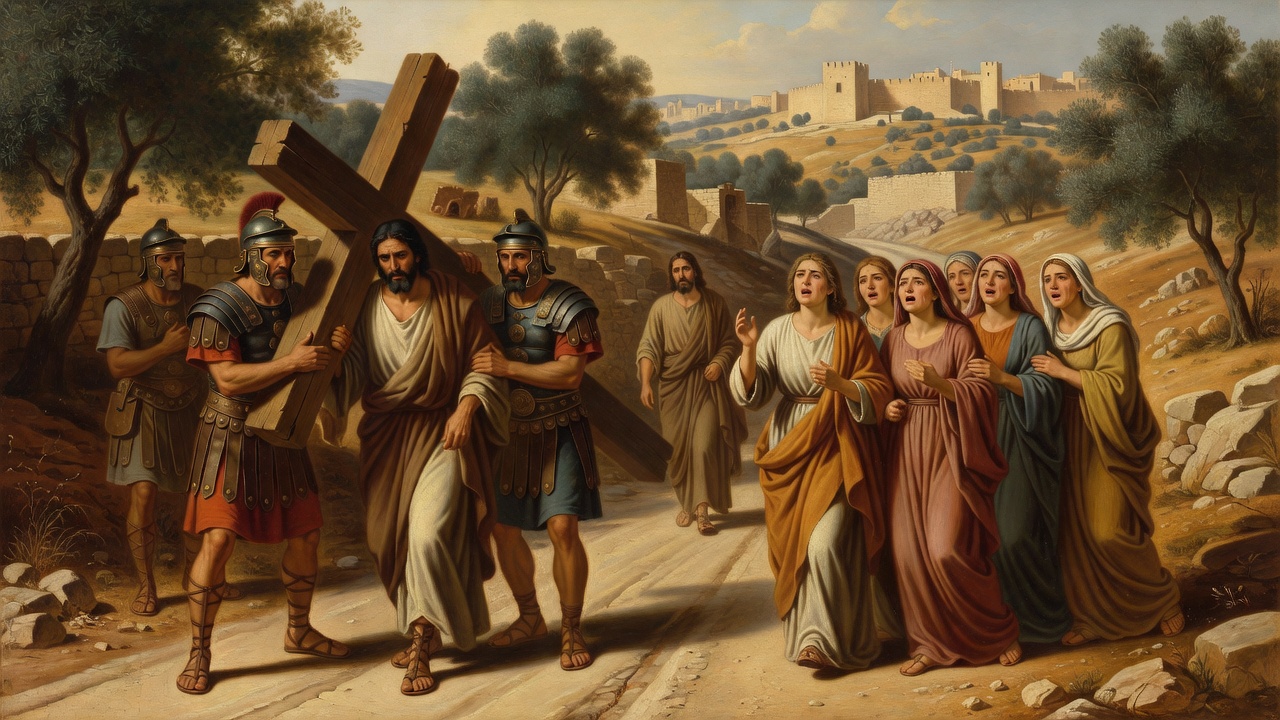
26K'àowo Pılate wekǫ̀ gots'ǫ Zezì kǫgeèhchì ekò Cyrene got'ı̨į̀ ı̨łè, Sımon wìyeh, Jerusalem ts'ǫ̀ naehtłe ı̨lè. Eghǫǫ-dǫǫ̀ dagıachì gà dechı̨et'aa gık'e nèèchì gà Zezì k'èè nayatı̨į̀ agį̀į̀là. 27Dǫ łǫ Zezì k'èè geède. Ts'èko mǫ̀hdaa goxè aget'ı̨ı̨ sìı, gıdzeè nànııtì xè hòtł'ò gıghǫ etse. 28Zezì gots'ǫ̀ hadı, “Jerusalem gots'ǫ ts'èko, seghǫ aahtse-le, edeghǫ aahtse eyıts'ǫ naxızaa sı gıghǫ aahtse. 29Įłè dzęę̀ k'e dıı haahdı ha, ‘Ts'èko wezaa gǫ̀hłı̨-le xè bebìa gıt'ò ı̨ht'ò-le sìı gıxè sìghà hǫt'e,’ dahdı ha. 30Ekìıyeè k'e
‘dǫ shìh ts'ǫ̀ dıı hagedı ha, “Gok'e nàahtł'ì!” eyıts'ǫ shìa ts'ǫ̀ dıı hagedı ha, “Nàgoahɂį̀!” gedı ha.’
31Įłaà ts'ı dèhdlı̨ et'ıì dǫ hanì eghàlageeda nı̨dè, ts'ı whegǫ nı̨dè dàgode ha? (Dıì hanì sets'ǫ̀ eghàlageeda nı̨dè nǫǫde nı̨dè dànì naxıts'ǫ̀ eghàlageeda ha?)” gòhdı.
32Dǫjıı nàke Zezì xè ełaàgehde ha gok'èè geèwa. 33Shìh Dǫkwìkw'ǫǫ̀ gòyeh ts'ǫ̀ nègı̨ı̨de ekò dechı̨et'aa k'e gıdı̨į̀htsò eyıts'ǫ dǫjıı nàke weghǫhk'eè dexegı̨į̀htsò. 34Zezì hadı, “Setà, gıghǫ nahoı̨le, dàget'ı̨ı̨ sìı gık'èezǫ nıìle t'à,” hadı. Eghǫǫ-dǫǫ̀ wegoht'ǫǫ̀ ełetaàgeelè gha ekw'ǫą k'egehdè.
35Dǫ hazǫǫ̀ eyı nàgeèhzaa sìı gıghàeda, eyıts'ǫ k'aodèe Zezì k'adageedè, hagedı, “Dǫ eyıì-le edaxàwhela. Chrıst Nǫ̀htsı̨ gogha yį̀į̀hchì at'ı̨ nı̨dè, edaxàdııtè,” gedı.
36Eghǫǫ-dǫǫ̀ ededı̨ sı Zezì gà nègogį̀ı̨hwho gà gık'adaedè. Jìetì dı̨ı̨ts'aa gıghàedı ha gı̨ı̨wǫ 37xè hagıìhdı, “Israel got'ı̨į̀ gha k'àowocho anet'e nı̨dè edaxàdı̨ı̨tè,” gıìhdı.
38Wekwì doo enı̨htł'è dawhehchì agį̀į̀là. Dıı hanì dek'eèhtł'è: Dıı sìı Israel got'ı̨į̀ gha K'àowocho hǫt'e.
39Dǫjıı ı̨łè eyı wedıìtsòo sìı Zezì k'adaawo, hadı, “Chrıst anet'e nı̨dè edaxàdı̨ı̨tè eyıts'ǫ goxı̨ sı edaxàgoı̨le,” yèhdı.
40Hanìkò dǫjıı ı̨łè, hayèhdı, “Nǫ̀htsı̨ ts'àı̨jı̨-le nì? Wexèht'eè ełaı̨wı ha neghǫ nàyaetı ı̨lè. 41Goxı̨ edet'à dats'ı̨ı̨ɂa hǫt'e. Ekò ededı̨ sìı hojıì hòèhtsı̨ı̨ whìle,” yèhdı.
42Eyı tł'axǫǫ̀ Zezì ts'ǫ̀ hadı, “Zezì, nı̨ k'àowocho wheęlı̨ nı̨dè senaądì nǫǫ̀,” yèhdı.
43Zezì yets'ǫ̀ hadı, “Ehkw'ı anèehsı̨, dıı dzęę̀ k'e Hoı̨zı̨-Nèk'e sexè wheęda ha ne,” yèhdı.
Zezì ełaı̨wo
44Dzętanı nìı̨ɂǫ ekò taı sadzeè ts'ǫ̀ eyı nèk'e sadeè daaɂa-le ajà t'à hazǫǫ̀ ts'ǫ̀ togoòtł'ò agòjà. Eyıts'ǫ Nǫ̀htsı̨kǫ̀-gocho goyìı enìı̨t'ıcho dawhehchìı sìı łats'ı̨ı̨dla. Enìı̨t'ıcho łats'ı̨ı̨dla|src="HK076B.tif" size="span" ref="23.45" 46Zezì hòtł'ò whezeh hadı, “Setà, sedą̀ązhį̀ı̨ netł'aà wheɂǫǫ̀ ahłà,” hadı tł'axǫǫ̀ nǫǫde xàèhjı.
47Eghǫǫ-dǫǫ̀-gha-k'àowo wedaà hanàhòwo sìı Nǫ̀htsı̨ ghàsǫedı, hadı, “Dıı dǫ ehkw'ı eda ı̨lè nǫǫ̀,” hadı. 48Zezì dechı̨et'aa k'e dexegıìhtsè ha dǫ hazǫǫ̀ eyı nègı̨ı̨dee sìı gıdaà dàgòjà gıaɂı̨ ekò, sıì gıgha dìì t'à ededzeè ts'ageht'ı xè nageèhde. 49Dǫ hazǫǫ̀ Zezì xè agıat'į̀ı̨ sìı ı̨dè gǫǫwà hoògǫ nàgeèhza gà goghàgeeda. Galılee nèk'e gots'ǫ ts'èko mǫ̀hdaa Zezì k'èè k'egedè ı̨lèe sìı gota nàgeèhza.
Zezì wekw'ǫǫ̀ nìtǫ
50Eyıts'ǫ dǫ ı̨łè Joseph wìyeh Israel got'ı̨į̀ gha k'aodèe goxè wheda elı̨. Dǫ nezı̨ı̨ xè ehkw'ı eda. 51Ededı̨ sìı k'aodèe gok'ę̀ę̀ anıwǫ-le eyıts'ǫ Zezì ts'ǫ̀ dànì eghàlagı̨ı̨dàa sìı wınì k'ę̀ę̀ nıìle. Judea nèk'e kǫ̀ta Arımathea got'ı̨į̀ hǫt'e. Nǫ̀htsı̨ Wenàowoò k'ę̀ę̀ agode ha danaèhɂı̨ ı̨lè. 52Zezì wekw'ǫǫ̀ hodàechı ha k'àowo Pılate ts'ǫ̀ èhtła. 53Dechı̨et'aa k'e ts'ǫ Zezì wekw'ǫǫ̀ hodàı̨htı̨ gà nezı̨į̀ ehtł'ı̨ wemoèhdoò ayį̀į̀là. Eyıts'ǫ kwe yìı dǫkw'ǫǫ̀ ı̨ı̨tǫ̀-le sìı ekǫ yekw'ǫǫ̀ nèyı̨ı̨tǫ. 54Sınìhogììɂàa dzęę̀ k'e agǫ̀ht'e eyıts'ǫ Nǫ̀htsı̨ Dzęę̀ wexèhoìwı ha nìkw'o.
55Ts'èko, Zezì xè Galılee nèk'e gots'ǫ nègı̨ı̨dee sìı Joseph k'èè geède. Dǫkw'ǫǫ̀ whetǫǫ k'è dànì Zezì wekw'ǫǫ̀ nègı̨ı̨htı̨ı̨ sìı gıaɂı̨. 56Eyı tł'axǫǫ̀ edekǫ̀ ts'ǫ̀ nageèhde. Dǫkw'ǫǫ̀ sıìgele gha dı̨ı̨ts'ıa eyıts'ǫ yìk'eetł'òo sınìgı̨ı̨le. Hanìkò nàowodeè k'ègedì ha gı̨ı̨wǫ t'à, Nǫ̀htsı̨ Dzęę̀ k'e k'èhogeèɂa.
Did you know?
Trial, Cross, and Burial
- Pontius Pilate, identified by Easton's Bible Dictionary (1897) as the sixth Roman procurator of Judea (A.D. 26–36), kept his headquarters at Caesarea but often went up to Jerusalem. The council’s accusations in this chapter are political: that Jesus was subverting the nation, forbidding the payment of taxes to Caesar, and proclaiming himself Christ, a king.Sources: Pontius Pilate · the Bible text itself
- When Pilate learned that Jesus was a Galilean and under Herod’s jurisdiction, he sent him to Herod Antipas, a son of Herod by Malthace, who was then in Jerusalem. Herod had long wanted to see Jesus and hoped for a miracle, but Jesus did not answer his questions. After Herod and his soldiers mocked Jesus and dressed him in a fine robe, they sent him back, and that day Herod and Pilate, who had been enemies, became friends.Sources: Herod Antipas · the Bible text itself
- The place of crucifixion is called The Skull; a Latin form, Calvaria, translated the Greek Kranion, which rendered the Hebrew Gulgoleth. It probably took this name from its shape, a low, rounded, bare rise somewhat like a human skull, and Scripture nowhere calls it a hill. The crucifixion took place outside the city walls and near a public road.Sources: Skull · the Bible text itself
Notes written with AI assistance from open sources (Theographic Bible Metadata, CC BY-SA 4.0; Easton’s Bible Dictionary, public domain) and reviewed before publishing.
Places in this chapter
- Galilee · 32.760, 35.527 · verses 5, 6, 7, 49, 55
- Jerusalem · 31.777, 35.234 · verses 5, 7, 19, 28
- Judea · Today: Judea 1 · 31.777, 35.234 · verses 5, 51
- Cyrene · 32.821, 21.851 · verse 26
Only places identified with high confidence are shown (90% or more according to the scholarly sources compiled by OpenBible). Period map: DARE (Digital Atlas of the Roman Empire), CC BY 4.0; modern map: © OpenStreetMap contributors; places: OpenBible.info (CC BY 4.0).
Credits and license for this translation
Nǫ̀htsı̨̨ Nı̨̨htł'è
Dogrib: Dogrib Genesis & New Testament New Testament & Portions of Old Testament
copyright © 2009 Canadian Bible Society
Language: Dogrib
Translation by: Canadian Bible Society
Tłı̨chǫ Genesis and New Testament
About Tłı̨chǫ
Tłı̨chǫ (Dogrib) is a Na-Dene (Athabaskan) language. It is spoken by the First Nations Tłı̨chǫ people in the Northwest Territories in Canada. It has the largest number of speakers of any of the Aboriginal language communities in the NWT, and is one of the official languages of the Northwest Territories.
About This Translation
This translation includes the book of Genesis and the New Testament in Tłı̨chǫ. The first edition of the Tłı̨chǫ New Testament was published in 2003. It was a historic event, as it was the first time in more than a hundred years that a complete New Testament was published for one of the Dene First Nations in the Territories. The first edition was well received and quickly sold out. In the meantime the book of Genesis had been completed. Consequently, the 2008 reprint of the Tłı̨chǫ New Testament included Genesis.
Though this translation of the New Testament and Genesis took a total of ten years, the people who worked on it built on years of labor invested by the Tłı̨chǫ people, elders, priests and missionaries, translators, educators, and linguists. The material contained in this book was checked and approved by consultants from Wycliffe Bible Translators and the Canadian Bible Society.
If you are interested in obtaining a printed copy of this Bible, please contact the Canadian Bible Society at http://www.biblescanada.com .
Copyright Information
Dogrib Genesis and New Testament © 2003, 2008 Canadian Bible Society
The text of the Bible in Tłı̨chǫ that appears in this electronic format or website is for personal use only.
Up to five hundred (500) verses of the Bible text in any form (written, visual, electronic or audio) may be quoted without permission. The quoted verses may not be more than 50% of a complete book of the Bible, or more than 25% of the total text of the work in which they are quoted. Prior written permission must be obtained for any other use of the text. Copyright acknowledgement must in all cases appear on the title or copyright page.
For more information on copyright conditions or to apply, visit http://www.biblesociety.ca/copyright .
This translation is made available to you under the terms of the
Creative Commons Attribution-Noncommercial-No Derivatives license 4.0.
You may share and redistribute this Bible translation or extracts from it in any format, provided that:
You include the above copyright and source information.
You do not sell this work for a profit.
You do not change any of the words or punctuation of the Scriptures.
Pictures included with Scriptures and other documents on this site are licensed just for use with those Scriptures and documents.
For other uses, please contact the respective copyright owners.
2014-04-22
Source: http://ebible.org/dgrDOGNT/ · eBible.org