Genesis 26
Nǫ̀htsı̨̨ Nı̨̨htł'è · Tap a verse to see its cross-references.
Isaac eyıts'ǫ Abımelek gıgodıì
1Eyı nèk'e hazǫǫ̀ ts'ǫ̀ bò whìle agòjà, Abraham edaà ekò sı hagòjà ı̨lè. Eyıt'à Isaac kǫ̀ta Gerar ts'ǫ̀ ajà, ekǫ Abımelek, Fılıstea got'ı̨į̀ gha k'àowo elı̨. 2Gots'ǫ̀ K'àowo Isaac ts'ǫ̀ wègoèht'į̀, hayèhdı, “Egypt nèk'e ts'ǫ̀ aąde-le. Dıı yeè nèk'e edı̨į̀ nàądè nèehsı̨ ha sìı nàądè. 3Łatsaa dıı yeè nèk'e nàądè, nexè aht'ı̨ ha eyıts'ǫ nexè sìghà hòɂǫǫ̀ agohłe ha. Nı̨ eyıts'ǫ nets'ıhɂǫ̀ǫ-dǫǫ̀ dıı dèè hazǫǫ̀ naxıghàehɂà ha. Netà Abraham wets'ǫ̀ yatı nàtsoo xàyaehtıı sìı wek'ę̀ę̀ hòɂǫǫ̀ agohłe ha. 4Nets'ıhɂǫ̀ǫ-dǫǫ̀ łǫ t'à yat'a whǫ̀ lageètłǫ agehłe ha, eyıts'ǫ dıı dèè hazǫǫ̀ gıghàehɂà ha. Nets'ıhɂǫ̀ǫ-dǫǫ̀ gıts'ıhɂǫ̀ dıı nèk'e dǫ hazǫǫ̀ xàɂaa gıxè sìghà hòɂǫ ha, 5Abraham sek'èɂaı̨t'è t'à; seyatıì eyıts'ǫ senàowoò k'èdì hǫt'e,” Nǫ̀htsı̨ Isaac ts'ǫ̀ hadı. 6Eyıt'à Isaac kǫ̀ta Gerar łatsaa nàı̨dè.
7Eyı kǫ̀ta gots'ǫ dǫzhìı wets'èkeè ghǫ dagı̨ı̨hke ekò, Isaac gots'ǫ hadı, “Sedè hǫt'e,” gòhdı. Rebekah ts'èko wèdaat'ı̨ı̨ elı̨ t'à wets'ıhɂǫ̀ eyı kǫ̀ta ts'ǫ dǫzhìı ełaàsegèhwhı ha sǫnı, hanıwǫ t'à, “Sets'èkeè hǫt'e,” gòhdı-le.
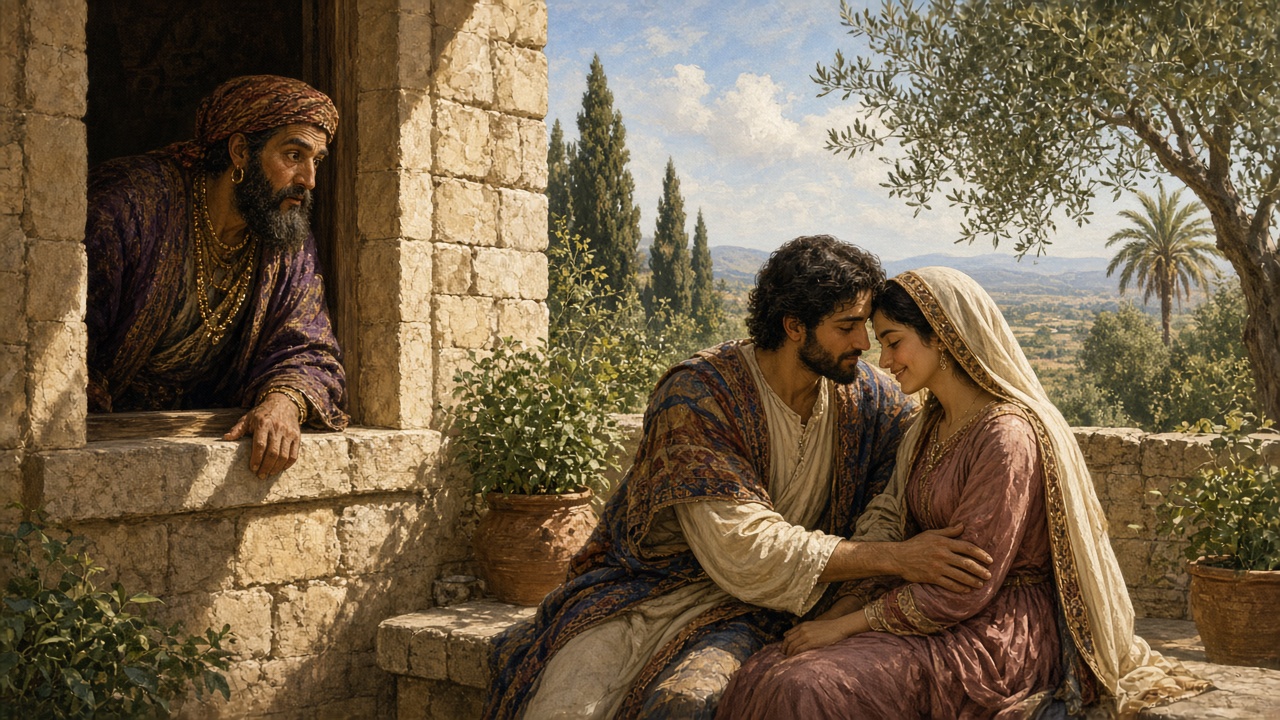
8Isaac whaà hoògǫ eyı nàı̨dè ekò k'àowocho Abımelek, Fılıstea got'ı̨į̀ gha k'àowo elı̨ı̨ sìı dahkǫ̀ gots'ǫ ı̨zhıì k'eet'į̀ là Isaac edets'èkeè Rebekah k'onadıìde yaɂı̨. 9Eyıt'à Abımelek, Isaac kàehɂà, yets'ǫ̀ hadı, “Xàè nets'èkeè hǫt'e nǫǫ̀! Dànìghǫ, ‘Sedè hǫt'e,’ nı̨ı̨dı nǫǫ̀?” yèhdı.
Isaac yets'ǫ̀ hadı, “Wets'ıhɂǫ̀ dǫ ełaàsegèhwhı ha sǫnı dehwhǫ t'à haehsı̨ ı̨lè,” yèhdı.
10Abımelek hadı, “Dànì ghǫ gots'ǫ̀ hǫı̨ts'ì nǫǫ̀? Dǫ ı̨łè nets'èkeè t'àı̨tè nı̨dè net'àat'à hołı̨ı̨ gok'e ade ha ı̨lè,” yèhdı.
11Eyıt'à Abımelek dǫ hazǫǫ̀ ts'ǫ̀ hadı, “Amìı, dıı dǫ eyıts'ǫ wets'èkeè k'alawoo sìı weweè hołè ha hǫt'e,” gòhdı.
12Isaac eyı nèk'e t'asìı dehshee nìı̨la. Gots'ǫ̀ K'àowo yegha sìghà agǫ̀ǫ̀là t'à eyı xo k'e et'ıì t'asìı dehshee ı̨łèakw'eènǫ deɂǫ̀atłǫ nàwhehtsı̨. 13Isaac t'asìı łǫ wets'ǫ ajà t'à sıì dǫ ahxee whelı̨. 14Sahzǫ̀ą eyıts'ǫ ejıe łǫ wets'ǫ eyıts'ǫ wecheekeè łǫ t'à Fılıstea got'ı̨į̀ gıghǫ ts'ohogeedı. 15Eyıt'à Isaac wetà Abraham eda ekò wecheekeè tık'è xàgogı̨ı̨hgè ı̨lèe sìı Fılıstea got'ı̨į̀ tık'è hazǫǫ̀ ehtł'è dàgoòɂǫǫ̀ agį̀į̀là.
16Eyı tł'axǫǫ̀ Abımelek Isaac ts'ǫ̀ hadı, “Gonahk'e dǫ nàtsoo wheęlı̨ t'à, gots'ǫǫ̀ aąde,” yèhdı.
17Eyıt'à Isaac eyı nàı̨dèe gots'ǫ tàèhtła. Shìhge dèè nıɂàa Gerar ts'ǫ̀ tàèhtła t'à ekǫ nàdè ajà. 18Isaac, wetà Abraham eda ekò eyı tık'è hazǫǫ̀ xàgı̨ı̨hgè ı̨lèe sìı yets'ǫdaà xàı̨la. Abraham ełaı̨wo ekò Fılıstea got'ı̨į̀ eyı tık'è gıdanìı̨la ı̨lè. Wetà Abraham dànì tık'è goızı ı̨lèe sìı k'ę̀ę̀ k'achı̨ goızì whehtsı̨.
19Isaac wecheekeè eyı nèk'e shìhge dèè xàgı̨ı̨hgè t'à ekǫ tı nezı̨ı̨ nìlı̨ı̨ gogį̀į̀hɂǫ. 20Hanìkò Gerar got'ı̨į̀ gıts'ǫ tıts'aàdìı-k'èdìı-dǫǫ̀ Isaac wets'ǫ tıts'aàdìı-k'èdìı-dǫǫ̀ xè nàyagehtı, “Dıı tık'è gots'ǫ hǫt'e!” gedı. Eyı tık'è ghǫ wets'ǫ̀ nàyagehtı t'à, Isaac eyı tık'è Esek wìyeh ayį̀į̀là. (“Esek” gedı nı̨dè “nàyagehtı” gedıì-agedı.) 21Eyı tł'axǫǫ̀ k'achı̨ tık'è eyıì-le xàgı̨ı̨hko, hanìkò eyı sı ghǫ nàyagehtı t'à eyı tık'è Sıtnah wìyeh ayį̀į̀là. (“Sıtnah” gedı nı̨dè “eyı tık'è ts'ıhɂǫ̀ ełedzagı̨ı̨hwhǫ” gedıì-agedı.) 22Eyı nèk'e gots'ǫ tàèhtła eyıts'ǫ k'achı̨ tık'è eyıì-le xàgı̨ı̨hgè. Eyı tık'è dǫ yeghǫ nàyaehtı-le t'à Rehobot wìyeh ayį̀į̀là. “Gots'ǫ̀ K'àowo gogha gòɂǫǫ̀ ayį̀į̀là eyıts'ǫ jǫ nèk'e goxè hoı̨zı̨į̀ gòɂǫǫ̀ agode ha,” Isaac hadı.
23Ekǫ nàı̨dè gots'ǫ Bersheba nèk'e ts'ǫ̀ tàèhtła. 24Eyı toò k'e gots'ǫ̀ K'àowo yets'ǫ̀ wègoèht'į̀, hayèhdı, “Netà Abraham Wenǫ̀htsı̨ aht'e. Nek'èhdì ne t'à nı̨ı̨jı̨-le. Nexè sìghà hòɂǫǫ̀ agohłe ha eyıts'ǫ nets'ıhɂǫ̀ǫ-dǫǫ̀ łǫǫ̀ agehłe ha. Secheekeè Abraham wets'ıhɂǫ̀ negha hagohłe ha,” yèhdı.
25Isaac eyı dèè k'e Nǫ̀htsı̨ ts'ǫ̀ t'asìı k'eehk'ǫ̀ gha kwe ełeka nèyı̨ı̨wa t'à kwe-ladà whehtsı̨, eyıts'ǫ Nǫ̀htsı̨ ts'ǫ̀ yaı̨htı. Ekǫ edenı̨hbàa nàı̨hgè eyıts'ǫ wecheekeè tık'è gogehtsı̨ ha dèè xàgı̨ı̨hgè.
26Isaac eyı nàde ekò kǫ̀ta Gerar gots'ǫ k'àowocho Abımelek yets'àèhtła. Ahuzat yegha k'eyaetıı-dǫǫ̀ eyıts'ǫ Fıkol yegha eghǫǫ-dǫǫ̀ ts'ǫ̀ k'àowo gıxè aget'ı̨. 27Isaac dayeehke, “Ayìıha sets'àątła anet'ı̨? Senèę̀lı̨-le t'à nasèęhɂà ı̨lè,” yèhdı.
28Abımelek eyıts'ǫ wexè aget'ı̨ı̨ sìı hagedı, “Hoɂıì gots'ǫ̀ K'àowo nexè at'ı̨ wek'èts'eezǫ, eyıt'à ełexè yatı nàtsoo ts'ehtsı̨ ha ts'ı̨ı̨wǫ. Ełexè ts'èwhı̨į̀ ts'eeda gha yatı nàtsoo ełeghàts'ıɂà. 29Hanì-ı̨dè nets'ǫ̀ hoìla eghàlats'eeda-le k'ę̀ę̀ nı̨ sı gots'ǫ̀ hoìla eghàlaı̨da ha-le. T'aats'ǫǫ̀ nets'ǫ̀ nezı̨į̀ nats'eɂa xè ts'èwhı̨į̀ nanets'eèhɂà ı̨lè. Ekò dıì sìı gots'ǫ̀ K'àowo nexè sìghà hòɂǫǫ̀ ayį̀į̀là hǫt'e,” gıìhdı.
30Eyıt'à Isaac gogha nàsı̨ whehtsı̨ t'à ełexè shègıazhe. 31Satsǫ k'omǫǫ̀dǫǫ̀ et'ıì ełexè yatı nàtsoo gèhtsı̨. Eyı tł'axǫǫ̀ Isaac nagoèhɂà t'à ts'èwhı̨į̀ gıts'ǫǫ̀ nageèhde.
32Eyı dzęę̀ k'e Isaac wecheekeè gıts'ǫ̀ nìı̨de. Tık'è gha dèè xàgı̨ı̨hgè ı̨lèe sìı ghǫ dıı hagıìhdı, “Tık'è xàts'ı̨ı̨hgèe gots'ǫ tı xàetł'ì ajà!” gedı. 33Isaac eyı tık'è Shıbah wìyeh ayį̀į̀là. Dıı dzęę̀ ts'ǫ̀ eyı kǫ̀ta Bersheba wìyeh hǫt'e.
34Isaac weza Esau dı̨ènǫ weghoò ekò Het got'ı̨į̀ gots'ǫ ts'èko nàke gòį̀hchì: Įłè Judıt wìyeh sìı Berı wetì hǫt'e, eyıts'ǫ ı̨łè Basamat wìyeh sìı Elon wetì hǫt'e. 35Eyı ts'èko nàke gıts'ıhɂǫ̀ Isaac eyıts'ǫ Rebekah gıgha dìì.
Did you know?
Isaac in Gerar
- During a famine, Isaac sought refuge with Abimelech, king of Gerar, an ancient town and district on the southern border of Palestine. Easton's Bible Dictionary (1897) notes that Isaac acted toward his wife Rebekah much as his father Abraham had acted toward Sarah there: he said she was his sister. Abimelech later rebuked him when the deception was discovered.Sources: Abimelech (King of Gerar) · Gerar · the Bible text itself
- The names of wells in the Valley of Gerar recall the disputes over them. Esek means “quarrel,” because the herdsmen of Gerar claimed the water, and Sitnah means “strife.” Isaac also reopened wells that his father Abraham’s servants had dug and that the Philistines had stopped up, and he gave them the same names his father had given them.Sources: Esek · Sitnah · the Bible text itself
- Beersheba means “well of the oath” or “well of seven.” According to Easton's Bible Dictionary (1897), Abraham dug a well there and named it after a compact with Abimelech, and Isaac gave it the same name when he reopened it. The dictionary also identifies Phicol—“great”—as chief captain of Abimelech’s army, and says he took part in Abraham’s alliance over that well.Sources: Beersheba · Phichol · the Bible text itself
Notes written with AI assistance from open sources (Theographic Bible Metadata, CC BY-SA 4.0; Easton’s Bible Dictionary, public domain) and reviewed before publishing.
Places in this chapter
- Egypt · 30.129, 31.308 · verse 2
- Valley of Gerar · Today: about 3 km around Tel Haror · 31.382, 34.606 · verses 17, 19
Only places identified with high confidence are shown (90% or more according to the scholarly sources compiled by OpenBible). Period map: DARE (Digital Atlas of the Roman Empire), CC BY 4.0; modern map: © OpenStreetMap contributors; places: OpenBible.info (CC BY 4.0).
Credits and license for this translation
Nǫ̀htsı̨̨ Nı̨̨htł'è
Dogrib: Dogrib Genesis & New Testament New Testament & Portions of Old Testament
copyright © 2009 Canadian Bible Society
Language: Dogrib
Translation by: Canadian Bible Society
Tłı̨chǫ Genesis and New Testament
About Tłı̨chǫ
Tłı̨chǫ (Dogrib) is a Na-Dene (Athabaskan) language. It is spoken by the First Nations Tłı̨chǫ people in the Northwest Territories in Canada. It has the largest number of speakers of any of the Aboriginal language communities in the NWT, and is one of the official languages of the Northwest Territories.
About This Translation
This translation includes the book of Genesis and the New Testament in Tłı̨chǫ. The first edition of the Tłı̨chǫ New Testament was published in 2003. It was a historic event, as it was the first time in more than a hundred years that a complete New Testament was published for one of the Dene First Nations in the Territories. The first edition was well received and quickly sold out. In the meantime the book of Genesis had been completed. Consequently, the 2008 reprint of the Tłı̨chǫ New Testament included Genesis.
Though this translation of the New Testament and Genesis took a total of ten years, the people who worked on it built on years of labor invested by the Tłı̨chǫ people, elders, priests and missionaries, translators, educators, and linguists. The material contained in this book was checked and approved by consultants from Wycliffe Bible Translators and the Canadian Bible Society.
If you are interested in obtaining a printed copy of this Bible, please contact the Canadian Bible Society at http://www.biblescanada.com .
Copyright Information
Dogrib Genesis and New Testament © 2003, 2008 Canadian Bible Society
The text of the Bible in Tłı̨chǫ that appears in this electronic format or website is for personal use only.
Up to five hundred (500) verses of the Bible text in any form (written, visual, electronic or audio) may be quoted without permission. The quoted verses may not be more than 50% of a complete book of the Bible, or more than 25% of the total text of the work in which they are quoted. Prior written permission must be obtained for any other use of the text. Copyright acknowledgement must in all cases appear on the title or copyright page.
For more information on copyright conditions or to apply, visit http://www.biblesociety.ca/copyright .
This translation is made available to you under the terms of the
Creative Commons Attribution-Noncommercial-No Derivatives license 4.0.
You may share and redistribute this Bible translation or extracts from it in any format, provided that:
You include the above copyright and source information.
You do not sell this work for a profit.
You do not change any of the words or punctuation of the Scriptures.
Pictures included with Scriptures and other documents on this site are licensed just for use with those Scriptures and documents.
For other uses, please contact the respective copyright owners.
2014-04-22
Source: http://ebible.org/dgrDOGNT/ · eBible.org