Ecclesiastes 6
Die Schlachter-Bibel 1951 · Tap a verse to see its cross-references.
1Es gibt ein Übel. das ich gesehen habe unter der Sonne, und das häufig vorkommt bei den Menschen: 2Wenn Gott einem Menschen Reichtum, Schätze und Ehre gibt, also daß ihm gar nichts fehlt, wonach seine Seele gelüstet; wenn ihm Gott aber nicht gestattet, davon zu genießen, sondern ein Fremder bekommt es zu genießen, so ist das eitel und ein schweres Leid! 3Wenn ein Mann hundert Kinder zeugte und viele Jahre lebte; so groß auch die Zahl seiner Lebenstage würde, seine Seele würde aber nicht befriedigt von dem Guten, und es würde ihm kein Begräbnis zuteil, so sage ich: Eine Fehlgeburt ist glücklicher als er! 4Denn sie kam in Nichtigkeit und ging im Dunklen dahin, und ihr Name ist im Dunklen geblieben; 5auch hat sie die Sonne nie gesehen noch gemerkt; ihr ist wohler als jenem! 6Und wenn er auch zweitausend Jahre lebte und kein Gutes sähe, geht denn nicht alles an einen Ort? 7Alle Arbeit des Menschen ist für seinen Mund; und die Seele wird nicht gesättigt! 8Denn was hat der Weise vor dem Toren voraus, was der Kranke, der weiß, wie man wandeln soll, vor den Gesunden? 9Besser mit den Augen anschauen, als mit der Begierde herumschweifen! Auch das ist eitel und Haschen nach Wind. 10Was immer entstanden ist, längst ward es mit Namen genannt! Und es ist bekannt, was ein Mensch ist: er kann nicht rechten mit dem, der mächtiger ist als er; 11denn wenn er auch viele Worte macht, so sind sie doch ganz vergeblich; was hat der Mensch davon? 12Denn wer weiß, was dem Menschen gut ist im Leben, die Zahl der Tage seines eitlen Lebens, welche er wie ein Schatten verbringt? Wer will dem Menschen kundtun, was nach ihm sein wird unter der Sonne?
Did you know?
The Vanity of Unsatisfied Wealth
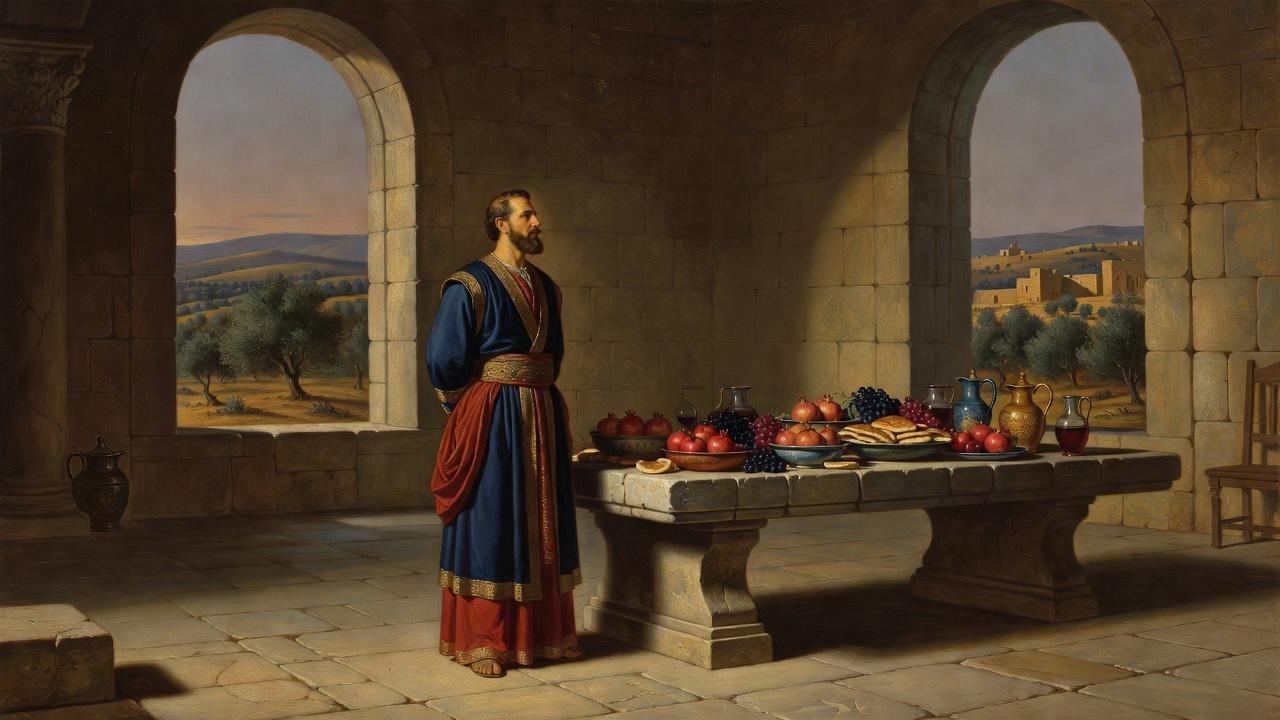
- In ancient thought, having a long life and fathering many children were considered the highest signs of blessing. Ecclesiastes observes, however, that even living two thousand years and fathering a hundred children is hollow if a person cannot enjoy their prosperity or receive a proper burial.Sources: the Bible text itself
- The author points out that although human labor is spent satisfying basic physical needs such as food, human appetite and desire remain continually unfulfilled. He contrasts enjoying what is directly present before the eyes with the ceaseless wandering of unsatisfied cravings.Sources: the Bible text itself
- The chapter emphasizes human limitations, noting that mortals cannot dispute with what has been established by one stronger than they are. Because life is fleeting like a shadow, humans cannot fully know what is truly good for them or foresee what will happen after they are gone.Sources: the Bible text itself
Notes written with AI assistance from open sources (Theographic Bible Metadata, CC BY-SA 4.0; Easton’s Bible Dictionary, public domain) and reviewed before publishing.
Credits and license for this translation
Die Schlachter-Bibel 1951
The Holy Bible in German, Schlachter 1951 version
copyright © 1951 Genfer Bibelgeschellschaft (Geneva Bible Society)
Language: Deutsch (German, Standard)
Translation by: Franz-Eugen Schlachter
Contributor: Genfer Bibelgesellschaft
Die Heilige Schrift des Alten und Neuen Testaments nach dem Urtext Übersetzt von Franz Eugen Schlachter. Neue Überarbeitung 1951 durch Genfer Bibelgesellschaft.
This translation is made available to you under the terms of the
Creative Commons Attribution license 4.0.
You may share and redistribute this Bible translation or extracts from it in any format, provided that:
You include the above copyright and source information.
If you make any changes to the text, you must indicate that you did so in a way that makes it clear that the original licensor is not necessarily endorsing your changes.
Pictures included with Scriptures and other documents on this site are licensed just for use with those Scriptures and documents.
For other uses, please contact the respective copyright owners.
Note that in addition to the rules above, revising and adapting God's Word involves a great responsibility to be true to God's Word. See Revelation 22:18-19.
2022-03-30
Source: http://ebible.org/deu1951/ · eBible.org