Ecclesiastes 5
Die Schlachter-Bibel 1951 · Tap a verse to see its cross-references.
1(04-17) Bewahre deinen Fuß, wenn du zum Hause Gottes gehst! Sich herzunahen, um zu hören, ist besser, als wenn die Toren Opfer bringen; denn sie haben keine Erkenntnis des Bösen, das sie tun. 2(05-1) Übereile dich nicht mit deinem Mund, und laß dein Herz keine unbesonnenen Worte vor Gott aussprechen; denn Gott ist im Himmel, und du bist auf der Erde; darum sollst du nicht viele Worte machen! 3(05-2) Denn der Traum kommt von Vielgeschäftigkeit her und dummes Geschwätz vom vielen Reden. 4(05-3) Wenn du Gott ein Gelübde tust, so versäume nicht, es zu bezahlen; denn er hat kein Wohlgefallen an den Toren; darum halte deine Gelübde! 5(05-4) Es ist besser, du gelobest nichts, als daß du gelobest und es nicht haltest. 6(05-5) Laß dich durch deinen Mund nicht in Schuld stürzen und sage nicht vor dem Boten: «Es war ein Versehen!» Warum soll Gott zürnen ob deiner Worte und das Werk deiner Hände bannen? 7(05-6) Denn wo man viel träumt, da werden auch viel unnütze Worte gemacht. Du aber fürchte Gott! 8(05-7) Wenn du Unterdrückung des Armen und Beraubung im Namen von Recht und Gerechtigkeit in deinem Bezirke siehst, so werde darob nicht irre! Denn es wacht noch ein Höherer über dem Hohen und über ihnen allen der Höchste; 9(05-8) und ein Vorteil für ein Land ist bei alledem ein König, der dem Ackerbau ergeben ist. 10(05-9) Wer Geld liebt, wird des Geldes nimmer satt, und wer Reichtum liebt, bekommt nie genug. Auch das ist eitel! 11(05-10) Wo viele Güter sind, da sind auch viele, die davon zehren, und was hat ihr Besitzer mehr davon als eine Augenweide? 12(05-11) Süß ist der Schlaf des Arbeiters, er esse wenig oder viel; aber den Reichen läßt seine Übersättigung nicht schlafen. 13(05-12) Es gibt ein böses Übel, das ich gesehen habe unter der Sonne: Reichtum, der von seinem Besitzer zu seinem Schaden verwahrt wird. 14(05-13) Geht solcher Reichtum durch einen Unglücksfall verloren und hat der Betreffende einen Sohn, so bleibt diesem gar nichts in der Hand. 15(05-14) So nackt, wie er von seiner Mutter Leibe gekommen ist, geht er wieder dahin und kann gar nichts für seine Mühe mitnehmen, das er in seiner Hand davontragen könnte. 16(05-15) Das ist auch ein böses Übel, daß er gerade so, wie er gekommen ist, wieder gehen muß; und was nützt es ihm, daß er sich um Wind abgemüht hat? 17(05-16) Dazu muß er sein Leben lang mit Kummer essen und hat viel Ärger, Verdruß und Zorn. 18(05-17) Siehe, was ich für gut und für schön ansehe, ist das, daß einer esse und trinke und Gutes genieße bei all seiner Arbeit, womit er sich abmüht unter der Sonne alle Tage seines Lebens, welche Gott ihm gibt; denn das ist sein Teil. 19(05-18) Auch wenn Gott irgend einem Menschen Reichtum und Schätze gibt und ihm gestattet, davon zu genießen und sein Teil zu nehmen, daß er sich freue in seiner Mühe, so ist das eine Gabe Gottes. 20(05-19) Denn er soll nicht viel denken an seine Lebenstage; denn Gott stimmt der Freude seines Herzens zu.
Did you know?
Reverence, Justice, and the Limits of Wealth
- The author cautions against hasty speech in worship, reminding worshippers that God is in heaven while mortals are on earth. Vows made to God were considered serious commitments; the text warns that delaying or failing to fulfill a vow is foolish, making it better not to make a vow at all.Sources: the Bible text itself
- When addressing injustice and the oppression of the poor within a province, the author points to layered government bureaucracy, where each official is watched by a higher authority. Despite this administrative hierarchy, all tiers, including the king, ultimately depend on the produce of the fields.Sources: the Bible text itself
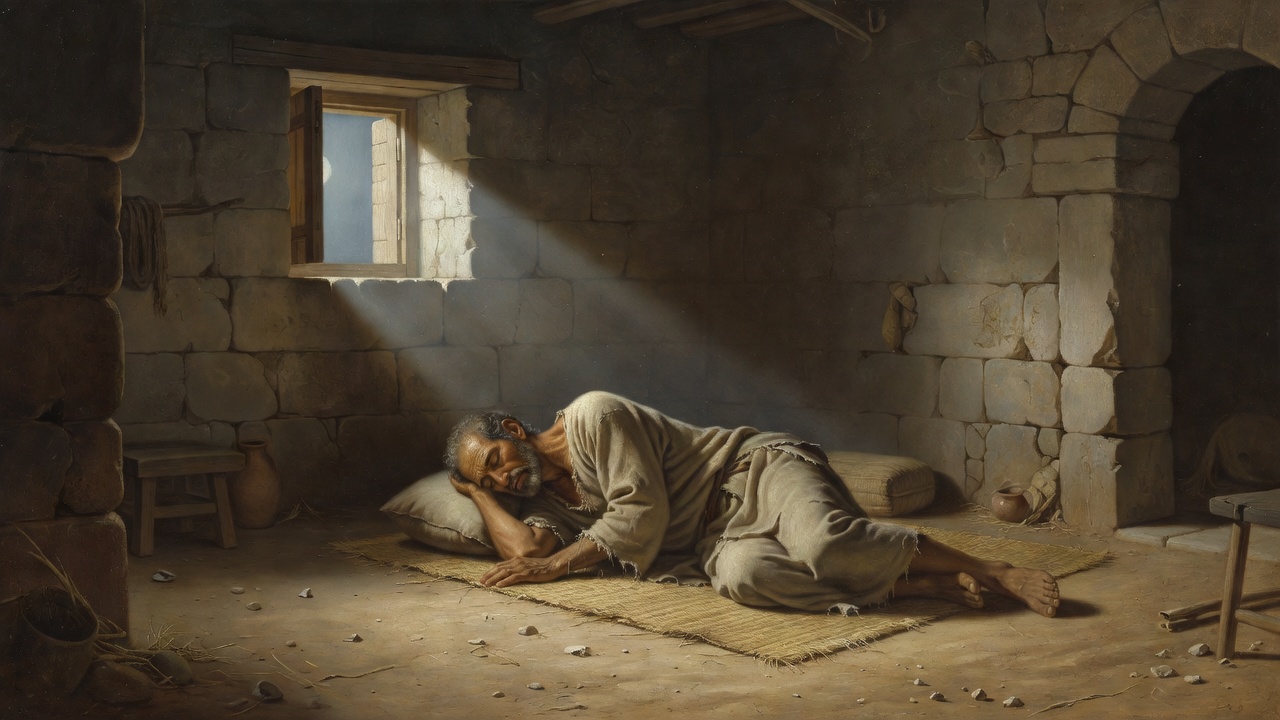
- The chapter contrasts the restless sleeplessness of the wealthy with the sweet sleep of a common laborer, noting that the pursuit of riches brings no lasting satisfaction. True contentment comes when a person accepts their lot and enjoys food, drink, and honest labor as gifts from God.Sources: the Bible text itself
Notes written with AI assistance from open sources (Theographic Bible Metadata, CC BY-SA 4.0; Easton’s Bible Dictionary, public domain) and reviewed before publishing.
Credits and license for this translation
Die Schlachter-Bibel 1951
The Holy Bible in German, Schlachter 1951 version
copyright © 1951 Genfer Bibelgeschellschaft (Geneva Bible Society)
Language: Deutsch (German, Standard)
Translation by: Franz-Eugen Schlachter
Contributor: Genfer Bibelgesellschaft
Die Heilige Schrift des Alten und Neuen Testaments nach dem Urtext Übersetzt von Franz Eugen Schlachter. Neue Überarbeitung 1951 durch Genfer Bibelgesellschaft.
This translation is made available to you under the terms of the
Creative Commons Attribution license 4.0.
You may share and redistribute this Bible translation or extracts from it in any format, provided that:
You include the above copyright and source information.
If you make any changes to the text, you must indicate that you did so in a way that makes it clear that the original licensor is not necessarily endorsing your changes.
Pictures included with Scriptures and other documents on this site are licensed just for use with those Scriptures and documents.
For other uses, please contact the respective copyright owners.
Note that in addition to the rules above, revising and adapting God's Word involves a great responsibility to be true to God's Word. See Revelation 22:18-19.
2022-03-30
Source: http://ebible.org/deu1951/ · eBible.org