Luke 12
El Nuevo Testamento: Cuicateco de Teutila · Tap a verse to see its cross-references.
Ndudo che ricuahn sa̱hn fariseo ne, nduhca̱ ya̱ yahn pa̱n
1Ura min ne, a̱ma ya̱hn ihyan ndo da̱ma ye nde tuno raconda̱ vih ye. Tuhme ra̱hn Dihvo vo ri ye ihyan apóstol yahn ye:
―Cuihco nchuhn cuda̱do nduco ndudo che ricuahn sa̱hn fariseo, te o na̱n o chende se, ne ndudo yahn se ne, rendih nduhca̱ che rendih ya̱ yahn pa̱n. 2Nducuahn che va cua̱hn ndeh ne, va che cuhnde ro. Namin nducuahn che ri cua̱hn ndeh ne, va che cadino ihyan. 3Tihca̱, te che rente nchuhn cua̱hn dema̱n ne nduco vih ne, va che cadino nducoya̱ca ihyan. Namin che ra̱hn nchuhn cua̱hn chete vah ne, va che cuahndudo ihyan nde tin vah yuto.
Duh che va che din va̱h vo
4’Ate nchuhn amigo yáhn, rá̱hn rí nchuhn te hua din va̱h ne sa̱hn che rihno se ihyan, te cuihno min ne, ametah dehva co din se. 5U có nchuhn duh che din va̱h ne. Codin va̱h ne Ihyan che co cahnevi ye vedevihche yahn ne, ne cuihno min ne, va vederihquentiyon yahn ye che dechuh ye nchuhn va̱n ruchiya̱hn. A Ihyan min che codin va̱h nchuhn.
6’Ya̱hda ca̱hya ne, nde hua rigonun chihve te, rendihcue ihyan uhn te, ra ye co tume ca̱hya, ate Dendiohs ne, nda cuande ye ite. 7Nde yudo tin queri a̱ma nchuhn ne, nda cuande ye. Huate va̱h nchuhn, te tahque rigonun chihve nchuhn che co a̱ma ya̱hn ya̱hda ca̱hya.
Ihyan che renevahnecun ye Dihvo vo Jesucristo na̱n nducoya̱ca ihyan
8’Rá̱hn rí nchuhn te adecoduhno ihyan che renevahnecun ye u na̱n nducoya̱ca ihyan ne, u che rinducó nducoya̱ca ihyan ne, ndevá ihyan min na̱n nducoya̱ca ángel yahn Dendiohs. 9Ate ihyan che hua renevahnecun ye u na̱n nducoya̱ca ihyan ne, hua ndevá ihyan min na̱n ángel yahn Dendiohs.
10’Adecoduhno ihyan, andahre chihnga̱ ca̱hma ye yahn u che rinducó nducoya̱ca ihyan, co ca nda̱ca ye vederenchahco. Ate ihyan che ca̱hva ye yahn Vaco Ndah yahn Dendiohs ne, ametah nchahco cuahno Dendiohs ca̱va ye.
11’Cuahn che quenda se nchuhn chete ya̱co ma̱n, na̱n juez ma̱n, na̱n intiyahn ma̱n ne, hua ndedecadino nchuhn deh ca̱hma ne, o ta̱ca̱ ca̱hma ne, 12te ura min ne, Vaco Ndah yahn Dendiohs te cuande nchuhn deh che ca̱hma ne.
Rihco yudo Dihvo vo Jesucristo yahn vedeidihya
13Ra̱hn a̱ma se ri se Dihvo vo:
―Ihyan Ricuahn, ca̱hma ne co ne sa̱hn dihnó che cahma̱hn se nducó dehtenduh che chihco indihte yahn nuhn.
14Ate ra̱hn Dihvo vo ri ye sa̱hn:
―Nda̱co, ndiyu juez u ca̱va che ca̱hcantiyón che cahma̱hn nchuhn dehtenduh yahn ne nduco vih.
15Tuhme ra̱hn ye ri ye nducoya̱ca ihyan:
―Cuihco nchuhn cuda̱do, ne hua din yahino ne vedecuihca che va iyehnse cuh, te andahre a̱ma va vedecuihca yahn ihyan, ate ndiyu nduco chemin co ndevahn ye.
A̱ma sa̱hn cuihca che hua renahn se
16Tuhme nte Dihvo vo ejemplo cuh:
―Chihnde a̱ma sa̱hn cuihca, ne a̱ma nduyo ne, a̱ma chi chenda̱ta yahn se. 17Tuhme ndedecadino se: “Ma̱n ne, ¿ta̱ca̱ dín?, te ametah ti na̱n che cuih ndáh ndute nda̱ta yáhn. 18Tuhca̱ dín. Ntihné nducuahn vahya̱ca yáhn, ne ca̱hnó che tahque rahte. Min cuih ndáh nducuahn ndute nda̱ta yáhn. 19A̱ma va vedecuihca yáhn ca̱va ndeh nduyo. Ma̱n ne, cuhnde táhn, chéh ma̱n, cúh ma̱n, co yenó ma̱n.” 20Ate ra̱hn Dendiohs ri ye sa̱hn: “Hua renehn. Ma̱n ya̱n cuh, va che coh. A̱ma nedin dame vedecuihca, ate ma̱n ne, nde hua devene duh che ndah yahn.”
21Quendi Dihvo vo, ne ra̱hn ye:
―Tihchan ihyan che renedin da̱ma ye vedecuihca ca̱va ma̱n ye, ate na̱n Dendiohs ne, ametah dehva yahn ye.
Dendiohs ne, redin ye cuda̱do ihyan yahn ye
22Ra̱hn Dihvo vo nduco ihyan apóstol yahn ye:
―Chemin che rá̱hn rí nchuhn. Hua cua̱hcora̱n ne ta̱ca̱ din ne che nda̱ca cheh ne, nde hua cua̱hcora̱n ne ca̱va tino yahn ne. 23Vedevihche yahn nchuhn ne, tahque quenun ya̱n che co che reh ne, ne ma̱n nchuhn ne, tahque chenun ya̱n ne che co tino che rahtenun ne. 24Condihche nchuhn chihnda. Nde hua rino te nda̱ta, nde metah na̱n che cuih ndah te deh che cheh te, ate Dendiohs ne, rihquecheh ye ite. ¡Tahque rigonun chihve nchuhn che co ya̱hda! 25¿Duh nchuhn che andahre a̱ma rendedecadino ne, co tihdenan ne ma̱hn metro che ya̱co ne? 26Ndete che hua ri redin nchuhn cha che hua va̱hche, ¿dehco che a̱ma rendedecadino ne yahn dehtenduh chena̱hn?
27’Condihche nchuhn ta̱ca̱ rihta na̱nda. Nde hua renda̱hyon, nde hua ra̱h cuche, ate rá̱hn rí nchuhn te tahque nda̱hchan ro na̱nda che co tino che quenun Salomón, andahre a̱ma chahte vederihquentiyon quenan cuma ye. 28Dendiohs ne, redin ye che riya na̱nda viya̱ta andahre a̱ma ro rihnde, ne ta̱ma ro ne, rih di. ¿A ndiyu tahque redin ye cuda̱do nchuhn? ¿Dehco che a̱ma doh ritahno ne tuhme? 29Chemin che hua ca̱h rihn ma̱n ne nchuhn che rendedecadino ne deh cheh ne ma̱n, deh cuh ne ma̱n. 30Ihyan iyehnse ne, a̱ma rendedecadino ye yahn nducuahn dehtenduh che tuhchan. Ate nchuhn ne, va Chida ne vahchetero, ne a devano ye che rendotenan ne nducuahn dehtenduh che tuhchan. 31Dinoca cuahnecun nchuhn che ca̱hcantiyon Dendiohs nchuhn. Tuhme nducuahn dehtenduh che tuhchan ne, nde tihdena̱n ca ye te ye nchuhn.
32’Nchuhn che doh ri ne, che rinduco ne u, huate va̱h ne, te Chida ne ne, nahn ca̱hcantiyon ye nchuhn. 33Condihcue nchuhn dehtenduh che va yahn ne, ne codin ne vedeva̱hino nduco. Codin nchuhn che ndah ca̱va che ndeva ne che ndah vahchetero. Chemin ne, nduhca̱ a̱ma vedecuihca che hua co cahnevi sa̱hn duco ma̱n, hua co detoh iteduhn ma̱n. 34Tihca̱, te cha vedecuihca che va yahn nchuhn ne, a yahn chemin che rendedecadino ne.
Nahn che cuahteya̱n ihyan
35’Cuahn che rahn a̱ma ihyan vihco na̱n che rihneva̱co ihyan ne, rahtenun sa̱hn deca̱hya yahn ye cuda̱do vah. Vateya̱n se ca̱va che ndeta̱hno che nta̱ dihve se ya̱hve ye ne, aderano se na̱hne se chendevah. 37Ndah ro yahn sa̱hn deca̱hya che vateya̱n se ura che nta̱ dihve se. Cua̱co rá̱hn rí nchuhn te ma̱n ye cua̱condihte ye mesa, ne ca̱hco ye sa̱hn che cheh se. 38Andahre na̱n ma̱hn ya̱n, o a nino co dave nta̱ ye, ndete che nta̱ca ye sa̱hn che vateya̱n se ne, ndah ro yahn se. 39Cuedevano nchuhn te ndete che devano a̱ma ihyan deh ura nda̱ sa̱hn duco ne, cuhndeya̱n ye, ne hua ca̱h yune ye che conda̱ se chete va̱co ye, duco se. 40Nchuhn ne, tihca̱ cuahteya̱n ne, te u che rinducó nducoya̱ca ihyan ne, adena̱n ndá̱ ura che nde tah hua vate ne cuda̱do.
Ejemplo yahn mozo
41Tuhme tumerune Pedro:
―Dihvé, ¿a rente ne ejemplo cuh yahn dema̱n nuhn, o yahn nducoya̱ca ihyan ne?
42Ndahconan Dihvo vo:
―¿Cha sa̱hn deca̱hya che ca̱hco dihve se ntiyon ta̱h se ca̱va che ca̱hcantiyon se va̱co ye ma̱n, ca̱hcacheh se mozo yahn ye ma̱n? ¿A ndiyu sa̱hn che redinahn se ma̱n, che rino na̱n se ma̱n? 43Ndah ro yahn sa̱hn che nta̱ca dihve se sa̱hn che redinahn se ntiyon yahn ye. 44Cua̱co rá̱hn rí nchuhn te ca̱hco dihve sa̱hn min ntiyon ta̱h se ca̱va che din se cuda̱do nducuahn ntiyon yahn ye. 45Ate ndete che ra̱hco a̱ma cha sa̱hn deca̱hya te hua nun nta̱ dihve se, ne cuana̱n redin ta̱n se, rahn se sa̱hn mozo yahn ye ma̱n, ta̱hn mozo yahn ye ma̱n, reh se ma̱n, rih se ma̱n, ricoh se ma̱n ne, 46nta̱ dihve se ro che hua quenan rino se, ura che hua devano se, ne din ye castigo sa̱hn nduhca̱ che redin ihyan castigo sa̱hn che hua redinahn se.
47’Sa̱hn deca̱hya che a devano se dehtenduh che nahn dihve se, ne hua dinahn se ne, a̱ma chahte castigo co se. 48Ate sa̱hn deca̱hya che hua devano se, ne din se dehtenduh che hua nda̱hca̱ ne, hua nduh chahte castigo co se. Adecoduhno ihyan che chahte ntiyon conda̱ ta̱h ye ne, ndahva ndehde da̱me ye, ne ihyan che nde tahque chahte ntiyon conda̱ ta̱h ye ne, nde tahque ndeh ca ndehde da̱me ye.
Ra̱hn Dihvo vo Jesucristo te va che cuahte ca̱nda ihyan
49’Ca̱va u ne, cuahte ca̱nda ihyan va̱n ma̱n ye nduco vih anduhneca̱ ndete che a chíh ya̱hn muhn iyehnse cuh, ne ¡a̱ma náhn ndete a riche! 50U ne, va che a̱ma chuhríhn, ne ¡a̱ma yah náhn ndete che a conahn! 51¿A ra̱hco nchuhn che ndá̱ muhn iyehnse cuh ca̱va che nda̱hca̱ cuahtenan ihyan nduco vih? Rá̱hn rí nchuhn te hua, te ndá̱ ca̱va che cuahte ca̱nda ye nduco vih. 52Cuana̱n nde meniyon, ndete che uhn ihyan chenun ye a̱ma vah ne, ino ye co ta̱n ye nduco o ye. 53Ihyan cha̱hn ne, co ta̱n ye nduco sa̱hn da̱ya ye, ne sa̱hn da̱ya ye ne, co ta̱n se nduco chida se. Ihyan nda̱hta ne, co ta̱n ye nduco ta̱hn da̱ya ye, ne ta̱hn da̱ya ye ne, co ta̱n te nduco chaco te. Namin co ta̱n ihyan nda̱hta nduco ta̱hn decuno ye, ne ta̱hn decuno ye ne, co ta̱n te nduco inda̱hn te.
Ri ro cuahn che rendacorun tiempo
54Quendi Dihvo vo, ne ra̱hn ye nduco nducoya̱ca ihyan:
―Cuahn che rendihchero nchuhn che renecuan man cua̱hn na̱n che rehche ya̱hn ne, ndetahno ra̱hn ne te cuan co, ne tihca̱ ri. 55Namin cuahn che rano yuhneya̱hn ne, ra̱hn nchuhn te cuhnde ihno, ne tihca̱ ri. 56¡O na̱n o chende nchuhn! Devano nchuhn cuahn che co ihno ma̱n, cuahn che cuan co ma̱n. ¿Dehco che hua devano ne deh ri ro cuh che vate ne? 57¿Dehco che hua rendedecadino ma̱n nchuhn cha che tahque ndah din ne na̱n Dendiohs? 58Numanahn che ca̱hn a̱ma cha nchuhn na̱n intiyahn nduco sa̱hn che ta̱n se nduco ne ne, codin nun ino ne, cuenedin ndah ne ndudo nduco se cua̱hn yune, ca̱va che hua quenda se ndih na̱n juez, ne neca̱h ye ndih ta̱h policía ca̱va che tihyon se ndih va̱coya̱hn. 59Rá̱hn rí ndih te ndete che hua nedin ndah ne ndudo nduco se ne, hua ndiquenda̱h ne va̱coya̱hn nde cuihno nedihve ne nducuahn che quendihco ne.
Did you know?
Hypocrisy, trust, and watchfulness
- Jesus tells his disciples that not even Solomon in all his glory was adorned like one of the lilies. Solomon, whose Hebrew name Shelomoh means “peaceful,” was David’s son by Bathsheba and is described as the first king of Israel born in the purple; his history is recorded in 1 Kings 1-11 and 2 Chronicles 1-9.Sources: the Bible text itself · Solomon
- The man who asks whether the parable is for the disciples or for everyone else is Simon Peter. He was originally called Simon, or Simeon, a very common Jewish name meaning “hearing”; he was the son of Jona and was trained as a fisher in his hometown, Bethsaida, on the western coast of the Sea of Galilee.Sources: the Bible text itself · Simon Peter
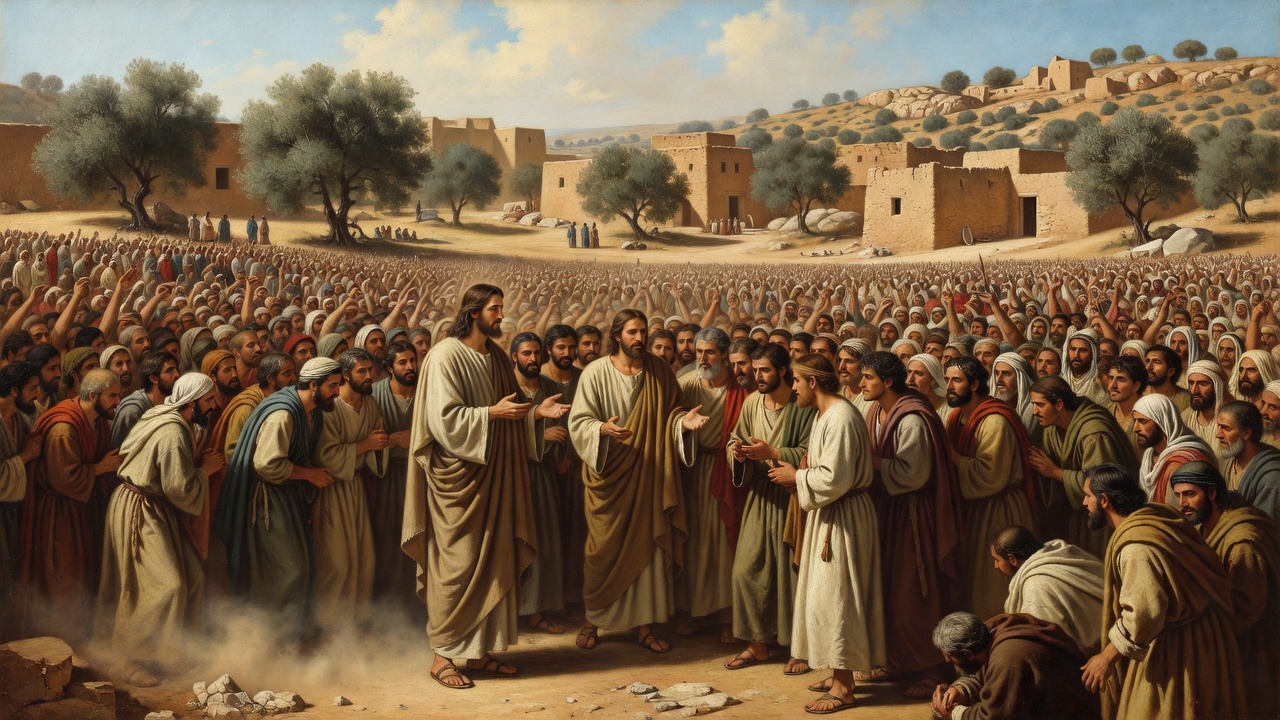
- The chapter opens with many thousands trampling one another as Jesus warns his disciples about the hypocrisy of the Pharisees and then tells parables. One list of events dates the woes and parables with the Pharisees to AD 29 and assigns them a length of one day.Sources: the Bible text itself · Woes and Parables with Pharisees
Notes written with AI assistance from open sources (Theographic Bible Metadata, CC BY-SA 4.0; Easton’s Bible Dictionary, public domain) and reviewed before publishing.
Credits and license for this translation
El Nuevo Testamento: Cuicateco de Teutila
New Testament in Cuicatec, Teutila (MX:cut:Cuicatec, Teutila)
copyright © 1972 Wycliffe Bible Translators, Inc.
Language: Cuicatec, Teutila
Translation by: Wycliffe Bible Translators, Inc.
Cuicateco, Teutila [cut], Mexico
Copyright Information
© 1972, Wycliffe Bible Translators, Inc.
This translation text is made available to you under the
terms of the Creative Commons License: Attribution-Noncommercial-No Derivative Works.
( http://creativecommons.org/licenses/by-nc-nd/3.0/ )
In addition, you have permission to port the text to different file formats, as long as you
do not change any of the text or punctuation of the Bible.
You may share, copy, distribute, transmit, and extract portions
or quotations from this work, provided that you include the above copyright
information:
You must give Attribution to the work.
You do not sell this work for a profit.
You do not make any derivative works that change any of the actual words or punctuation of the Scriptures.
Permissions beyond the scope of this license may be
available if you contact
us with your request.
The New Testament
in Cuicatec, Teutila
© 1972, Wycliffe Bible Translators, Inc.
This translation is made available to you under the terms of the
Creative Commons Attribution-Noncommercial-No Derivatives license 4.0.
You may share and redistribute this Bible translation or extracts from it in any format, provided that:
You include the above copyright and source information.
You do not sell this work for a profit.
You do not change any of the words or punctuation of the Scriptures.
Pictures included with Scriptures and other documents on this site are licensed just for use with those Scriptures and documents.
For other uses, please contact the respective copyright owners.
2014-04-22
Source: http://ebible.org/cutNT/ · eBible.org