Luke 11
El Nuevo Testamento: Cuicateco de Teutila · Tap a verse to see its cross-references.
Chicuahn Dihvo vo Jesucristo nduhca̱ che cova̱h vo
1A̱ma yune ne, reva̱h Dihvo vo, ne cuahn che a chihno cova̱h ye ne, ra̱hn a̱ma ihyan apóstol ri ye ihyan:
―Dihve nuhn, cuicuahn ne nuhn, cova̱h nuhn nduhca̱ che chicuahn Jua̱n Bautista ihyan che chinduco ye ihyan.
2Ra̱hn Dihvo vo ri ye ihyan chahn:
―Cuahn che cova̱h nchuhn ne, ca̱hma ne tuhca̱:
Chida nuhn che va ne vahchetero,
nda̱hca̱ che ndeva nducoya̱ca ihyan yavena̱n ne.
Nda̱hca̱ che ca̱hcantiyon ne nducoya̱ca ihyan.
Nduhca̱ che rinahn nducuahn che nahn ne vahchetero ne, tihca̱ conahn muhn iyehnse cuh.
3Cuete ne che cheh nuhn ma̱n nduhca̱ che rete ne ro ro.
4Cuenchahco ne nunde yahn nuhn, te namin nuhn ne, renchahco nuhn yahn nducoya̱ca ihyan che rendihco ye yahn nuhn.
Hua cuahnecun ne che tumerande chundah nuhn.
Cuendedevahn ne nuhn yahn nducuahn che chihnga̱.
5Tuhme quendi Dihvo vo, ne ra̱hn ye:
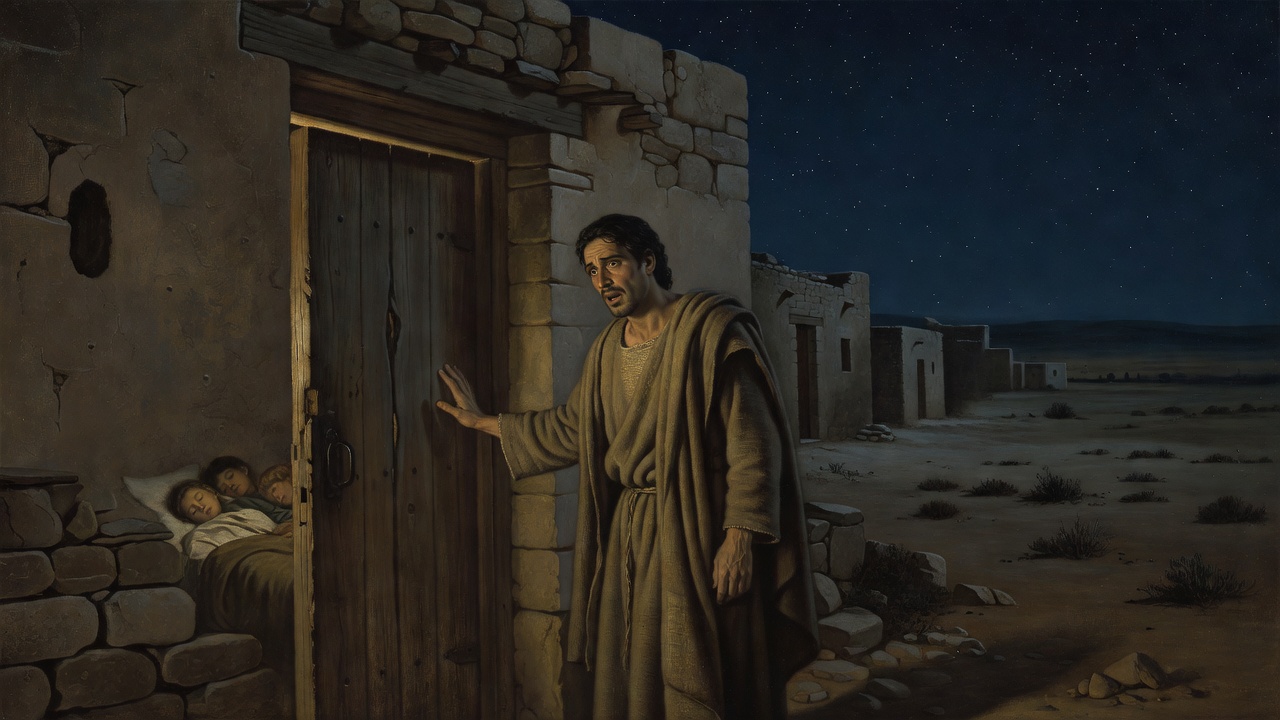
―Ndete che na̱n ma̱hn ya̱n, ca̱hn a̱ma cha nchuhn va̱co amigo yahn ne, ne ca̱hma ne nduco ye: “Combiero, teche ne o ino pa̱n, tumenán, 6te a̱ma amigo yáhn nda̱ ye ndeva̱có, ne metah dehva che cá̱h cheh ye”, 7¿a ndahconan ye nde chete vah tuhca̱ ne?: “Hua dendoh u, te a quendité na̱n yundo nduco checa̱hya yáhn, ne chendevah ne, a ntude. Hua co necuán té che rique.” 8Rá̱hn rí nchuhn te andahre hua necuan ye, te ye ca̱va che amigo yahn ne ihyan, ate ndete che quendi ne ca̱ca ne ihyan ne, necuan ye te ye nducuahn che nahn ne. 9Namin rá̱hn rí nchuhn: Cuica ne dehtenduh che nahn ne Dendiohs, ne te ye nchuhn. Tihca̱, te nducoya̱ca ihyan che rica ye ne, rendonda̱ ta̱h ye. Ihyan che renuhn ye ne, renda̱ca ye. Ihyan che riya̱hve ye ne, rena̱ne chendevah ca̱va ye.
11’Ndete che ca̱ca da̱ya a̱ma cha nchuhn pa̱n ne, ¿a ca̱h ne a̱ma tu? O ndete che ca̱ca da̱ya nchuhn ya̱hca, ¿a ca̱h ne a̱ma cu? 12O ndete che ca̱ca da̱ya nchuhn a̱ma dute tuh ne, ¿a ca̱h ne a̱ma itedahn? 13Andahre duhtuno ihyan nchuhn, ate devano ca̱h ne dehtenduh che ndah da̱ya ne. ¿A ndiyu tahque nun te Chida nchuhn che va ye vahchetero Vaco Ndah yahn ye nchuhn cuahn che ca̱ca ne?
Ra̱hn se yahn Dihvo vo Jesucristo te quenan cuma ye vederihquentiyon yahn chundah
14A̱ma yune ne, ndetenda̱h Dihvo vo vaco chihnga̱ che quenun a̱ma se, nedin che ndi lihme se. Cuahn che a ndiquenda̱h vaco chihnga̱ me ne, a chi ca̱hn sa̱hn min, ne a̱ma cuahn ino ihyan. 15Ate na̱hn se ne, ra̱hn se:
―Sa̱hn tih ne, rendetenda̱h se vaco chihnga̱, te quenan cuma se vederihquentiyon yahn chundah, sa̱hn min che ndina̱n se yahn vaco chihnga̱.
16Na̱hn tun se che nahn tumerande se Dihvo vo ne, rica se che din ye a̱ma vederihno che ca̱ca vahchetero, ndihchero se. 17Ate devano Dihvo vo deh che rendedecadino sa̱hn chahn, ne ra̱hn ye ri ye sa̱hn:
―Ndete ihyan che vate ye rihquentiyon ye, cuahtecuhma ye va̱n ma̱n ye nduco vih ne, hua co quendi ye ca̱hcantiyon ye. Namin ihyan che chenun ye a̱ma vah, ndete che cuahtecuhma ye va̱n ma̱n ye nduco vih ne, hua co quendi ye, cuahtenun da̱ma ye. 18Namin chundah, ndete che cuhma se nduco ihyan yahn se ne, ¿ta̱ca̱ co quendi ca̱hcantiyon se? Tihca̱ tumeruné nchuhn, te ra̱hn ne te nduco vederihquentiyon yahn chundah, rendetendá̱h vaco chihnga̱. 19Ndete che rendetendá̱h vaco chihnga̱ nduco vederihquentiyon yahn chundah ne, tuhme ¿duhra rinan combiero yahn nchuhn che rendetenda̱h se vaco chihnga̱? Ma̱n sa̱hn chahn ca̱hma se co se nchuhn. 20Ate ndete che nduco vederihquentiyon yahn Dendiohs rendetendá̱h vaco chihnga̱ ne, codevano nchuhn te vederihquentiyon yahn Dendiohs ne, a va va̱n ne.
21’Cuahn che a̱ma sa̱hn dito va che redin nduco se cuda̱do va̱co se ne, nducuahn dehtenduh yahn se ne, nda̱hca̱ va. 22Ate ndete che nda̱ ta̱ma ihyan che tahque dito ye che co sa̱hn min ne, nda̱hco ndiya ye sa̱hn, cahnevi ye nducuahn dehtenduh che redin nduco se cuda̱do va̱co se, ne necahn ma̱hn ye nduco combiero yahn ye nducuahn che cahnevi ye yahn se.
23’Ihyan che hua rinduco ye u ne, ta̱n ye nducó. Ihyan che hua redin ye ntiyon nducó ne, redetohnan ye ntiyon che redín.
24’Cuahn che a ndiquenda̱h vaco chihnga̱ a̱ma ihyan ne, rechica na̱n ya̱hn cuma, renuhn na̱n che conun. Ndete che hua renda̱ca na̱n che conun ne, rendedecadino: “Na̱hn tún na̱n che ndiquendá̱h.” 25Cuahn che rendaconan ne, renta̱ca ihyan min nduhca̱ a̱ma vah che nda̱hca̱ nto dave nde tuno necuco. 26Tuhme rahn regua te ndache vaco che tahque chihnga̱, ne renda̱ ihyan min, ne tahque rechuhrihn ye che co ro mena̱n me.
Ndah ro yahn ihyan che redinahn ye Ndudo yahn Dendiohs
27Ura che ra̱hn Dihvo vo dehtenduh che tuhchan ne, a̱ma dito ra̱hn a̱ma nda̱hta va̱n ihyan:
―¡Ndah ro yahn ihyan nda̱hta che chacoya̱hn ye ndih ma̱n, che ta̱ve ye ndih ma̱n!
28Dihvo vo ne, ra̱hn ye:
―Tahque ndah ro yahn ihyan che rihnevan ye Ndudo yahn Dendiohs ma̱n, redinahn ye ma̱n.
Ihyan nunde ne, rica ye a̱ma vederihno ndihchero ye
29Cuahn che a̱ma ndo da̱ma ihyan ne, ra̱hn Dihvo vo:
―Nchuhn che vate ne ma̱n ro cuh ne, duhtuno ihyan ne, rica ne vederihno. Ate vederihno ne, hua nda̱ca ndihchero ne. Atena̱n a̱ma vederihno nduhca̱ vederihno che din Dendiohs nduco Jonás, nda̱ca ndihchero ne. 30Nduhca̱ che ndihchero ihyan ya̱n Nínive vederihno che din Dendiohs nduco Jonás ne, tihca̱ conahn a̱ma vederihno nduco u che rinducó nducoya̱ca ihyan, ndihchero nchuhn che vate ne ma̱n ro cuh. 31Nda̱ ro che techeca̱de Dendiohs yahn nducoya̱ca ihyan ne, necuan reina che va te cua̱hn ya̱hn ndiya, ca̱ca nunde te yahn nchuhn che vate ne ma̱n ro cuh, te ta̱hn min ne, chica te ya̱hn yahn, ne nda̱ te, chihnevan te vededevano yahn Salomón. Ate u che tahque chahte vederihquentiyon yáhn che co Salomón, muhn quenún va̱n nchuhn, nde hua retumaca̱h ne u. 32Nda̱ ro che techeca̱de Dendiohs yahn nducoya̱ca ihyan ne, necuan ihyan ya̱n Nínive, ca̱ca nunde ye yahn nchuhn che vate ne ma̱n ro cuh, te ihyan chahn ne, nto ino ye nunde yahn ye cuahn che cahndudo Jonás. Ate u che tahque chahte vederihquentiyon yáhn che co Jonás, muhn quenún va̱n nchuhn, nde hua retumaca̱h ne u.
Ejemplo yahn ndudo che ricuahn Dihvo vo Jesucristo
33’Nde a̱ma ihyan hua rihco ye a̱ma ya̱hn ma̱n a̱ma cajún, ate rihco ye na̱n che ya̱co ca̱va che co ro dave yahn ihyan che renda̱ ye. Tihca̱ ndudo yáhn, te hua co conun ndeh. 34Ndutena̱n nchuhn ne, nduhca̱ a̱ma ya̱hn che redin che ri ro na̱n ne. Chedave yahn ne ne, nduhca̱ a̱ma ya̱hn che redin che ri renahn ne. Ndete che ndah chedave yahn ne ne, conahn ndah ne. Ate ndete hua ndah ne, nde hua conahn ne. 35Chemin che nahn che ca̱hco nchuhn cuda̱do chedave yahn ne ca̱va che ndah conahn ne. 36Ndete che tihca̱ ca̱hco ne cuda̱do ne, chedave yahn ne ne, nduhca̱ a̱ma ya̱hn ndah che din che conahn ndah ne.
Sa̱hn fariseo nduco sa̱hn devano ley che dirun Moisés ne, ndevih Dihvo vo Jesucristo nunde yahn se va̱cona̱n se
37Cuahn che chihno ra̱hn Dihvo vo ne, ya̱hve a̱ma sa̱hn fariseo ihyan che ca̱hn ye va̱co se, cheh ye nduco se. Chenda̱ ye va̱co se, ne cuahn che nda̱ ura ne, chihnde ye na̱n mesa. 38Ndihchero sa̱hn fariseo me che hua na̱no ye ta̱h ye nduhca̱ costumbre yahn se, ne a̱ma cuahn ino se chi. 39Ra̱hn ye ri ye sa̱hn:
―Nchuhn sa̱hn fariseo ne, a̱ma rena̱no ne va̱so ma̱n, cuh ma̱n. Ate chete chedave yahn ma̱n ne ne, ndito vede idihya ma̱n, nducuahn che chihnga̱ ma̱n. 40¡Hua renahn nchuhn! ¿A hua devano nchuhn te Dendiohs che dendah ye ihyan ne, tahque nahn ye che dave chedave yahn ihyan che co cua̱hn mena̱n ye? 41Cuedin nchuhn vedeva̱hino numacuahn chedave yahn ne. Tuhme co ro che dave yavena̱n ne na̱n Dendiohs.
42’Nchuhn sa̱hn fariseo, ¡yah rí ca̱va ne!, te dema̱n riya yahn ive ma̱n, aruda ma̱n, dehtenduh ya̱ta ma̱n, reca̱h ne. Ate vederihquentiyon yahn Dendiohs ma̱n, vedeyahino yahn ye ma̱n, andahre chemin che tahque rigonun chihve ne, rihcoma̱n ne. Nduhca̱ che redinahn ne yahn riya ne, tihca̱ codinahn ne yahn nducuahn.
43’Nchuhn sa̱hn fariseo, ¡yah rí ca̱va ne!, te renan ino ne cuahte ne chete ya̱co na̱n silla che rahte ihyan ndina̱n. Namin renan ino ne che nevahnecun ihyan nchuhn, nte ye Dendiohs nchuhn cua̱hn ndihve.
44’Nchuhn sa̱hn fariseo ma̱n, sa̱hn devano ley che dirun Moisés ma̱n, ¡yah rí ca̱va ne! ¡O na̱n o chende ne! Nchuhn ne, nduhca̱ ya̱yan che a nincheh, che vatechica ihyan mena̱n nde hua devano ye che ya̱yan, tihchan ne.
45Tuhme ra̱hn a̱ma sa̱hn devano ley che dirun Moisés:
―Ihyan Ricuahn, cuahn che tihca̱ ra̱hn ne ne, nde nuhn, chihnga̱ riya yahn nuhn.
46Ate ra̱hn Dihvo vo ri ye sa̱hn:
―Namin nchuhn, sa̱hn devano ley che dirun Moisés, ¡yah rí ca̱va ne!, te reca̱h rihn nduh ne ihyan nduco dehtenduh che nentihdenan ne, rihquentiyon ne che va che dinahn ye. Ate ma̱n ne ne, nde tah hua rinan ne ihyan.
47’¡Yah rí ca̱va nchuhn!, te rahto ne ya̱yan yahn ihyan profeta che ma̱n indihte yahn ne, chihno ye ihyan. 48Nchuhn ne, devano ne che din indihte yahn ne, ne da̱ma ri ne nduco ye, te ihyan chahn chihno ye, ne nchuhn rahto ne ya̱yan.
49’A yahn che tihca̱ redin nchuhn che ra̱hn Dendiohs numacuahn vededevano yahn ye: “Dechúh ihyan profeta ma̱n, ihyan apóstol ma̱n, ne ca̱hno se na̱hn ihyan chahn, ne na̱hn ye ne, din ta̱n se nduco ye.” 50Dendiohs va che techeca̱de ye yahn ihyan che vate ye ma̱n ro cuh, te ndehde da̱me ye yun yahn nducoya̱ca ihyan profeta che chihno ihyan nde na̱n che cana̱n iyehnse. 51Ndehde da̱me ye nde yun yahn Abel, nde yun yahn Zacarías, che chihno se ihyan menda̱hn yahn na̱n ta nduco ya̱co chahte. Tihca̱ rá̱hn rí nchuhn, te yun yahn nducoya̱ca ihyan chahn ne, va che nedihve ihyan che vate ma̱n ro cuh.
52’Nchuhn, sa̱hn devano ley che dirun Moisés, ¡yah rí ca̱va ne!, te vededevano che chihcoro Dendiohs ne, nchuhn ne, rihco ndeh ne. Nde hua riquendi ma̱n nchuhn, nde hua rahnecun ne che quendi ihyan chena̱hn.
53Cuahn che ra̱hn Dihvo vo dehtenduh che tuhchan ne, sa̱hn fariseo ma̱n, sa̱hn devano ley che dirun Moisés ma̱n ne, chi ta̱n se nduco ye, ne a̱ma ndeh na̱n dehtenduh retumerune se ihyan. 54Nduco tihca̱ ne, retumarande se ihyan, te nahn se che ca̱hma ye a̱ma ndudo che hua nda̱hca̱, ca̱va che co ca̱ca nunde se yahn ye.
Did you know?
Prayer, Signs, and Woes
- Jesus speaks of the blood of all the prophets, from the blood of Abel to the blood of Zechariah, who was killed between the altar and the sanctuary. Abel was the second son of Adam and Eve and was killed by his brother Cain. Easton's Bible Dictionary (1897) identifies this Zechariah as the son or grandson of the high priest Jehoiada, stoned at the king's command in the court of the house of the Lord after he condemned the king and the people, and notes that Jesus alludes to that murder in this chapter.Sources: the Bible text itself · Abel · Zacharias
- Jesus says this generation will be given no sign except the sign of Jonah: as Jonah was a sign to the Ninevites, so the Son of Man will be a sign to this generation, and the men of Nineveh, who repented at his preaching, will condemn it at the judgment, because someone greater than Jonah is here. Easton's Bible Dictionary (1897) describes Jonah, son of Amittai of Gath-hepher, as a prophet of Israel and a missionary to Nineveh, and calls him a type of the Son of Man. It describes Nineveh as a great and populous city, the flourishing capital of the Assyrian empire.Sources: the Bible text itself · Jonah · Nineveh
- After Jesus drives out a demon that was mute, some say he does it by Beelzebul, the prince of the demons. Easton's Bible Dictionary (1897) explains the name Satan as adversary or accuser, says the New Testament uses it interchangeably with the devil, and lists Beelzebub among his titles. Jesus answers that every kingdom divided against itself will be laid waste, and asks how Satan's kingdom can stand if Satan is divided against himself.Sources: the Bible text itself · Satan
Notes written with AI assistance from open sources (Theographic Bible Metadata, CC BY-SA 4.0; Easton’s Bible Dictionary, public domain) and reviewed before publishing.
Places in this chapter
Only places identified with high confidence are shown (90% or more according to the scholarly sources compiled by OpenBible). Period map: DARE (Digital Atlas of the Roman Empire), CC BY 4.0; modern map: © OpenStreetMap contributors; places: OpenBible.info (CC BY 4.0).
Credits and license for this translation
El Nuevo Testamento: Cuicateco de Teutila
New Testament in Cuicatec, Teutila (MX:cut:Cuicatec, Teutila)
copyright © 1972 Wycliffe Bible Translators, Inc.
Language: Cuicatec, Teutila
Translation by: Wycliffe Bible Translators, Inc.
Cuicateco, Teutila [cut], Mexico
Copyright Information
© 1972, Wycliffe Bible Translators, Inc.
This translation text is made available to you under the
terms of the Creative Commons License: Attribution-Noncommercial-No Derivative Works.
( http://creativecommons.org/licenses/by-nc-nd/3.0/ )
In addition, you have permission to port the text to different file formats, as long as you
do not change any of the text or punctuation of the Bible.
You may share, copy, distribute, transmit, and extract portions
or quotations from this work, provided that you include the above copyright
information:
You must give Attribution to the work.
You do not sell this work for a profit.
You do not make any derivative works that change any of the actual words or punctuation of the Scriptures.
Permissions beyond the scope of this license may be
available if you contact
us with your request.
The New Testament
in Cuicatec, Teutila
© 1972, Wycliffe Bible Translators, Inc.
This translation is made available to you under the terms of the
Creative Commons Attribution-Noncommercial-No Derivatives license 4.0.
You may share and redistribute this Bible translation or extracts from it in any format, provided that:
You include the above copyright and source information.
You do not sell this work for a profit.
You do not change any of the words or punctuation of the Scriptures.
Pictures included with Scriptures and other documents on this site are licensed just for use with those Scriptures and documents.
For other uses, please contact the respective copyright owners.
2014-04-22
Source: http://ebible.org/cutNT/ · eBible.org