Acts 19
Majepacʉ jʉ̃menijicʉi yávaiye mamaene coyʉitucubo · Tap a verse to see its cross-references.
Pablo ʉ̃i bueino Éfesocavʉre
1Apolos ʉ̃i cʉede Corinto ãmicʉriĩmaroi, Pablocapũravʉ mái nʉri, cʉ̃racũare jatarĩ vainí, earejamed̶a cojedeca Éfeso ãmicʉriĩmaroi. Noi copʉrejamed̶a apevʉ Jesúre jʉ aipõevare. 2Náre yópe arĩ jẽniari jã́rejamed̶a:
—¿Jesúre mamarʉmʉ mʉje jʉ aiyede, Espíritu Santore jacopʉrãrʉ mʉja? arejamed̶a Pablo.
—Ñʉja ye jápiabevʉ ñai Espíritu Santo cʉcʉre, arejaimad̶a na.
3Ne que arĩburu, Pablo jẽniari jã́rejamed̶a náre:
—¿Ye bateárĩ mʉje jã́d̶ovaiye báque Jʉ̃menijicʉre ocoque? arejamed̶a Pablo.
—Juan Bautista bácʉ ʉ̃i jã́d̶ovaiye báquepe jã́d̶ovaima Jʉ̃menijicʉre ñʉjare ocoque, arejaimad̶a Pablore.
4Aru Pablo arejamed̶a náre:
—Juan Bautista bácʉ jã́d̶ovaquemavʉ ina põeva chĩoivʉre ne ãmeina teiye boje ne d̶aiyede oatʉvaivʉre. Aru náre coyʉquemavʉ, yópe arĩ: “Dacʉyʉme ji yóboi cũinácʉ, ji pʉeno parʉcʉ, Jʉ̃menijicʉi daroquimʉ. Jʉ ajarã ʉ̃́re”, aquemavʉ Juan Bautista bácʉ. Aru Jesúreca batequémavʉ dacʉyʉ ñai Juan Bautista bácʉ yóboi, arejamed̶a Pablo náre.
5Diede jápiaivʉ bácavʉ, jã́d̶ovarejaimad̶a Jʉ̃menijicʉre ocoque, ne Jesúre jʉ aiye boje, ʉ̃ jina márajivʉ. 6Dinʉmʉma Pablo ʉ̃i tʉoiyede ʉ̃i pʉrʉáque náre coapa ne jipobʉrã, jacopʉrejaimad̶a ñai Espíritu Santore. Que teni yávarejaimad̶a apecamua yávaicamua ne majibecamuaque. Aru Jʉ̃menijicʉi yávaiyede coyʉcarejaimad̶a na. 7Doce paivʉ ʉ̃mʉva marejáimad̶a na.
8Yóbecʉrã aviáva baju Pablo nʉ́varejamed̶a ne judíovai cójijiñami. Jidʉbecʉva coyʉyʉ barejámed̶a parʉrõreca, ne majinajiyepe ayʉ jãve ʉ̃i coyʉiyede Jʉ̃menijicʉi jaboteino borore. 9Ʉbenita apevʉ, ʉ̃i yávaiyede jápiaiyʉbevʉ aru jʉ aiyʉbevʉ, ãmeina yávarejaimad̶a Jesúi bueicõjeiyede caivʉ ina judíova cójijivʉ ne jã́iyede. Que baru Pablo dajocarejamed̶a náre. Aru nʉvarejamed̶a ina Jesúre jʉ aipõevare ʉ̃́que. Caijãravʉa coyʉyʉ barejámed̶a põevare aped̶ãmi, Tirano ãmicʉcʉ ʉ̃i bueiñami. 10Nópe d̶ayʉ barejámed̶a pʉcaʉjʉa baju. Que teni caivʉ põeva Asia ãmicʉrijoborõcavʉ, judíova aru judíova ãmevʉ máre, jápiarejaimad̶a Jʉ̃menijicʉi yávaiye méne.
11Jʉ̃menijicʉ Pablore d̶are d̶arejamed̶a ʉrarõ põeva ne d̶arĩ majibede. 12Que baru ʉ̃i doicajeare nʉvaivʉ barejáimad̶a ijimarare. Aru ne tʉoiyede dicajeare meatedejaimad̶a na. Abujuva máre etarejaimad̶a náre jocarĩ.
13Apevʉ judíova, yaviéde d̶aivʉ, cuivʉ ĩmaroa coapa jaetovaivʉ barejáimad̶a abujuvare põevare jocarĩ. Jaetovaiyʉrĩdurejaimad̶a abujuvare Jesúi parʉéque máre. Que teni arejaimad̶a cũinácʉ abujucʉre:
—D̶aicõjeivʉ mʉre, Pabloi coyʉimʉ Jesús ʉ̃i parʉéque, etajacʉ mʉ ñai ʉ̃mʉre jocarĩ, arejaimad̶a.
14Ina yaviéde d̶aivʉ siete paivʉ ʉ̃mʉva, cũinácʉ ʉ̃mʉi mára marejáimad̶a na. Népacʉ cũinácʉ judíovai sacerdotevare jaboteipõecʉ barejámed̶a, ʉ̃i ãmiá Esceva. 15Ʉbenita ñai abujucʉ arejamed̶a náre:
—Jesúre majivʉ yʉ. Aru Pablore máre majivʉ yʉ. Ʉbenita mʉjare ye majibevʉ yʉ, arejamed̶a náre ñai abujucʉ.
16Que arĩ, ñai ʉ̃mʉ, abujucʉ ʉ̃i ĩmamʉ, jijecʉcʉ ne pʉenoi biarárĩ, jara popeni, ne cuitótecajeare jad̶evarĩ, jaetovarejamed̶a náre cʉ̃ramine jocarĩ. Que teni cúyarejaimad̶a cʉ̃ramine jocarĩ na coapa, churiá cʉrivʉ aru cuitótecajea cʉbevʉva. 17Aru caivʉ Éfeso ãmicʉriĩmarocavʉ, judíova aru judíova ãmevʉ máre, jápiarejaimad̶a iye Escevai márai borore. Que baru pare jidʉrejaimad̶a ina caivʉ. Aru pʉeno baju mearore jídejaimad̶a Jesúre, ʉ̃i parʉé boje.
18Obedivʉ põeva, Jesúre jʉ aivʉ caride, caivʉ ne jã́iyede coyʉrãearejaimad̶a ne ãmeina teiye báquede, Jesúre ne jʉ arãjiye jipocai. 19Obedivʉ nácavʉ, yaviéde d̶aivʉ bácavʉ ne yaviéde bueitucuboare davarĩ, juarejaimad̶a caiye ditucuboare caivʉ põeva ne jã́iyede. Aru ne corevaiyede aipino bojecʉrõ ditucuboa ne ẽ́itucuboa báquede, cincuenta mil paitʉrava tãutʉratʉrava me bojecʉritʉrava bojecʉrõpe baju bojecʉrejavʉ̃ya. (Cũinátʉrʉbu quince paivʉ memeipõeva ne memeiye boje caipʉcapʉrʉape paiʉjʉare.)
20Yópe parʉrõque caijãravʉa d̶arĩ jã́d̶ovaiyede apevʉ obedivʉ põeva jápiaivʉ Jʉ̃menijicʉi yávaiye méne, ne jʉ aiyede pʉeno baju obedivʉ jʉ aivʉ nʉrejaimad̶a na.
21Que teniburu yóboi, Pablo arĩ dápiarejamed̶a: “Vainí nʉquijivʉ Macedoniare aru Acayare máre. Que teni nʉquijivʉ Jerusalẽ́ne. Aru no yóboi, nʉiye jaʉvʉ yʉre Romai”, arĩ dápiarejamed̶a Pablo. 22Que baru jarorejamed̶a pʉcarã ʉ̃i yóvaimarare, Timoteore aru Erastore máre, ne nʉrajiyepe ayʉ ʉ̃i jipocai Macedonia ãmicʉrijoborõi, ʉ̃i mauteiyedeca apejãravʉare Asia ãmicʉrijoborõi.
Éfesocavʉ ne cãrijini jorojĩno Jesúre jʉ aipõevaque
23Dinʉmʉreca obedivʉ Éfeso ãmicʉriĩmarocavʉ jararejaimad̶a Pablore, ʉ̃i bueiye boje põeva ne d̶arãjiyede yópe Jesúi ʉrõpe. 24Cũinácʉ ʉ̃mʉ, nócacʉ, ʉ̃i ãmiá Demetrio, tãure memeipõecʉ barejámed̶a ʉ̃. D̶arejamed̶a tãuque quĩ́jiñamia cʉ̃ramiare yópe ico jʉ̃menijico õi ãmiá Artemisa õi cʉ̃rami ʉrad̶ãmipe paiñami, d̶arĩ bojed̶acʉyʉ diñamiare põevare. Ʉrarõ tãutʉrare ĩnejamed̶a ʉ̃ diñamia boje. Aru apevʉ Demetriore memecaipõeva máre ʉrarõ tãutʉrare ĩnejaimad̶a na, ne memeiye boje. 25Que baru Demetrio cójijovarejamed̶a caivʉ ʉ̃́re memecaivʉre aru caivʉ apevʉ nócavʉ máre ne memeiyepe paiyede d̶aivʉre. Cójijivʉ caivʉ, Demetrio arejamed̶a náre:
—Mʉja, ji yóvaimara, mʉjavacari majivʉ maje me cʉrõre maja coapa iyede maje memeiye boje. 26Ñai Pablore jã́ri jápiaivʉbu mʉja. Buede cuibi põevare, yópe arĩ: “Pẽpeimara põeva ne d̶aimara jʉ̃menijina ãmema”, arĩ bueibi ʉ̃. Obedivʉ põeva yui, Éfesocavʉ, aru caino Asiacavʉ máre, jʉ ad̶ama ʉ̃i bueiyede. 27Yópe ne jʉ aino jidojavʉ majare. Maje memeino bíjaquijichʉvʉ. Aru iñami jʉ̃menijico Artemisai cʉ̃rami máre diñamine yávaino mácarõ, bíjaquijichʉvʉ. Nópe vaidú, pued̶arĩ dajocarãjarama ṍre, aru ãmeina jã́rajarama õi parʉéde caivʉ Asiacavʉ aru cainoa joborõacavʉ máre, arejamed̶a Demetrio.
28Ʉ̃i yávaiyede jápiaivʉ, ina obedivʉ põeva jaraivʉ cod̶oboborĩ bʉ́rejaimad̶a:
—Artemisa, ñʉja Éfesocavʉre jʉ̃menijico meaco bajube õ, cod̶oboborĩ arejaimad̶a na.
29Que teni obedivʉ põeva, caivʉ ĩmarocavʉ, cãrijini jorojĩnejaimad̶a. Cúyarĩ nʉri, pʉcarã Pablo ʉ̃i mái darĩ yóvaimara mácavʉre, ne ãmiá Gayo aru Aristarco máre, Macedoniacavʉre, jẽni jabʉborĩ ecovarejaimad̶a ĩmarocavʉi cójijino ʉrarõ cʉrõi. 30Pablocapũravʉ coyʉcʉnʉridurejamed̶a no cójijinoi. Ʉbenita nócavʉ Jesúre jʉ aipõeva nʉicõjemenejaimad̶a ʉ̃́re. 31Aru apevʉ máre, Asia ãmicʉrõ jabova, Pabloi yóvaimara, boro jarorejaimad̶a, jẽniarajivʉ ʉ̃́re ʉ̃i nʉmequiyepe aivʉ no cójijinoi. 32Que teiyedeca, apevʉ ina cójijinocavʉ cod̶oboboivʉ barejáimad̶a. Cũináyajubo apei ne aiyede, apeyajubo máre apeita ávarejaimad̶a na. Que teni ina cójijivʉ coreóvabevʉ obedivʉ jẽniari jã́rejaimad̶a ne baju, “¿Aipe teni dari maja yui?” arejaimad̶a na, majibevʉ. 33Ʉbenita ina judíova coyʉrejaimad̶a Alejandrore aipe vaiyede. Aru núvarejaimad̶a ʉ̃́re caivʉ ne jã́inoi, ʉ̃i coyʉquiyepe aivʉ náre, “Caiye iyede jacotʉcʉyʉmu judíovare”. Que teni Alejandro ʉ̃i pʉrʉque jã́d̶ovarejamed̶a, ne bi arãjiyepe arĩduyʉ. 34Ʉbenita na majidivʉ ʉ̃ máre judíore, pʉcaora baju cod̶oboboivʉ barejáimad̶a na cojedeca:
—Artemisa, ñʉja Éfesocavʉre jʉ̃menijico meaco bajube õ, cod̶oboborĩ arejaimad̶a na.
35Quénora Éfeso ãmicʉriĩmarocavʉre jabocʉ bi aicõjenejamed̶a ina põevare. Aru arejamed̶a náre:
—Mʉja, Éfesocavʉ, jápiajarã ji yávaquiyede. Maja, Éfesocavʉ, jã́ri coreivʉbu ico jʉ̃menijico Artemisa, meaco baju, õi cʉ̃ramine aru õi cʉ̃rabore máre, cavarõre jocarĩ tʉibo bácarõre, caivʉ põeva ne mearore jíbore. Aru caivʉ põeva majima diede. 36Põecʉ cʉbebi bʉojarĩ jʉ abecʉ diede. Que baru mʉjacapũravʉ bi ajarã mʉja. D̶abejarã ãrʉmevʉpe. 37Mʉja davad̶avũ ina pʉcarã ʉ̃mʉvare yui. Ʉbenita jʉ̃menijina cʉ̃ramia cʉvede ñavamema na. Aru ãmeina yávabema maje jʉ̃menijicore máre. 38Que baru Demetriojã boro coyʉrĩ ad̶aiyʉrivʉ baru, boro coyʉrĩ ad̶arãnʉjarari na jabova ne ãmeina teivʉre jẽniari jã́iñami. Noi ãmeina teivʉre jẽniari jã́ipõecʉ cʉbi ʉ̃. Ʉ̃i jã́inoi boro coyʉrĩ ad̶ajarãri na. 39Mʉja apejĩene ʉrivʉ baru, coyʉiye jaʉvʉ noi, ĩmarocavʉ ne cójijinoi yópe maje d̶aicõjeiyepe. 40Me d̶ajarã. Jidojavʉ majare ina Romacavʉi jabova coyʉrĩ ad̶arĩ yávarãjivʉre majare yópe maucʉvarivʉpe, maje coyʉrĩ majibe boje aipe teni bʉinore yo maje ʉrarõ cod̶oboboinore, arejamed̶a ñai jabocʉ ina põevare.
41Que yávarĩburu yóboi, “Quénoramu. Nʉjara mʉja mʉje cʉ̃ramia coapa”, arejamed̶a náre.
Did you know?
Paul, the Way, and Artemis in Ephesus
- Ephesus was the capital of proconsular Asia, the Roman province covering the western part of Asia Minor, and in Roman times it bore the title of the first and greatest metropolis of Asia. The city was distinguished for the temple of Artemis, whom the Romans called Diana, built outside the walls and reckoned one of the seven wonders of the ancient world. At its center stood an ancient image of the goddess, reputed to have fallen from the sky.Sources: Ephesus · Diana · Asia
- Demetrius, a silversmith at Ephesus, made silver shrines of Artemis, models of her temple or of her statue, which sold readily to visitors from all over Asia Minor. Acts says this trade was the craftsmen's source of prosperity, and that Demetrius warned them of danger to their business and to the honor of the temple of Artemis, the goddess he said was worshiped throughout the province of Asia and the whole world.Sources: Demetrius · the Bible text itself
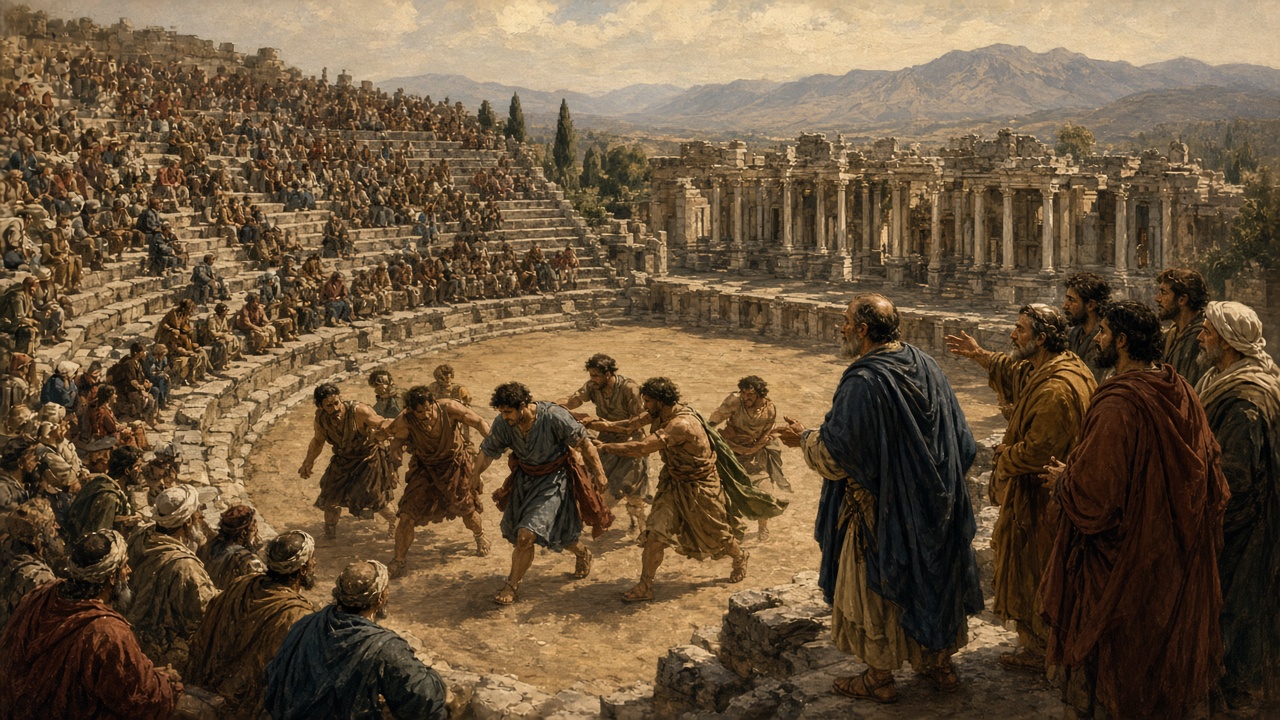
- The crowd rushed into the theatre of Ephesus, which Easton's Bible Dictionary (1897) describes as the largest in the world, open to the sky and able to hold 50,000 spectators. Friends of Paul among the chiefs of Asia, wealthy citizens elected each year to preside over the games and religious festivals of their cities, begged him not to go in. The city clerk then reminded the assembly that Ephesus was guardian of the temple of the great Artemis and of her image, said to have fallen from heaven.Sources: Ephesus · Asia · the Bible text itself
Notes written with AI assistance from open sources (Theographic Bible Metadata, CC BY-SA 4.0; Easton’s Bible Dictionary, public domain) and reviewed before publishing.
Places in this chapter
- Corinth · 37.906, 22.879 · verse 1
- Ephesus · 37.939, 27.341 · verses 1, 17, 23, 26, 35
- Asia · 38.400, 28.300 · verses 10, 22, 26, 27, 31
- Achaia · 38.720, 22.540 · verse 21
- Jerusalem · 31.777, 35.234 · verse 21
- Macedonia · 41.600, 22.540 · verses 21, 22, 29
- Rome · 41.892, 12.485 · verses 21, 40
Only places identified with high confidence are shown (90% or more according to the scholarly sources compiled by OpenBible). Period map: DARE (Digital Atlas of the Roman Empire), CC BY 4.0; modern map: © OpenStreetMap contributors; places: OpenBible.info (CC BY 4.0).
Credits and license for this translation
Majepacʉ jʉ̃menijicʉi yávaiye mamaene coyʉitucubo
New Testament in Cubeo (CO:cub:Cubeo)
copyright © 2009 Wycliffe Bible Translators, Inc.
Language: Cubeo
Translation by: Wycliffe Bible Translators, Inc.
Cubeo [cub], Colombia
Copyright Information
© 2009, Wycliffe Bible Translators, Inc. All rights reserved.
This translation text is made available to you under the
terms of the Creative Commons License: Attribution-Noncommercial-No Derivative Works.
( http://creativecommons.org/licenses/by-nc-nd/3.0/ )
In addition, you have permission to port the text to different file formats, as long as you
do not change any of the text or punctuation of the Bible.
You may share, copy, distribute, transmit, and extract portions
or quotations from this work, provided that you include the above copyright
information:
You must give Attribution to the work.
You do not sell this work for a profit.
You do not make any derivative works that change any of the actual words or punctuation of the Scriptures.
Permissions beyond the scope of this license may be
available if you contact
us with your request.
The New Testament
in Cubeo
© 2009, Wycliffe Bible Translators, Inc. All rights reserved.
This translation is made available to you under the terms of the
Creative Commons Attribution-Noncommercial-No Derivatives license 4.0.
You may share and redistribute this Bible translation or extracts from it in any format, provided that:
You include the above copyright and source information.
You do not sell this work for a profit.
You do not change any of the words or punctuation of the Scriptures.
Pictures included with Scriptures and other documents on this site are licensed just for use with those Scriptures and documents.
For other uses, please contact the respective copyright owners.
2014-04-22
Source: http://ebible.org/cubNT/ · eBible.org