Genesis 4
Las Escrituras en Ashéninka Ucayali del Sur del Perú · Tap a verse to see its cross-references.
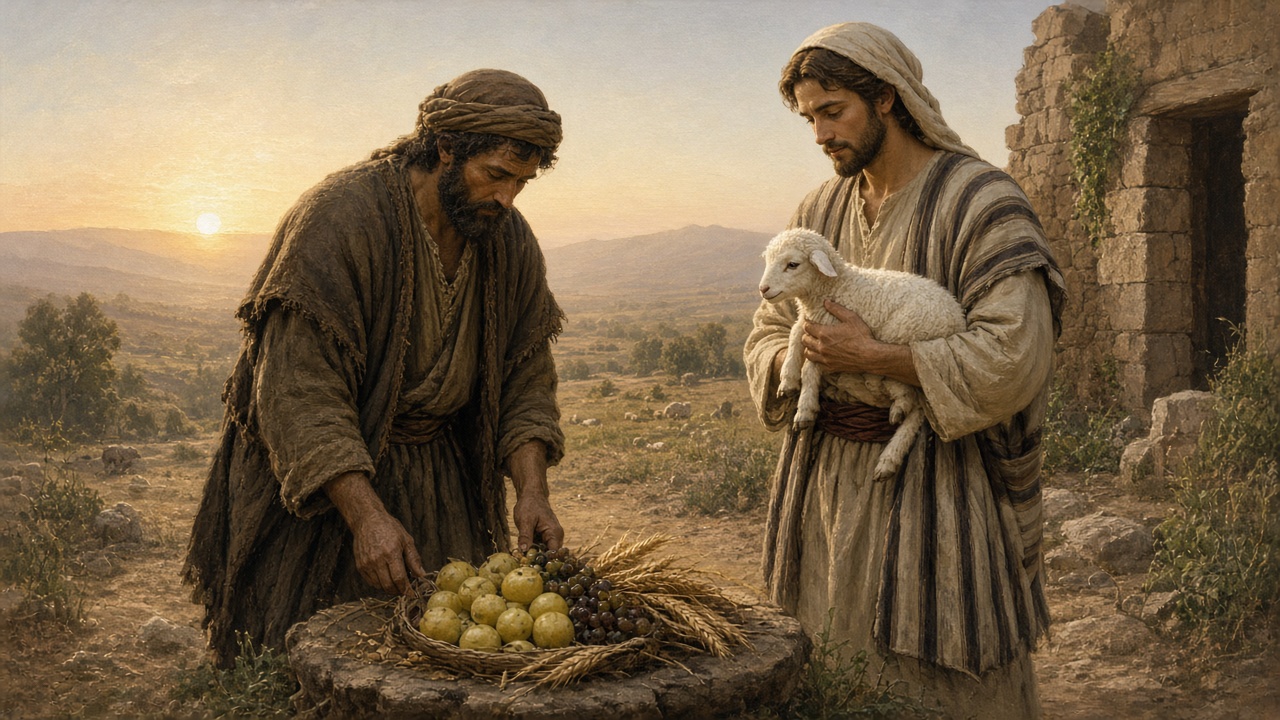
1Ikanta Adán, itsipatakawo iina Eva. Ari omotzitaki, roojatzi itzimantakari otomi oetakiri Caín, tema okantaki roori: “Notzimakiri notyomi shirampari. Riitaki Tajorentsi pakinariri.” 2Roojatzi itzimantakari itsipa otomi iita Abel, rirentzitanakari Caín. Pirawaerintzi rini Abel, riima Caín pankiwaerentsi rini. 3Okanta paata ojamanitaki, irika Caín, raanakiniri Tajorentsi iwankiri ipiri. 4Ari ikantzitakari Abel rirori, raanakiniri Tajorentsi kameethaperotatsiri ipira. Raakameethatanakiri Tajorentsi irika Abel ari ikimitzitakari rowishatepaeni. 5Teemaeta raakameethatziri Caín eejatzi okaatzi ramawitakanariri. Rootaki otyaantanakariri Caín imashirenka. 6Ikantakiri Tajorentsi: “¿Iitaka otyaantzimiri pimashirenka? 7Pantakityeeromi kameethatatsiri, eero pikantayitashitami. Rooma tee pimatziro, aritakira pikaariperoshiretaki. Roo kantzimaetacha aritakimi potsinampaakiromi eeroka.”
8Ikanta Caín raanakiri rirentzi Abel ikinawaetakayiri. Ikanta ikinawaeteeyinira, ari rompojaakiri Abel. 9Ari rojampitakiri Tajorentsi irika Caín, ikantziri: “¿Jempe ikinakika pirentzi Abel?” ikantanaki Caín: “Tee niyotzi. ¿Naakama kempoyeeriri?” 10Rapiitziri ikantziri: “¿Iitaka pantantakawori iroka? Kimitaka okaemakaematatyeenami riraa pirentzi pompojakirira. 11Kijaneentaarewo pikanteeya, eero pinampitaawo kepatsiki tema otsiryaantanamiki riraa pirentzi pompojakirira. 12Pankiwaerintzi pinawita, eeromaeta piñaayiteero okithokitzimoteemi. Pithonkero pikinakinawaeyite jemperikapaeni, eero piñaahaero pijeekashiwaeteeya.” 13Rakanakiri Caín irika Tajorentsi ikantziri: “Eero nomatziro nokijashityaawo okaatzi powajankitakina, antawoete ini. 14Poemishitowakina kepatsikika, otzimatye niyaate nokinakinawaetee jemperika, inteena nokinapithateemi, eero noñiiro nojeekashiwaeteeya. Ikaatzi ñaayitenani ari rompojeena.” 15Rakanaki Tajorentsi ikantziri: “Tzimatsirika ompojeemini eeroka, osheki rowajankiiteri rirori.” Ikimitakaantakari Tajorentsi ikentakotatyeerimi iwathaki Caín riyoetantyaariri, opoñaantyaari eero rompojanteetari.
16Shitowanaki Caín ikenkithawaetakaakiri Tajorentsi, jataki inampiteeyaawo Nod-ki, jeekatsiri ishitowapiintzira ooryaa janta Edén-ki. 17Ikanta Caín aaki rirori iina, rowakakiro, tzimaki itomi iitakiri Enoc. Rowetsikaki Caín inampi, iitakiro Enoc, aakotakiri iwaero itomi. 18Riitaki Enoc ashitanakariri Irad. Ikanta Irad riitaki ashitanakariri Mejujael. Ikanta Mejujael riitaki ashitanakariri Metusael. Ikanta Metusael riitaki ashitanakariri Lamec. 19Ikanta Lamec tzimaki rirori apite iina: etanakawori oeta Ada, otsipa oeta Zila. 20Itzimanaki otomipaeni Ada iitakiri Jabal, riitaki isheninkapaeni ikaatzi pankoshetawaetachari, pirawaenitachari. 21Eenitatsi Jabal itsipa rirentzi iitachari Jubal, rijatzi isheninkapaeni ikaatzi piyompiwaetatsiri, eejatzi showiwaetatsiri. 22Tzimaanitaki roori Zila, oetakiri Tubal-Caén, riitaki wetsikayitziriri poreryaayitatsiri eejatzi kijoyitatsiri. Irika Tubal-Caén eenitatsi rirori ritsiro oeta Naama. 23Ikanta Lamec, ikantakiro iina Ada eejatzi Zila:
“Pikemijantena okaate nokantemiri:
Nompojakiri atziri tema retashitakityaana ikichankakina nowathaki.
Nowamaaki ewankari tema retashitakinaha rompojakina.
24Osheki ikijawenteeteri Caín,
rooma naaka nomaperotante nokijakowentante.”
25Ikanta rapiiteero Adán itzimakahaero iina, tzimae itsipa otomi oetakiri Set. Ari okantzi: “Ipaana Tajorentsi itsipa notyomi riitaki poyaataariri Abel-ni, rompojakiri paerani Caín.” 26Ikanta Set tzimaki itomi rirori iitakiri Enós. Riitaki etanakawo rapatziyaanakari Tajorentsi raakotapiinteero iwaero.
Did you know?
Cain, Abel, and Life East of Eden
- Abel’s Hebrew name means “breath” or “vanity.” He kept sheep, while his brother Cain tilled the soil: Abel brought the best portions of the firstborn of his flock, and Cain brought fruit of the ground. Easton's Bible Dictionary (1897) reads the phrase “in process of time” (margin, “at the end of days”) as probably referring to the Sabbath.Sources: Abel · Cain · the Bible text itself
- After Abel’s death, Cain settled in the land of Nod, east of Eden, a name meaning exile, wandering, or unrest. There he built a city and named it after his son Enoch. Easton's Bible Dictionary notes that this is the first city mentioned in Scripture.Sources: Nod · Enoch (son of Cain) · the Bible text itself
- Lamech, fifth in descent from Cain, married two women, Adah and Zillah. Easton's Bible Dictionary calls his address to them the only extant example of antediluvian poetry, sometimes known as “Lamech’s sword-song.” Their children are tied to early ways of life: Jabal with tents and livestock, Jubal with the harp and flute, and Tubal-cain with forging bronze and iron.Sources: Lamech (descendant of Cain) · Adah (wife of Lamech) · Zillah · the Bible text itself
Notes written with AI assistance from open sources (Theographic Bible Metadata, CC BY-SA 4.0; Easton’s Bible Dictionary, public domain) and reviewed before publishing.
Credits and license for this translation
Las Escrituras en Ashéninka Ucayali del Sur del Perú
The Holy Bible in the South Ucayali Ashéninka language of Peru
Las Escrituras en Ashéninka Ucayali del Sur del Perú
copyright © 2008 Wycliffe Bible Translators, Inc.
Language: Ashéninka Ucayali del Sur (Ashéninka, South Ucayali)
Translation by: Wycliffe Bible Translators
This translation is made available to you under the terms of the
Creative Commons Attribution-Noncommercial-No Derivatives license 4.0.
You may share and redistribute this Bible translation or extracts from it in any format, provided that:
You include the above copyright and source information.
You do not sell this work for a profit.
You do not change any of the words or punctuation of the Scriptures.
Pictures included with Scriptures and other documents on this site are licensed just for use with those Scriptures and documents.
For other uses, please contact the respective copyright owners.
2016-06-08
Source: http://ebible.org/cpy/ · eBible.org