Genesis 21
Las Escrituras en Ashéninka Ucayali del Sur del Perú · Tap a verse to see its cross-references.
1Ikanta Tajorentsi, ikenkithashireteero Sara, monkaataka inintakaakirori. 2Roojatzi omotzitantakariri eentsite, otzimakiniri apaani itomi Abraham, okantawitaka rantarikitaki Abraham, tema imonkatakiniri Tajorentsi okaatzi ikantakiriri. 3Imatakiro Abraham, iitakiri Isaac otomi Sara. 4Ikanta imaakotapaaki 8 kitejeri raanakiri iitothowaanikiteri, tema rootaki ikantakiriri Tajorentsi. 5Tzimaki Abraham okaatzi 100 rojarentsite itzimantakari Isaac.
6Ari okenkithashiretanaka Sara, okantzi: “Ikaatzi kemakoteenani tzimaki neentsite, aritaki ishirontawentakina, tema ari nokantaka naaka ishirontakaakina Tajorentsi. 7¿Iitama yotatsiri arira itzimae neentsite nothotahaeri? Matzimaetaaka tzimaana okantawitaka rantarikiwitaka Abraham.”
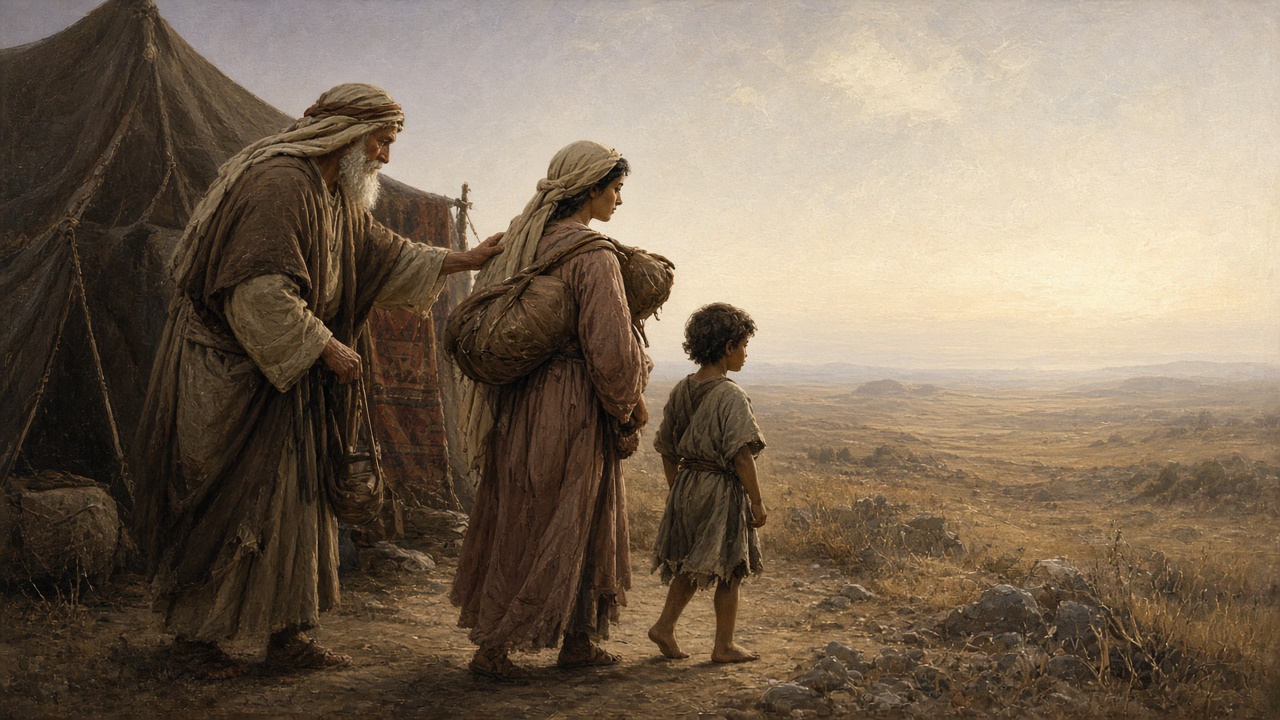
8Ikanta ikimotatanaki Isaac rookanakiro iteni, antawoete ikimoshireteeyaanaakini Abraham. 9Roo kantacha Sara, oñaakiri otomi Agar Egipto-jato itzimakaakirori Abraham, osheki itheenkimawaetziri Isaac. 10Iyaatashitakiri Abraham, okantapaakiri: “Potyaanteero ponampiri otsipataneeyaari otomi. Tee okameethatzimotana itsipatyaari notomipaeni naaka otomipaeni onampitaarewo. Tee nokoyi rantetyaari pashitakaeyaariri.” 11Osheki okatsitzimotanakiri Abraham, tema rijatzi itomi. 12Riitaki kantacha Tajorentsi ikanteeri Abraham: “Eero ipakootzimowaetzimi pitomipaeni eejatzi riniro. Pimatero okantakimiri Sara. Tema irika Isaac, riitaki shekitaatsini picharinityaari riroperotatsini. 13Ari nokanteeri eejatzi otomi pomperatane, ari noshekyahaeri eejatzi itomipaeni rirori, tema riitaki pitomi.” 14Okanta okitejetamanee, ipakiro Abraham iroka Agar pan, ipakiro eejatzi mashitsinaki, ari ipiyaantakiniro nija. Ikyaakaakiro irokapaeni, itsipataakiro Ismael otomi, rotyaantakiro iyaate. Jatanaki ochempimashiki iiteetziro Beerseba, okinakinawaetzi, tee iyotzimaetya jempe areetya.
15Okanta othaateero onijaate mashitsinakiki, ookanakiri otomi inchatapishiki. 16Iyaatapithatanakiri inteneeni, tema tee okoyi oñeeri ikamimotero. Okanta jeekapaaki inteneeni, iraanaka otomi. 17Ikemakiri Tajorentsi riraawaeta eentsi, ikaantanaki ronampiri tajorentsite jenokinta, ikantziro Agar: “¿Iitaka awijimotzimiri Agar? Eero pithaawashiwaeta, ikemakiri Tajorentsi rirahaa peentsite pomaryaakirira. 18Piyaate, pitzinahaeri, eero powashironkayiri. Tema ari noshekyahaeri ichariniite.” 19Ikantakaakawo Tajorentsi, oñaaki Agar oshitowaatzi nija. Jatanaki, opiyaantaki mashitsinakiki, oetakiri otomi Ismael. 20Riitaki Tajorentsi tajonkawentakiri eentsi, roojatzi rantaritantakari. Ari inampitakawori ochempimashiki. Kominthaantzi rini. 21Inampitakawo ochempimashiki iiteetziro Parán. Okanta riniro, opakiri iinantyaawo Egipto-jato.
22Aripaete riyaataki Abimelec ikenkithawaetakayiri Abraham. Itsipatanakari Ficol, reewari rowayirite. Ikantapaakiri: “Niyotzi osheki itajonkawentakimiro Tajorentsi okaatzi pantayitziri. 23Nokoyi paakotenawo iwaero Tajorentsi, niyotantyaari eero powaariperotantana naaka, notyomipaeni, eejatzi ikaate nochariniyityaari. Nokoyi pikantaperotena, niyotantyaari aririka paakameethatakina naakaete nokimitzimi eeroka naakameethatapiintakimi, ari poshiyakayiriri eejatzi atziripaeni ikaatzi nampitawori jaka pinampitakawowa eeroka.” 24Ikantanaki Abraham: “Aritaki nomatakimiro pikowakiri, omaperotatya.” 25Ikantanakiri eejatzi: “¿Piñaakiri ponampiripaeni rashitakawo nonijaate nokaapiintziri?” 26Ikantanaki Abimelec: “Tee niyote jempe itzimi aapithatakimirori, owakiraha nokemakimi nimaeka.” 27Raaki Abraham rovejate, ivacatepaeni ipashitakari Abimelec. Arira raapatziyawakahaari. 28Riitaki kantacha Abraham, rinashitaka itsipa 7 rovejate. 29Rojampitakiri Abimelec, ikantziri: “¿Iitaka pinashitantariri povejatepaeni?” 30Ikantanaki Abraham: “Irika 7 oveja nopakimiri, roori riyotanteetyaari naakataki kiyakotzirori ikaapiinteetzira nija.” 31Roo iitanteetakawori Beerseba, tema ari ikenkithawaetawakaaka janta apiteroeni eenitatsi raapatziyawakaeyaari. 32Ikanta ithonkakiro ikenkithawaeteeyini Beerseba-ki, piyanaa Abimelec itsipatanaari Ficol inampiiteki Filistia-jatzi.
33Ikanta Abraham ipankitaki inchato janta Beerseba-ki, ikowakotakiri Tajorentsi raakotero iwaero, ikanteetziri “Añaaniri Tajorentsi”. 34Osheki ojamanitaki ijeekawaetaki Abraham iipatsiteki Filistia-jatzi.
Did you know?
Isaac’s birth, Hagar’s departure, and Beersheba
- Abraham was a hundred years old when Sarah bore him Isaac, their only son together, and he circumcised the child at eight days old, as God had commanded. Sarah said that God had made her laugh, and that everyone who heard of this would laugh with her. Easton's Bible Dictionary (1897) notes that a great feast was held when Isaac was weaned, probably when he was about two years old.Sources: the Bible text itself · Isaac
- Hagar, whose name is explained as “flight” or, according to others, “stranger,” was an Egyptian and Sarah’s handmaid, whom Sarah gave to Abraham as a secondary wife. After Isaac’s birth, Abraham sent Hagar and their son Ishmael into the Wilderness of Beersheba with bread and a skin of water. Ishmael later settled in the Wilderness of Paran, a desert tract in the northeastern Sinai Peninsula between the Arabah on the east and the wilderness of Shur on the west, became a great archer, and his mother got him a wife from Egypt.Sources: the Bible text itself · Hagar · Paran
- Beersheba, “well of the oath” or “well of seven,” was named when Abraham and Abimelech swore an oath there over a well that Abraham said he had dug; he set apart seven ewe lambs as a witness, and the two made a covenant. Phicol, chief captain of the army of Abimelech, the Philistine king of Gerar, entered that alliance with Abraham. Abraham then planted a tamarisk at Beersheba and lived for a long time in the land of the Philistines.Sources: the Bible text itself · Beersheba · Phichol
Notes written with AI assistance from open sources (Theographic Bible Metadata, CC BY-SA 4.0; Easton’s Bible Dictionary, public domain) and reviewed before publishing.
Places in this chapter
Only places identified with high confidence are shown (90% or more according to the scholarly sources compiled by OpenBible). Period map: DARE (Digital Atlas of the Roman Empire), CC BY 4.0; modern map: © OpenStreetMap contributors; places: OpenBible.info (CC BY 4.0).
Credits and license for this translation
Las Escrituras en Ashéninka Ucayali del Sur del Perú
The Holy Bible in the South Ucayali Ashéninka language of Peru
Las Escrituras en Ashéninka Ucayali del Sur del Perú
copyright © 2008 Wycliffe Bible Translators, Inc.
Language: Ashéninka Ucayali del Sur (Ashéninka, South Ucayali)
Translation by: Wycliffe Bible Translators
This translation is made available to you under the terms of the
Creative Commons Attribution-Noncommercial-No Derivatives license 4.0.
You may share and redistribute this Bible translation or extracts from it in any format, provided that:
You include the above copyright and source information.
You do not sell this work for a profit.
You do not change any of the words or punctuation of the Scriptures.
Pictures included with Scriptures and other documents on this site are licensed just for use with those Scriptures and documents.
For other uses, please contact the respective copyright owners.
2016-06-08
Source: http://ebible.org/cpy/ · eBible.org