Genesis 20
Las Escrituras en Ashéninka Ucayali del Sur del Perú · Tap a verse to see its cross-references.
1Ikanta Abraham jatee kirinkanta Nehuev-ki, inampitapaawo Gerar-ki, jeekatsiri niyankithakineki awotsi nampitsiki Cades roojatzi Shur. 2Ikantantayitzi janta: “Kaari noena iroka Sara, choeni ini.” Ikanta ikemaki Abimelec, pinkatharitatsiri nampitsiki Gerar, rotyaantaki aakiteroni Sara, iinantyaawo. 3Okanta otsirenitanaki imishiwaetaki Abimelec, ikantziri Tajorentsi: “Ari pikamaki, tema payitantakiro tsinani tzimatsiri oemi.” 4Tekiramacheeni iñeeroota Abimelec iroka tsinani, ikantanaki rirori: “¡Pinkatharí! ¿Kameethatatsima powamayeri kaari tzimatsini ikinakaashitane? 5Riimacheetaka Abraham kantakinari: ‘Iroka tsinani choeni ini’. Omatzitakawo eejatzi roori okantzi: ‘Ariini rini irika Abraham.’ Teera nokowawita nowaariperotante. Tekatsi nantakayirori kaariperotatsiri.” 6Rakanakiri Tajorentsi imishiriki, ikantziri: “Niyotaki naaka tee pikowawita powaariperotante. Rootaki kaari noshinetantzimi pantero, rootaki opoñaantari kaari pikaariperotzimotantana. 7Pipaeri iina irika atziri. Tema kamantantaneri rini, ari ramanakotakimi eero pikamanta. Eerorika poepiyeeniri iina, ari pithonkatakya pikame maawoeni eejatzi pitomipaeni.”
8Ikanta ipiriintamanaa Abimelec, ikaemakiri romperatanepaeni, ikamantakiri okaatzi imishitakiri. Antawoete ithaawaeyanakini. 9Ikanta Abimelec ikaemakiri Abraham, ikantakiri: “Paminero jempe pikantakina. ¿Jempema nokantakimika naaka powaariperotantenari? Kaari ranteetziro iroka. 10¿Iitaka pikenkithashiretari pantantawori iroka?” Ari ikantaki Abimelec iñaanatakiri Abraham. 11Rakanaki Abraham, ikantanaki: “Noshiyakaatzi ari rompojawenteetakinawo noena, noshiyakamintheetzi jaka nampitsiki tekatsi pinkathaterini Tajorentsi. 12Omaperowita nitsirotawo Sara tema rishinto inatziiri ashitanari, kaaritzimaeta ashityaawoni nonaanate. Roowa naantakawori. 13Paerani ikantakina Tajorentsi noshitoye iipatsiteki ashitanari, nokantakiro Sara okantantayite jemperika nareetya: ‘Aariini rini’.” 14Ikanta Abimelec roepiyeeniri Abraham iina. Ipashitawaari tzimahaantatsiri romperatane, ipawaeri tsinani eejatzi shirampari, ari ipawaeri eejatzi tzimakaarantatsiri ivacate eejatzi rovejate. 15Ikantawaeri: “Iroka noepatsite, paminee jemperika pinintziro pinampityaawo.” 16Ari ikantawaero Sara roori: “Oshekira koriki nopakiriri piyaariri, ikaatzi 1000. Roo inimotanteemiri eero pikaaniwaetanta. Riyoteero maawoeni pikaateeyakinira rowetsikaero okaatzi awijeentsiri.”
17Ikanta Abraham ramananakari Tajorentsi, omapokashitanaa retsiyatakotanee Abimelec, eejatzi itsipatari. Etsiyatakotanee eejatzi ronampiripaeni otzimaanitanteeyaari. 18Tema okantakaantakiro Sara, imaanirotakaakiro Tajorentsi tsinanipaeni romperatane Abimelec okaatzi jeekapankotziriri.
Did you know?
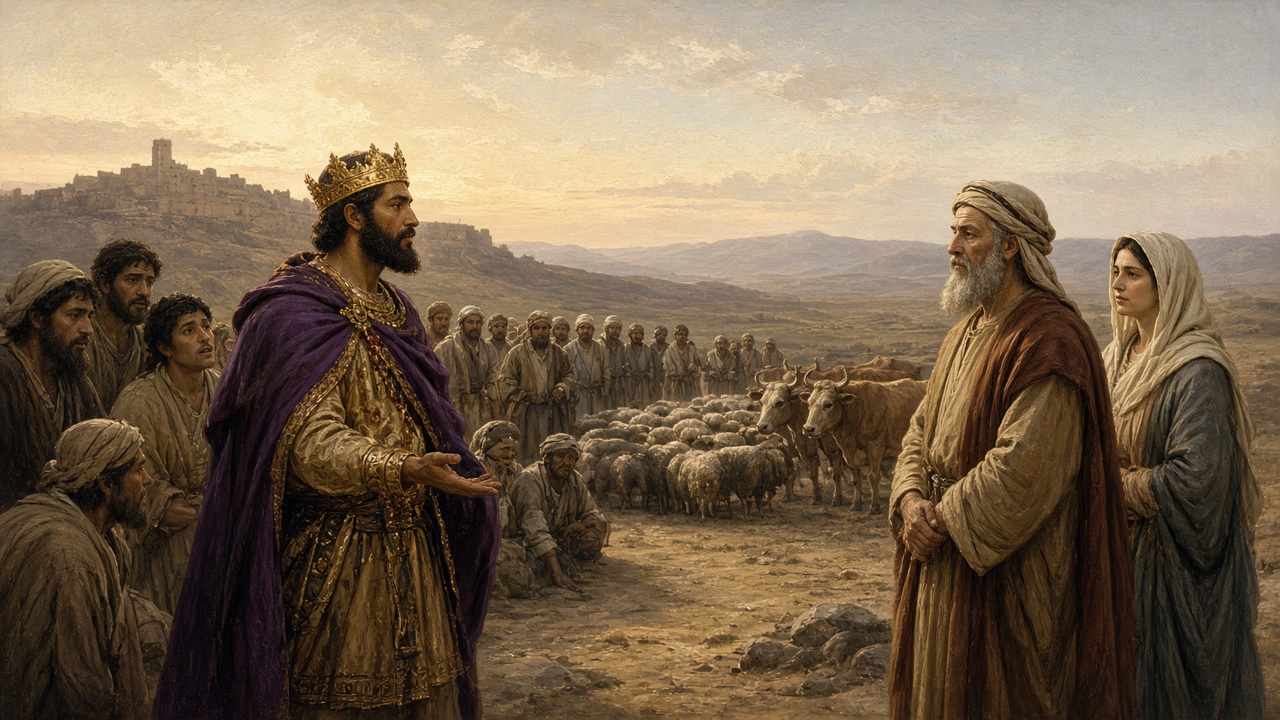
Sister and Wife in Gerar
- Abraham was staying in Gerar, a very ancient town and district on the southern border of Palestine, then ruled by a king named Abimelech. He had journeyed to the Negev, the arid district south of Palestine on the caravan route toward Egypt, and settled between Kadesh and Shur. Shur, a name meaning “wall,” was a desert region on Egypt’s northeastern edge, probably named for the frontier wall the Egyptians built there.Sources: the Bible text itself · Gerar · Negeb · Shur
- When Abraham said that Sarah was his sister, the kinship was not wholly invented: she was also his half-sister, the daughter of his father but not of his mother. Easton's Bible Dictionary (1897) gives the name Sarah as meaning “princess,” and says that name was given when it was announced that she would be the mother of the promised child.Sources: the Bible text itself · Sarah
- The name Abimelech appears again at Gerar in Isaac’s story. Easton's Bible Dictionary (1897) describes that later king as probably the son of the Abimelech Abraham met, and says he rebuked Isaac for a similar deception about his wife Rebekah, which the king discovered by accident. The same work says Gerar seems to have been a rich pastoral country.Sources: Abimelech (King of Gerar) · Gerar
Notes written with AI assistance from open sources (Theographic Bible Metadata, CC BY-SA 4.0; Easton’s Bible Dictionary, public domain) and reviewed before publishing.
Places in this chapter
- Negeb · 31.245, 34.841 · verse 1
Only places identified with high confidence are shown (90% or more according to the scholarly sources compiled by OpenBible). Period map: DARE (Digital Atlas of the Roman Empire), CC BY 4.0; modern map: © OpenStreetMap contributors; places: OpenBible.info (CC BY 4.0).
Credits and license for this translation
Las Escrituras en Ashéninka Ucayali del Sur del Perú
The Holy Bible in the South Ucayali Ashéninka language of Peru
Las Escrituras en Ashéninka Ucayali del Sur del Perú
copyright © 2008 Wycliffe Bible Translators, Inc.
Language: Ashéninka Ucayali del Sur (Ashéninka, South Ucayali)
Translation by: Wycliffe Bible Translators
This translation is made available to you under the terms of the
Creative Commons Attribution-Noncommercial-No Derivatives license 4.0.
You may share and redistribute this Bible translation or extracts from it in any format, provided that:
You include the above copyright and source information.
You do not sell this work for a profit.
You do not change any of the words or punctuation of the Scriptures.
Pictures included with Scriptures and other documents on this site are licensed just for use with those Scriptures and documents.
For other uses, please contact the respective copyright owners.
2016-06-08
Source: http://ebible.org/cpy/ · eBible.org