2 Samuel 12
Las Escrituras en Ashéninka Ucayali del Sur del Perú · Tap a verse to see its cross-references.
Ikijatha-takiri Natán irika David
1Rotyaan-teeri Tajorentsi kamantan-taniri Natán iñeeri David. Ikanta rareetaka Natán ijeekira pinkathari, ikenkithawae-takaakiri, ikantziri: “Eenitatsi apite atziri jeekatsiri nampitsiki. Ashaahan-tzikari rini, itsipa tekatsi tzimimo-terini. 2Itzimimo-tziri osheki rowishate, ivacate irika ashaahan-tzinkari, 3riima ashironkaenkari apatziro ramaanta-matsitaka iryaani owisha, ipiratakari. Itsipa-minthari royiri itomipaeni, rakiyotziri rowanawo, rirakotziri imiri, ari itsipatari imaapiintzi. Roshiya-kaantari roomi rishinto. 4Ikanta ipokaki areetariri atziri ashaahan-tzinkari. Tee ikowe rowamaye rowishate, ivacate rowapaa-kyaari pokatsiri rareetakari. Riitaki rayitaki rowishate ashironkaenkari, rowamaakiri rowakae-yaari areetariri.” 5Antawo rowatsimaa-nakiri David kantawae-tachari atziri, ikanta-nakiri Natán: “¡Riitaki Tajorentsi kemenani tee notheeya, otzimatye rompojeeteri antakirori iroka! 6Otzimatye roepiye 4 owisha, ipinatan-teeyaariri ashitariri rowashironkaakiri.” 7Ikantzi Natán: “¡David! Eerokataki irika atziri. Riitaki Pawa Itajorentsite Israel, kanteentsi: ‘Naakataki owakimi pipinkathari-wenteri Israel-paeni, tee noshinetemi rompojemi Saúl. 8Nopakimiro pikempoyaero pinkathari-panko, eejatzi iinapaeni pitsipatari pinkathari-pankoki. Noshine-takimi pipinkathari-wenteeri Israel-paeni eejatzi Judá-paeni. Teera ari okaate iroka, ari nopakimi otsipa awijirori iroka. 9¿Iitaka pipiyatha-tanta-kariri Tajorentsi, pikaaripero-tzimo-tanta-kariri? Powakaantakari Urías, isheninka Het-paeni, pamamena-takawo powayiritari Amón-jatzi, payiteeri iina. 10Ari ashi owatyeero nimaeka rompojan-teete pipankoki, okantakaan-tziro pipiyatha-takina, payiteeri iina Urías, isheninka Het-paeni, piinantaawo.” 11Ikantaki eejatzi Tajorentsi: “Naakataki kanta-kahae-yaawoni itzime pitomipaeni maemane-temini. Nokanta-kaeyaari pisheninkaete raapitha-teemiro piinaete, piñaamin-theteri rapitewae-tyaawo kitejeriki. 12Pantawi-takawo eeroka pomanani-kiini irokapaeni, rooma naaka eero nomanakaawo othonka iñaayitiro Israel-paeni, kitejeriki ranteetero.” 13Ikanta-nakiri David irika Natán: “¡Nokaaripero-tzimo-takiri Tajorentsi!” Rakanakiri Natán irika David: “Eero rowashironkaa-wentzimiro Tajorentsi piyaariperonaka, eero pikami. 14Riitaki kamatsini peenchaanite owakira tzimaen-tsiri. Tema pikijima-takaan-takiri Tajorentsi pantakiro iroka.” 15Ikanta ipiyaawo Natán ipankoki, ikantakaanakawo Tajorentsi omapokanaka imapero-tanaka imantsiya-tanaki reenchaanikite David rowaeyan-takaa-kirori iinani Urías. 16Osheki David ikowako-takiri Tajorentsi eero ikamanta reenchaanite, tee rowaeya. Tee imahae imaantariki, romaryahawaetaka kepatsiki. 17Ipokashi-witari antariite jeeka-panko-tziri ikoyi rowiriin-teeri romaryahakaha kepatsiki, tee ikowe ipiriinte. Tee rakiyoteeri rowaeyanira antariite. 18Okanta awijaki 7 kitejeri kamaki eenchaanikiri. Tee ikamanteri rompera-tanewopaeni David ithaawa-kaatyaari, ikamanta-wakaeyani: “Eeniro rañaawitaha eenchaanikiri, tee ikemijantee akanta-witariri. Rootaki owakirari nimaeka ikamaki, aritaki imapero-tanakya akamanta-kiriri kamaki reenchaanite.” 19Ikanta David iñaakiri ikamanta-wakaeyani rompera-tanewo, riyotanaki kamaki reenchaanite. Rojampi-tanakiri, ikantziri: “¿Kamakima eenchaanikiri?” Ikanteeyini rompera-tanewo: “Jeen, kamaki.” 20Ari ipiriintana David roma-ryahakaha kepatsiki, ikithaa-tanaawo ikithaari, owaneenka-tanaa, itziritanaa kajankari, ikithaa-tanaawowa otsipa ikithaari. Jataki itajorentsi-pankoteki Tajorentsi ipinkatha-teeri. Piyapaa ipankoki, ikowapaaki owanawontsi, iitakiri, owapaa. 21Ikanta rompera-tanewopaeni David, rojampi-takiri ikantziri: “¿Iitaka pantakiri? Eeniro rañaawita eenchaanikiri, iitaka kaari pikowanta poyaa, piraawaetaka. Ari kamaki eenchaanikiri, ari pipiriin-tanaawo powanta-naari.” 22Ikantanaki David: “Eeniro rañaawita eenchaanikiri, tee nowaa, niraawaetaka, nokantashiretzi: Oshiyaka ari ineshironka-teena Tajorentsi, eero ikamanta eenchaanikiri. 23Ari ikamaki nimaeka, ¿iitaka nomasheka-wenteri? ¿Irima nowiriin-teeri? ¡Noyaawentya niyaate noñaapaeri, tema eero imateero rirori ipiyee iñaapaena!”
24Ikanta David roemo-shirenkaero iina Betsabé. Riyaataki iñiiro, rapitetaawo. Ari okanta owaeyan-tanta-kariri otomi, iitakiri Salomón. Osheki ineshironka-takiri Tajorentsi irika eenchaanikiri. 25Riitaki Natán kamanta-kiriri David. Rootaki iitanta-kariri Jedidías irika eenchaanikiri.
Did you know?
Nathan's Rebuke and the Fall of Rabbah
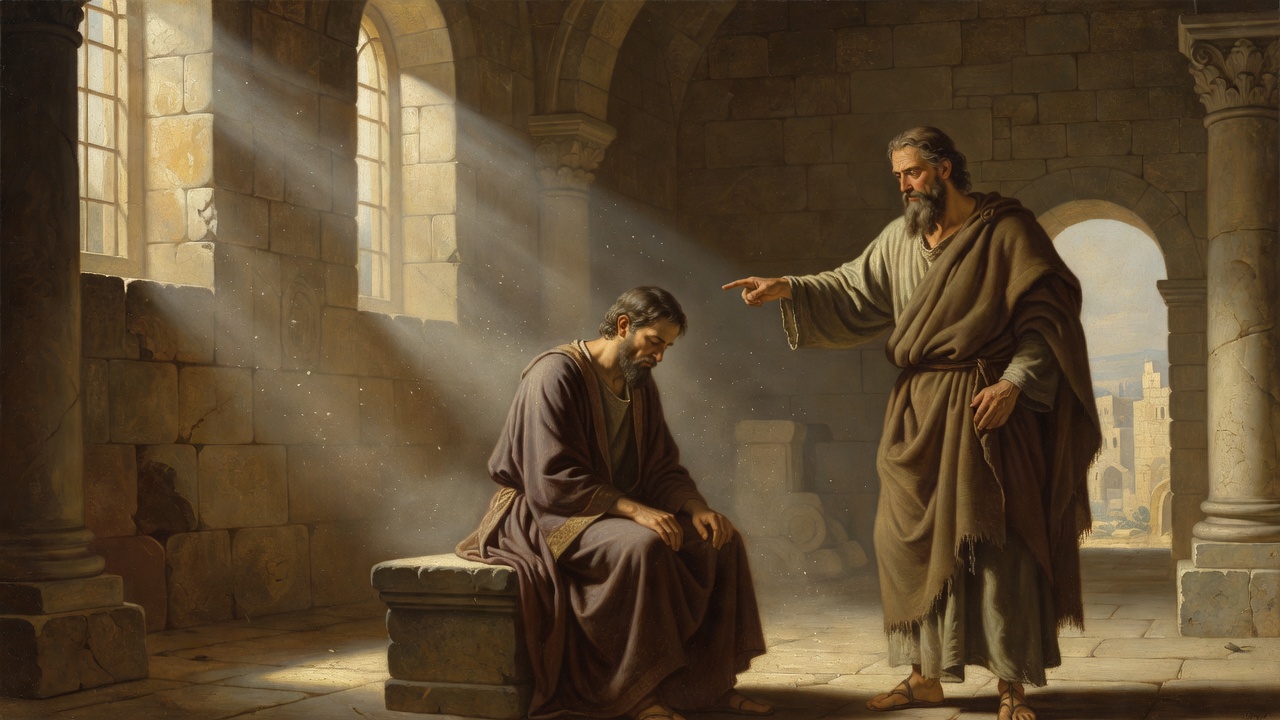
- Nathan confronted King David over his adultery with Bathsheba and the death of Uriah by telling a parable about a rich man who stole a poor man's only beloved lamb. When David indignantly declared that the rich man deserved to die, Nathan revealed, "You are that man!", prompting David's confession.Sources: the Bible text itself · Nathan · Uriah
- Following the death of their first child, David and Bathsheba had a son named Solomon, which means "peaceful." Nathan the prophet also gave the child the name Jedidiah, meaning "beloved of the LORD."Sources: the Bible text itself · Solomon · Nathan · Bathsheba
- While besieging the Ammonite capital of Rabbah, Joab captured the city's water supply and urged David to lead the final assault so the triumph would belong to the king rather than to Joab.Sources: the Bible text itself · Joab · Rabbah
Notes written with AI assistance from open sources (Theographic Bible Metadata, CC BY-SA 4.0; Easton’s Bible Dictionary, public domain) and reviewed before publishing.
Places in this chapter
- Ammon · 31.955, 35.934 · verses 9, 26, 31
- Rabbah · Today: Amman · 31.955, 35.934 · verses 26, 27, 29, 31
- Jerusalem · 31.777, 35.234 · verse 31
Only places identified with high confidence are shown (90% or more according to the scholarly sources compiled by OpenBible). Period map: DARE (Digital Atlas of the Roman Empire), CC BY 4.0; modern map: © OpenStreetMap contributors; places: OpenBible.info (CC BY 4.0).
Credits and license for this translation
Las Escrituras en Ashéninka Ucayali del Sur del Perú
The Holy Bible in the South Ucayali Ashéninka language of Peru
Las Escrituras en Ashéninka Ucayali del Sur del Perú
copyright © 2008 Wycliffe Bible Translators, Inc.
Language: Ashéninka Ucayali del Sur (Ashéninka, South Ucayali)
Translation by: Wycliffe Bible Translators
This translation is made available to you under the terms of the
Creative Commons Attribution-Noncommercial-No Derivatives license 4.0.
You may share and redistribute this Bible translation or extracts from it in any format, provided that:
You include the above copyright and source information.
You do not sell this work for a profit.
You do not change any of the words or punctuation of the Scriptures.
Pictures included with Scriptures and other documents on this site are licensed just for use with those Scriptures and documents.
For other uses, please contact the respective copyright owners.
2016-06-08
Source: http://ebible.org/cpy/ · eBible.org