Revelation 3
Sahidica - طبعة جديدة من العهد الجديد باللغة القبطية الصعيدية · Tap a verse to see its cross-references.
1ⲤϨⲀⲒ ⲘⲠⲀⲄⲄⲈⲖⲞⲤ ⲚⲦⲈⲔⲔⲖⲎⲤⲒⲀ ⲈⲦϨⲚ ⲤⲀⲢⲆⲒⲤ ϪⲈ ⲚⲀⲒ ⲚⲈⲦⲈϤϪⲰ ⲘⲘⲞⲞⲨ ⲚϬⲒ ⲠⲈⲦⲈ ⲞⲨⲚⲦⲀϤ ⲠⲤⲀϢϤ ⲘⲠⲚⲈⲨⲘⲀ ⲚⲦⲈ ⲠⲚⲞⲨⲦⲈ ⲀⲨⲰ ⲠⲤⲀϢϤ ⲚⲤⲒⲞⲨ. ϮⲤⲞⲞⲨⲚ ⲚⲚⲈⲔϨⲂⲎⲨⲈ ϪⲈ ⲞⲨⲚⲦⲀⲔ ⲞⲨⲢⲀⲚ ⲘⲘⲀⲨ ϪⲈ ⲔⲞⲚϨ ⲈⲔⲘⲞⲞⲨⲦ. 2ϢⲰⲠⲈ ⲈⲔⲢⲞⲈⲒⲤ ⲚⲄⲦⲀϪⲢⲈⲠⲔⲈⲤⲈⲠⲎ ⲚⲀⲒ ⲈⲚⲈⲨⲚⲀⲘⲞⲨ ⲠⲈ ⲘⲠⲈⲒϨⲈ ⲄⲀⲢ ⲈⲚⲈⲔϨⲂⲎⲨⲈ ⲈⲨϪⲎⲔ ⲈⲂⲞⲖ ⲘⲠⲘⲦⲞ ⲈⲂⲞⲖ ⲘⲠⲀⲚⲞⲨⲦⲈ. 3ⲀⲢⲒⲠⲘⲈⲈⲨⲈ ϬⲈ ϪⲈ ⲚⲦⲀⲔϪⲒ ⲀⲨⲰ ⲚⲦⲀⲔⲤⲰⲦⲘ ⲚⲀϢ ⲚϨⲈ ⲚⲄϨⲀⲢⲈϨ ⲚⲄⲘⲈⲦⲀⲚⲞⲒ ⲈϢⲰⲠⲈ ⲆⲈ ⲈⲔϢⲀⲚⲦⲘⲢⲞⲈⲒⲤ ϮⲚⲎⲨ ⲚⲐⲈ ⲚⲞⲨⲢⲈϤϪⲒⲞⲨⲈ ⲀⲨⲰ ⲚⲄⲚⲀϢⲈⲒⲘⲈ ⲀⲚ ϪⲈ ⲈⲒⲚⲎⲨ ⲚⲀϢ ⲚⲚⲀⲨ ⲈϨⲢⲀⲒ ⲈϪⲰⲔ. 4ⲀⲖⲖⲀ ⲞⲨⲚⲦⲔ ⲞⲨϬⲞⲠ ⲚⲢⲰⲘⲈ ϨⲚ ⲤⲀⲢⲆⲒⲤ ⲘⲠⲞⲨⲦⲰⲖⲘ ⲚⲚⲈⲨϨⲞⲒⲦⲈ ⲀⲨⲰ ⲤⲈⲚⲀⲘⲞⲞϢⲈ ⲚⲘⲘⲀⲒ ϨⲚ ϨⲈⲚϨⲂⲤⲰ ⲈⲨⲞⲨⲞⲂϢ ϪⲈ ⲤⲈⲘⲠϢⲀ. 5ⲠⲈⲦⲚⲀϪⲢⲞ ϤⲚⲀϮ ϨⲒⲰⲰϤ ⲚⲦⲈⲒϨⲈ ⲚϨⲈⲚϨⲂⲤⲰ ⲈⲨⲞⲨⲞⲂϢ ⲀⲨⲰ ⲚⲦⲚⲀϤⲈⲦⲠⲈϤⲢⲀⲚ ⲈⲂⲞⲖ ⲀⲚ ϨⲘ ⲠϪⲰⲰⲘⲈ ⲘⲠⲰⲚϨ ⲀⲨⲰ ϮⲚⲀϨⲞⲘⲞⲖⲞⲄⲈⲒ ⲘⲠⲈϤⲢⲀⲚ ⲘⲠⲘⲦⲞ ⲈⲂⲞⲖ ⲘⲠⲀⲒⲰⲦ ⲀⲨⲰ ⲘⲠⲘⲦⲞ ⲈⲂⲞⲖ ⲚⲚⲈϤⲀⲄⲄⲈⲖⲞⲤ. 6ⲠⲈⲦⲈ ⲞⲨⲚ ⲘⲀⲀϪⲈ ⲘⲘⲞϤ ⲘⲀⲢⲈϤⲤⲰⲦⲘ ϪⲈ ⲞⲨ ⲚⲈⲦⲈⲢⲈ ⲠⲈⲠⲚⲈⲨⲘⲀ ϪⲰ ⲘⲘⲞϤ ⲚⲚⲈⲔⲔⲖⲎⲤⲒⲀ. 7ⲤϨⲀⲒ ⲘⲠⲀⲄⲄⲈⲖⲞⲤ ⲚⲦⲈⲔⲔⲖⲎⲤⲒⲀ ⲈⲦϨⲚ ⲪⲒⲖⲀⲆⲈⲖⲪⲒⲀ ϪⲈ ⲚⲀⲒ ⲚⲈⲦⲈϤϪⲰ ⲘⲘⲞⲞⲨ ⲚϬⲒ ⲠⲠⲈⲦⲞⲨⲀⲀⲂ ⲠⲘⲈ ⲠⲈⲦⲈ ⲞⲨⲚⲦⲀϤ ⲠϢⲞϢⲦ ⲚⲆⲀⲨⲈⲒⲆ ⲈϤϢⲀⲚⲞⲨⲰⲚ ⲘⲚ ⲖⲀⲀⲨ ⲚⲀϢϢⲰⲦⲘ ⲈϤϢⲀⲚϢⲰⲦⲘ ⲘⲚ ⲖⲀⲀⲨ ⲚⲀϢⲞⲨⲰⲚ 8ϮⲤⲞⲞⲨⲚ ⲚⲚⲈⲔϨⲂⲎⲨⲈ ⲈⲒⲤ ϨⲎⲎⲦⲈ ⲈⲒⲤ ϨⲎⲎⲦⲈ ⲀⲒϮ ⲘⲠⲈⲔⲘⲦⲞ ⲈⲂⲞⲖ ⲚⲞⲨⲢⲞ ⲈϤⲞⲨⲰⲚ ⲈⲘⲚ ⲖⲀⲀⲨ ⲚⲀⲈϢϬⲘϬⲞⲘ ⲈϢⲰⲦⲘ ⲘⲘⲞϤ ϪⲈ ⲞⲨⲔⲞⲨⲒ ⲦⲈ ⲦⲈⲔϬⲞⲘ ⲀⲨⲰ ⲀⲔϨⲀⲢⲈϨ ⲈⲠⲀϢⲀϪⲈ ⲘⲠⲈⲔⲀⲢⲚⲀ ⲘⲠⲀⲢⲀⲚ. 9ⲈⲒⲤ ϨⲎⲎⲦⲈ ⲀⲒϮ ϨⲞⲒⲚⲈ ⲈⲂⲞⲖ ϨⲚ ⲦⲤⲨⲚⲀⲄⲰⲄⲎ ⲘⲠⲤⲀⲦⲀⲚⲀⲤ ⲚⲀⲒ ⲈⲦϪⲰ ⲘⲘⲞⲤ ϪⲈ ⲀⲚⲞⲚ ϨⲈⲚⲒⲞⲨⲆⲀⲒ ⲚϨⲞⲒⲚⲈ ⲀⲚ ⲚⲈ ⲀⲖⲖⲀ ⲈⲨϪⲒϬⲞⲖ. ⲈⲒⲤ ϨⲎⲎⲦⲈ ϮⲚⲀⲦⲢⲈⲨⲈⲒ ⲚⲤⲈⲞⲨⲰϢⲦ ⲘⲠⲘⲦⲞ ⲈⲂⲞⲖ ⲚⲚⲈⲔⲞⲨⲢⲎⲎⲦⲈ ⲀⲨⲰ ⲚⲄⲈⲒⲘⲈ ϪⲈ ⲀⲚⲞⲔ ⲀⲒⲘⲈⲢⲒⲦⲔ. 10ϪⲈ ⲀⲔϨⲀⲢⲈϨ ⲈⲠϢⲀϪⲈ ⲚⲦⲀϨⲨⲠⲞⲘⲞⲚⲎ ⲀⲨⲰ ⲀⲚⲞⲔ ϨⲰ ϮⲚⲀϨⲀⲢⲈϨ ⲈⲢⲞⲔ ⲈⲂⲞⲖ ϨⲚ ⲦⲈⲨⲚⲞⲨ ⲠⲠⲈⲒⲢⲀⲤⲘⲞⲤ ⲈⲦⲚⲎⲨ ⲈϨⲢⲀⲒ ⲈϪⲚ ⲦⲞⲒⲔⲞⲨⲘⲈⲚⲎ ⲦⲎⲢⲤ ⲈⲠⲈⲒⲢⲀⲌⲈ ⲚⲚⲈⲦⲞⲨⲎϨ ϨⲢⲀⲒ ϨⲒϪⲘ ⲠⲔⲀϨ. 11ϮⲚⲎⲨ ⲦⲀⲬⲎ ⲀⲘⲀϨⲦⲈ ⲘⲠⲈⲦⲚⲦⲞⲞⲦⲔ ϪⲈⲔⲀⲀⲤ ⲚⲚⲈ ⲖⲀⲀⲨ ϨⲈ ⲈⲂⲞⲖ. 12ⲠⲈⲦⲚⲀϪⲢⲞ ϮⲚⲀⲀϤ ⲚⲞⲨⲤⲦⲨⲖⲞⲤ ϨⲢⲀⲒ ϨⲘ ⲠⲈⲢⲠⲈ ⲘⲠⲀⲚⲞⲨⲦⲈ ⲚⲈϤⲦⲘⲈⲒ ⲈⲂⲞⲖ ϬⲈ ⲀⲨⲰ ϮⲚⲀⲤϨⲀⲒ ⲈϨⲢⲀⲒ ⲈϪⲰϤ ⲘⲠⲢⲀⲚ ⲘⲠⲀⲚⲞⲨⲦⲈ ⲘⲚ ⲠⲢⲀⲚ ⲚⲦⲠⲞⲖⲒⲤ ⲘⲠⲀⲚⲞⲨⲦⲈ ⲐⲒⲈⲢⲞⲤⲞⲖⲨⲘⲀ ⲚⲂⲢⲢⲈ ⲈⲦⲚⲎⲨ ⲈⲂⲞⲖ ϨⲚ ⲦⲠⲈ ⲈⲂⲞⲖ ϨⲒⲦⲘ ⲠⲀⲚⲞⲨⲦⲈ ⲀⲨⲰ ⲠⲀⲢⲀⲚ ⲚⲂⲢⲢⲈ. 13ⲠⲈⲦⲈ ⲞⲨⲚⲦⲀϤ ⲘⲀⲀϪⲈ ⲘⲘⲀⲨ ⲘⲀⲢⲈϤⲤⲰⲦⲘ ϪⲈ ⲞⲨ ⲠⲈⲦⲈⲢⲈ ⲠⲈⲠⲚⲈⲨⲘⲀ ϪⲰ ⲘⲘⲞϤ ⲚⲚⲈⲔⲔⲖⲎⲤⲒⲀ. 14ⲤϨⲀⲒ ⲘⲠⲀⲄⲄⲈⲖⲞⲤ ⲚⲦⲈⲔⲔⲖⲎⲤⲒⲀ ⲈⲦϨⲚ ⲖⲀⲞⲆⲞⲔⲒⲀ ϪⲈ ⲚⲀⲒ ⲚⲈⲦⲈϤϪⲰ ⲘⲘⲞⲞⲨ ⲚϬⲒ ⲠϨⲀⲘⲎⲚ ⲠⲘⲚⲦⲢⲈ ⲘⲠⲒⲤⲦⲞⲤ ⲘⲘⲈ ⲠⲈ ϨⲞⲨⲈⲒⲦⲈ ⲘⲠⲤⲰⲚⲦ ⲘⲠⲚⲞⲨⲦⲈ 15ϮⲤⲞⲞⲨⲚ ⲚⲚⲈⲔϨⲂⲎⲨⲈ ϪⲈ ⲞⲨⲆⲈ ⲚⲄⲞⲢϢ ⲀⲚ ⲞⲨⲆⲈ ⲚⲄϨⲎⲘ ⲀⲚ ⲚⲀⲚⲞⲨⲤ ⲈⲚⲈⲔⲞⲢϢ ⲠⲈ ⲎⲈⲔϨⲎⲘ 16ϪⲈ ⲚⲦⲔ ⲞⲨⲘⲞⲨ ⲚⲤⲖϨⲞ ⲞⲨⲆⲈ ⲚⲄⲞⲢϢ ⲀⲚ ⲞⲨⲆⲈ ⲚⲄϨⲎⲘ ⲀⲚ ϮⲚⲀⲔⲀⲂⲞⲖ ⲘⲘⲞⲔ ⲈⲂⲞⲖ ϨⲚ ⲦⲀⲦⲀⲠⲢⲞ. 17ϪⲈ ⲔϪⲰ ⲘⲘⲞⲤ ϪⲈ ⲀⲚⲄ ⲞⲨⲢⲘⲘⲀⲞ ⲀⲨⲰ ⲀⲒⲢ ⲢⲘⲘⲀⲞ ⲀⲨⲰ ⲚϮⲢⲬⲢⲒⲀ ⲀⲚ ⲚⲖⲀⲀⲨ ⲈⲚⲄⲤⲞⲞⲨⲚ ⲀⲚ ϪⲈ ⲚⲦⲞⲔ ⲠⲈ ⲠⲦⲀⲖⲨⲠⲞⲢⲞⲤ ⲚⲈⲂⲒⲎⲚ ⲀⲨⲰ ⲚϨⲎⲔⲈ ⲀⲨⲰ ⲚⲂⲖⲖⲈ ⲈⲔⲔⲎ ⲔⲀϨⲎⲨ 18ϮϪⲒ ϢⲞϪⲚⲈ ⲚⲀⲔ ⲈϢⲈⲠ ⲞⲨⲚⲞⲨⲂ ⲚⲦⲞⲞⲦ ⲈϤⲠⲞⲤⲈ ϨⲚ ⲞⲨⲔⲰϨⲦ ϪⲈⲔⲀⲀⲤ ⲈⲔⲈⲢⲢⲘⲘⲀⲞ ⲀⲨⲰ ϨⲈⲚϨⲞⲒⲦⲈ ⲚⲞⲨⲞⲂϢ ϪⲈ ⲈⲔⲈⲦⲀⲀⲨ ϨⲒⲰⲔ ⲚⲈϤⲦⲘⲞⲨⲰⲚϨ ⲈⲂⲞⲖ ⲚϬⲒ ⲠϢⲒⲠⲈ ⲘⲠⲈⲔⲔⲰ ⲔⲀϨⲎⲨ ⲀⲨⲰ ⲞⲨⲠⲀϨⲢⲈ ⲈϮ ⲈⲚⲈⲔⲂⲀⲖ ϪⲈ ⲈⲔⲈⲚⲀⲨ ⲈⲂⲞⲖ. 19ⲀⲚⲞⲔ ⲄⲀⲢ ⲚⲈ ϮⲘⲈ ⲘⲘⲞⲞⲨ ϢⲀⲒϪⲠⲒⲞⲞⲨ ⲦⲀϮⲤⲂⲰ ⲚⲀⲨ ⲔⲰϨ ϬⲈ ⲀⲨⲰ ⲚⲄⲘⲈⲦⲀⲚⲞⲒ. 20ⲈⲒⲤ ϨⲎⲎⲦⲈ ϮⲀϨⲈⲢⲀⲦ ϨⲒⲢⲘ ⲠⲢⲞ ⲀⲨⲰ ϮⲚⲀⲦⲰϨⲘ ⲈⲢϢⲀⲚ ⲞⲨⲀ ⲤⲰⲦⲘ ⲈⲦⲀⲤⲘⲎ ⲚⲈϤⲞⲨⲰⲚ ⲘⲠⲢⲞ ϮⲚⲀⲂⲰⲔ ⲈϨⲞⲨⲚ ϢⲀⲢⲞϤ ⲦⲀⲞⲨⲰⲘ ⲚⲘⲘⲀϤ ⲀⲨⲰ ⲚⲦⲞϤ ⲚⲘⲘⲀⲒ. 21ⲠⲈⲦⲚⲀϪⲢⲞ ϮⲚⲀϮ ⲚⲀϤ ⲈⲦⲢⲈϤϨⲘⲞⲞⲤ ϨⲒⲦⲞⲨⲰⲒ ϨⲒ ⲠⲀⲐⲢⲞⲚⲞⲤ ⲚⲐⲈ ϨⲰ ⲚⲦⲀⲒϪⲢⲞ ⲀⲒϨⲘⲞⲞⲤ ϨⲒⲦⲞⲨⲚ ⲘⲠⲀⲈⲒⲰⲦ ϨⲒ ⲠⲈϤⲐⲢⲞⲚⲞⲤ. 22ⲠⲈⲦⲈ ⲞⲨⲚⲦⲀϤ ⲘⲀⲀϪⲈ ⲘⲘⲀⲀⲨ ⲘⲀⲢⲈϤⲤⲰⲦⲘ ϪⲈ ⲞⲨ ⲚⲈⲦⲈⲢⲈ ⲠⲈⲠⲚⲀ ϪⲰ ⲘⲘⲞⲞⲨ ⲚⲚⲈⲔⲔⲖⲎⲤⲒⲀ.
Did you know?
Letters to Sardis, Philadelphia, and Laodicea
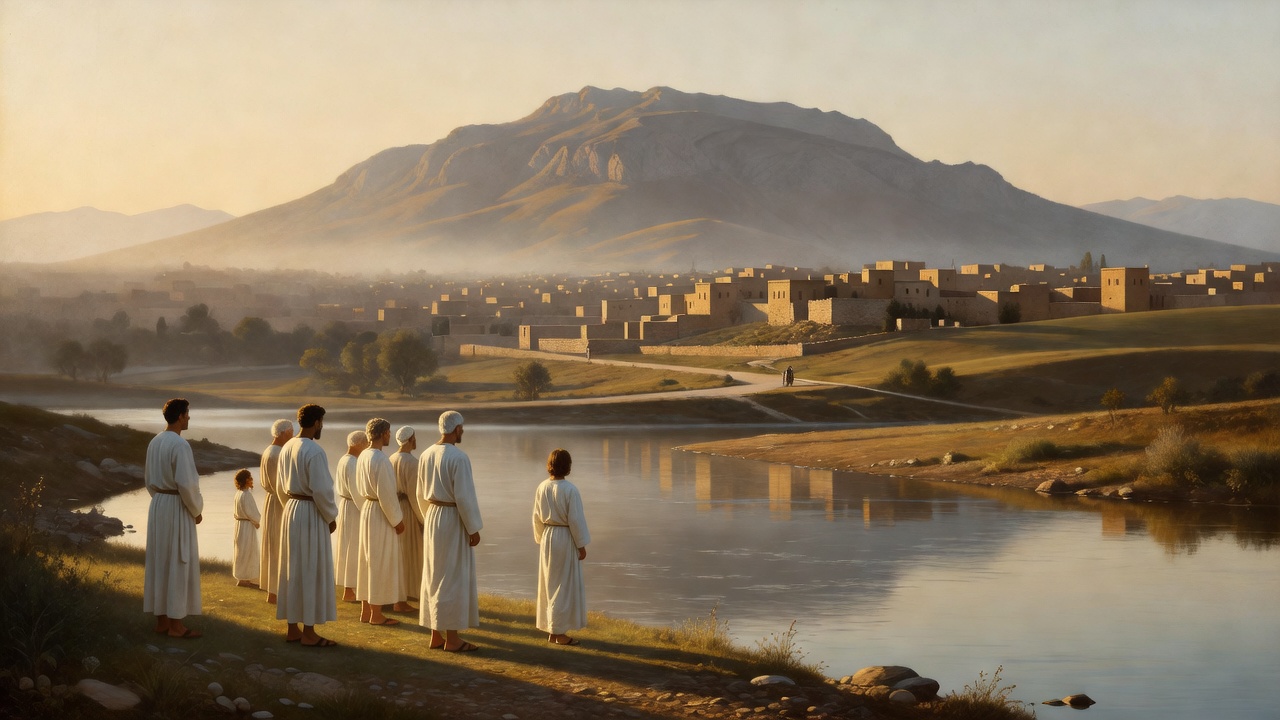
- Revelation 3 is a set of letters to churches in three cities of Asia Minor. Sardis, the metropolis of Lydia, stood on the river Pactolus at the foot of Mount Tmolus. Philadelphia, a name that means “brotherly love,” lay about twenty-five miles southeast of Sardis, while Laodicea stood on the Lycus, where Phrygia and Lydia meet, about forty miles east of Ephesus.Sources: Sardis · Philadelphia · Laodicea · the Bible text itself
- Laodicea was first called Diospolis and then Rhoas. It was later named Laodicea after Laodice, the wife of Antiochus II, king of Syria, who rebuilt it. Easton's Bible Dictionary (1897) calls it one of the most important and flourishing cities of Asia Minor and an early leading center of Christianity; in the letter, that church is said to claim that it is rich, has grown wealthy, and needs nothing.Sources: Laodicea · the Bible text itself
- The letter to Philadelphia speaks of a “synagogue of Satan” and of people who claim to be Jews but whom it calls liars. Satan means “adversary” or “accuser,” and in the New Testament the name is used interchangeably with the devil.Sources: Satan · the Bible text itself
Notes written with AI assistance from open sources (Theographic Bible Metadata, CC BY-SA 4.0; Easton’s Bible Dictionary, public domain) and reviewed before publishing.
Places in this chapter
- Sardis · 38.488, 28.040 · verses 1, 4
- Philadelphia · Today: Alaşehir · 38.350, 28.517 · verse 7
- Jerusalem · 31.777, 35.234 · verse 12
- Laodicea · Today: Laodicea on the Lycus · 37.836, 29.108 · verse 14
Only places identified with high confidence are shown (90% or more according to the scholarly sources compiled by OpenBible). Period map: DARE (Digital Atlas of the Roman Empire), CC BY 4.0; modern map: © OpenStreetMap contributors; places: OpenBible.info (CC BY 4.0).
Credits and license for this translation
Sahidica - طبعة جديدة من العهد الجديد باللغة القبطية الصعيدية
Sahidica - A New Edition of the New Testament in Sahidic Coptic
copyright © 2000-2006 J Warren Wells
Language: ⲘⲉⲧⲢⲉⲙ̀ⲛⲭⲏⲙⲓ (Coptic)
Dialect: Sahidic
Translation by: J Warren Wells
Coptic: Sahidic NT "Sahidica - A New Edition of the New Testament in Sahidic Coptic"
Copyright (c)2000-2006 by J Warren Wells. All rights reserved.
For more information visit www.sahidica.org .
This edition is available free of charge for use in free electronic
editions of the New Testament as long as the full title and copyright
information are included and credited. For written permission to use
all or any part of this document in print editions, contact the editor
at www.sahidica.org .
This edition is primarily meant for use by teachers and students of
Sahidic Coptic, and to a lesser degree by Coptologists involved in
scholarly research, textual criticism, or New Testament translation.
PURPOSE
Please note: This text is a work in progress. As such, there
is an ongoing effort to standardize the spelling of words in
the text. Be aware that version updates periodically appear.
The primary purpose is to produce a standardized edition of
the Sahidic NT similar to standard Greek editions.
An additional purpose of this text is to allow side-by-side
comparison with the Greek New Testament. To facilitate this
effort, a new version of the Greek text has been developed,
which is meant to better represent the Greek text upon which
the Sahidic was based. This text is entitled "The New Testament
According to the Egyptian Greek Text" [NTAEG]
This text does not include representation of either accents or
supralinear strokes, since these are used inconsistently in the
original texts. There is also a higher degree of standardization
in spelling and punctuation; like today's standard Greek master
texts, but unlike both the original Sahidic texts, and the PHI
and Coptic Society texts. Moreover, as in standard Greek texts,
instances of the Nomina Sacra have been expanded to their full
forms. This is again a departure from earlier versions of the
Sahidic, including the PHI and Coptic Society texts, which are
Both inconsistent in their usage.
Special thanks to David Brakke of Indiana University Bloomington,
Brigitte Comparini of the Packard Humanities Institute, and
Michael Heiser, Academic Editor, at Logos Research Systems; for
their assistance in making this edition possible.
BASIS
Sahidica was initially based (by permission) on the Coptic New Testament,
which is an electronic publication, which was edited by David Brakke.
(PHI-CD 5.3 dated 7/2/91. Los Altos. Packard Humanities Institute. 1991).
During later development, Sahidica was electronically collated against
the Coptic CD I by the St. Shenouda The Archmandrite Coptic Society.
Los Angeles, CA dated April, 1998.
These two editions were reduced to a raw electronic form, which allowed both
to be compared electronically letter by letter with Sahidica in order to
accurately detect and report every single variation and input error in any
of the texts. Though errors are inevitable, the collators of three seperate
editions are highly unlikely to make the same errors. Therefore, this method
helps to insure the integrity of the Sahidica edition.
Throughout the project, Sahidica was also collated against printed editions
of the following coptic manuscripts, which manuscripts date from the third
century and later.
Matt: Pierpont Morgan Library M-569 collated against Bodmer XIX papyrus
Mark:* PPalau Rib. Inv.Nr.182 collated against Pierpont Morgan Library M-569
Luke: PPalau Rib. Inv.Nr.181 collated against Pierpont Morgan Library M-569
John: PPalau Rib. Inv.Nr.183 collated against Pierpont Morgan Library M-569
Acts: Chester Beatty B (Copt.Ms.814) collated against Berlin P.15926 and British Museum MS Or.7594
Paul: Chester Beatty A (Copt.Ms.813) collated against Pierpont Morgan Library M-570 and M-571
James-Jude:** Pierpont Morgan Library M-572 collated against the Pierpont Morgan Library M-573 and M-601***
Revelation: Berlin MS Or.408 ( British Museum Ms Or.3518) collated against British Museum MS Or.6803
* Note: The longer and shorter endings of Mark are based on Horner; cf Kahle (JTS.1951.p49-57)
** Note: 1st Peter was also collated against the Crosby-Schøyen Ms.193.
*** Note: Portions of James and Jude were reconstructed from M-573, M-601, and four other mss.
Note on Interpolations
The short and long endings of Mark are ommited from the PPalau ms 182, but they do appear in most mss.
To better represent the overall Sahidic tradition, both endings are included, but in double brackets.
The pericope of the adultress (John 7:53-8:11) does not appear in any Sahidic ms. Herein it is omitted.
2014-09-16
Source: http://ebible.org/copshc/ · eBible.org