Revelation 2
Sahidica - طبعة جديدة من العهد الجديد باللغة القبطية الصعيدية · Tap a verse to see its cross-references.
1ⲤϨⲀⲒ ⲘⲠⲀⲄⲄⲈⲖⲞⲤ ⲚⲦⲈⲔⲔⲖⲎⲤⲒⲀ ⲈⲦϨⲚ ⲈⲪⲈⲤⲞⲤ ϪⲈ ⲚⲀⲒ ⲚⲈⲦⲈϤϪⲰ ⲘⲘⲞⲞⲨ ⲚϬⲒ ⲠϪⲞⲈⲒⲤ ⲠⲈⲦⲀⲘⲀϨⲦⲈ ⲘⲠⲤⲀϢϤ ⲚⲤⲒⲞⲨ ϨⲚ ⲦⲈϤϬⲒϪ ⲚⲞⲨⲚⲀⲘ ⲠⲈⲦⲘⲞⲞϢⲈ ϨⲚ ⲦⲘⲎⲎⲦⲈ ⲚⲦⲤⲀϢϤⲈ ⲚⲖⲨⲬⲚⲒⲀ ⲚⲚⲞⲨⲂ 2ϮⲤⲞⲞⲨⲚ ⲚⲚⲈⲔϨⲂⲎⲨⲈ ⲘⲚ ⲠⲈⲔϨⲒⲤⲈ ⲘⲚ ⲦⲈⲔϨⲨⲠⲞⲘⲞⲚⲎ ⲀⲨⲰ ϪⲈ ⲘⲚ ϢϬⲞⲘ ⲈϤⲒ ϨⲀⲚⲈⲐⲞⲞⲨ ⲀⲨⲰ ⲀⲔⲠⲒⲢⲀⲌⲈ ⲚⲚⲈⲦϪⲰ ⲘⲘⲞⲤ ϪⲈ ⲀⲚⲞⲚ ϨⲈⲚⲀⲠⲞⲤⲦⲞⲖⲞⲤ ⲚϨⲞⲒⲚⲈ ⲀⲚ ⲚⲈ ⲀⲨⲰ ⲀⲔϨⲈ ⲈⲢⲞⲞⲨ ⲈϨⲈⲚⲚⲞⲨϪ ⲚⲈ 3ⲀⲨⲰ ⲞⲨⲚⲦⲀⲔ ⲘⲘⲀⲀⲨ ⲚⲞⲨϨⲨⲠⲞⲘⲞⲚⲎ ⲀⲨⲰ ⲀⲔϤⲒ ⲈⲢⲞⲔ ⲈⲦⲂⲈ ⲠⲀⲢⲀⲚ ⲘⲠⲈⲔϨⲒⲤⲈ. 4ⲀⲖⲖⲀ ⲞⲨⲚⲦⲀⲒ ϨⲈⲚⲔⲞⲨⲒ ⲈⲢⲞⲔ ϪⲈ ⲀⲔⲔⲰ ⲚⲤⲰⲔ ⲚⲦⲈⲔⲀⲄⲀⲠⲎ ⲚϢⲞⲢⲠ. 5ⲀⲢⲒ ⲠⲘⲈⲈⲨⲈ ϬⲈ ϪⲈ ⲚⲦⲀⲔϨⲈ ⲈⲂⲞⲖ ⲦⲰⲚ ⲚⲄⲘⲈⲦⲀⲚⲞⲒ ⲚⲄⲈⲒⲢⲈ ⲚⲚⲈⲔϨⲂⲎⲨⲈ ⲚϢⲞⲢⲠ ⲈϢⲰⲠⲈ ⲘⲘⲞⲚ ϮⲚⲎⲨ ⲚⲀⲔ ⲦⲀⲔⲒⲘ ⲈⲦⲈⲔⲖⲨⲬⲚⲒⲀ ⲈⲂⲞⲖ ϨⲘ ⲠⲈⲤⲘⲀ ⲔⲦⲘⲘⲈⲦⲀⲚⲞⲒ. 6ⲀⲖⲖⲀ ⲞⲨⲚⲦⲀⲔ ⲠⲀⲒ ⲘⲘⲀⲨ ϪⲈ ⲈⲔⲘⲞⲤⲦⲈ ⲚⲚⲈϨⲂⲎⲨⲈ ⲚⲚⲒⲔⲞⲖⲀⲒⲦⲎⲤ ⲚⲀⲒ ϨⲰ ⲈϮⲘⲞⲤⲦⲈ ⲘⲘⲞⲞⲨ. 7ⲠⲈⲦⲈ ⲞⲨⲚⲦⲀϤ ⲘⲀⲀϪⲈ ⲘⲘⲀⲨ ⲘⲀⲢⲈϤⲤⲰⲦⲘ ϪⲈ ⲞⲨⲚ ⲈⲦⲈⲢⲈ ⲠⲈⲠⲚⲈⲨⲘⲀ ϪⲰ ⲘⲘⲞⲞⲨ ⲚⲚⲈⲔⲔⲖⲨⲤⲒⲀ. ⲠⲈⲦⲚⲀϪⲢⲞ ϮⲚⲀϮ ⲚⲀϤ ⲈⲦⲢⲈϤⲞⲨⲰⲘ ⲈⲂⲞⲖ ϨⲘ ⲠϢⲎⲚ ⲘⲠⲰⲚϨ ⲠⲀⲒ ⲈⲦⲚⲦⲘⲎⲎⲦⲈ ⲘⲠⲠⲀⲢⲀⲆⲈⲒⲤⲞⲤ ⲘⲠⲀⲚⲞⲨⲦⲈ 8ⲤϨⲀⲒ ⲘⲠⲀⲄⲄⲈⲖⲞⲤ ⲚⲦⲈⲔⲔⲖⲎⲤⲒⲀ ⲈⲦϨⲚ ⲤⲘⲨⲢⲚⲀ ϪⲈ ⲚⲀⲒ ⲚⲈⲦϤϪⲰ ⲘⲘⲞⲞⲨ ⲚϬⲒ ⲠϢⲞⲢⲠ ⲀⲨⲰ ⲠϨⲀⲎ ⲠⲈⲚⲦⲀϤⲘⲞⲨ ⲀⲨⲰ ⲀϤⲰⲚϨ 9ϮⲤⲞⲞⲨⲚ ⲚⲦⲈⲔⲐⲖⲒⲮⲒⲤ ⲘⲚ ⲦⲈⲔⲘⲚⲦϨⲎⲔⲈ ⲀⲖⲖⲀ ⲚⲦⲔ ⲞⲨⲢⲘⲘⲀⲞ ⲀⲨⲰ ⲦⲘⲚⲦⲢⲈϤϪⲒ ⲞⲨⲀⲚ ⲚⲀⲒ ⲈⲦϪⲰ ⲘⲘⲞⲤ ϪⲈ ⲀⲚⲞⲚ ϨⲈⲚⲒⲞⲨⲆⲀⲒ ⲚϨⲞⲒⲚⲈ ⲀⲚ ⲚⲈ ⲀⲖⲖⲀ ⲦⲤⲨⲚⲀⲄⲰⲄⲎ ⲘⲠⲤⲀⲦⲀⲚⲀⲤ ⲦⲈ. 10ⲘⲠⲢⲢϨⲞⲦⲈ ⲖⲀⲀⲨ ϨⲎⲦⲞⲨ ⲚⲚⲈⲦⲈⲔⲚⲀϢⲞⲠⲞⲨ ⲈⲒⲤ ϨⲎⲎⲦⲈ ⲠⲆⲒⲀⲂⲞⲖⲞⲤ ⲚⲀⲚⲈϪ ϨⲞⲒⲚⲈ ⲚϨⲎⲦ ⲦⲎⲨⲦⲚ ⲈⲠⲈϢⲦⲈⲔⲞ ϪⲈⲔⲀⲀⲤ ⲈⲨⲈⲠⲈⲒⲢⲀⲌⲈ ⲘⲘⲰⲦⲚ ⲀⲨⲰ ⲞⲨⲚ ⲦⲎⲦⲚ ⲘⲘⲀⲨ ⲚⲞⲨⲐⲖⲒⲮⲒⲤ ⲘⲘⲎⲦ ⲚϨⲞⲞⲨ ϢⲰⲠⲈ ⲘⲠⲒⲤⲦⲞⲤ ϢⲀ ϨⲢⲀⲒ ⲈⲠⲘⲞⲨ ⲀⲨⲰ ϮⲚⲀϮ ⲚⲀⲔ ⲘⲠⲈⲔⲖⲞⲘ ⲘⲠⲰⲚϨ. 11ⲠⲈⲦⲈ ⲞⲨⲚⲦⲀϤ ⲘⲀⲀϪⲈ ⲘⲘⲀⲨ ⲈⲤⲰⲦⲘ ⲘⲀⲢⲈϤⲤⲰⲦⲘ ϪⲈ ⲞⲨ ⲠⲈⲦⲈⲢⲈ ⲠⲈⲠⲚⲈⲨⲘⲀ ϪⲰ ⲘⲘⲞϤ ⲚⲚⲈⲔⲔⲖⲎⲤⲒⲀ. ⲠⲈⲦⲚⲀϪⲢⲞ ⲚⲚⲈⲨϪⲒⲦϤ ⲚϬⲞⲚⲤ ⲈⲂⲞⲖ ϨⲒⲦⲘ ⲠⲘⲞⲨ ⲘⲘⲈϨⲤⲚⲀⲨ. 12ⲤϨⲀⲒ ⲘⲠⲀⲄⲄⲈⲖⲞⲤ ⲚⲦⲈⲔⲔⲖⲎⲤⲒⲀ ⲈⲦϨⲘ ⲠⲈⲢⲄⲀⲘⲞⲤ ϪⲈ ⲚⲀⲒ ⲚⲈⲦϤϪⲰ ⲘⲘⲞⲞⲨ ⲚϬⲒ ⲠⲈⲦⲈ ⲞⲨⲚⲦⲀϤ ⲘⲘⲀⲨ ⲚⲦⲤⲎϤⲈ ⲈⲦⲦⲎⲘ ⲈⲠϨⲞ ⲤⲚⲀⲨ 13ϮⲤⲞⲞⲨⲚ ϪⲈ ⲈⲔⲞⲨⲎⲎϨ ⲦⲰⲚ ⲠⲘⲀ ⲈⲦⲈⲢⲈ ⲠⲈⲐⲢⲞⲚⲞⲤ ⲘⲠⲤⲀⲦⲀⲚⲀⲤ ⲚϨⲎⲦϤ ⲀⲨⲰ ⲀⲔⲀⲘⲀϨⲦⲈ ⲘⲠⲀⲢⲀⲚ ⲘⲠⲈⲔⲀⲢⲚⲀ ⲚⲦⲀ ⲠⲒⲤϮⲤ ⲀⲨⲰ ⲀⲔⲀϨⲈⲢⲀⲦⲔ ϨⲚ ⲚⲈϨⲞⲞⲨ ⲚⲦⲀⲨⲘⲞⲨⲞⲨⲦ ⲘⲠⲀⲘⲚⲦⲢⲈ ⲘⲠⲒⲤⲦⲞⲤ ϨⲀϨⲦⲈⲦⲎⲨⲦⲚ ⲠⲘⲀ ⲈⲦⲈⲢⲈ ⲠⲈⲐⲢⲞⲚⲞⲤ ⲘⲠⲤⲀⲦⲀⲚⲀⲤ ⲞⲨⲎⲎϨ ⲚϨⲎⲦϤ. 14ⲀⲨⲰ ⲞⲨⲚⲦⲀⲒ ϨⲈⲚⲔⲞⲨⲒ ⲈⲢⲞⲔ ϪⲈ ⲞⲨⲚⲦⲀⲔ ϨⲞⲒⲚⲈ ⲈⲨⲀⲘⲀϨⲦⲈ ⲚⲦⲈⲤⲂⲰ ⲘⲂⲀⲖⲀϨⲀⲘ ⲠⲀⲒ ⲚⲦⲀϤⲦⲤⲀⲂⲈ ⲂⲀⲖⲀⲔ ⲈⲚⲈϪ ⲤⲔⲀⲚⲆⲀⲖⲞⲚ ⲘⲠⲘⲦⲞ ⲈⲂⲞⲖ ⲚⲚϢⲎⲢⲈ ⲘⲠ ⲒⲤⲢⲀⲎⲖ ⲈⲦⲢⲈⲨⲞⲨⲈⲘ ϢⲰⲰⲦ ⲚⲈⲒⲆⲰⲖⲞⲚ ⲀⲨⲰ ⲚⲤⲈⲠⲞⲢⲚⲈⲨⲈ. 15ⲦⲀⲒ ⲦⲈ ⲦⲈⲔϨⲈ ϨⲰⲔ ⲈⲞⲨⲚⲦⲀⲔ ϨⲞⲒⲚⲈ ⲈⲨⲀⲘⲀϨⲦⲈ ⲚⲦⲈⲤⲂⲰ ⲚⲚⲒⲔⲞⲖⲀⲒⲦⲎⲤ. 16ⲘⲈⲦⲀⲚⲞⲒ ϬⲈ ⲈϢⲰⲠⲈ ⲘⲘⲞⲚ ϮⲚⲎⲨ ⲚⲀⲔ ϨⲚ ⲞⲨϬⲈⲠⲎ ⲦⲀⲘⲒϢⲈ ⲚⲘⲘⲀⲔ ϨⲚ ⲦⲤⲎϤⲈ ⲚⲦⲀⲦⲀⲠⲢⲞ. 17ⲠⲈⲦⲈ ⲞⲨⲚⲦⲀϤ ⲘⲀⲀϪⲈ ⲘⲘⲀⲨ ⲈⲤⲰⲦⲘ ⲘⲀⲢⲈϤⲤⲰⲦ ϪⲈ ⲈⲢⲈ ⲠⲈⲠⲚⲈⲨⲘⲀ ϪⲰ ⲘⲘⲞⲤ ϪⲈ ⲞⲨ ⲚⲚⲈⲔⲔⲖⲎⲤⲒⲀ. ⲠⲈⲦⲚⲀϪⲢⲞ ϮⲚⲀϮ ⲚⲀϤ ⲈⲦⲢⲈϤⲞⲨⲰⲘ ⲈⲂⲞⲖ ϨⲘ ⲠⲘⲀⲚⲚⲀ ⲈⲦϨⲎⲠ ⲀⲨⲰ ϮⲚⲀϮ ⲚⲀϤ ⲚⲞⲨⲮⲎⲪⲞⲤ ⲈⲤⲞⲨⲞⲂϢ ⲈⲢⲈ ⲞⲨⲢⲀⲚ ⲚⲂⲢⲢⲈ ⲤⲎϨ ⲈⲢⲞⲤ ⲈⲘⲚ ⲖⲀⲀⲨ ⲤⲞⲞⲨⲚ ⲘⲘⲞϤ ⲈⲒ ⲘⲎⲦⲒ ⲠⲈⲦⲚⲀϪⲒⲦϤ. 18ⲤϨⲀⲒ ⲘⲠⲀⲄⲄⲈⲖⲞⲤ ⲚⲦⲈⲔⲔⲖⲎⲤⲒⲀ ⲈⲦϨⲚ ⲐⲒⲀⲦⲈⲒⲢⲀ ϪⲈ ⲚⲀⲒ ⲚⲈⲦⲈϤϪⲰ ⲘⲘⲞⲞⲨ ⲚϬⲒ ⲠϢⲎⲢⲈ ⲘⲠⲚⲞⲨⲦⲈ ⲠⲈⲦⲈⲢⲈ ⲚⲈϤⲂⲀⲖ Ⲟ ⲚⲐⲈ ⲚⲞⲨϢⲀϨ ⲚⲔⲰϨⲦ ⲈⲢⲈⲚⲈϤⲞⲨⲢⲎⲎⲦⲈ Ⲟ ⲚⲐⲈ ⲚⲞⲨϨⲞⲘⲚⲦ ⲚⲂⲀⲢⲰⲦ 19ϮⲤⲞⲞⲨⲚ ⲚⲚⲈⲔϨⲂⲎⲨⲈ ⲘⲚ ⲦⲈⲔⲀⲄⲀⲠⲎ ⲘⲚ ⲦⲈⲔⲠⲒⲤⲦⲒⲤ ⲀⲨⲰ ⲦⲈⲔⲆⲒⲀⲔⲞⲚⲒⲀ ⲘⲚ ⲦⲈⲔϨⲨⲠⲞⲘⲞⲚⲎ ⲀⲨⲰ ⲚⲈⲔϨⲂⲎⲨⲈ ⲚϨⲀⲈⲨ ⲚⲀⲀⲀⲨ ⲈⲚⲈⲔϢⲞⲢⲠ. 20ⲀⲖⲖⲀ ⲞⲨⲚⲦⲀⲒ ⲈⲢⲞⲔ ϪⲈ ⲀⲔⲔⲰ ⲚⲦⲈⲤϨⲒⲘⲈ ϪⲈ ⲈⲒⲈⲌⲀⲂⲈⲖ ⲦⲀⲒ ⲈⲦϪⲰ ⲘⲘⲞⲤ ⲈⲢⲞⲤ ϪⲈ ⲀⲚⲄ ⲞⲨⲠⲢⲞⲪⲨⲦⲎⲤ ⲈⲤϮⲤⲂⲰ ⲀⲨⲰ ⲈⲤⲠⲖⲀⲚⲀ ⲚⲚⲀϨⲘϨⲀⲖ ⲈⲦⲢⲈⲨⲠⲞⲢⲚⲈⲨⲈ ⲀⲨⲰ ⲚⲤⲈⲞⲨⲈⲘϢⲰⲰⲦ ⲚⲈⲒⲆⲰⲖⲞⲚ. 21ⲀⲒϮ ⲆⲈ ⲚⲀⲤ ⲚⲞⲨⲞⲈⲒϢ ϪⲈ ⲈⲤⲈⲘⲈⲦⲀⲚⲞⲒ ⲀⲨⲰ ⲘⲠⲤⲘⲈⲦⲀⲚⲞⲒ ⲈⲂⲞⲖ ϨⲚ ⲦⲈⲤⲠⲞⲢⲚⲈⲒⲀ. 22ⲈⲒⲤ ϨⲎⲎⲦⲈ ϮⲚⲀⲚⲞⲨϪ ⲘⲘⲞⲤ ⲈϨⲢⲀⲒ ⲈⲨϢⲰⲚⲈ ⲀⲨⲰ ⲚⲈⲦⲞ ⲚⲚⲞⲈⲒⲔ ⲚⲘⲘⲀⲤ ⲈⲨⲚⲞϬ ⲚⲐⲖⲒⲮⲒⲤ ⲈϢⲰⲠⲈ ⲆⲈ ⲈⲤⲦⲘⲘⲈⲦⲀⲚⲞⲒ ⲈⲂⲞⲖ ϨⲚ ⲚⲈⲤϨⲂⲎⲨⲈ 23ϮⲚⲀⲘⲞⲨⲞⲨⲦ ⲚⲚⲈⲤⲔⲈϢⲎⲢⲈ ϨⲚ ⲞⲨⲘⲞⲨ ⲀⲨⲰ ⲤⲈⲚⲀⲈⲒⲘⲈ ⲚϬⲒ ⲚⲈⲔⲔⲖⲎⲤⲒⲀ ⲦⲎⲢⲞⲨ ϪⲈ ⲀⲚⲞⲔ ⲠⲈⲦϨⲞⲦϨⲈⲦ ⲚⲚⲈⲚϬⲖⲞⲞⲦⲈ ⲘⲚ ⲚϨⲎⲦ ⲀⲨⲰ ϮⲚⲀϮ ⲚⲎⲦⲚ ⲠⲞⲨⲀ ⲠⲞⲨⲀ ⲔⲀⲦⲀⲚⲈϤϨⲂⲎⲨⲈ. 24ϮϪⲰ ⲆⲈ ⲘⲘⲞⲤ ⲚⲎⲦⲚ ⲠⲔⲈⲤⲈⲠⲎ ⲈⲦϨⲚ ⲐⲈⲒⲀⲦⲈⲒⲢⲀ ⲚⲈⲦⲈⲘⲚⲦⲞⲨ ⲦⲈⲒⲤⲂⲰ ⲘⲘⲀⲀⲨ ⲀⲨⲰ ⲘⲠⲞⲨⲤⲞⲞⲨⲚ ⲚⲚⲈⲐⲎⲠ ⲘⲠⲤⲀⲦⲀⲚⲀⲤ ⲚⲐⲈ ⲈⲦⲞⲨϪⲰ ⲘⲘⲞⲤ ϪⲈ ⲚⲦⲚⲀⲦⲀⲖⲈⲔⲈϨⲢⲎϢⲈ ⲈϪⲚ ⲦⲎⲨⲦⲚ 25ⲠⲖⲎⲚ ⲠⲈⲦⲚ ⲦⲈⲦⲎⲨⲦⲚ ⲀⲘⲀϨⲦⲈ ⲘⲘⲞϤ ϢⲀⲚϮⲈⲒ. 26ⲀⲨⲰ ⲠⲈⲦⲚⲀϪⲢⲞ ⲚⲈϤϨⲀⲢⲈϨ ⲈⲚⲀϨⲂⲎⲨⲈ ϢⲀⲂⲞⲖ ϮⲚⲀϮ ⲚⲀϤ ⲚⲦⲈⲜⲞⲨⲤⲒⲀ ⲈϪⲚ ⲚϨⲈⲐⲚⲞⲤ 27ⲚⲈϤⲘⲞⲞⲚⲈ ⲘⲘⲞⲞⲨ ϨⲚ ⲞⲨϬⲈⲢⲰⲂ ⲘⲠⲈⲚⲒⲠⲈ ⲀⲨⲰ ⲚⲈϤⲞⲨⲞϢϤⲞⲨ ⲚⲐⲈ ⲈϢⲀⲨⲞⲨⲰϬⲠ ⲚⲚⲈⲤⲔⲈⲨⲎ ⲘⲠⲔⲈⲢⲀⲘⲈⲨⲤ ⲚⲤⲈⲞⲨⲞϢϤⲞⲨ ⲔⲀⲦⲀⲐⲈ ϨⲰ ⲚⲦⲀⲒϪⲒⲦⲤ ⲈⲂⲞⲖ ϨⲒⲦⲘ ⲠⲀⲒⲰⲦ 28ⲀⲨⲰ ϮⲚⲀϮ ⲚⲀϤ ⲘⲠⲤⲞ ⲚϨⲦⲞⲞⲨⲈ. 29ⲠⲈⲦⲈ ⲞⲨⲚⲦⲀϤ ⲘⲀⲀϪⲈ ⲘⲘⲀⲨ ⲈⲤⲰⲦⲘ ⲘⲀⲢⲈϤⲤⲰⲦⲘ ϪⲈ ⲈⲢⲈⲠⲈⲠⲚⲈⲨⲘⲀ ϪⲰ ⲘⲘⲞⲤ ϪⲈ ⲞⲨ ⲚⲚⲈⲔⲔⲖⲎⲤⲒⲀ.
Did you know?
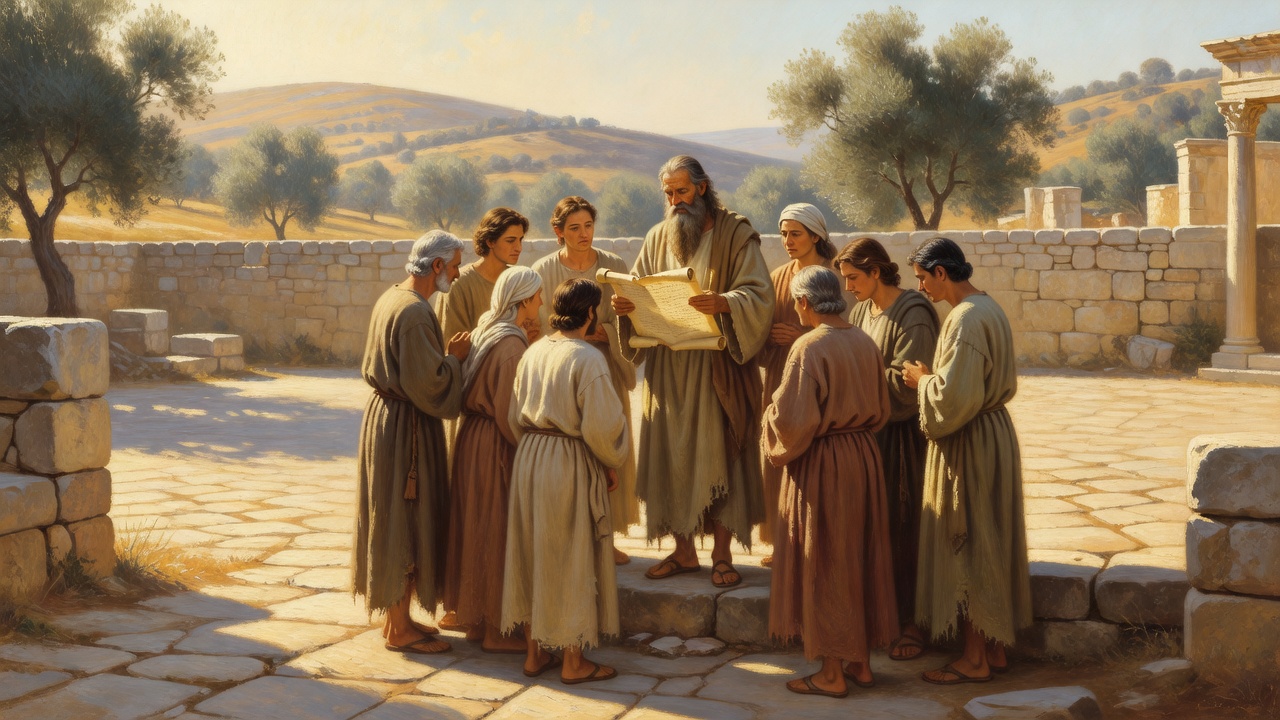
Messages to the Four Churches
- Ephesus was the capital of proconsular Asia and bore the Roman title of the first and greatest metropolis of the province. It was famous across the ancient world for its open-air theatre seating 50,000 spectators and for housing the chief shrine and temple of Diana.Sources: Ephesus · the Bible text itself
- Pergamum, the chief city of Mysia situated near the Caicus River, is described in the letter as the place where Satan's throne sits. The text commends the believers there for maintaining their faith even when Antipas, called a faithful witness, was killed in the city.Sources: Pergamum · Antipas · the Bible text itself
- Located between Lydia and Mysia, the city of Thyatira was celebrated for its textile dyeing industry, as confirmed by ancient inscriptions mentioning its guild of dyers. In the New Testament, Lydia, a seller of purple-dyed cloth, hailed from this city.Sources: Thyatira · the Bible text itself
Notes written with AI assistance from open sources (Theographic Bible Metadata, CC BY-SA 4.0; Easton’s Bible Dictionary, public domain) and reviewed before publishing.
Places in this chapter
- Ephesus · 37.939, 27.341 · verse 1
- Smyrna · Today: Izmir · 38.419, 27.138 · verse 8
- Pergamum · Today: Pergamon · 39.132, 27.184 · verse 12
- Thyatira · Today: Akhisar · 38.920, 27.837 · verses 18, 24
Only places identified with high confidence are shown (90% or more according to the scholarly sources compiled by OpenBible). Period map: DARE (Digital Atlas of the Roman Empire), CC BY 4.0; modern map: © OpenStreetMap contributors; places: OpenBible.info (CC BY 4.0).
Credits and license for this translation
Sahidica - طبعة جديدة من العهد الجديد باللغة القبطية الصعيدية
Sahidica - A New Edition of the New Testament in Sahidic Coptic
copyright © 2000-2006 J Warren Wells
Language: ⲘⲉⲧⲢⲉⲙ̀ⲛⲭⲏⲙⲓ (Coptic)
Dialect: Sahidic
Translation by: J Warren Wells
Coptic: Sahidic NT "Sahidica - A New Edition of the New Testament in Sahidic Coptic"
Copyright (c)2000-2006 by J Warren Wells. All rights reserved.
For more information visit www.sahidica.org .
This edition is available free of charge for use in free electronic
editions of the New Testament as long as the full title and copyright
information are included and credited. For written permission to use
all or any part of this document in print editions, contact the editor
at www.sahidica.org .
This edition is primarily meant for use by teachers and students of
Sahidic Coptic, and to a lesser degree by Coptologists involved in
scholarly research, textual criticism, or New Testament translation.
PURPOSE
Please note: This text is a work in progress. As such, there
is an ongoing effort to standardize the spelling of words in
the text. Be aware that version updates periodically appear.
The primary purpose is to produce a standardized edition of
the Sahidic NT similar to standard Greek editions.
An additional purpose of this text is to allow side-by-side
comparison with the Greek New Testament. To facilitate this
effort, a new version of the Greek text has been developed,
which is meant to better represent the Greek text upon which
the Sahidic was based. This text is entitled "The New Testament
According to the Egyptian Greek Text" [NTAEG]
This text does not include representation of either accents or
supralinear strokes, since these are used inconsistently in the
original texts. There is also a higher degree of standardization
in spelling and punctuation; like today's standard Greek master
texts, but unlike both the original Sahidic texts, and the PHI
and Coptic Society texts. Moreover, as in standard Greek texts,
instances of the Nomina Sacra have been expanded to their full
forms. This is again a departure from earlier versions of the
Sahidic, including the PHI and Coptic Society texts, which are
Both inconsistent in their usage.
Special thanks to David Brakke of Indiana University Bloomington,
Brigitte Comparini of the Packard Humanities Institute, and
Michael Heiser, Academic Editor, at Logos Research Systems; for
their assistance in making this edition possible.
BASIS
Sahidica was initially based (by permission) on the Coptic New Testament,
which is an electronic publication, which was edited by David Brakke.
(PHI-CD 5.3 dated 7/2/91. Los Altos. Packard Humanities Institute. 1991).
During later development, Sahidica was electronically collated against
the Coptic CD I by the St. Shenouda The Archmandrite Coptic Society.
Los Angeles, CA dated April, 1998.
These two editions were reduced to a raw electronic form, which allowed both
to be compared electronically letter by letter with Sahidica in order to
accurately detect and report every single variation and input error in any
of the texts. Though errors are inevitable, the collators of three seperate
editions are highly unlikely to make the same errors. Therefore, this method
helps to insure the integrity of the Sahidica edition.
Throughout the project, Sahidica was also collated against printed editions
of the following coptic manuscripts, which manuscripts date from the third
century and later.
Matt: Pierpont Morgan Library M-569 collated against Bodmer XIX papyrus
Mark:* PPalau Rib. Inv.Nr.182 collated against Pierpont Morgan Library M-569
Luke: PPalau Rib. Inv.Nr.181 collated against Pierpont Morgan Library M-569
John: PPalau Rib. Inv.Nr.183 collated against Pierpont Morgan Library M-569
Acts: Chester Beatty B (Copt.Ms.814) collated against Berlin P.15926 and British Museum MS Or.7594
Paul: Chester Beatty A (Copt.Ms.813) collated against Pierpont Morgan Library M-570 and M-571
James-Jude:** Pierpont Morgan Library M-572 collated against the Pierpont Morgan Library M-573 and M-601***
Revelation: Berlin MS Or.408 ( British Museum Ms Or.3518) collated against British Museum MS Or.6803
* Note: The longer and shorter endings of Mark are based on Horner; cf Kahle (JTS.1951.p49-57)
** Note: 1st Peter was also collated against the Crosby-Schøyen Ms.193.
*** Note: Portions of James and Jude were reconstructed from M-573, M-601, and four other mss.
Note on Interpolations
The short and long endings of Mark are ommited from the PPalau ms 182, but they do appear in most mss.
To better represent the overall Sahidic tradition, both endings are included, but in double brackets.
The pericope of the adultress (John 7:53-8:11) does not appear in any Sahidic ms. Herein it is omitted.
2014-09-16
Source: http://ebible.org/copshc/ · eBible.org