Matthew 12
Sahidica - طبعة جديدة من العهد الجديد باللغة القبطية الصعيدية · Tap a verse to see its cross-references.
1ϨⲘ ⲠⲈⲞⲨⲞⲈⲒϢ ⲈⲦⲘⲘⲀⲨ ⲀϤⲈⲒ ⲈⲂⲞⲖ ⲚϬⲒ ⲒⲎⲤⲞⲨⲤ ϨⲒⲦⲚ ⲘⲘⲀ ⲈⲦϪⲎⲨ ⲘⲠⲤⲀⲂⲂⲀⲦⲞⲚ. ⲚⲈϤⲘⲀⲐⲎⲦⲎⲤ ⲆⲈ ⲀⲨϨⲔⲞ ⲀⲨⲀⲢⲬⲈⲒ ⲚⲦⲰⲖⲔ ⲚⲚϨⲘⲤ ⲈⲨⲞⲨⲰⲘ. 2ⲚⲈⲪⲀⲢⲒⲤⲤⲀⲒⲞⲤ ⲆⲈ ⲚⲦⲈⲢⲞⲨⲚⲀⲨ ⲠⲈϪⲀⲨ ⲚⲀϤ. ϪⲈ ⲈⲒⲤ ϨⲎⲎⲦⲈ ⲚⲈⲔⲘⲀⲐⲎⲦⲎⲤ ⲤⲈⲈⲒⲢⲈ ⲘⲠⲈⲦⲈⲘⲈϢϢⲈ ⲈⲀⲀϤ ϨⲘ ⲠⲤⲀⲂⲂⲀⲦⲞⲚ. 3ⲚⲦⲞϤ ⲆⲈ ⲠⲈϪⲀϤ ⲚⲀⲨ. ϪⲈ ⲘⲠⲈⲦⲚⲞϢϤ ϪⲈ ⲚⲦⲀⲆⲀⲨⲈⲒⲆ ⲢⲞⲨ ⲚⲦⲈⲢⲈϤϨⲔⲞ ⲘⲚ ⲚⲈⲦⲚⲘⲘⲀϤ. 4ⲚⲐⲈ ⲚⲦⲀϤⲂⲰⲔ ⲈϨⲞⲨⲚ ⲈⲠⲎⲒ ⲘⲠⲚⲞⲨⲦⲈ ⲀϤⲞⲨⲰⲘ ⲚⲚⲞⲈⲒⲔ ⲚⲦⲈⲠⲢⲞⲐⲈⲤⲒⲤ. ⲚⲀⲒ ⲈⲦⲈⲘⲈϢϢⲈ ⲈⲢⲞϤ ⲈⲞⲨⲞⲘⲞⲨ ⲞⲨⲆⲈ ⲚⲈⲦⲚⲘⲘⲀϤ. ⲈⲒⲘⲎⲦⲒ ⲚⲞⲨⲎⲎⲂ ⲘⲀⲨⲀⲀⲨ. 5ⲎⲘⲠⲈⲦⲚⲞϢϤ ϨⲢⲀⲒ ϨⲘ ⲠⲚⲞⲘⲞⲤ ϪⲈ ϨⲢⲀⲒ ϨⲘ ⲠⲤⲀⲂⲂⲀⲦⲞⲚ ⲚⲞⲨⲎⲎⲂ ⲂⲰⲖ ⲈⲂⲞⲖ ⲘⲠⲤⲀⲂⲂⲀⲦⲞⲚ ϨⲢⲀⲒ ϨⲘ ⲠⲢⲠⲈ ⲀⲨⲰ ⲘⲚ ⲚⲞⲂⲈ ⲈⲢⲞϤ. 6ϮϪⲰ ⲆⲈ ⲘⲘⲞⲤ ⲚⲎⲦⲚ. ϪⲈ ⲠⲈⲦⲞ ⲚⲚⲞϬ ⲈⲠⲢⲠⲈ ⲘⲠⲈⲒⲘⲀ. 7ⲈⲚⲈⲚⲦⲀⲦⲈⲦⲚⲈⲒⲘⲈ ⲆⲈ ϪⲈ ⲞⲨ ⲠⲈ ⲈⲒⲞⲨⲈϢⲞⲨⲚⲀ ⲈϨⲞⲨⲈⲞⲨⲐⲨⲤⲒⲀ. ⲚⲈⲦⲈⲦⲚⲀⲦϬⲀⲒⲞ ⲀⲚ ⲠⲈ ⲚⲚⲈⲦⲈⲘⲚⲚⲞⲂⲈ ⲈⲢⲞⲞⲨ. 8ⲠϪⲞⲈⲒⲤ ⲄⲀⲢ ⲘⲠⲤⲀⲂⲂⲀⲦⲞⲚ ⲠⲈ ⲠϢⲎⲢⲈ ⲘⲠⲢⲰⲘⲈ. 9ⲀϤⲠⲰⲰⲚⲈ ⲆⲈ ⲈⲂⲞⲖ ϨⲘ ⲠⲘⲀ ⲈⲦⲘⲘⲀⲨ ⲀϤⲈⲒ ⲈϨⲢⲀⲒ ⲈⲦⲈⲨⲤⲨⲚⲀⲄⲰⲄⲎ. 10ⲀⲨⲰ ⲈⲒⲤ ϨⲎⲎⲦⲈ ⲈⲒⲤⲞⲨⲢⲰⲘⲈ ⲈⲢⲈⲦⲈϤϬⲒϪ ϢⲞⲨⲰⲞⲨ ⲀⲨϪⲚⲞⲨϤ ⲈⲦⲂⲎⲎⲦϤ ⲈⲨϪⲰ ⲘⲘⲞⲤ ϪⲈ ⲈⲚⲈⲈⲜⲈⲤⲦⲈⲒ ⲈⲢⲠⲀϨⲢⲈ ⲈⲢⲞϤ ϨⲘ ⲠⲤⲀⲂⲂⲀⲦⲞⲚ ϪⲈⲔⲀⲀⲤ ⲈⲨⲈⲔⲀⲦⲞⲒⲄⲞⲢⲈⲒ ⲘⲘⲞϤ. 11ⲚⲦⲞϤ ⲆⲈ ⲠⲈϪⲀϤ ⲚⲀⲨ ϪⲈ ⲚⲒⲘ ⲚⲢⲰⲘⲈ ⲚϨⲎⲦⲦⲎⲨⲦⲚ ⲠⲈⲦⲚⲀⲔⲰ ⲚⲀϤ ⲚⲞⲨⲈⲤⲞⲞⲨ ⲚⲞⲨⲰⲦ ⲚⲦⲈⲠⲀⲒ ϨⲈ ϨⲘ ⲠⲤⲀⲂⲂⲀⲦⲞⲚ ⲈⲨϨⲒⲈⲒⲦ ⲘⲎ ⲚϤⲚⲀⲀⲘⲀϨⲦⲈ ⲘⲘⲞϤ ⲀⲚ ⲚϤⲦⲞⲨⲚⲞⲤϤ. 12ⲠⲢⲰⲘⲈ ϬⲈ ϢⲞⲂⲈ ⲚⲞⲨⲎⲢ ⲈⲠⲈⲤⲞⲞⲨ. ϨⲰⲤⲦⲈ ⲈⲜⲈⲤⲦⲈⲒ ϨⲘ ⲠⲤⲀⲂⲂⲀⲦⲞⲚ ⲈⲢⲠⲈⲦⲚⲀⲚⲞⲨϤ. 13ⲦⲞⲦⲈ ⲠⲈϪⲀϤ ⲘⲠⲢⲰⲘⲈ ϪⲈ ⲤⲞⲞⲨⲦⲚ ⲈⲂⲞⲖ ⲚⲦⲈⲔϬⲒϪ ⲚⲦⲞϤ ⲆⲈ ⲀϤⲤⲞⲨⲦⲰⲚⲤ ⲀⲤϢⲰⲠⲈ ⲈⲤⲞⲨⲞϪ ⲚⲐⲈ ⲚⲦⲔⲈⲞⲨⲈⲒ. 14ⲚⲈⲪⲀⲢⲒⲤⲤⲀⲒⲞⲤ ⲆⲈ ⲀⲨⲈⲒ ⲈⲂⲞⲖ ⲀⲨϪⲒϢⲞϪⲚⲈ ⲈⲢⲞϤ ϪⲈⲔⲀⲀⲤ ⲈⲨⲈⲘⲞⲞⲨⲦϤ. 15ⲒⲎⲤⲞⲨⲤ ⲆⲈ ⲚⲦⲈⲢⲈϤⲈⲒⲘⲈ ⲀϤⲀⲚⲀⲬⲰⲢⲈⲒ ⲈⲂⲞⲖ ϨⲘ ⲠⲘⲀ ⲈⲦⲘⲘⲀⲨ. ⲀⲨⲞⲨⲀϨⲞⲨ ⲚⲤⲰϤ ⲚϬⲒ ⲞⲨⲘⲎⲎϢⲈ ⲈⲚⲀϢⲰϤ. ⲀⲨⲰ ⲀϤⲢⲠⲀϨⲢⲈ ⲈⲢⲞⲞⲨ ⲦⲎⲢⲞⲨ. 16ⲀϤⲈⲠⲒⲦⲒⲘⲀ ⲚⲀⲨ ϪⲈⲔⲀⲀⲤ ⲚⲚⲈⲨⲞⲨⲞⲚϨϤ ⲈⲂⲞⲖ. 17ϪⲈⲔⲀⲀⲤ ⲈϤⲈϪⲰⲔ ⲈⲂⲞⲖ ⲚϬⲒ ⲠⲈⲚⲦⲀⲨϪⲞⲞϤ ϨⲒⲦⲚ ⲎⲤⲀⲒⲀⲤ ⲠⲈⲠⲢⲞⲪⲎⲦⲎⲤ ⲈϤϪⲰ ⲘⲘⲞⲤ. 18ϪⲈ ⲈⲒⲤ ϨⲎⲎⲦⲈ ⲈⲒⲤⲠⲀϢⲎⲢⲈ ⲚⲦⲀⲒⲞⲨⲀϢϤ ⲠⲀⲘⲈⲢⲒⲦ ⲠⲈⲚⲦⲀⲦⲀⲮⲨⲬⲎ ⲞⲨⲰϢ ϨⲢⲀⲒ ⲚϨⲎⲦϤ. ϮⲚⲀⲔⲰ ⲘⲠⲀⲠⲚⲈⲨⲘⲀ ⲈϨⲢⲀⲒ ⲈϪⲰϤ ⲚϤⲔⲰ ⲚⲞⲨⲔⲢⲒⲤⲒⲤ ⲚⲚϨⲈⲐⲚⲞⲤ. 19ⲚϤⲚⲀϮⲦⲰⲚ ⲀⲚ. ⲞⲨⲆⲈ ⲚϤⲚⲀⲰϢ ⲈⲂⲞⲖ ⲀⲚ. ⲘⲚ ⲖⲀⲀⲨ ⲚⲀⲤⲰⲦⲘ ⲈⲦⲈϤⲤⲘⲎ ϨⲚ ⲚⲈⲠⲖⲀⲦⲒⲀ. 20ⲞⲨⲔⲀϢ ⲈϤⲞⲨⲞϢϤ ⲚϤⲚⲀⲞⲨⲞϬⲠϤ ⲀⲚ. ⲀⲨⲰ ⲞⲨⲤⲞⲖ ⲈϤϨⲦⲘⲦⲰⲘ ⲚϤⲚⲀϪⲈⲚⲀϤ ⲀⲚ. ϢⲀⲚⲦⲈϤⲈⲒⲚⲈ ⲈⲂⲞⲖ ⲘⲠⲈϤϨⲀⲠ ϨⲚ ⲞⲨⲦⲀϪⲢⲞ. 21ⲚⲦⲈⲚϨⲈⲐⲚⲞⲤ ϨⲈⲖⲠⲒⲌⲈ ⲈⲠⲈϤⲢⲀⲚ. 22ⲦⲞⲦⲈ ⲀⲨⲈⲒⲚⲈ ⲚⲀϤ ⲚⲞⲨⲂⲖⲖⲈ ⲚⲘⲠⲞ ⲈⲢⲈⲞⲨⲆⲀⲒⲘⲰⲚⲒⲞⲚ ϨⲒⲰⲰϤ. ⲀϤⲢⲠⲀϨⲢⲈ ⲈⲢⲞϤ ϨⲰⲤⲦⲈ ⲈⲦⲢⲈⲠⲈⲘⲠⲞ ϢⲀϪⲈ ⲚϤⲚⲀⲨ ⲈⲂⲞⲖ. 23ⲀⲨⲢϢⲠⲎⲢⲈ ⲚϬⲒ ⲘⲘⲎⲎϢⲈ ⲦⲎⲢⲞⲨ ⲈⲨϪⲰ ⲘⲘⲞⲤ ϪⲈ ⲘⲎⲦⲒ ⲠⲀⲒ ⲠⲈ ⲠϢⲎⲢⲈ ⲚⲆⲀⲨⲈⲒⲆ. 24ⲚⲦⲈⲢⲞⲨⲤⲰⲦⲘ ⲆⲈ ⲚϬⲒ ⲚⲈⲪⲀⲢⲒⲤⲤⲀⲒⲞⲤ ⲠⲈϪⲀⲨ. ϪⲈ ⲚⲈⲢⲈⲠⲀⲒ ⲚⲈϪⲆⲀⲒⲘⲰⲚⲒⲞⲚ ⲈⲂⲞⲖ ⲀⲚ. ⲈⲒⲘⲎⲦⲒ ϨⲢⲀⲒ ϨⲚ ⲂⲈⲈⲖⲌⲈⲂⲞⲨⲖ ⲠⲀⲢⲬⲰⲚ ⲚⲚⲆⲀⲒⲘⲰⲚⲒⲞⲚ. 25ⲈϤⲤⲞⲞⲨⲚ ⲆⲈ ⲚⲚⲈⲨⲘⲈⲈⲨⲈ ⲠⲈϪⲀϤ ⲚⲀⲨ. ϪⲈ ⲘⲚ ⲦⲈⲢⲞ ⲚⲒⲘ ⲈⲤϢⲀⲚⲠⲰϢ ⲈϨⲢⲀⲒ ⲈϪⲰⲤ ϢⲀⲤⲢϪⲀⲒⲈ. ⲀⲨⲰ ⲠⲞⲖⲒⲤ ⲚⲒⲘ ϨⲒⲎⲒ ⲚⲒⲘ ⲈϤϢⲀⲚⲠⲰϢ ⲈϨⲢⲀⲒ ⲈϪⲰϤ ⲘⲈϤⲀϨⲈⲢⲀⲦϤ. 26ⲈϢϪⲈ ⲠⲔⲈⲤⲀⲦⲀⲚⲀⲤ ⲈϤⲚⲞⲨϪⲈ ⲈⲂⲞⲖ ⲘⲠⲤⲀⲦⲀⲚⲀⲤ ⲈⲒⲈ ⲀϤⲠⲰϢ ⲈϨⲢⲀⲒ ⲈϪⲰϤ ⲚⲀϢ ϬⲈ ⲚϨⲈ ⲦⲈϤⲘⲚⲦⲢⲢⲞ ⲚⲀⲀϨⲈⲢⲀⲦⲤ. 27ⲀⲨⲰ ⲈϢϪⲈ ⲀⲚⲞⲔ ⲈⲒⲚⲞⲨϪⲈ ⲈⲂⲞⲖ ⲚⲚⲆⲀⲒⲘⲰⲚⲒⲞⲚ ϨⲚ ⲂⲈⲈⲖⲌⲈⲂⲞⲨⲖ ⲈⲈⲒⲈⲚⲈⲦⲚϢⲎⲢⲈ ⲈⲨⲚⲞⲨϪⲈ ⲈⲂⲞⲖ ϨⲚ ⲚⲒⲘ. ⲈⲦⲂⲈ ⲠⲀⲒ ⲤⲈⲚⲀϢⲰⲠⲈ ⲚⲎⲦⲚ ⲚⲢⲈϤϮϨⲀⲠ. 28ⲈϢϪⲈ ⲀⲚⲞⲔ ⲆⲈ ⲈⲒⲚⲞⲨϪⲈ ⲈⲂⲞⲖ ⲚⲚⲆⲀⲒⲘⲰⲚⲒⲞⲚ ϨⲘ ⲠⲈⲠⲚⲈⲨⲘⲀ ⲘⲠⲚⲞⲨⲦⲈ ⲈⲒⲈ ⲀⲤⲠⲰϨ ⲈϨⲢⲀⲒ ⲈϪⲰⲦⲚ ⲚϬⲒ ⲦⲘⲚⲦⲢⲢⲞ ⲘⲠⲚⲞⲨⲦⲈ. 29ⲎⲚⲒⲘ ⲠⲈⲦⲈⲞⲨⲚϬⲞⲘ ⲘⲘⲞϤ ⲈⲂⲰⲔ ⲈϨⲞⲨⲚ ⲈⲠⲎⲒ ⲘⲠϪⲰⲰⲢⲈ ⲈⲦⲰⲢⲠ ⲚⲚⲈϤϨⲚⲀⲀⲨ ⲈⲒⲘⲎⲦⲒ ⲚϢⲞⲢⲠ ⲚϤⲘⲞⲨⲢ ⲘⲠϪⲰⲰⲢⲈ. ⲦⲞⲦⲈ ⲚϤⲦⲰⲢⲠ ⲘⲠⲈϤⲎⲒ. 30ⲠⲈⲦⲈⲚϤϢⲞⲞⲠ ⲚⲘⲘⲀⲒ ⲀⲚ ⲈϤϮ ⲞⲨⲂⲎⲒ. ⲀⲨⲰ ⲠⲈⲦⲈⲚϤⲤⲨⲚⲀⲄⲈ ⲚⲘⲘⲀⲒ ⲀⲚ ⲈϤϪⲰⲰⲢⲈ ⲈⲂⲞⲖ. 31ⲈⲦⲂⲈ ⲠⲀⲒ ϮϪⲰ ⲘⲘⲞⲤ ⲚⲎⲦⲚ ϪⲈ ⲚⲞⲂⲈ ⲚⲒⲘ ϨⲒⲞⲨⲀ ⲚⲒⲘ ⲤⲈⲚⲀⲔⲀⲀⲨ ⲚⲎⲦⲚ ⲈⲂⲞⲖ ⲚⲢⲰⲘⲈ. ⲠϪⲒⲞⲨⲀ ⲆⲈ ⲚⲦⲞϤ ⲈⲠⲈⲠⲚⲈⲨⲘⲀ ⲈⲦⲞⲨⲀⲀⲂ ⲚⲤⲈⲚⲀⲔⲀⲀϤ ⲈⲂⲞⲖ ⲀⲚ. 32ⲀⲨⲰ ⲠⲈⲦⲚⲀϪⲰ ⲚⲞⲨϢⲀϪⲈ ⲈϨⲞⲨⲚ ⲈⲠϢⲎⲢⲈ ⲘⲠⲢⲰⲘⲈ ⲤⲈⲚⲀⲔⲀⲀϤ ⲚⲀϤ ⲈⲂⲞⲖ ⲠⲈⲦⲚⲀϪⲰ ⲆⲈ ⲚⲞⲨϢⲀϪⲈ ⲈϨⲞⲨⲚ ⲈⲠⲈⲠⲚⲈⲨⲘⲀ ⲈⲦⲞⲨⲀⲀⲂ ⲚⲤⲈⲚⲀⲔⲀⲀⲤ ⲚⲀϤ ⲈⲂⲞⲖ ⲀⲚ ⲞⲨⲆⲈ ϨⲘ ⲠⲈⲒⲀⲒⲰⲚ ⲞⲨⲆⲈ ϨⲘ ⲠⲈⲦⲚⲎⲨ. 33ⲎⲚⲦⲈⲦⲚ ⲈⲒⲢⲈ ⲘⲠϢⲎⲚ ⲈⲦⲚⲀⲚⲞⲨϤ ⲘⲚ ⲠⲈϤⲔⲀⲢⲠⲞⲤ ⲈⲦⲚⲀⲚⲞⲨϤ. ⲎⲚⲦⲈⲦⲚ ⲈⲒⲢⲈ ⲘⲠϢⲎⲚ ⲈⲐⲞⲞⲨ ⲘⲚ ⲠⲈϤⲔⲀⲢⲠⲞⲤ ⲈⲐⲞⲞⲨ. ⲈⲂⲞⲖ ⲄⲀⲢ ϨⲘ ⲠⲔⲀⲢⲠⲞⲤ ⲚϢⲀⲨⲤⲞⲨⲚⲠϢⲎⲚ. 34ⲚⲈϪⲠⲞ ⲚⲚⲈϨⲂⲞⲨⲒ. ⲚⲀϢ ⲚϨⲈ ⲞⲨⲚϬⲞⲘ ⲘⲘⲰⲦⲚ ⲈϪⲈⲠⲈⲦⲚⲀⲚⲞⲨϤ ⲚⲦⲈⲦⲚ ϨⲈⲚⲤⲀ ⲘⲠⲈⲐⲞⲞⲨ. ⲈⲂⲞⲖ ⲄⲀⲢ ϨⲘ ⲠⲈϨⲞⲨⲞ ⲘⲠϨⲎⲦ ⲈⲢⲈⲦⲦⲀⲠⲢⲞ ϢⲀϪⲈ. 35ⲠⲢⲰⲘⲈ ⲚⲀⲄⲀⲐⲞⲤ ⲈⲂⲞⲖ ϨⲘ ⲠⲈϤⲀϨⲞ ⲈⲦⲚⲀⲚⲞⲨϤ ⲚϢⲀϤⲦⲀⲨⲞ ⲈⲂⲞⲖ ⲘⲠⲠⲈⲦⲚⲀⲚⲞⲨϤ. ⲀⲨⲰ ⲠⲢⲰⲘⲈ ⲘⲠⲞⲚⲎⲢⲞⲤ ⲈⲂⲞⲖ ϨⲘ ⲠⲈϤⲀϨⲞ ⲈⲐⲞⲞⲨ ⲚϢⲀϤⲦⲀⲨⲞ ⲈⲂⲞⲖ ⲚⲘⲠⲈⲐⲞⲞⲨ. 36ϮϪⲰ ⲘⲘⲞⲤ ⲚⲎⲦⲚ ϪⲈ ϢⲀϪⲈ ⲚⲒⲘ ⲚⲀⲢⲄⲞⲚ ⲈⲦⲈⲢⲈ ⲚⲢⲰⲘⲈ ⲚⲀϪⲞⲞⲨ ⲤⲈⲚⲀϮⲖⲞⲄⲞⲤ ϨⲀⲢⲞⲞⲨ ⲘⲠⲈϨⲞⲞⲨ ⲚⲦⲈⲔⲢⲒⲤⲒⲤ. 37ⲈⲂⲞⲖ ⲄⲀⲢ ϨⲚ ⲚⲈⲔϢⲀϪⲈ ⲈⲨⲚⲀⲦⲘⲀⲒⲞⲔ. ⲀⲨⲰ ⲈⲂⲞⲖ ϨⲚ ⲚⲈⲔϢⲀϪⲈ ⲈⲨⲚⲀⲦϬⲀⲒⲞⲔ. 38ⲦⲞⲦⲈ ⲀⲨⲞⲨⲰϢⲂ ⲚⲀϤ ⲚϬⲒ ϨⲞⲒⲚⲈ ⲚⲚⲈⲄⲢⲀⲘⲘⲀⲦⲈⲨⲤ ⲘⲚ ⲚⲈⲪⲀⲢⲒⲤⲤⲀⲒⲞⲤ ⲈⲨϪⲰ ⲘⲘⲞⲤ ϪⲈ ⲠⲤⲀϨ ⲦⲚⲞⲨⲰϢ ⲈⲚⲀⲨ ⲈⲨⲘⲀⲈⲒⲚ ⲈⲂⲞⲖ ϨⲒⲦⲞⲞⲦⲔ. 39ⲚⲦⲞϤ ⲆⲈ ⲀϤⲞⲨⲰϢⲂ ⲠⲈϪⲀϤ ⲚⲀⲨ ϪⲈ ⲦⲄⲈⲚⲈⲀ ⲘⲠⲞⲚⲎⲢⲞⲚ ⲀⲨⲰ ⲚⲚⲞⲈⲒⲔ ⲤϢⲒⲚⲈ ⲚⲤⲀⲞⲨⲘⲀⲈⲒⲚ ⲀⲨⲰ ⲚⲚⲈⲨϮⲘⲀⲈⲒⲚ ⲚⲀⲤ ⲈⲒⲘⲎⲦⲒ ⲠⲘⲀⲈⲒⲚ ⲚⲒⲰⲚⲀⲤ ⲠⲈⲠⲢⲞⲪⲎⲦⲎⲤ. 40ⲚⲐⲈ ⲄⲀⲢ ⲈⲚⲈⲢⲈⲒⲰⲚⲀⲤ ϢⲞⲞⲠ ⲚϨⲎⲦϤ ⲘⲠⲔⲎⲦⲞⲤ ⲚϢⲞⲘⲚⲦ ⲚϨⲞⲞⲨ ⲘⲚ ϢⲞⲘⲦⲈ ⲚⲞⲨϢⲎ. ⲦⲀⲒ ⲦⲈ ⲐⲈ ⲈⲦⲈⲢⲈ ⲠϢⲎⲢⲈ ⲘⲠⲢⲰⲘⲈ ⲚⲀϢⲰⲠⲈ ⲘⲘⲞⲤ ϨⲘ ⲠϨⲎⲦ ⲘⲠⲔⲀϨ ⲚϢⲞⲘⲚⲦ ⲚϨⲞⲞⲨ ⲘⲚ ϢⲞⲘⲦⲈ ⲚⲞⲨϢⲎ. 41ⲚⲢⲰⲘⲈ ⲚⲚⲒⲚⲈⲨⲎ ⲚⲀⲦⲰⲞⲨⲚ ϨⲚ ⲦⲈⲔⲢⲒⲤⲒⲤ ⲘⲚ ⲦⲈⲒⲄⲈⲚⲈⲀ ⲚⲤⲈⲦϬⲀⲒⲞⲤ ϪⲈ ⲀⲨⲘⲈⲦⲀⲚⲞⲒ ⲈⲠⲦⲀϢⲈⲞⲈⲒϢ ⲚⲒⲰⲚⲀⲤ. ⲀⲨⲰ ⲈⲒⲤⲠⲈϨⲞⲨⲞ ⲈⲒⲰⲚⲀⲤ ⲘⲠⲈⲒⲘⲀ. 42ⲦⲢⲦⲢⲰ ⲘⲠⲢⲎⲤ ⲚⲀⲦⲰⲞⲨⲚ ϨⲚ ⲦⲈⲔⲢⲒⲤⲒⲤ ⲘⲚ ⲦⲈⲒⲄⲈⲚⲈⲀ ⲚⲤⲦϬⲀⲒⲞⲤ ϪⲈ ⲀⲤⲈⲒ ϪⲒⲚⲈⲀⲢⲎϪϤ ⲘⲠⲔⲀϨ ⲈⲤⲰⲦⲘ ⲈⲦⲤⲞⲪⲒⲀ ⲚⲤⲞⲖⲞⲘⲰⲚ ⲀⲨⲰ ⲈⲒⲤ ϨⲎⲎⲦⲈ ⲈⲒⲤⲠⲈϨⲞⲨⲞ ⲈⲤⲞⲖⲞⲘⲰⲚ ⲘⲠⲈⲒⲘⲀ. 43ϨⲞⲦⲀⲚ ⲆⲈ ⲠⲀⲔⲀⲐⲀⲢⲦⲞⲚ ⲘⲠⲚⲈⲨⲘⲀ ⲈϤϢⲀⲚⲈⲒ ⲈⲂⲞⲖ ϨⲘ ⲠⲢⲰⲘⲈ. ϢⲀϤⲈⲒ ⲈⲂⲞⲖ ϨⲒⲦⲚ ϨⲈⲚⲘⲀ ⲈⲘⲚⲘⲞⲞⲨ ⲚϨⲎⲦⲞⲨ ⲈϤϢⲒⲚⲈ ⲚⲤⲀⲞⲨⲘⲀ ⲚⲘⲦⲞⲚ. ⲀⲨⲰ ⲘⲈϤϨⲈ ⲈⲞⲨⲞⲚ. 44ⲦⲞⲦⲈ ϢⲀϤϪⲞⲞⲤ ϪⲈ ϮⲚⲀⲔⲦⲞⲒ ⲈⲠⲀⲎⲒ ⲠⲘⲀ ⲚⲦⲀⲒⲈⲒ ⲈⲂⲞⲖ ⲚϨⲎⲦϤ. ⲀⲨⲰ ⲈϤϢⲀⲚⲈⲒ ⲚϤϨⲈ ⲈⲢⲞϤ ⲈϤⲤⲀϨⲢ ⲀⲨⲰ ⲈϤⲦⲤⲀⲚⲎⲨⲦ. 45ⲦⲞⲦⲈ ϢⲀϤⲂⲰⲔ ⲚϤϪⲒ ⲚⲘⲘⲀϤ ⲚⲔⲈⲤⲀϢϤ ⲘⲠⲚⲈⲨⲘⲀ ⲈⲨϨⲞⲞⲨ ⲈⲢⲞϤ ⲚⲤⲈⲂⲰⲔ ⲈϨⲞⲨⲚ ⲚⲤⲈⲞⲨⲰϨ ϨⲘ ⲠⲘⲀ ⲈⲦⲘⲘⲀⲨ ⲚⲦⲈⲐⲀⲎ ⲘⲠⲢⲰⲘⲈ ⲈⲦⲘⲘⲀⲨ ϢⲰⲠⲈ ⲈⲤϨⲞⲞⲨ ⲈⲦⲈϤϨⲞⲨⲈⲒⲦⲈ ⲦⲀⲒ ⲦⲈ ⲐⲈ ⲈⲦⲚⲀϢⲰⲠⲈ ⲚⲦⲈⲒⲄⲈⲚⲈⲀ ⲘⲠⲞⲚⲎⲢⲞⲚ. 46ⲈⲦⲒ ⲆⲈ ⲈϤϢⲀϪⲈ ⲘⲚ ⲘⲘⲎⲎϢⲈ ⲈⲒⲤ ϨⲎⲎⲦⲈ ⲈⲒⲤⲦⲈϤⲘⲀⲀⲨ ⲘⲚ ⲚⲈϤⲤⲚⲎⲨ ⲚⲈⲨⲀϨⲈⲢⲀⲦⲞⲨ ⲠⲈ ϨⲒⲠⲤⲀⲘⲂⲞⲖ ⲈⲨϢⲒⲚⲈ ⲚⲤⲀϢⲀϪⲈ ⲚⲘⲘⲀϤ. 47[—] 48ⲚⲦⲞϤ ⲆⲈ ⲀϤⲞⲨⲰϢⲂ ⲠⲈϪⲀϤ ⲘⲠⲈⲦϪⲰ ⲘⲘⲞⲤ ⲚⲀϤ. ϪⲈ ⲚⲒⲘ ⲦⲈ ⲦⲀⲘⲀⲀⲨ ⲀⲨⲰ ⲚⲒⲘ ⲚⲈ ⲚⲀⲤⲚⲎⲨ. 49ⲀϤⲤⲞⲨⲦⲚⲦⲈϤϬⲒϪ ⲈⲂⲞⲖ ⲈϪⲚ ⲚⲈϤⲘⲀⲐⲎⲦⲎⲤ ⲈϤϪⲰ ⲘⲘⲞⲤ ϪⲈ ⲈⲒⲤ ϨⲎⲎⲦⲈ ⲈⲒⲤⲦⲀⲘⲀⲀⲨ ⲀⲨⲰ ⲚⲀⲤⲚⲎⲨ. 50ⲠⲈⲒⲦⲈⲒⲢⲈ ⲄⲀⲢ ⲘⲠⲞⲨⲰϢ ⲘⲠⲀⲈⲒⲰⲦ ⲈⲦϨⲚ ⲘⲠⲎⲨⲈ ⲠⲀⲒ ⲠⲈ ⲠⲀⲤⲞⲚ ⲀⲨⲰ ⲦⲀⲤⲰⲚⲈ ⲀⲨⲰ ⲦⲀⲘⲀⲀⲨ.
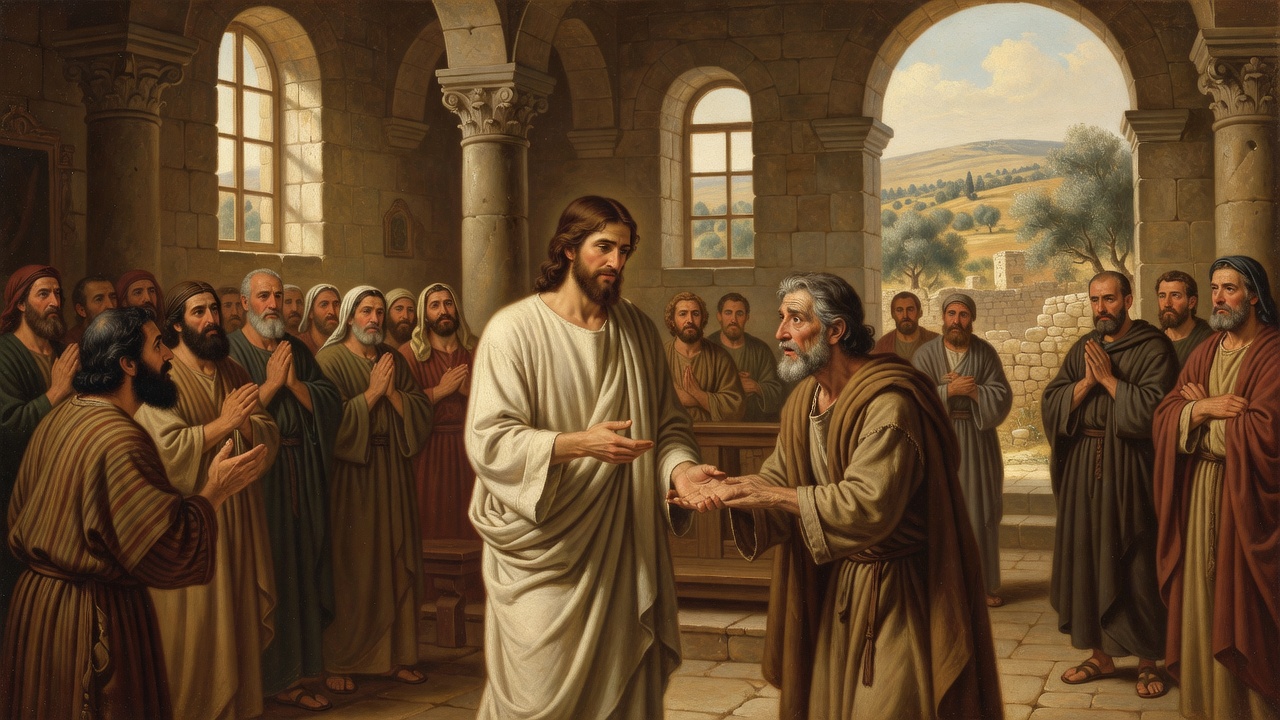
Did you know?
Lord of the Sabbath and Signs of the Kingdom
- When challenged by the Pharisees for plucking grain on the Sabbath, Jesus cited the Old Testament account of David eating the consecrated bread when he was hungry. He argued that human need and doing good take precedence over ritual regulations, declaring himself Lord of the Sabbath.Sources: the Bible text itself · David
- After casting out a demon from a blind and mute man, Jesus was accused of operating through Beelzebul, the prince of demons. Jesus rejected the charge, explaining that a divided kingdom or household cannot stand and that casting out demons by the Spirit of God demonstrates the arrival of God's kingdom.Sources: the Bible text itself · Satan
- In response to requests for a miraculous sign, Jesus pointed to the prophet Jonah, comparing Jonah's three days in the fish's belly to his own impending death and burial. He warned that the citizens of Nineveh and the Queen of the South would judge his generation because they responded to Jonah and Solomon, whereas someone greater was now present.Sources: the Bible text itself · Jonah · Nineveh · Solomon
Notes written with AI assistance from open sources (Theographic Bible Metadata, CC BY-SA 4.0; Easton’s Bible Dictionary, public domain) and reviewed before publishing.
Places in this chapter
Only places identified with high confidence are shown (90% or more according to the scholarly sources compiled by OpenBible). Period map: DARE (Digital Atlas of the Roman Empire), CC BY 4.0; modern map: © OpenStreetMap contributors; places: OpenBible.info (CC BY 4.0).
Credits and license for this translation
Sahidica - طبعة جديدة من العهد الجديد باللغة القبطية الصعيدية
Sahidica - A New Edition of the New Testament in Sahidic Coptic
copyright © 2000-2006 J Warren Wells
Language: ⲘⲉⲧⲢⲉⲙ̀ⲛⲭⲏⲙⲓ (Coptic)
Dialect: Sahidic
Translation by: J Warren Wells
Coptic: Sahidic NT "Sahidica - A New Edition of the New Testament in Sahidic Coptic"
Copyright (c)2000-2006 by J Warren Wells. All rights reserved.
For more information visit www.sahidica.org .
This edition is available free of charge for use in free electronic
editions of the New Testament as long as the full title and copyright
information are included and credited. For written permission to use
all or any part of this document in print editions, contact the editor
at www.sahidica.org .
This edition is primarily meant for use by teachers and students of
Sahidic Coptic, and to a lesser degree by Coptologists involved in
scholarly research, textual criticism, or New Testament translation.
PURPOSE
Please note: This text is a work in progress. As such, there
is an ongoing effort to standardize the spelling of words in
the text. Be aware that version updates periodically appear.
The primary purpose is to produce a standardized edition of
the Sahidic NT similar to standard Greek editions.
An additional purpose of this text is to allow side-by-side
comparison with the Greek New Testament. To facilitate this
effort, a new version of the Greek text has been developed,
which is meant to better represent the Greek text upon which
the Sahidic was based. This text is entitled "The New Testament
According to the Egyptian Greek Text" [NTAEG]
This text does not include representation of either accents or
supralinear strokes, since these are used inconsistently in the
original texts. There is also a higher degree of standardization
in spelling and punctuation; like today's standard Greek master
texts, but unlike both the original Sahidic texts, and the PHI
and Coptic Society texts. Moreover, as in standard Greek texts,
instances of the Nomina Sacra have been expanded to their full
forms. This is again a departure from earlier versions of the
Sahidic, including the PHI and Coptic Society texts, which are
Both inconsistent in their usage.
Special thanks to David Brakke of Indiana University Bloomington,
Brigitte Comparini of the Packard Humanities Institute, and
Michael Heiser, Academic Editor, at Logos Research Systems; for
their assistance in making this edition possible.
BASIS
Sahidica was initially based (by permission) on the Coptic New Testament,
which is an electronic publication, which was edited by David Brakke.
(PHI-CD 5.3 dated 7/2/91. Los Altos. Packard Humanities Institute. 1991).
During later development, Sahidica was electronically collated against
the Coptic CD I by the St. Shenouda The Archmandrite Coptic Society.
Los Angeles, CA dated April, 1998.
These two editions were reduced to a raw electronic form, which allowed both
to be compared electronically letter by letter with Sahidica in order to
accurately detect and report every single variation and input error in any
of the texts. Though errors are inevitable, the collators of three seperate
editions are highly unlikely to make the same errors. Therefore, this method
helps to insure the integrity of the Sahidica edition.
Throughout the project, Sahidica was also collated against printed editions
of the following coptic manuscripts, which manuscripts date from the third
century and later.
Matt: Pierpont Morgan Library M-569 collated against Bodmer XIX papyrus
Mark:* PPalau Rib. Inv.Nr.182 collated against Pierpont Morgan Library M-569
Luke: PPalau Rib. Inv.Nr.181 collated against Pierpont Morgan Library M-569
John: PPalau Rib. Inv.Nr.183 collated against Pierpont Morgan Library M-569
Acts: Chester Beatty B (Copt.Ms.814) collated against Berlin P.15926 and British Museum MS Or.7594
Paul: Chester Beatty A (Copt.Ms.813) collated against Pierpont Morgan Library M-570 and M-571
James-Jude:** Pierpont Morgan Library M-572 collated against the Pierpont Morgan Library M-573 and M-601***
Revelation: Berlin MS Or.408 ( British Museum Ms Or.3518) collated against British Museum MS Or.6803
* Note: The longer and shorter endings of Mark are based on Horner; cf Kahle (JTS.1951.p49-57)
** Note: 1st Peter was also collated against the Crosby-Schøyen Ms.193.
*** Note: Portions of James and Jude were reconstructed from M-573, M-601, and four other mss.
Note on Interpolations
The short and long endings of Mark are ommited from the PPalau ms 182, but they do appear in most mss.
To better represent the overall Sahidic tradition, both endings are included, but in double brackets.
The pericope of the adultress (John 7:53-8:11) does not appear in any Sahidic ms. Herein it is omitted.
2014-09-16
Source: http://ebible.org/copshc/ · eBible.org