Matthew 11
Sahidica - طبعة جديدة من العهد الجديد باللغة القبطية الصعيدية · Tap a verse to see its cross-references.
1ⲀⲤϢⲰⲠⲈ ⲆⲈ ⲚⲦⲈⲢⲈ ⲒⲎⲤⲞⲨⲤ ⲞⲨⲰ ⲈϤⲞⲨⲈϨⲤⲀϨⲚⲈ ⲘⲠⲈϤⲘⲚⲦⲤⲚⲞⲞⲨⲤ ⲘⲘⲀⲐⲎⲦⲎⲤ ⲀϤⲠⲰⲰⲚⲈ ⲈⲂⲞⲖ ϨⲘ ⲠⲘⲀ ⲈⲦⲘⲘⲀⲨ ⲈϤϮⲤⲂⲰ ⲀⲨⲰ ⲈϤⲦⲀϢⲈⲞⲈⲒϢ ϨⲢⲀⲒ ϨⲚ ⲚⲈⲨⲠⲞⲖⲒⲤ. 2ⲚⲦⲈⲢⲈϤⲤⲰⲦⲘ ⲆⲈ ⲚϬⲒ ⲒⲰϨⲀⲚⲚⲎⲤ ϨⲢⲀⲒ ϨⲘ ⲠⲈϢⲦⲈⲔⲞ ⲈⲚⲈϨⲂⲎⲨⲈ ⲘⲠⲈⲬⲢⲒⲤⲦⲞⲤ ⲀϤϪⲞⲞⲨ ⲈⲂⲞⲖ ϨⲒⲦⲞⲞⲦⲞⲨ ⲚⲚⲈϤⲘⲀⲐⲎⲦⲎⲤ. 3ⲠⲈϪⲀϤ ⲚⲀⲨ ϪⲈ ⲚⲦⲞⲔ ⲠⲈⲦⲚⲎⲨ ϪⲈ ⲦⲀⲢⲈⲚϬⲰϢⲦ ϨⲎⲦϤ ⲚⲔⲈⲞⲨⲀ. 4ⲀϤⲞⲨⲰϢⲂ ⲆⲈ ⲚϬⲒ ⲒⲎⲤⲞⲨⲤ ⲠⲈϪⲀϤ ⲚⲀⲨ ϪⲈ ⲂⲰⲔ ⲚⲦⲈⲦⲚ ϪⲰ ⲈⲒⲰϨⲀⲚⲚⲎⲤ ⲚⲚⲈⲦⲈⲦⲚⲤⲰⲦⲘ ⲈⲢⲞⲞⲨ ⲘⲚ ⲚⲈⲦⲈⲦⲚⲚⲀⲨ ⲈⲢⲞⲞⲨ. 5ϪⲈ ⲚⲂⲖⲖⲈ ⲚⲀⲨ ⲈⲂⲞⲖ ⲚϬⲀⲖⲈ ⲘⲞⲞϢⲈ ⲚⲈⲦⲤⲞⲂϨ ⲦⲂⲂⲞ ⲚⲀⲖ ⲤⲰⲦⲘ ⲚⲈⲘⲠⲞ ϢⲀϪⲈ ⲚⲈⲦⲘⲞⲞⲨⲦ ⲦⲰⲞⲨⲚ ⲚϨⲎⲔⲈ ⲤⲈⲈⲨⲀⲄⲄⲈⲖⲒⲌⲈ ⲚⲀⲨ. 6ⲀⲨⲰ ⲚⲀⲒⲀⲦϤ ⲘⲠⲈⲦⲈ ⲚϤⲚⲀⲤⲔⲀⲚⲆⲀⲖⲒⲌⲈ ⲀⲚ ϨⲢⲀⲒ ⲚϨⲎⲦ. 7ⲚⲦⲈⲢⲈⲚⲀⲒ ⲆⲈ ⲂⲰⲔ ⲀϤⲀⲢⲬⲈⲒ ⲚϬⲒ ⲒⲎⲤⲞⲨⲤ ⲈϪⲞⲞⲤ ⲚⲘⲘⲎⲎϢⲈ ⲈⲦⲂⲈ ⲒⲰϨⲀⲚⲚⲎⲤ. ϪⲈ ⲚⲦⲀⲦⲈⲦⲚⲈⲒ ⲈⲂⲞⲖ ⲈⲦⲈⲢⲎⲘⲞⲤ ⲈⲚⲀⲨ ⲈⲞⲨ. ⲈⲨⲔⲀϢ ⲈⲢⲈⲠⲦⲎⲨ ⲔⲒⲘ ⲈⲢⲞϤ. 8ⲀⲖⲖⲀ ⲚⲦⲀⲦⲈⲦⲚⲈⲒ ⲈⲂⲞⲖ ⲈⲚⲀⲨ ⲈⲞⲨ. ⲈⲨⲢⲰⲘⲈ ⲈⲢⲈϨⲈⲚϨⲂⲤⲰ ⲈⲨϬⲎⲚ ⲦⲞ ϨⲒⲰⲰϤ. ⲈⲒⲤ ϨⲎⲎⲦⲈ ⲚⲈⲦⲪⲞⲢⲈⲒ ⲚⲚϨⲂⲤⲰ ⲈⲨϬⲎⲚ ⲤⲈϨⲚⲚⲎⲒ ⲚⲚⲢⲢⲰⲞⲨ. 9ⲀⲖⲖⲀ ⲚⲦⲀⲦⲈⲦⲚⲈⲒ ⲈⲂⲞⲖ ⲈⲚⲀⲨ ⲈⲞⲨ ⲈⲨⲠⲢⲞⲪⲎⲦⲎⲤ ⲈϨⲈ ϮϪⲰ ⲘⲘⲞⲤ ⲚⲎⲦⲚ ϪⲈ ⲞⲨϨⲞⲨⲈⲠⲢⲞⲪⲎⲦⲎⲤ ⲠⲈ. 10ⲠⲀⲒ ⲄⲀⲢ ⲠⲈⲦⲤⲎϨ ⲈⲦⲂⲎⲎⲦϤ. ϪⲈ ⲈⲒⲤ ϨⲎⲎⲦⲈ ⲀⲚⲞⲔ ϮⲚⲀⲦⲚⲚⲞⲞⲨ ⲘⲠⲀⲀⲄⲄⲈⲖⲞⲤ ϨⲀⲦⲈⲔϨⲎ. ⲠⲀⲒ ⲈⲦⲚⲀⲤⲞϤⲦⲈ ⲚⲦⲈⲔϨⲒⲎ ⲘⲠⲈⲔⲘⲦⲞ ⲈⲂⲞⲖ. 11ϨⲀⲘⲎⲚ ϮϪⲰ ⲘⲘⲞⲤ ⲚⲎⲦⲚ. ϪⲈ ⲘⲠⲈϤⲦⲰⲞⲨⲚ ϨⲘ ⲠⲈϪⲠⲞ ⲚⲚⲈϨⲒⲞⲘⲈ ⲚϬⲒ ⲠⲈⲦⲞ ⲚⲚⲞϬ ⲈⲒⲰϨⲀⲚⲚⲎⲤ ⲠⲂⲀⲠⲦⲒⲤⲦⲎⲤ. ⲠⲔⲞⲨⲒ ⲆⲈ ⲈⲢⲞϤ ⲞⲨⲚⲞϬ ⲈⲢⲞϤ ⲠⲈ ϨⲚ ⲦⲘⲚⲦⲢⲢⲞ ⲚⲘⲠⲎⲨⲈ. 12ϪⲒⲚⲚⲈϨⲞⲞⲨ ⲆⲈ ⲚⲒⲰϨⲀⲚⲚⲎⲤ ⲠⲂⲀⲠⲦⲒⲤⲦⲎⲤ ϢⲀⲈϨⲢⲀⲒ ⲈⲦⲈⲚⲞⲨ ⲦⲘⲚⲦⲢⲢⲞ ⲚⲘⲠⲎⲨⲈ ⲤⲈϪⲒ ⲘⲘⲞⲤ ⲚϬⲞⲚⲤ. ⲀⲨⲰ ⲚⲢⲈϤϪⲒⲚϬⲞⲚⲤ ⲦⲰⲢⲠ ⲘⲘⲞⲤ. 13ⲚⲈⲠⲢⲞⲪⲎⲦⲎⲤ ⲄⲀⲢ ⲦⲎⲢⲞⲨ ⲀⲨⲰ ⲠⲚⲞⲘⲞⲤ ⲚⲦⲀⲨⲠⲢⲞⲪⲎⲦⲈⲨⲈ ϢⲀⲒⲰϨⲀⲚⲚⲎⲤ. 14ⲀⲨⲰ ⲈϢϪⲈ ⲦⲈⲦⲚⲞⲨⲈϢϪⲒⲦϤ ⲚⲦⲞϤ ⲠⲈ ϨⲎⲖⲈⲒⲀⲤ ⲠⲈⲦⲚⲎⲨ. 15ⲠⲈⲦⲈⲞⲨⲚⲦϤⲘⲀⲀϪⲈ ⲘⲘⲀⲨ ⲈⲤⲰⲦⲘ ⲘⲀⲢⲈϤⲤⲰⲦⲘ. 16ⲦⲈⲒⲄⲈⲚⲈⲀ ⲆⲈ ⲈⲒⲚⲀⲦⲚⲦⲰⲚⲤ ⲈⲚⲒⲘ. ⲈⲤⲦⲚⲦⲰⲚ ⲈϨⲈⲚϢⲎⲢⲈ ϢⲎⲘ ⲈⲨϨⲘⲞⲞⲤ ϨⲚ ⲚⲀⲄⲞⲢⲀ. ⲚⲀⲒ ⲈⲦⲘⲞⲨⲦⲈ ⲈⲚⲈⲨϢⲂⲈⲈⲢ 17ⲈⲨϪⲰ ⲘⲘⲞⲤ ϪⲈ ⲀⲚϪⲰ ⲈⲢⲰⲦⲚ ⲘⲠⲈⲦⲚϬⲞⲤϬⲤ. ⲀⲚⲦⲞⲈⲒⲦ ⲘⲠⲈⲦⲚⲚⲈϨⲠⲈ. 18ⲀϤⲈⲒ ⲄⲀⲢ ⲚϬⲒ ⲒⲰϨⲀⲚⲚⲎⲤ ⲈⲚϤⲞⲨⲰⲘ ⲀⲚ ⲞⲨⲆⲈ ⲚϤⲤⲰ ⲀⲚ. ⲠⲈϪⲀⲨ ϪⲈ ⲞⲨⲚⲞⲨⲆⲀⲒⲘⲰⲚⲒⲞⲚ ϨⲒⲰⲰϤ. 19ⲀϤⲈⲒ ⲚϬⲒ ⲠϢⲎⲢⲈ ⲘⲠⲢⲰⲘⲈ ⲈϤⲞⲨⲰⲘ ⲀⲨⲰ ⲈϤⲤⲰ. ⲠⲈϪⲀⲨ ϪⲈ ⲈⲒⲤⲞⲨⲢⲰⲘⲈ ⲚⲢⲈϤⲞⲨⲰⲘ ⲀⲨⲰ ⲚⲢⲈϤⲤⲈⲎⲢⲠ ⲚϢⲂⲎⲢⲦⲈⲖⲰⲚⲎⲤ ϨⲒⲢⲈϤⲢⲚⲞⲂⲈ . ⲀⲨⲰ ⲀⲤⲦⲘⲀⲒⲞ ⲚϬⲒ ⲦⲤⲞⲪⲒⲀ ⲈⲂⲞⲖ ϨⲚ ⲚⲈⲤϨⲂⲎⲨⲈ. 20ⲦⲞⲦⲈ ⲀϤⲀⲢⲬⲈⲒ ⲚϬⲒ ⲒⲎⲤⲞⲨⲤ ⲚⲚⲞϬⲚⲈϬ ⲚⲘⲠⲞⲖⲒⲤ. ⲚⲀⲒ ⲚⲦⲀⲠⲈϨⲞⲨⲞ ⲚⲚⲈϤϬⲞⲘ ϢⲰⲠⲈ ϨⲢⲀⲒ ⲚϨⲎⲦⲞⲨ ϪⲈ ⲘⲠⲞⲨⲘⲈⲦⲀⲚⲞⲒ. 21ϪⲈ ⲞⲨⲞⲒ ⲚⲎ ⲬⲞⲢⲀⲌⲈⲒⲚ. ⲞⲨⲞⲒ ⲚⲎ ⲂⲎⲆⲤⲀⲒⲆⲀ. ϪⲈ ⲈⲚⲈⲚⲦⲀⲚϬⲞⲘ ⲚⲦⲀⲨϢⲰⲠⲈ ⲚϨⲎⲦⲦⲎⲨⲦⲚ ϢⲰⲠⲈ ϨⲚ ⲦⲨⲢⲞⲤ ⲘⲚ ⲤⲒⲆⲰⲚ ⲈϢϪⲈ ⲀⲨⲘⲈⲦⲀⲚⲞⲈⲒ ϨⲚ ⲞⲨϬⲞⲞⲨⲚⲈ ⲘⲚⲞⲨⲔⲢⲘⲈⲤ. 22ⲠⲖⲎⲚ ϮϪⲰ ⲘⲘⲞⲤ ⲚⲎⲦⲚ. ϪⲈ ⲞⲨⲚ ⲞⲨⲘⲦⲞⲚ ⲚⲀϢⲰⲠⲈ ⲚⲦⲨⲢⲞⲤ ⲘⲚ ⲤⲒⲆⲰⲚ ⲘⲠⲈϨⲞⲞⲨ ⲚⲦⲈⲔⲢⲒⲤⲒⲤ ⲈϨⲞⲨⲈⲈⲢⲰⲦⲚ. 23ⲚⲦⲞ ϨⲰⲰⲦⲈ ⲔⲀⲪⲀⲢⲚⲀⲞⲨⲘ ⲘⲎ ⲦⲈⲚⲀϪⲒⲤⲈ ϢⲀ ⲈϨⲢⲀⲒ ⲈⲦⲠⲈ. ⲦⲈⲚⲀⲂⲰⲔ ⲈⲠⲈⲤⲎⲦ ϢⲀⲀⲘⲚⲦⲈ ϪⲈ ⲈⲚⲈⲚⲦⲀⲚϬⲞⲘ ⲚⲦⲀⲨϢⲰⲠⲈ ϨⲢⲀⲒ ⲚϨⲎⲦⲈ ϢⲰⲠⲈ ϨⲚ ⲤⲞⲆⲞⲘⲀ ⲘⲚ ⲄⲞⲘⲞⲢⲢⲀ ⲚⲈⲨⲚⲀϬⲰ ⲠⲈ ϢⲀⲠⲞⲞⲨ ⲚϨⲞⲞⲨ. 24ⲠⲖⲎⲚ ϮϪⲰ ⲘⲘⲞⲤ ⲚⲎⲦⲚ. ϪⲈ ⲞⲨⲚⲞⲨⲘⲦⲞⲚ ⲚⲀϢⲰⲠⲈ ⲘⲠⲔⲀϨ ⲚⲤⲞⲆⲞⲘⲀ ⲘⲚ ⲄⲞⲘⲞⲢⲢⲀ ⲘⲠⲈϨⲞⲞⲨ ⲚⲦⲈⲔⲢⲒⲤⲒⲤ ⲈϨⲞⲨⲈⲈⲢⲞ. 25ϨⲘⲠⲈⲨⲞⲈⲒϢ ⲈⲦⲘⲘⲀⲨ ⲀϤⲞⲨⲰϢⲂ ⲚϬⲒ ⲒⲎⲤⲞⲨⲤ ⲈϤϪⲰ ⲘⲘⲞⲤ ϪⲈ ϮⲈⲜⲞⲘⲞⲖⲞⲄⲈⲒ ⲚⲀⲔ ⲠⲀⲈⲒⲰⲦ ⲠϪⲞⲈⲒⲤ ⲚⲦⲠⲈ ⲘⲚ ⲠⲔⲀϨ. ϪⲈ ⲚⲀⲒ ⲀⲔϨⲞⲠⲞⲨ ⲈⲚⲤⲞⲪⲞⲤ ⲘⲚ ⲚⲤⲀⲂⲈⲈⲨ ⲀⲔϬⲞⲖⲠⲞⲨ ⲆⲈ ⲈⲂⲞⲖ ⲚⲚϢⲎⲢⲈ ϢⲎⲘ. 26ⲀϨⲈ ⲠⲀⲈⲒⲰⲦ ϪⲈ ⲚⲦⲀⲤⲢⲀⲚⲀⲔ ⲚⲦⲈⲒϨⲈ ⲘⲠⲈⲔⲘⲦⲞ ⲈⲂⲞⲖ. 27ⲀⲨϮ ⲚⲀⲒ ⲘⲠⲦⲎⲢϤ ⲈⲂⲞⲖ ϨⲒⲦⲞⲞⲦϤ ⲘⲠⲀⲈⲒⲰⲦ ⲀⲨⲰ ⲘⲚ ⲖⲀⲀⲨ ⲤⲞⲞⲨⲚ ⲘⲠϢⲎⲢⲈ ⲈⲒ ⲘⲎⲦⲒ ⲠⲈⲒⲰⲦ ⲞⲨⲆⲈ ⲘⲚ ⲖⲀⲀⲨ ⲤⲞⲞⲨⲚ ⲘⲠⲈⲒⲰⲦ ⲈⲒⲘⲎⲦⲒ ⲠϢⲎⲢⲈ ⲘⲚ ⲠⲈⲦⲈⲢⲈⲠϢⲎⲢⲈ ⲚⲀⲞⲨⲰϢ ⲈⲞⲨⲰϢ ⲈⲨⲰⲚϨ ⲚⲀϤ ⲈⲂⲞⲖ. 28ⲀⲘⲎⲒⲦⲚ ϢⲀⲢⲞⲒ ⲞⲨⲞⲚ ⲚⲒⲘ ⲈⲦϨⲞⲤⲈ ⲀⲨⲰ ⲈⲦⲞⲦⲠ. ⲀⲨⲰ ⲀⲚⲞⲔ ϮⲚⲀϮⲘⲦⲞⲚ ⲚⲎⲦⲚ. 29ϤⲒ ⲘⲠⲀⲚⲀϨⲂ ⲈϨⲢⲀⲒ ⲈϪⲚ ⲦⲎⲨⲦⲚ. ⲚⲦⲈⲦⲚ ⲈⲒⲘⲈ ⲈⲂⲞⲖ ⲚϨⲎⲦ ϪⲈ ⲀⲚⲄⲞⲨⲢⲘⲢⲀϢ ⲀⲨⲰ ϮⲐⲂⲂⲒⲎⲨ ϨⲘ ⲠⲀϨⲎⲦ. ⲦⲀⲢⲈⲦⲈⲦⲚϨⲈ ⲈⲨⲘⲦⲞⲚ ⲚⲚⲈⲮⲨⲬⲎ. 30ⲠⲀⲚⲀϨⲂ ⲄⲀⲢ ⲚⲀϨⲖⲰϬϤ ⲀⲨⲰ ⲤⲀⲤⲰⲞⲨ ⲚϬⲒ ⲦⲀⲈⲦⲠⲰ.
Did you know?
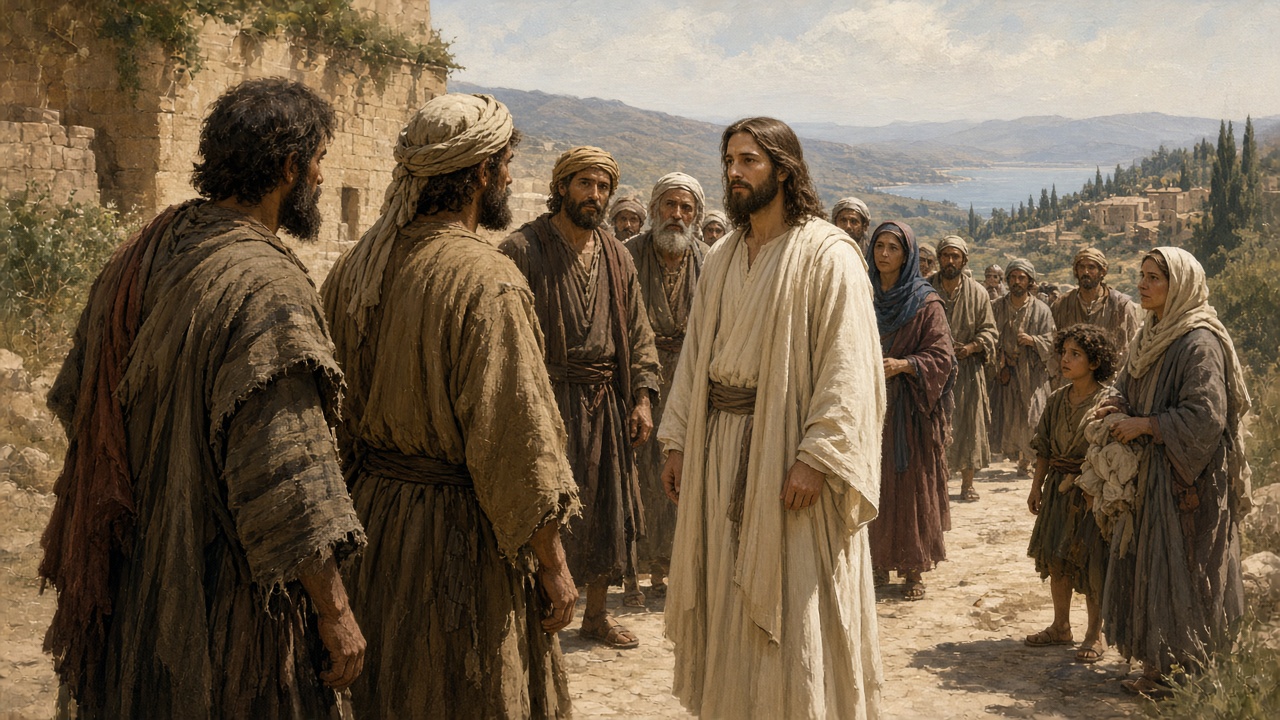
John's question and the cities that did not repent
- From prison, John sent his disciples to ask whether Jesus was the one who was to come. Jesus told the crowds that John was more than a prophet—the messenger sent ahead to prepare the way—and, if they were willing to accept it, the Elijah who was to come. A Bible dictionary calls John the forerunner and says his mission was already the subject of prophecy, citing Isaiah 40:3 and Malachi 3:1; it also introduces Elijah as the Elias of the New Testament.Sources: the Bible text itself · John the Baptist · Elijah
- Jesus then denounced Chorazin, Bethsaida, and Capernaum, where most of his miracles had been performed, because they did not repent. A dictionary identifies Chorazin with modern Kerazeh, about two and a half miles up the Wady Kerazeh from Capernaum, and says that Capernaum, absent from the Old Testament, became Jesus' own city after he left Nazareth. It places Bethsaida on the east side of the lake, two miles up the Jordan in Gaulonitis, enlarged by Philip the tetrarch and named Julias after the emperor's daughter, though some have supposed there was only one Bethsaida, near where the Jordan enters the lake.Sources: the Bible text itself · Chorazin · Capernaum · Bethsaida
- He set those cities against Tyre and Sidon, which he said would have repented long ago in sackcloth and ashes, and against Sodom, which he said would have remained to this day. Sidon, on the Mediterranean coast about twenty-five miles north of Tyre, was the oldest Phoenician city there and the mother city of Tyre. A dictionary says the commerce of the whole world was gathered into Tyre's warehouses, and that Sodom, in the vale of Siddim, was destroyed by fire from heaven so completely that no trace of it has been found.Sources: the Bible text itself · Sidon · Tyre · Sodom
Notes written with AI assistance from open sources (Theographic Bible Metadata, CC BY-SA 4.0; Easton’s Bible Dictionary, public domain) and reviewed before publishing.
Places in this chapter
- Galilee · 32.760, 35.527 · verse 1
- Sidon · Today: Sandikli archaeological site in Sidon · 33.561, 35.372 · verses 21, 22
- Tyre · 33.271, 35.196 · verses 21, 22
Only places identified with high confidence are shown (90% or more according to the scholarly sources compiled by OpenBible). Period map: DARE (Digital Atlas of the Roman Empire), CC BY 4.0; modern map: © OpenStreetMap contributors; places: OpenBible.info (CC BY 4.0).
Credits and license for this translation
Sahidica - طبعة جديدة من العهد الجديد باللغة القبطية الصعيدية
Sahidica - A New Edition of the New Testament in Sahidic Coptic
copyright © 2000-2006 J Warren Wells
Language: ⲘⲉⲧⲢⲉⲙ̀ⲛⲭⲏⲙⲓ (Coptic)
Dialect: Sahidic
Translation by: J Warren Wells
Coptic: Sahidic NT "Sahidica - A New Edition of the New Testament in Sahidic Coptic"
Copyright (c)2000-2006 by J Warren Wells. All rights reserved.
For more information visit www.sahidica.org .
This edition is available free of charge for use in free electronic
editions of the New Testament as long as the full title and copyright
information are included and credited. For written permission to use
all or any part of this document in print editions, contact the editor
at www.sahidica.org .
This edition is primarily meant for use by teachers and students of
Sahidic Coptic, and to a lesser degree by Coptologists involved in
scholarly research, textual criticism, or New Testament translation.
PURPOSE
Please note: This text is a work in progress. As such, there
is an ongoing effort to standardize the spelling of words in
the text. Be aware that version updates periodically appear.
The primary purpose is to produce a standardized edition of
the Sahidic NT similar to standard Greek editions.
An additional purpose of this text is to allow side-by-side
comparison with the Greek New Testament. To facilitate this
effort, a new version of the Greek text has been developed,
which is meant to better represent the Greek text upon which
the Sahidic was based. This text is entitled "The New Testament
According to the Egyptian Greek Text" [NTAEG]
This text does not include representation of either accents or
supralinear strokes, since these are used inconsistently in the
original texts. There is also a higher degree of standardization
in spelling and punctuation; like today's standard Greek master
texts, but unlike both the original Sahidic texts, and the PHI
and Coptic Society texts. Moreover, as in standard Greek texts,
instances of the Nomina Sacra have been expanded to their full
forms. This is again a departure from earlier versions of the
Sahidic, including the PHI and Coptic Society texts, which are
Both inconsistent in their usage.
Special thanks to David Brakke of Indiana University Bloomington,
Brigitte Comparini of the Packard Humanities Institute, and
Michael Heiser, Academic Editor, at Logos Research Systems; for
their assistance in making this edition possible.
BASIS
Sahidica was initially based (by permission) on the Coptic New Testament,
which is an electronic publication, which was edited by David Brakke.
(PHI-CD 5.3 dated 7/2/91. Los Altos. Packard Humanities Institute. 1991).
During later development, Sahidica was electronically collated against
the Coptic CD I by the St. Shenouda The Archmandrite Coptic Society.
Los Angeles, CA dated April, 1998.
These two editions were reduced to a raw electronic form, which allowed both
to be compared electronically letter by letter with Sahidica in order to
accurately detect and report every single variation and input error in any
of the texts. Though errors are inevitable, the collators of three seperate
editions are highly unlikely to make the same errors. Therefore, this method
helps to insure the integrity of the Sahidica edition.
Throughout the project, Sahidica was also collated against printed editions
of the following coptic manuscripts, which manuscripts date from the third
century and later.
Matt: Pierpont Morgan Library M-569 collated against Bodmer XIX papyrus
Mark:* PPalau Rib. Inv.Nr.182 collated against Pierpont Morgan Library M-569
Luke: PPalau Rib. Inv.Nr.181 collated against Pierpont Morgan Library M-569
John: PPalau Rib. Inv.Nr.183 collated against Pierpont Morgan Library M-569
Acts: Chester Beatty B (Copt.Ms.814) collated against Berlin P.15926 and British Museum MS Or.7594
Paul: Chester Beatty A (Copt.Ms.813) collated against Pierpont Morgan Library M-570 and M-571
James-Jude:** Pierpont Morgan Library M-572 collated against the Pierpont Morgan Library M-573 and M-601***
Revelation: Berlin MS Or.408 ( British Museum Ms Or.3518) collated against British Museum MS Or.6803
* Note: The longer and shorter endings of Mark are based on Horner; cf Kahle (JTS.1951.p49-57)
** Note: 1st Peter was also collated against the Crosby-Schøyen Ms.193.
*** Note: Portions of James and Jude were reconstructed from M-573, M-601, and four other mss.
Note on Interpolations
The short and long endings of Mark are ommited from the PPalau ms 182, but they do appear in most mss.
To better represent the overall Sahidic tradition, both endings are included, but in double brackets.
The pericope of the adultress (John 7:53-8:11) does not appear in any Sahidic ms. Herein it is omitted.
2014-09-16
Source: http://ebible.org/copshc/ · eBible.org