Hebrews 11
Diiloŋ-nelma Tobisĩfɛlɛnni · Tap a verse to see its cross-references.
Nagãhaaleŋ-maama
1A haa ŋ naŋga‑i Diiloŋo-na ku yuŋgu yaa wuɔ niŋ hĩŋ kumaŋ taaluŋgu‑i, ŋ suyaa wuɔ ŋ ka da-ku, ku bi pigãaŋ wuɔ niŋ'a ŋ sa da kumaŋ baa ŋ yufelle, ŋ suyaa wuɔ kuu dii. 2Yiinataamba naa haa ba naŋga Diiloŋo-na ku'i ciɛ Diiloŋo gbɛliɛŋ-ba.
3I haa i naŋga Diiloŋo-na ku'i ciɛ i suɔ wuɔ Diiloŋo hielaa miwaaŋo‑i baa u nuŋ-ãndaaŋgu yoŋ, a ce dumaaŋo-na iŋ daŋ nimaŋ hiere baa i yufieŋa‑i ni hilaa iŋ'a i sa da kumaŋ baa i yufieŋa yaa nuɔ‑i.
4Abɛl naa haa u naŋga Diiloŋo-na ku'i ciɛ u pã bĩŋkũfafaaŋgu hã Diiloŋo‑i a yaŋ Kayine‑i. Uŋ ŋa naa haa u naŋga Diiloŋo-na, ku'i ciɛ Diiloŋo gbɛliɛŋ-yo wuɔ u vii aa cira u niipãnni dɔlaanu-yuɔ. Abɛlŋ haa u naŋga‑i Diiloŋo-na, uŋ fiɛ ku, u nelma dii-ye hũmefafalle-na yogo.
5Enɔki naa haa u naŋga Diiloŋo-na ku'i ciɛ Diiloŋo biɛ-yo ka jĩna u caaŋ-nu u saa yaŋ u ku. Ba juɔ'a ba ne naa-yo; moloŋ yufelle saa ji tiraa haa-yuɔ. Aa u suɔ duɔ ta, Diiloŋo naa waŋ-ma wuɔ u kũŋgu dɔlaanu-yuɔ. 6Da ŋ saa haa ŋ naŋga‑i Diiloŋo-na, ku siɛ gbãa dɔlnu-yuɔ baa-ni. Umaŋ piyaaŋ Diiloŋo‑i, u saaya u hũu-ma wuɔ Diiloŋo dii, aa u pã bamaŋ taaraayaŋ-yuɔ.
7*Nowe naa haa u naŋga Diiloŋo-na ku'i ciɛ Diiloŋ uŋ gbuɔya-yuɔ baa mamaŋ, u hũu-ma a ne da ma saa naa hi ce yogo. U nuɔ Diiloŋo nuŋgu‑i aa ce begubuɔ‑i a suur baa u dumɛlleŋ-baamba‑i hiere hũmma saa da wuo-ba. Uŋ ciɛ mafamma‑i u pigãaŋ wuɔ mamaŋ daa banamba‑i ba'i taaraaya-mɛi. Aa uŋ haa u naŋga Diiloŋo-na ku'i ciɛ u ce nelviiŋo Diiloŋo wulaa.
8*Abiramu naa haa u naŋga Diiloŋo-na ku'i ciɛ u nu u nuŋgu‑i aa hũu-ma hel ba nelle-na ta tuɔ kã Diiloŋ uŋ pãa nuŋgu‑i baa-yo wuɔ u ka hã-yo nelle maŋ; a ne da u saa tuɔ suɔ di saaŋgu. 9Uu naa haa u naŋga Diiloŋo-na ku'i ciɛ uŋ pãa nuŋgu‑i wuɔ u ka hã-yo nelle maŋ u kã ka tĩɛna-diɛ ŋaa nerieŋo tuɔ cɔ kompadũŋ-nu. *Isaki‑i baa *Yakɔbu‑i, ba bi waa kompadũnni yaa nuɔ‑i aa nuduɔŋgu yaa bi pãa baa bafamba‑i. 10Diiloŋ uŋ fuu nelle maŋ aa ma-de u fɛrɛ, dũnni yiɛraaya dɛi, Abiramu yufelle waa di yaa nuɔ‑i.
11Sara waa cɛnyɛiŋo, ŋga uu naa bi haa u naŋga Diiloŋo-na ku'i ciɛ u gbãa duɔ da biloŋo; ŋ siɛ suɔ wuɔ uu naa cor bilodalle‑i gbuu maa. Uu naa suɔ wuɔ umaŋ pãa nuŋgu‑i baa-yo wuɔ u ka da biloŋo u siɛ gbãa tãal-o, ku'i ciɛ ma bi dɔl-o. 12Ku ciɛ dumɛi bibiɛŋo diei hoŋ a dii hĩɛma yu a ne da uu naa tuɔ yii baa u yuŋgu. U huoŋgu ciinu ŋaa niŋ daa mɔɛŋa‑i dumaa dɔrɔ‑i-na; molo siɛ gbãa kãŋ-ku.
13Bamaŋ bafamba‑i daaba‑i hiere, ba haa ba naŋga Diiloŋo-na ji ku. Diiloŋ uŋ pãa nuŋgu maŋ, ba saa hi-ku; ŋga ba faara da-ku yaa‑i a ce ba hɔmmu gbuu fɛ̃ baa-ku. Bafamba fɛrɛ waaŋ-ma wuɔ bafamba‑i hũncortaamba, bafamba muntĩɛnammu sĩ hĩɛma‑i. 14Bamaŋ piiyeŋ dumaaŋo-na, ku pigãaŋ wuɔ ba taara ba nelle. 15Baŋ hilaa dimaŋ nuɔ‑i, kuɔ di kũɔma naa bel-ba, baa naa gbãa bir kã-diɛ. 16Ŋga ba taa ba taara dimaŋ faa yaŋ difande‑i. Ba taa ba taara dɔrnelle. Ku'i ciɛ Diiloŋo siɛ ba ta ba bĩ-yo ba Diiloŋo. Na saa da, u migãaŋ terieŋgu hã-ba u nelle-na.
17Abiramu naa haa u naŋga Diiloŋo-na ku'i ciɛ Diiloŋ uŋ fiɛ ce-yo ne wuɔ u pã Isaki‑i hã-yo, u saa yagar. U siyaa duɔ pã u bɛduɔla‑i hã Diiloŋo‑i. 18A ne da Diiloŋo naa pã nuŋgu baa-yo wuɔ: «Isaki yaa ka hã-ni huoŋgu.» 19Abiramu naa suɔ wuɔ Isaki duɔ fiɛ ku, Diiloŋo ka gbãa sire-yuɔ, ku'i ciɛ Diiloŋo bir u biɛŋo‑i hã-yo. Nel daama ciɛ ãntigãama.
20Isaki naa bi haa u naŋga Diiloŋo-na ku'i ciɛ u cãrã-yuɔ hã Yakɔbu‑i baa Esawu‑i ba bisĩnuɔ maama-na. 21Yakɔbu naa haa u naŋga Diiloŋo-na ku'i ciɛ uŋ juɔ tuɔ yii duɔ ku u cãrã-yuɔ hã Yosɛfu bɛpuɔmba‑i ba yunniŋ aa yiiye u bũɔle‑i a dũuna jaal Diiloŋo‑i.
22Yosɛfu naa haa u naŋga Diiloŋo-na ku'i ciɛ uŋ juɔ piɛ kuliiŋgu huɔŋgu maŋ nuɔ‑i, u waŋ-ma wuɔ *Isirahɛl-baamba ka hel Esipi‑i-na aa pigãaŋ baŋ saaya ba ce kumaŋ baa u kogonni‑i.
23*Moisi bĩncuɔmba naa haa ba naŋga Diiloŋo-na ku'i ciɛ baŋ huɔŋ-yo ba fuo-yo u ce caamba siɛi. Baa naa da u faa cor a ce ba saa kãŋ jãmatigi ãndaaŋgu‑i.
24Moisi naa haa u naŋga Diiloŋo-na ku'i ciɛ u yaaŋgaŋ juɔ cã u yagar wuɔ ba baa bĩ-yo jãmatigi hãayɛ̃lŋo. 25U niɛ fiisaaŋgu‑i aa yaŋ-ku; wuɔ fiisaaŋgu maŋ baŋ ceŋ-kuŋ ãmbabalma hɔlma-na ku sa cɔ; aa hĩrã u kũɔma‑i ka mulĩɛŋ baa Diiloŋ-baamba‑i. 26Uu naa ne da da ŋ hĩrã tuosĩnni‑i *Koŋkortieŋo maŋ ka jo u temma‑i, kuu dii baa yuŋgu a yaŋ wɛisĩnni‑i hiere Esipi‑i-na. U taa u fara u ne Diiloŋ uŋ ka pã-yo baa kumaŋ.
27Moisi naa haa u naŋga Diiloŋo-na ku'i ciɛ u hel Esipi‑i-na u saa kãŋ jãmatigi hɔdulle‑i. U nyaarãa ŋaa u da Diiloŋo‑i baa u yufelle. 28Uu naa haa u naŋga Diiloŋo-na ku'i ciɛ u ce *kɔrsĩnni tĩmmaŋ-ponsaaŋgu‑i. U ciɛ Isirahɛl-baamba hure tãmma ba dumiɛŋ-yammu-na wuɔ *dɔrpɔpuɔrbiloŋo maŋ kuɔŋ nuɔmba‑i duɔ ji tuɔ cor, u baa ko Isirahɛl-baamba bɛpuɔmba‑i.
29Isirahɛl-baamba naa haa ba naŋga Diiloŋo-na ku'i ciɛ hũmma taal sɔmma hãi dãmmaŋ-nuoradãama‑i-na aa ba wuɔ cor terkuraaŋ-nu. Esipitaaŋ ba'a ba niya-bɛi ce ba temma‑i hũmma wuo-ba.
30Isirahɛl-baamba naa haa ba naŋga Diiloŋo-na ku'i ciɛ ba nu u nuŋgu‑i aa wuɔ cĩilã Yeriko‑i yinni niediei. Niehãi yiiŋgu-na nelle-koko wuɔ cii.
31Araabu maŋ waa saasorciɛŋo‑i uu naa haa u naŋga Diiloŋo-na ku'i ciɛ u har Isirahɛl-baamba maŋ naa juɔ da ba ji cuo ne nelle‑i, a ce dumaaŋo-na ba saa ko-yo baa bamaŋ saa ta ba nu Diiloŋo nuŋgu‑i.
32Mi tiraa waŋ wuɔ niɛ? Mi siɛ da mi fɛrɛ a piiye Sedeɔ̃ maama‑i, baa Baraku maama‑i, baa Samusɔ̃ maama‑i, baa Yefite maama‑i, baa *Davidi maama‑i, baa *Samiɛl maama‑i a naara *Diilopɔpuɔrbiemba bi maama‑i. 33Baŋ haa ba naŋga Diiloŋo-na, ba ciɛ bɛrru‑i a hũu jãmalãbaa bɔi. Ba wuɔyaa hũmelle aa Diiloŋ uŋ pãa nuŋgu maŋ baa-ba, ba daa-ku. Ba suuye jarbaa-ba nunni‑i. 34Ba diyaa-ba dãamu-na ŋga bĩŋkũŋgu saa ce-ba. Ba kuraa jigãŋga-na. Fɔ̃ŋgũɔ saa waa-bɛi, ŋga Diiloŋo diyaa fɔ̃ŋgũɔ bɛi. Ba ciɛ naŋkarbabaa bɛrru-na. Ba duɔnya nilɛiŋa bɔi sorosibaa ba gbar. 35Caamba namba naa haa ba naŋga Diiloŋo-na ku'i ciɛ u sire ba kuomba‑i hã-ba.
Ba muyaa nuɔmba namba ko-ba wuɔ ba ciɛ niɛ ta ba wuɔ Diiloŋ-hũmelle‑i. Kuɔ baa naa cĩina-diɛ baa naa gbãa yaŋ-ba, ŋga ba yagaraa kufaŋgu‑i wuɔ da ba ku, Diiloŋo ka sire-bɛi ba ta ba ce ba bãaŋgu‑i baa-yo. 36Ba bi nyiɛ banamba sũlma aa muo-ba aa vaa banamba dii-ba kaso. 37Ba naaŋ banamba baa tãmpĩɛŋa ko-ba. Ba karaanu banamba sɔmma hãi, aa fɔ̃ banamba baa jigãmmu ko-ba. Muncɔmmu saa waa baa banamba. Kutaamba taa ba wuɔra ba bĩŋ. Ba taa ba hĩ cãani. Bĩŋkũŋgu saa waa baa-ba. Nuɔmba mulãaŋ-ba aa ce-ba sũlma. 38Miwaaŋo saa naa saaya baa-ba. Ba taa ba wuɔra ba bĩŋ hĩɛŋ-nu, tãnni-na aa ta ba cɔ fonniŋ.
39Bamaŋ bafamba‑i daaba‑i hiere, Diiloŋo gbɛlaaŋ-ba wuɔ ba haa ba naŋga yuɔ, a ne da uŋ pãa nuŋgu maŋ, ba saa da-ku. 40Bige‑i ciɛ ba saa da-ku? Diiloŋo niɛ da miɛ diɛ hi i fuoŋgu‑i baa bafamba‑i hiere kuuduɔŋgu aa da-ku, ku yaa bɔyaa. U saa tuɔ taara bafamba da-ku miɛ i yaaŋ-na ku'i ciɛ.
Did you know?
Examples of Faith Throughout History
- Hebrews 11 defines faith as the assurance of things hoped for and conviction regarding things not seen, presenting a chronological survey of figures from Genesis through the era of the prophets.Sources: the Bible text itself
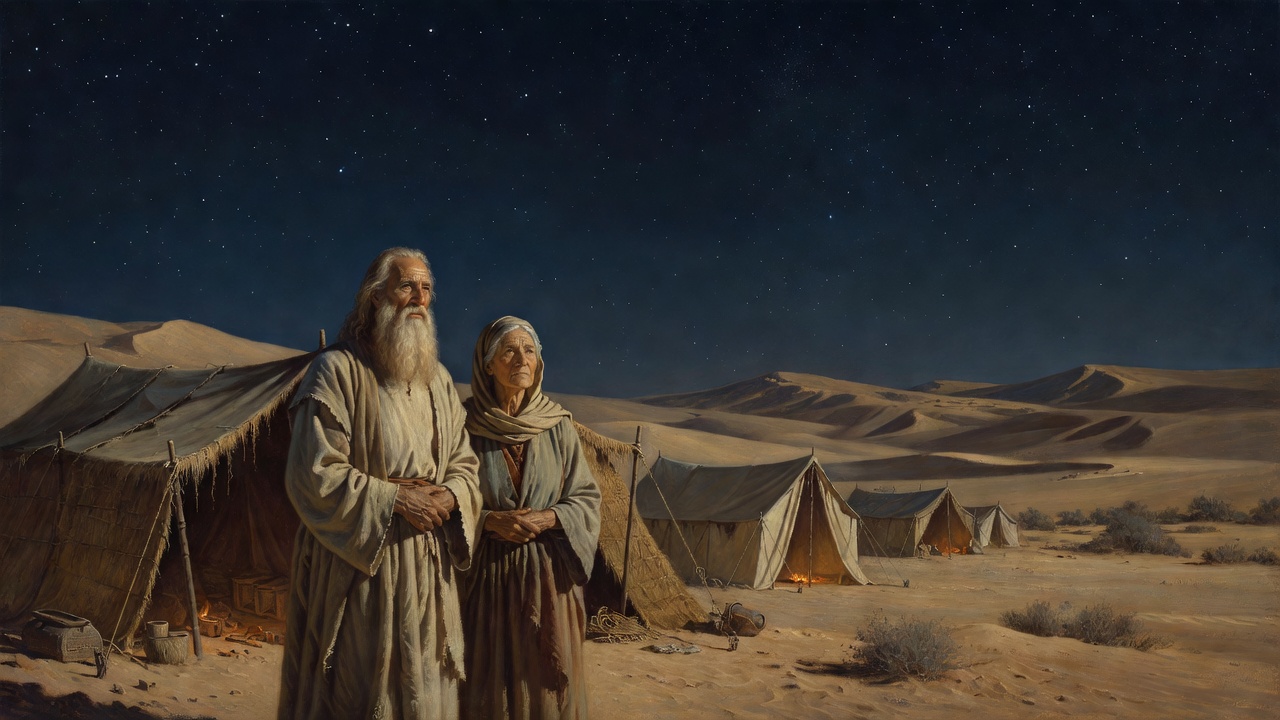
- The chapter highlights Abraham, Isaac, and Jacob dwelling in tents as strangers in the promised land, describing their nomadic lifestyle as an expression of looking forward to a permanent heavenly city.Sources: Abraham · Isaac · Jacob (Israel) · the Bible text itself
- The author traces Israelite history through key turning points, including Moses leaving the court and riches of Egypt, the crossing of the Red Sea, and the collapse of the fortified walls of Jericho.Sources: Egypt · Red Sea · Jericho
Notes written with AI assistance from open sources (Theographic Bible Metadata, CC BY-SA 4.0; Easton’s Bible Dictionary, public domain) and reviewed before publishing.
Places in this chapter
- Egypt · 30.129, 31.308 · verses 22, 26, 27
- Jericho · Today: Tell es Sultan · 31.872, 35.445 · verse 30
Only places identified with high confidence are shown (90% or more according to the scholarly sources compiled by OpenBible). Period map: DARE (Digital Atlas of the Roman Empire), CC BY 4.0; modern map: © OpenStreetMap contributors; places: OpenBible.info (CC BY 4.0).
Credits and license for this translation
Diiloŋ-nelma Tobisĩfɛlɛnni
New Testament in Cerma (UV:cme:Cerma)
copyright © 2011 Wycliffe Bible Translators, Inc.
Language: (Cerma)
Translation by: Wycliffe Bible Translators, Inc.
Copyright Information
© 2011, Wycliffe Bible Translators, Inc. All rights reserved.
This translation text is made available to you under the
terms of the Creative Commons License: Attribution-Noncommercial-No Derivative Works.
( http://creativecommons.org/licenses/by-nc-nd/3.0/ )
In addition, you have permission to port the text to different file formats, as long as you
do not change any of the text or punctuation of the Bible.
You may share, copy, distribute, transmit, and extract portions
or quotations from this work, provided that you include the above copyright
information:
You must give Attribution to the work.
You do not sell this work for a profit.
You do not make any derivative works that change any of the actual words or punctuation of the Scriptures.
Permissions beyond the scope of this license may be
available if you contact
us with your request.
The New Testament
in Cerma
© 2011, Wycliffe Bible Translators, Inc. All rights reserved.
This translation is made available to you under the terms of the
Creative Commons Attribution-Noncommercial-No Derivatives license 4.0.
You may share and redistribute this Bible translation or extracts from it in any format, provided that:
You include the above copyright and source information.
You do not sell this work for a profit.
You do not change any of the words or punctuation of the Scriptures.
Pictures included with Scriptures and other documents on this site are licensed just for use with those Scriptures and documents.
For other uses, please contact the respective copyright owners.
2014-04-23
Source: http://ebible.org/cmeNT/ · eBible.org