Hebrews 10
Diiloŋ-nelma Tobisĩfɛlɛnni · Tap a verse to see its cross-references.
1*Ãnjĩnamma ciɛ ta ma pigãaŋ bisĩŋ ku fafaaŋgu yalle yaa yoŋ; ŋga ma'i sĩ fafaaŋgu faŋgu fɛrɛ‑i. A ce dumaaŋo-na, bamaŋ kuraaŋ Diiloŋo‑i baa tãmmaŋ-niini‑i bieŋaŋ joŋ, tãmmaŋ-niini fanni cɛraa ni gbãa migãaŋ-ba ba hi ba fuoŋgu‑i Diiloŋo yufelle-na. 2Kuɔ nii na'a ni ka gbãa, nii naa pir ba cãlmuɔ‑i bɛi i diei gbula aa ba siɛ tiraa nunu-yuɔ. A ce dumaaŋo-na dii yiinaa baa naa hiel ba naŋga buolma-na. 3Na saa da, belle belle, buolŋ daama ce nuɔmba ãmbabalma maama ta ma tĩɛnu-bɛi. 4Hama‑i nuɔ‑i? Balŋ-tãmma‑i baa kaagbolaaŋ-tãmma siɛ gbãa pir nɛliɛŋo ãmbabalma‑i halaŋ-ma u yuŋgu-na. 5Ku'i ciɛ Kirsaŋ taa u jo hĩɛma-na, u gbɛ̃ Diiloŋo‑i wuɔ:
«Ŋ ciɛra ŋ sa taara tãmmaŋ-kũŋgu baa bĩŋkũpãŋgu.
Ŋga ŋ hãa-mi kũɔma mi da mi bir-ma hã-ni.
6Baŋ koŋ tãmmaŋ-niini maŋ aa kukul-ni, ni maama sa dɔlnu-niɛ,
ãmbabalmaŋ-tãmmaŋ-kũŋgu‑i maaduɔma.
7Ku'i ciɛ mi cira:
Diilo, muɔmɛi daami!
Mi juɔ da mi ji ce niŋ taaraŋ kumaŋ,
ŋaa maŋ nyɛgãaŋ dumaa mi kũŋgu-na Diiloŋ-nelma-na.»
8Uŋ puurii u nuŋgu‑i, neldĩɛlãmma maŋ juɔ, ma yaa daama: «Ŋ ciɛra ŋ sa taara tãmmaŋ-kũŋgu baa bĩŋkũpãŋgu, ŋ sa taara baŋ koŋ tãmmaŋ-niini maŋ aa kukul-ni, ŋ sa bi taara ãmbabalmaŋ-niini‑i, kɛrɛ ni sa dɔlnu-niɛ.» A ne da ãnjĩnamma yaa juɔ baa niipãŋ daani‑i hiere.
9Aa tiraa cira: «Muɔmɛi daami, mi juɔ da mi ji ce niŋ taaraŋ kumaŋ.»
Ku pigãaŋ wuɔ u huraa ãncencɔlɔmma‑i baa maafɛlɛmma. 10Diiloŋ uŋ taa u taara kumaŋ, Yesu-Kirsa ciɛ ku yaa‑i. U pãa u fɛrɛ i diei yoŋ gbula tãmmaŋ-kũŋ temma, a pir i ãmbabalma‑i.
11Yinni maŋ joŋ Diilojigãntaamba kã ba ce ba maacemma‑i. Ba hinu ba kor Diiloŋo‑i korduɔŋ daama yaa‑i baa tãmmaŋ-niini, a ne da tãmmaŋ-niini cɛraa ni gbãa pir nɛliɛŋ ãmbabalma. 12Ŋga *Kirsa pãa u fɛrɛ i diei yoŋ a pir nuɔmba ãmbabalma‑i aa kã ka tĩɛna Diiloŋo caaŋ-nu gbula 13tuɔ cie Diiloŋo duɔ mal u bigãarãamba‑i hã u ce u bãaŋgu‑i bɛi. 14A ce dumaaŋo-na, uŋ pirii bamaŋ ãmbabalma‑i, u pãa u fɛrɛ‑i diei yoŋ a migãaŋ-ba ba hi ba fuoŋgu‑i gbula. 15*Diiloŋ-Yalle bi waaŋ ma yaa‑i wuɔ:
16«Itieŋo ciɛra:
‹Miŋ ka bel *tobisĩnni maŋ baa-ba bieŋa maŋ juɔŋ,
mi ka dii mi ãnjĩnamma‑i ba hɔmmu-na,
mi ka nyɛgɛ̃ŋ-ma ba kusũnni-na.›»
17Aa tiraa cira:
«Mi ka hiel ba ãmbabalma‑i mi huɔŋga-na
baa ba cãlmuɔ‑i hiere.»
18Da kuɔ Diiloŋo hielaa i ãmbabalma‑i u huɔŋga-na, yuŋ haku‑i dii ŋ ka tiraa pã kuupãŋgu da ŋ hur-ma?
Yaaŋ i piɛ Diiloŋo‑i baa huɔŋga diei
19Terieŋgu faŋgu-na, tobiŋ namaa, Yesu tãmma ciɛ i suɔ wuɔ i ka gbãa tiɛ suur Diilodubiloŋo-na. 20U pãa u fɛrɛ tãmmaŋ-kũŋ temma, a taalnu kompaŋga maŋ waa Diilodubiloŋo dumɛlle yaaŋga-na a puure hũmefɛlɛnde hã-ye. Hũmelle fande yaa cicɛ̃lmaŋ-hũmelle‑i. 21A ce dumaaŋo-na, *Diilojigãntaamba yuntieŋo maŋ dii baa-ye Diiloŋ-dũŋgu yuŋgu-na, u temma si dii. 22Terieŋgu faŋgu-na, i ãmbabalma ãnjɔguɔmaŋ hilaa i hɔmmu-na aa i cɛ koŋ, yaaŋ i piɛ Diiloŋo‑i baa huɔŋga diei aa i gbu i haa i naŋga yuɔ ku haama. 23U sa pã nuŋgu aa ji bir baa huoŋ-ãndaaŋgu, a ce dumaaŋo-na, iŋ faraŋ i ne kumaŋ aa tiɛ waŋ ku maama, yaaŋ i nyaar-kuɔ kpelle. 24Yaaŋ i tiɛ kãyã i-naa i dii sirɛiŋa i-naa nuɔ nelnyulmu cemma-na baa ãnfafamma bi cemma-na. 25Baa na yaŋ i tiɛ bir i tigiimambaa-ba-na ŋaa banambaŋ miɛŋ-kuɔ dumaa. Aa ji tiraa da naŋ daa Itieŋo jomma piɛ ma jo dɛ‑i-na, yaaŋ aa i tiɛ dii sirɛiŋa i-naa nuɔ.
26Na saa da, iŋ suyaa ninsoŋo‑i, diɛ suuye i yufieŋa‑i aa cor tiɛ ce kuubabalaaŋgu‑i, tãmmaŋ-kũŋgu naŋgu si dii kumaŋ gbãa pir i ãmbabalma‑i. 27Diɛ suuye i yufieŋa‑i, kumaŋ tĩyãa ku yaa daaku: I tĩɛna baa hotiele‑i i tiɛ cie gɛ̃ŋgɛryiiŋgu‑i baa dãŋgbɔguɔŋgu maŋ ka wuo Diiloŋo bigãarãamba‑i.
28Umaŋ duɔ cãl *Moisi *ãnjĩnamma‑i, aa nuɔmba hãi sisɔ ba siɛi da-yo aa waŋ-ma, hujarre si dii-kuɔ; ba ko kutieŋo‑i. 29Terieŋgu faŋgu-na, umaŋ duɔ saa dii Diiloŋ-Biɛŋo nuŋgu‑i, umaŋ duɔ saa kãŋ *tobisĩnniŋ-tãmma maŋ pirii u ãmbabalma‑i, umaŋ duɔ tuɔ bĩɛna *Diiloŋ-Yalle yerre‑i, ŋ siɛ suɔ wuɔ di yaa pigãaŋ-yeŋ Diiloŋo hujarre‑i, fuɔ kũŋgu ka waa niɛ? Ku siɛ balaŋ yaŋ umaŋ cãlãa ãnjĩnamma‑i wɛi? 30Umaŋ ciɛra:
«Muɔmɛi ka suu sɔlaaŋgu‑i;
muɔmɛi ka pã nɛliɛŋo nɛliɛŋo baa uŋ ciɛ kumaŋ.»
Ma sĩ i suɔ kutieŋo‑i kɛ? U yaa Diiloŋo‑i. U tiraa cira wuɔ:
«Itieŋo ka ce u baamba ãndaaŋgu‑i.»
31Diiloŋo‑i Cicɛ̃lmantieŋo‑i, u nel da ma bel-ni, hotiele dii-kuɔ dɛ!
32Yaaŋ aa na ne kumaŋ curaa: Naŋ hilaa kukulma-na, ku domma-na mulĩɛŋ hama‑i saa haa-nɛi? Ŋga ma saa gbãa jĩnya-nɛi. 33Na hɔlma-na, ba taa ba tuora banamba aa ce-ba kpãncɔ̃lgũɔ nuɔmba-na. Bamaŋ naa tĩɛ, ba saa nanna baŋ ceŋ bamaŋ kpãncɔ̃lgũɔ‑i; ba taa ba kãyã-bɛi. 34Na siyaa mulĩɛŋ baa kasobiemba‑i aa na bi siyaa ba hũu na nagãŋ-niini‑i ni maama saa jaŋ-na, aa suɔ kerre wuɔ bĩmbĩfafanni nanni dii baa-na a yaŋ baŋ hũyãa nimaŋ aa ni sa ji kã terieŋgu.
35Terieŋgu faŋgu-na, naŋ daa holle maŋ dii ku domma-na, baa na yaŋ di korra-nɛi, ku yaa Diiloŋo ka pã-na bɔi. 36Vaaŋ na fɛrɛ na ta na ce Diiloŋ uŋ taaraŋ kumaŋ a gbãa da na da uŋ pãa nuŋgu maŋ. 37Na saa da, ma nyɛgãaŋ Diiloŋ-nelma-na wuɔ:
«Ku saa maa, ku tĩyãa cɛllɛ
aa umaŋ saaya u jo, u jo.
U siɛ vaaya.
38Umaŋ vii mi hũmelle-na, uŋ haa u naŋga‑i miɛ, u ka kor,
ŋga duɔ nanna hũmelle‑i, ku siɛ dɔlnu-miɛ baa-yo.»
39Bamaŋ naana hũmelle‑i aa ta ba kã da ba ka balla, miɛ ii si dii baa-ba. Ŋga bamaŋ hũyãa-ma da ba ka kor, ii dii baa ba yaa‑i.
Did you know?
A Sacrifice Offered Once for All
- The law is called only a shadow of the good things to come. Sacrifices repeated year after year, and the blood of bulls and goats, are said to remind worshipers of sins rather than take those sins away; by contrast, the sacrifice of the body of Jesus Christ is presented as sanctifying people once for all.Sources: the Bible text itself
- Every priest is pictured standing day after day to offer the same sacrifices, which can never take away sins. After one sacrifice for sins, this Priest is said to have sat down at the right hand of God, and the chapter speaks of a new and living way into the Most Holy Place through the curtain of his body.Sources: the Bible text itself
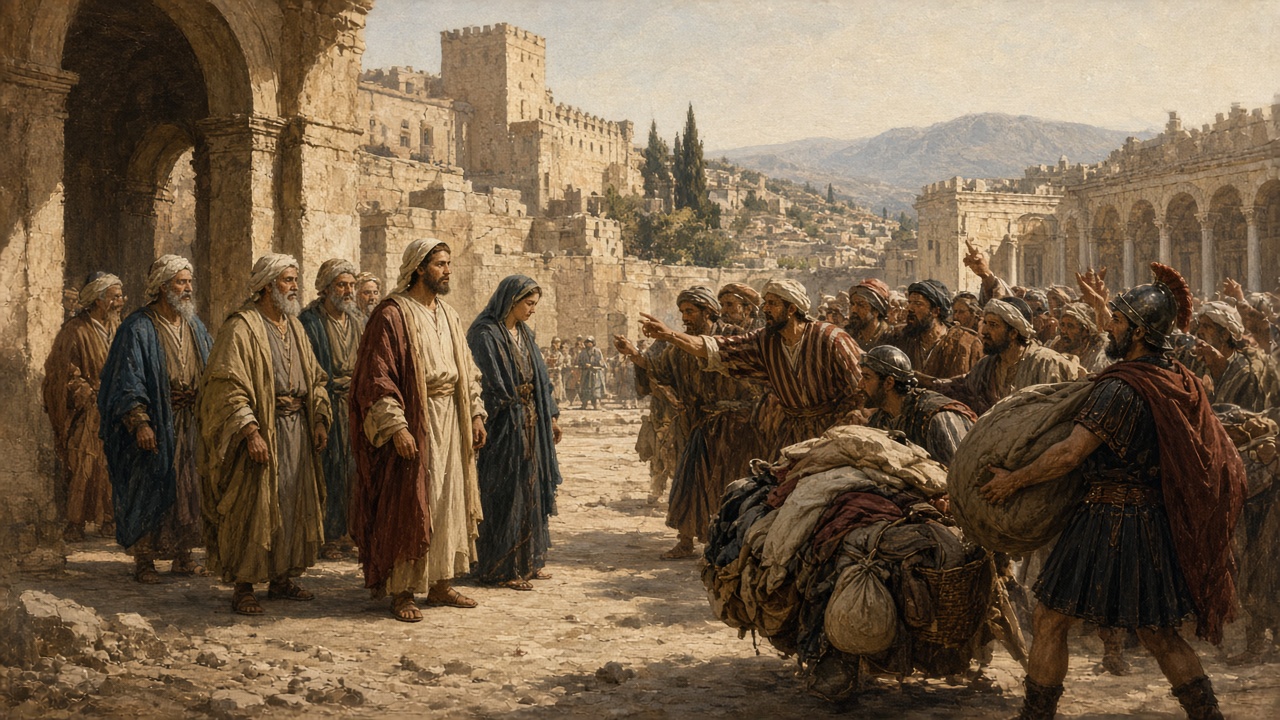
- Rejecting the law of Moses, the chapter says, brought death without mercy on the testimony of two or three witnesses. It then recalls an earlier time when the readers endured public ridicule and persecution, stood with those so treated, sympathized with people in prison, and joyfully accepted the confiscation of their property.Sources: the Bible text itself
Notes written with AI assistance from open sources (Theographic Bible Metadata, CC BY-SA 4.0; Easton’s Bible Dictionary, public domain) and reviewed before publishing.
Places in this chapter
Only places identified with high confidence are shown (90% or more according to the scholarly sources compiled by OpenBible). Period map: DARE (Digital Atlas of the Roman Empire), CC BY 4.0; modern map: © OpenStreetMap contributors; places: OpenBible.info (CC BY 4.0).
Credits and license for this translation
Diiloŋ-nelma Tobisĩfɛlɛnni
New Testament in Cerma (UV:cme:Cerma)
copyright © 2011 Wycliffe Bible Translators, Inc.
Language: (Cerma)
Translation by: Wycliffe Bible Translators, Inc.
Copyright Information
© 2011, Wycliffe Bible Translators, Inc. All rights reserved.
This translation text is made available to you under the
terms of the Creative Commons License: Attribution-Noncommercial-No Derivative Works.
( http://creativecommons.org/licenses/by-nc-nd/3.0/ )
In addition, you have permission to port the text to different file formats, as long as you
do not change any of the text or punctuation of the Bible.
You may share, copy, distribute, transmit, and extract portions
or quotations from this work, provided that you include the above copyright
information:
You must give Attribution to the work.
You do not sell this work for a profit.
You do not make any derivative works that change any of the actual words or punctuation of the Scriptures.
Permissions beyond the scope of this license may be
available if you contact
us with your request.
The New Testament
in Cerma
© 2011, Wycliffe Bible Translators, Inc. All rights reserved.
This translation is made available to you under the terms of the
Creative Commons Attribution-Noncommercial-No Derivatives license 4.0.
You may share and redistribute this Bible translation or extracts from it in any format, provided that:
You include the above copyright and source information.
You do not sell this work for a profit.
You do not change any of the words or punctuation of the Scriptures.
Pictures included with Scriptures and other documents on this site are licensed just for use with those Scriptures and documents.
For other uses, please contact the respective copyright owners.
2014-04-23
Source: http://ebible.org/cmeNT/ · eBible.org