John 4
Hmooh hmëë he- ga-jmee Jesucristo; Salmos · Tap a verse to see its cross-references.
Ja̱a̱ˉ dsaˉmëꜘ hi̱ˉ cha̱a̱ˉ hwaꜗ Samária gaꜙhlëëhꜘ kya̱a̱hˊ Jesús
1Gaꜙnuuꜘ dsaˉ fariseo hlëëhꜙ dsaˉ kihꜗ Jesús, maˊ jäyhꜘ jwë̱ë̱ꜘ gaˊ dsaˉ jä̱ä̱ꜙ Jesús hiꜙ jwë̱ë̱ꜘ gaˊ dsaˉ cha̱a̱y˜ jmɨɨˉ läꜙko̱hꜘ gaˊ Jwa̱a̱ꜚ. Hiꜙ gaꜙläꜙñeꜙ Dsaˉjø̱ø̱hˈ jnänˋ heˉ gaꜙnuuꜘ dsaˉ fariseo juuˈ ja̱ˉ. 2(Maꜙkeꜙ ja̱ꜙ heꜘ hñiiꜘ Jesús hi̱ˉ maˊ choo˜ jmɨɨˉ. Jnäähˈ discípulo baˊ hi̱ˉ maˊ choo˜ jmɨɨˉ.) 3Heˉja̱ˉ yaꜙhë̱ë̱ꜗ Jesús hwaꜗ Judea ja̱ˉ mahꜗ ngaayhꜗ taꜙ Galilea kaˉlähꜘ.
4Gaꜙjmeeꜘ biiꜗ kiyhꜗ ngooyꜗ taꜙ hwaꜗ kihꜗ Samária. 5Gaꜙtë̱ë̱yꜘ ko̱o̱ˉ jeeˊ jwɨɨˉ kihꜗ Samária heˉ maˊ che̱e̱ˉ Sicar, jä̱hꜙ kihꜗ hwaꜗ heˉ gaꜙkwëëhꜗ Jacob jo̱o̱yꜘ José. 6Jeeˊ ja̱ˉ maˊ chihˈ ko̱o̱ˉ jmɨˉtooˉ heˉ gaꜙjmeeꜘ Jacob. Gaꜙhwa̱a̱ꜘ Jesús jeeˊ hä̱ä̱yˊ jwëꜗ mahꜗ gaꜙgyayˉ gaꜙte̱e̱yhˉ dsëyꜗ kooꜘ jmɨˉtooˉ ja̱ˉ. Hor˜ ja̱ˉ maˉngooꜗ gaꜙtëꜘ lla̱ꜗhyooꜙ. 7Jaꜗ ja̱a̱ˉ dsaˉmëꜘ hi̱ˉ cha̱a̱ˉ Samária, yaꜙkye̱ꜘ jmɨɨˉ. Mahꜗ gaꜙjähꜘ Jesús sɨɨyhꜙ:
—Kwëëhˋ jnäꜘ miihˉ jmɨɨˉ kyahꜗ huhnˋ.
8(Jnäähˈ discípulo kya̱a̱yꜗ naˊnøøˈ jnäähꜗ taꜙ jeeˊ jwɨɨˉ naˊläˊ jnäähꜗ heˉ gaꜙkihˊ jnäähꜗ.)
9Hiꜙ dsaˉmëꜘ hi̱ˉ maˊ cha̱a̱ˉ Samária heꜘ gaꜙsɨɨyhꜙ Jesús:
—¿Haˉ läꜙja̱ˉ hneˉ hi̱ˉ la̱a̱ꜗ dsaˉ judiu ngɨɨhˊ jmɨɨˉ kinꜙ mahꜗ huhˈ, jnäꜘ hi̱ˉ la̱a̱ꜗ dsaˉ cha̱a̱ˉ Samária?
(Jëëhꜘ, dsaˉ judiu saꜙ jwa̱yhꜘ kya̱a̱hˊ dsaˉ samaritano.)
10Mahꜗ gaꜙjähꜘ Jesús sɨɨyhꜙ:
—Waˊraˉ jähꜘ kihꜗ ñehˊ heeˉ naˉ heˉ laˊ kwaꜙ Dio, hiꜙ hi̱i̱ˉ naˉ hi̱ˉ ngɨɨꜙ jmɨɨˉ kyahꜗ mahꜗ hɨ̱yhꜗ, hneˉ baˊ ngɨɨhˊ kiyhˈ jmɨɨˉ heˉ huhˈ hiꜙ hñiiyꜘ kwëëyhꜗ hneˉ jmɨɨˉ ji̱i̱hꜙ.
11Mahꜗ gaꜙjähꜘ dsaˉmëꜘ heꜘ kaˉlähꜘ:
—¿Haˉ läꜙ jmeehˈ Dsaˉjø̱ø̱hˈ kya̱a̱nꜙ? Saꜙ chaˉ niꜙ miihˉ heˉ kye̱hˊ heˉ kya̱a̱hˊ choohˊ jmɨɨˉ, hiꜙ juuhˉ jwërte jmɨˉtooˉ laˉ. ¿Haˉ baˊ taꜙ haaˊ jmɨɨˉ ji̱i̱hꜙ ja̱ˉ heˉ kwahˈ? 12¿Cheˊ jø̱ø̱hˈ gaˊ hneˉ läꜙko̱hꜘ gaˊ Jacob dsaˉ maˉgyu̱hˉ kya̱a̱ꜗ jnäähˈ, hi̱ˉ gaꜙkwëëhꜗ jnäähˈ jmɨˉtooˉ laˉ? Jeeˊ laˉ gaꜙhɨ̱yhꜗ kya̱a̱hˊ jo̱o̱yꜘ hiꜙ kya̱a̱hˊ läꜙjë̱ë̱ꜙ jahꜘ kya̱a̱yꜗ kaˉlähꜘ.
13Mahꜗ gaꜙje̱e̱hˉ Jesús juuˈ kihꜗ dsaˉmëꜘ heꜘ:
—Waˊ hi̱ˉ chaˉ hi̱ˉ, hi̱ˉ hɨ̱hꜗ jmɨɨˉ heˉ haaˊ laˉ, ko̱o̱ˉ kaˉlähꜘ jäꜙ läˉki̱i̱ˉ dsëyꜗ. 14Pero hi̱ˉ hɨ̱hꜗ jmɨɨˉ heˉ kwaˋ jnäꜘ, ji̱hˊko̱hꜘ ji̱hˊlɨhꜘ saꜙ jäꜙ läˉki̱i̱ˉ dsëyꜗ. Jmɨɨˉ heˉ kwaˋ jnäꜘ, heˉ ja̱ˉ hyaꜙ läꜙ maˉhyaˉ ja̱ˉbaˊ nehꜙ tuhˉdsëyꜗ heˉ jmeeꜙ cha̱a̱yˉ tä̱ä̱ꜘ.
15Mahꜗ gaꜙjähꜘ dsaˉmëꜘ heꜘ sɨɨyhꜙ:
—Kwëëhˋ jnäꜘ jmɨɨˉ ja̱ˉ, Dsaˉjø̱ø̱hˈ kya̱a̱nꜙ, mahꜗ saꜙ jäꜙ läˉki̱i̱ˉ dsënꜙ. Läꜙja̱ˉ moꜙsoꜙ jänˉ jeeˊ laˉ yaˊkye̱nˈ jmɨɨˉ —gaꜙjähꜘ dsaˉmëꜘ heꜘ.
16Mahꜗ gaꜙjähꜘ Jesús sɨɨyhꜙ:
—Gwa̱a̱hˉ mahꜗ goˉkya̱a̱ꜙ dsaˉñʉʉhˉ kya̱a̱hꜗ taꜙ laꜙ.
17—Saꜙ cha̱a̱ˉ dsaˉñʉʉhˉ kya̱a̱nꜙ —gaꜙjähꜘ dsaˉmëꜘ heꜘ sɨɨyhꜙ.
—Ja̱ˉbaˊ dsooꜘ heˉ maˉjähˊ, saꜙ cha̱a̱ˉ dsaˉñʉʉhˉ kya̱a̱hꜗ. 18Jëëhꜘ hña̱a̱ꜘ dsaˉñʉʉhˉ hi̱ˉ maˉläˉkya̱a̱hˋ, hi̱hꜗ hi̱ˉ kya̱a̱hˊ naˈ, ja̱ꜙ heꜘ dsaˉñʉʉhˉ kya̱a̱hꜗ heꜘ. Heˉ dsooꜘ naˉ maˉjähˊ —gaꜙjähꜘ Jesús sɨɨyhꜙ.
19—Dsaˉjø̱ø̱hˈ kya̱a̱nꜙ, goꜚ hi̱ˉ ngëë˜ juuˈ kihꜗ Dio baˊ hneˉ la̱a̱nꜙ. 20Läꜙjë̱ë̱ꜙ dsaˉ maˉgyu̱hˉ kya̱a̱ꜗ jnäähˈ dsaˉ samaritano gaꜙhnaayhˉ Dio jeeˊ chihˈ mohꜘ laˉ, mahꜗ hnähꜘ dsaˉ judiu jwahꜘ hnähꜘ, jwɨɨˉ Jerusalén baˊ jeeˊ hnäähnˊ Dio —gaꜙjähꜘ dsaˉmëꜘ heꜘ sɨɨyhꜙ.
21—Dsaˉmëꜘ, jmeeˊ dsooꜘ heˉ jwahnꜙ laˉ. Lloo˜ ko̱o̱ˉ jmɨɨˊ, niꜙ mohꜘ laˉ niꜙ jwɨɨˉ Jerusalén saꜙ hnaahˈ hnähꜘ Tääˋ. 22Saꜙ kyu̱u̱hꜙ hnähꜘ hi̱i̱ˉ naˉ hnaahꜙ hnähꜘ. Pero jnäähˈ dsaˉ judiu, kyu̱u̱ꜙ baˊ jnäähꜗ, hi̱i̱ˉ naˉ hi̱ˉ hnäähꜙ jnäähˈ, jëëhꜘ taꜙlaꜙ kihꜗ dsaˉ judiu baˊ jaˈ heˉ dsaˉlä̱ä̱ꜘ dsaˉ. 23Jäꜙ ko̱o̱ˉ hor˜, hiꜙ hor˜ ja̱ˉ laꜗ naꜗ gaˉjʉhˉ. Hi̱ˉ dsooꜘ hnaahꜙ Tääˋ, hnaayhˉ läꜙ hnøøꜗ Jmɨˉlleꜘ Naˉjngɨɨˈ hiꜙ kya̱a̱hˊ juˈdsooꜘ kaˉlähꜘ. Jëëhꜘ Tääˋ hnääyꜗ dsaˉ hi̱ˉ hnaayhˉ läꜙja̱ˉ. 24Jmɨˉlleꜘ baˊ la̱a̱ˈ Dio. Läꜙjë̱ë̱ꜙ hi̱ˉ hnaayhˉ, jmeeꜙ biiꜗ kiyhꜗ hnaayhˉ kya̱a̱hˊ jmɨˉlleꜘ hiꜙ kya̱a̱hˊ juˈdsooꜘ —gaꜙjähꜘ Jesús sɨɨyhꜙ.
25—Jnäꜘ manꜙ heˉ jäꜙ hi̱ˉ jäyhꜘ Mesía kihꜗ, hi̱ˉ jähꜘ dsaˉ che̱e̱ˉ Cristo. Waˊraˉ jayꜗ, hi̱ˉ heꜘ miˉjnääꜙ haˉ läꜙ laꜗ läꜙjëꜙ juuˈ laˉ —gaꜙjähꜘ dsaˉmëꜘ heꜘ sɨɨyhꜙ.
26Mahꜗ gaꜙjähꜘ Jesús:
—Hi̱ˉ heꜘ heꜘ jnäꜘ hi̱ˉ hlëëhꜙ kya̱a̱hˊ hneˉ.
27Hor˜ ja̱ˉ yaˉnøøˋ jnäähꜗ discípulo kya̱a̱yꜗ. Peerꜙ gaꜙläꜙdsa̱a̱˜ dsëˉ jnäähˈ maˊ gaꜙjëëˊ jnäähꜗ llaꜙ Jesús juuˈ kya̱a̱hˊ ja̱a̱ˉ dsaˉmëꜘ. Pero niꜙ ja̱a̱ˉ saꜙ gaꜙtu̱u̱ˉ dsëꜗ maˊ ngɨɨˈ juuˈ heeˉ juuˈ ja̱ˉ maˊ llayꜙ, hiꜙ heˉlaˈ maˊ hlëëyhꜙ kya̱a̱hˊ dsaˉmëꜘ heꜘ. 28Jeeˊ ja̱ˉ gaꜙchihꜘ dsaˉmëꜘ mɨˈdsuuˊ kiyhˈ mahꜗ ngaayhꜗ taꜙ jeeˊ jwɨɨˉ, naˊchiiyhˊ läꜙjë̱ë̱ꜙ dsaˉ:
29—Maꜙnøønˈ maꜙjë̱ë̱nˊ ja̱a̱ˉ dsaˉñʉʉhˉ hi̱ˉ maˉsɨɨhꜙ jnäꜘ läꜙjëꜙ goˉteˈ heˉ maˉjmeenꜗ. ¿Cheˊ ja̱ꜙ hi̱ˉ heꜘ ooꜙ Cristo hi̱ˉ hiiꜘ juuˈ kihꜗ?
30Läꜙcha̱hꜘ ja̱ˉ gaꜙhwë̱ë̱ˉ dsaˉ hi̱ˉ maˊ cha̱a̱ˉ jeeˊ jwɨɨˉ ja̱ˉ, naˊnääyˈ naˊjë̱ë̱yˉ. 31Taˊko̱ˉji̱i̱hˈ ja̱ˉ maˊ chu̱u̱ꜘ jnäähˈ kya̱a̱yhˊ:
—Taˉjwohꜗ, kuhˉhi̱hꜘ.
32Mahꜗ gaꜙsɨɨyhꜙ jnäähˈ:
—Chaˉ baˊ heˉ kuhnˋ heˉ saꜙ kyu̱u̱h˜ hnähꜘ.
33Heˉja̱ˉ gaꜙngɨɨˊ jnäähꜗ juuˈ kihꜗ dsaˉkya̱a̱hˊ jnäähꜗ:
—¿Cheˊ cha̱a̱ˉ ja̱a̱ˉ hi̱ˉ maˉja˜ hi̱ˉ maˉyaˉka̱ꜙ heˉ kuyhꜙ?
34Mahꜗ gaꜙjähꜘ Jesús sɨɨyhꜙ kaˉlähꜘ:
—Heˉ jmeenˋ läꜙ hnøøꜗ hi̱ˉ gaꜙche̱e̱ꜗ jnäꜘ mahꜗ miˊhñaanꜗ taˊ kiyhˈ, heˉ ja̱ˉ baˊ maˈ heˉ jmeeꜙ dsaˉkë̱ë̱nꜗ. 35¿Ja̱ˈ jwahꜘ hnähꜘ, hnøøꜗ gaˊ kye̱ꜘ sɨhˉ mahꜗ choohꜗ dsaˉ taˊ kihˈ? Pero jnäꜘ jwahnꜙ, choohˊ hnähꜘ nëhˊ mahꜗ jëëˋ daˊ hnähꜘ läꜙka̱a̱ˉ jeeˊ tä̱ä̱hˊ dsaˉ hi̱ˉ la̱a̱ꜗ läꜙko̱o̱ˉ mɨˈju̱ˉ heˉ maˉä̱ä̱ˉ heˉ maˉleꜘ choohꜗ dsaˉ. 36Hi̱ˉ cha̱a̱hˉ dsaˉ liyhꜙ baˊ jñeeyˈ. Heˉ cha̱a̱yhˉ dsaˉ mahꜗ cha̱a̱ˉ tä̱ä̱ꜘ, laꜗ läꜙko̱o̱ˉ heˉ chooyh˜ mɨˈju̱ˉ mahꜗ saꜙ he̱e̱ꜘ ji̱hˊko̱hꜘ. Kya̱a̱hˊ läꜙja̱ˉ, ko̱ˉjø̱hꜘ baˊ läꜙcha̱a̱ˉ lluꜗ hi̱ˉ gaꜙjngëëꜘ kya̱a̱hˊ hi̱ˉ gaꜙchoohꜗ taˊ. 37Hehꜗ läꜙ jähꜘ juuˈ laˉ, laꜗ juˈdsooꜘ: “Jñahꜘ baˊ hi̱ˉ jngëëˉ, hiꜙ jñahꜘ baˊ hi̱ˉ chooh˜ taˊ.” 38Jnäꜘ gaꜙche̱e̱nꜙ hnähꜘ mahꜗ choohˊ hnähꜘ taˊ heˉ saꜙ gaꜙjñeehˊ hnähꜘ. Jñahꜘ baˊ gaꜙkë̱ë̱ꜘ taˊ kihˈ, mahꜗ hnähꜘ gaꜙta̱a̱hˋ hnähꜘ jeeˊ laˈ taˊ kiyhˈ mahꜗ ko̱o̱ˉ choohˊ baˊ hnähꜘ taˊ ja̱ˉ —gaꜙjähꜘ Jesús sɨɨyhꜙ.
39Heˉja̱ˉ jwë̱ë̱ꜘ samaritano, hi̱ˉ cha̱a̱ˉ jeeˊ jwɨɨˉ ja̱ˉ gaꜙläꜙdsooꜘ dsëꜗ kihꜗ Jesús, läꜙko̱o̱ˉ maˊ gaꜙnuuyꜘ juuˈ kihꜗ dsaˉmëꜘ hi̱ˉ gaꜙjähꜘ: “Läꜙjëꜙ baˊ heˉ maˉjmeenꜗ maˉsɨɨyhꜙ jnäꜘ.” 40Heˉja̱ˉ yaꜙnääꜗ samaritano heꜘ yaꜙjë̱ë̱yꜙ Jesús mahꜗ gaꜙchu̱u̱yꜘ kya̱a̱yhˊ, gaꜙsɨɨyhꜙ:
—Jä̱ˊ kya̱a̱hˊ jnäähꜗ jeeˊ laˉ.
Heˉja̱ˉ gaꜙjä̱yꜘ to̱ꜗ jmɨɨˋ jeeˊ ja̱ˉ. 41Jwë̱ë̱ꜘ gaˊ dsaˉ gaꜙläꜙdsooꜘ dsëꜗ maˊ gaꜙnuuyꜘ heˉ maˊ hlëëyhꜙ ja̱ˉ. 42Läꜙjë̱ë̱ꜙ hi̱ˉ heꜘ maˊ sɨɨhꜙ dsaˉmëꜘ heꜘ:
—Ja̱ꜙ maꜙlaꜙ juuˈ kyahꜗ hneˉ jmeeˉ jnäähˈ dsooꜘ, hñaaꜗ jnäähˈ maˉnʉʉˊ jnäähꜗ juuˈ kiyhꜗ. Naꜗ baˊ raꜘ si˜ maˉñeˊ jnäähꜗ maꜙraꜙ juˈdsooꜘ, hi̱ˉ heꜘ heꜘ Cristo, hi̱ˉ lä̱ä̱˜ dsaˉ jmɨˉgyʉʉꜙ.
Gaꜙmiꜙhlä̱ä̱ꜘ Jesús chihˉ kya̱a̱ꜗ ja̱a̱ˉ dsaˉjø̱ø̱hˈ kya̱a̱ꜗ rey
43Maˉngëëꜘ to̱ꜗ jmɨɨˋ ja̱ˉ, yaꜙhë̱ë̱ꜗ Jesús jeeˊ ja̱ˉ, ngaayhꜗ taꜙ Galilea. 44(Hñiiꜘ Jesús gaꜙjähꜘ, ja̱a̱ˉ hi̱ˉ ngëë˜ juuˈ kihꜗ Dio jeeˊ jwɨɨˉ gooyˈ saꜙ hnääꜗ dsihꜘ.) 45Maˊ gaꜙlla̱a̱yhꜗ hwaꜗ Galilea, dsaˉ hi̱ˉ maˊ cha̱a̱ˉ jeeˊ ja̱ˉ gaꜙhe̱e̱yhˉ bihꜗ lluꜗ, kihꜗ heˉ gaꜙjëëyꜗ heˉ jʉhˉga̱a̱ˉ heˉ gaꜙjmeeꜘ Jesús maˊ gaꜙtëꜘ jmɨɨˊ ku̱yhˉ borrego mähꜗ jwɨɨˉ Jerusalén. Jëëhꜘ naˊnääˈ dsaˉ heꜘ kaˉlähꜘ maˊ gaꜙtëꜘ jmɨɨˊ ja̱ˉ.
46Ko̱o̱ˉ kaˉlähꜘ gaꜙllooyꜗ jwɨɨˉ Caná heˉ naˉhe̱e̱ꜚ hwaꜗ Galilea, jeeˊ gaꜙjmeeyꜘ jmɨˉdsëꜚ baˊ gaꜙlɨɨꜗ jmɨhˈ mɨˈjëhꜗ. Jeeˊ jwɨɨˉ Capernaum ja̱ˉ, maˊ cha̱a̱ˉ ja̱a̱ˉ dsaˉjø̱ø̱hˈ kya̱a̱ꜗ rey hi̱ˉ maˉdsaahˊ ja̱a̱ˉ chihˉ kya̱a̱ꜗ. 47Läꜙ maˊ gaꜙnuuꜘ dsaˉjø̱ø̱hˈ heꜘ yaꜙhë̱ë̱ꜗ Jesús hwaꜗ Judea ja̱yhꜗ taꜙ hwaꜗ Galilea, heˉja̱ˉ ñeeyˊ gaꜙmiꜙje̱e̱yꜚ mahꜗ gaꜙchu̱u̱yꜘ kya̱a̱hˊ, gaꜙsɨɨyhꜙ:
—Manˋ mahꜗ miˊhlä̱ä̱hꜗ chihˉ kya̱a̱nꜙ hi̱ˉ maˉkya̱a̱ˈ dsaˉju̱u̱ꜘ.
48Heˉja̱ˉ gaꜙjähꜘ Jesús sɨɨyhꜙ:
—Saꜙ he̱e̱hꜘ hnähꜘ waˊraˉ jähꜘ kihꜗ saꜙ jmeenˋ heˉ jʉhˉga̱a̱ˉ heˉ jëëhˈ hnähꜘ.
49—Dsaˉjø̱ø̱hˈ kya̱a̱nꜙ, maꜙnøønˈ gaˉjʉhˉ, jä̱ä̱ꜗ saꜙ gaˊ maˉju̱u̱ꜙ chihˉ kya̱a̱nꜙ —gaꜙjähꜘ dsaˉjø̱ø̱hˈ heꜘ sɨɨyhꜙ.
50Mahꜗ gaꜙjähꜘ Jesús sɨɨyhꜙ:
—Gwa̱a̱hˉ baˊ hneˉ kyahꜗ, cha̱a̱ˉ baˊ chihˉ kya̱a̱hꜗ.
Dsaˉjø̱ø̱hˈ heꜘ gaꜙjmeeyꜘ baˊ dsooꜘ dsëyꜗ maˊ gaꜙjähꜘ Jesús läꜙja̱ˉ, mahꜗ ngaayhꜗ. 51Niꜙ saꜙ gaˊ maˉlla̱a̱yhꜗ kiyhꜗ, yaꜙnääꜗ dsaˉ kya̱a̱yꜗ gaꜙmiꜙje̱e̱yꜚ, mahꜗ gaꜙjmeeyhꜗ juuˈ, gaꜙjäyhꜘ:
—Maˉjä̱ꜗ baˊ kihˈ chihˉ kya̱a̱hꜗ.
52Mahꜗ gaꜙngɨɨꜘ dsaˉjø̱ø̱hˈ heꜘ juuˈ kihꜗ dsaˉ kya̱a̱yꜗ:
—¿Heeˉ hor˜ gaꜙløøꜗ cha̱a̱yˉ lluꜗ?
Mahꜗ gaꜙjähꜘ dsaˉ kya̱a̱yꜗ:
—Llooꜘ, ko̱ˉhi̱ˊ gyiiˈ, yaꜙhɨɨꜗ lliiꜘ kiyhꜗ.
53Mahꜗ gaꜙläꜙdsooh˜ dsëꜗ jmiiˉ chihˉ heꜘ, ja̱ˉbaˊ hor˜ ja̱ˉ gaꜙjähꜘ Jesús: “Cha̱a̱ˉ baˊ chihˉ kya̱a̱hꜗ.” Heˉja̱ˉ chaˉgaˊmiihˉ gaꜙläꜙdsooꜘ dsëyꜗ läꜙkye̱ˉ hi̱ˉ cha̱a̱ˉ chaˊnehꜙ kiyhꜗ.
54Jeeˊ laˉ gaꜙtëꜘ to̱ꜗ heˉ jʉhˉga̱a̱ˉ heˉ gaꜙjmeeꜘ Jesús, maˊ yaꜙhë̱ë̱yꜗ hwaꜗ Judea ngaayhꜗ taꜙ hwaꜗ Galilea.
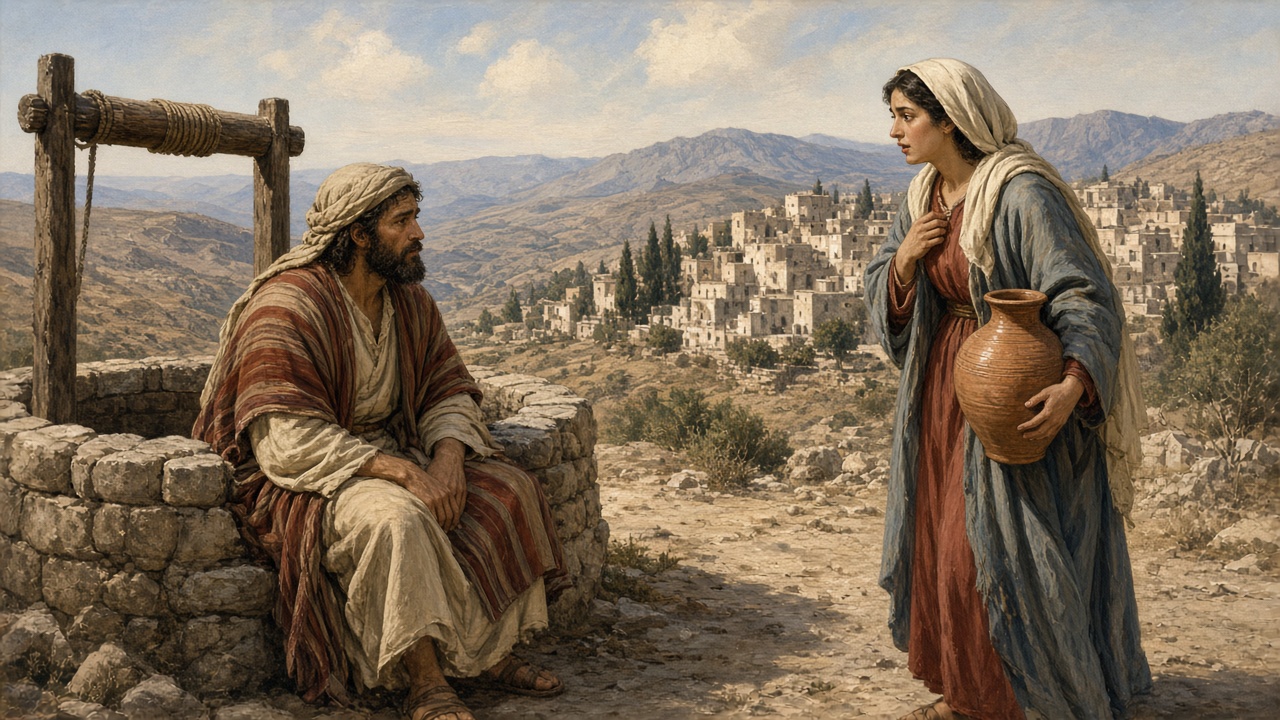
Did you know?
Living Water in Samaria
- Jesus left Judea to return to Galilee, and the Gospel says he had to pass through Samaria. Under the Romans in Jesus' time, Judea was the southernmost of Palestine's three divisions, distinguished from Samaria and Galilee, and the narrative notes that Jews did not associate with Samaritans.Sources: the Bible text itself · Judea
- He came to Sychar, near the plot of ground that Jacob had given his son Joseph, and, weary from the journey, sat down by Jacob's well. Easton's Bible Dictionary (1897) records that from the time of the Crusaders Sychar was usually identified with Shechem, but that explorations had identified it with 'Askar, a small Samaritan town on the southern base of Ebal, about a mile north of the well.Sources: the Bible text itself · Sychar
- The woman contrasted worship on this mountain with the Jewish claim that one must worship in Jerusalem, and she spoke of a coming Messiah, called Christ. When the disciples returned from buying food in the town, they were surprised that Jesus was speaking with a woman.Sources: the Bible text itself
Notes written with AI assistance from open sources (Theographic Bible Metadata, CC BY-SA 4.0; Easton’s Bible Dictionary, public domain) and reviewed before publishing.
Places in this chapter
- Galilee · 32.760, 35.527 · verses 3, 43, 45, 46, 47, 54
- Judea · Today: Judea 1 · 31.777, 35.234 · verses 3, 47, 54
- Samaria · Today: Samaria 2 · 32.276, 35.195 · verses 4, 5, 7, 9
- Jerusalem · 31.777, 35.234 · verses 20, 21, 45
- Mount Gerizim · 32.199, 35.273 · verse 20
Only places identified with high confidence are shown (90% or more according to the scholarly sources compiled by OpenBible). Period map: DARE (Digital Atlas of the Roman Empire), CC BY 4.0; modern map: © OpenStreetMap contributors; places: OpenBible.info (CC BY 4.0).
Credits and license for this translation
Hmooh hmëë he- ga-jmee Jesucristo; Salmos
New Testament and Psalms in Chinantec, Ozumacín (MX:chz:Chinantec, Ozumacín)
copyright © 2003 Wycliffe Bible Translators, Inc.
Language: Chinantec, Ozumacín
Translation by: Wycliffe Bible Translators, Inc.
Chinanteco, Ozumacín [chz], Mexico
Copyright Information
© 2003, Wycliffe Bible Translators, Inc.
This translation text is made available to you under the
terms of the Creative Commons License: Attribution-Noncommercial-No Derivative Works.
( http://creativecommons.org/licenses/by-nc-nd/3.0/ )
In addition, you have permission to port the text to different file formats, as long as you
do not change any of the text or punctuation of the Bible.
You may share, copy, distribute, transmit, and extract portions
or quotations from this work, provided that you include the above copyright
information:
You must give Attribution to the work.
You do not sell this work for a profit.
You do not make any derivative works that change any of the actual words or punctuation of the Scriptures.
Permissions beyond the scope of this license may be
available if you contact
us with your request.
The New Testament and Psalms
in Chinantec, Ozumacín
© 2003, Wycliffe Bible Translators, Inc.
This translation is made available to you under the terms of the
Creative Commons Attribution-Noncommercial-No Derivatives license 4.0.
You may share and redistribute this Bible translation or extracts from it in any format, provided that:
You include the above copyright and source information.
You do not sell this work for a profit.
You do not change any of the words or punctuation of the Scriptures.
Pictures included with Scriptures and other documents on this site are licensed just for use with those Scriptures and documents.
For other uses, please contact the respective copyright owners.
2014-04-22
Source: http://ebible.org/chzNTps/ · eBible.org