John 3
Hmooh hmëë he- ga-jmee Jesucristo; Salmos · Tap a verse to see its cross-references.
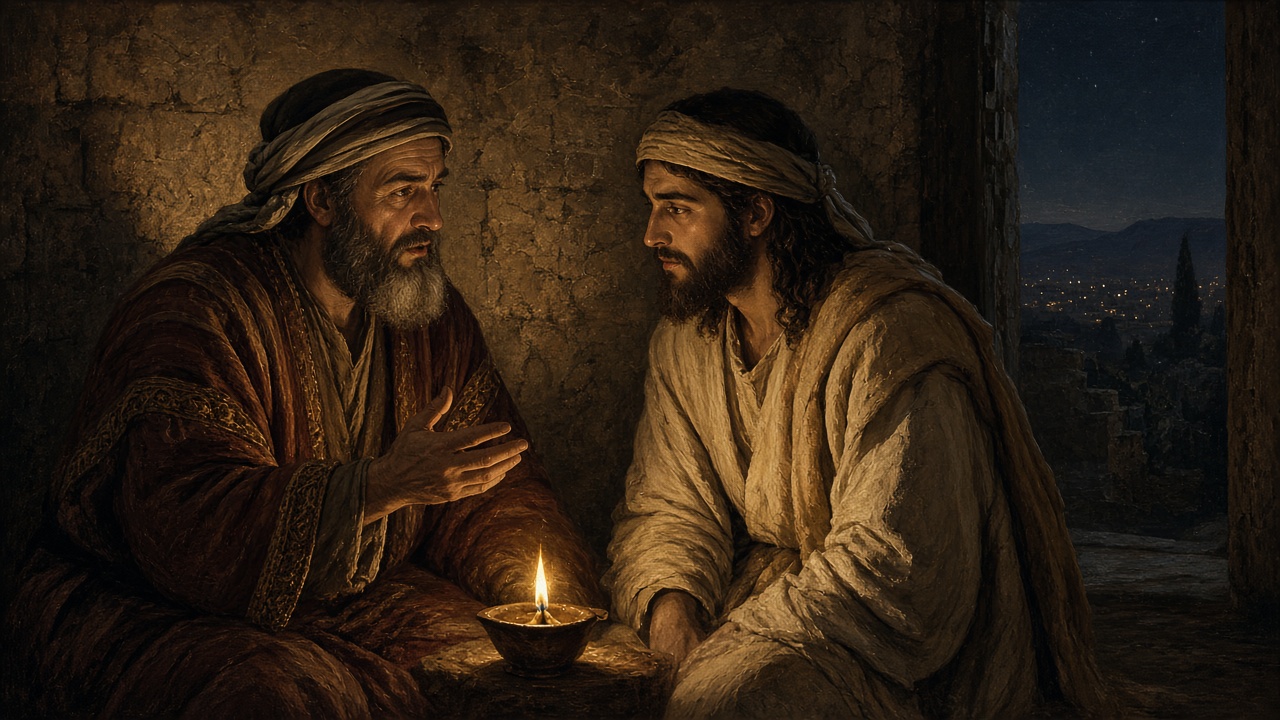
Taꜙlaꜙ hwëˈ baˊ ñeeˊ Nicodemo naˊjë̱ë̱yˉ Jesús
1Maˊ cha̱a̱ˉ ja̱a̱ˉ dsaˉñʉʉhˉ jeeˊ kihˈ fariseo hi̱ˉ maˊ che̱e̱ˉ Nicodemo, maˊ la̱a̱ˈ ja̱a̱ˉ dsaˉ hi̱ˉ kye̱ˉ nëˊ kihˈ dsaˉ judiu. 2Taꜙlaꜙ hwëˈ baˊ ñeeˊ dsaˉñʉʉhˉ heꜘ naˊjë̱ë̱yˉ Jesús mahꜗ gaꜙsɨɨyhꜙ:
—Taˉjwohꜗ, ñeˊ jnäähꜗ, gaꜙche̱e̱ꜗ Dio hneˉ, la̱a̱hꜗ ja̱a̱ˉ taˉjwohꜗ. Jëëhꜘ niꜙ ja̱a̱ˉ saꜙ lihꜙ jmeeꜗ läꜙjëꜙ heˉ jʉhˉga̱a̱ˉ heˉ jmeehˉ hneˉ waˊraˉ jähꜘ kihꜗ saꜙ kya̱a̱hˊ Dio hneˉ —gaꜙjähꜘ Nicodemo sɨɨyhꜙ.
3—Maꜙraꜙ juˈdsooꜘ jwë̱ë̱hn˜ hneˉ, hi̱ˉ saꜙ läꜙcha̱a̱ˉ kaˉlähꜘ läꜙhmëëꜘ, saꜙ të̱ë̱yꜗ jëëyꜗ jeeˊ jmeeꜙ Dio hihꜙ —gaꜙjähꜘ Jesús sɨɨyhꜙ.
4—¿Haˉ läꜙja̱ˉ läꜙcha̱a̱ˉ kaˉlähꜘ ja̱a̱ˉ dsaˉ gaˊ maˉgyu̱hˉ? ¿Cheˊ leꜘ dsaˉhe̱e̱yꜗ jeeˊ maˊ hä̱ä̱yˊ mahꜗ läꜙcha̱a̱yˉ läꜙhmëëꜘ? —gaꜙjähꜘ Nicodemo sɨɨyhꜙ.
5Ko̱o̱ˉ kaˉlähꜘ gaꜙjähꜘ Jesús:
—Maꜙraꜙ juˈdsooꜘ jwë̱ë̱hn˜ hneˉ, hi̱ˉ saꜙ läꜙcha̱a̱ˉ kya̱a̱hˊ jmɨɨˉ hiꜙ kya̱a̱hˊ jmɨˉlleꜘ, saꜙ të̱ë̱yꜗ dsaˉheyꜘ jeeˊ jmeeꜙ Dio hihꜙ. 6Hi̱hꜗ dsaˉläˉcha̱a̱ˉ kihꜗ ngoꜗ, ngoꜗ baˊ la̱a̱yˈ. Hiꜙ hi̱hꜗ dsaˉläˉcha̱a̱ˉ kya̱a̱hˊ jmɨˉlleꜘ, la̱a̱yꜗ jmɨˉlleꜘ baˊ. 7Taꜙ jmeeˉ dsa̱a̱˜ hohꜘ heˉ maˉjwë̱ë̱hnꜗ hneˉ, jmeeꜙ biiꜗ läꜙcha̱a̱hˉ hnähꜘ kaˉlähꜘ läꜙhmëëꜘ. 8Lleꜘ gwaꜘ hiꜙ dsoo˜ haˉ jeeˊ hnøøˈ. Maꜙkeꜙ nuuhˉ hi̱i̱ˊ lleꜘ, saꜙ ñehˊ haˉ taꜙ gwaꜘ niꜙ haˉ taꜙ dsoo˜. Läꜙja̱ˉ laꜗ kihꜗ läꜙjë̱ë̱ꜙ hi̱ˉ dsaˉläˉcha̱a̱ˉ kya̱a̱hˊ Jmɨˉlleꜘ kihꜗ Dio —gaꜙjähꜘ Jesús sɨɨyhꜙ.
9—¿Haˉ läꜙ laꜗ juuˈ naˉ? —gaꜙjähꜘ Nicodemo sɨɨyhꜙ.
10Mahꜗ gaꜙje̱e̱hˉ Jesús juuˈ kiyhꜗ, gaꜙsɨɨyhꜙ:
—¿Ja̱ˈ taˉjwohꜗ kya̱a̱ꜗ dsaˉ Israel la̱a̱hꜗ mahꜗ saꜙ kyu̱u̱h˜ heˉ laˉ? 11Maꜙraꜙ juˈdsooꜘ jwë̱ë̱hn˜ hneˉ, heˉ maˉkyu̱u̱h˜ jnäähˈ, heˉ ja̱ˉ baˊ hlëëhˊ jnäähꜗ. Hiꜙ heˉ maˉjëëˊ jnäähꜗ, heˉ ja̱ˉ baˊ jmeeˉ jnäähˈ dsooꜘ. Pero hnähꜘ saꜙ he̱e̱hˊ hnähꜘ heˉ hlëëhˊ jnäähꜗ. 12Waˊraˉ gaꜙhlë̱ë̱hnˋ hnähꜘ läꜙko̱o̱ˉ laꜗ heˉ chaˉ hwaꜗ laˉ, saꜙ jmeehˉ hnähꜘ dsooꜘ. Haˉ baˊ läꜙ jmeehˈ hnähꜘ dsooꜘ cherˊmahꜗ gaꜙhlë̱ë̱hnˋ hnähꜘ läꜙko̱o̱ˉ laꜗ heˉ chaˉ gyʉʉhˈ jmɨˉgyʉʉꜙ.
13ʼSaꜙ cha̱a̱ˉ gaˊ jñahꜘ hi̱ˉ gaꜙwɨɨꜗ gyʉʉhˈ jmɨˉgyʉʉꜙ, maꜙlaꜙ hi̱ˉ gaꜙjña̱a̱ꜗ gyʉʉhˈ baˊ. Hi̱ˉ heꜘ heꜘ Hi̱ˉgaꜙlë̱ë̱ꜗngoꜗ laˉ hi̱ˉ gyaꜗ gyʉʉhˈ jmɨˉgyʉʉꜙ. 14Ja̱ˉbaˊ läꜙko̱o̱ˉ gaꜙcha̱a̱ꜗ Moisé mɨɨhˉ taꜙ gyʉʉhˈ jeeˊ maˊ laˈ hwaꜗ ki̱i̱ꜙ ja̱ˉ, ja̱ˉbaˊ läꜙja̱ˉ jmeeꜙ biiꜗ cha̱a̱ꜗ dsaˉ gyʉʉhˈ Hi̱ˉgaꜙlë̱ë̱ꜗngoꜗ laˉ. 15Mahꜗ läꜙja̱ˉ läꜙjë̱ë̱ꜙ hi̱ˉ jmeeꜗ dsooꜘ dsëꜗ kiyhꜗ saꜙ he̱e̱yꜘ, läꜙcha̱a̱yˉ tä̱ä̱ꜘ gaꜙläꜙjëꜙ johꜘ jmɨɨˊ chaˉ baˊ.
Chaˉmiihˉ hnääꜗ Dio läꜙjë̱ë̱ꜙ dsaˉ jmɨˉgyʉʉꜙ
16ʼJëëhꜘ chaˉmiihˉ hnääꜗ Dio läꜙjë̱ë̱ꜙ dsaˉ jmɨˉgyʉʉꜙ, heˉja̱ˉ gaꜙkwa̱a̱yꜗ gyʉ̱ʉ̱ˉ ko̱o̱ˉ mëëˈ kya̱a̱yꜗ, mahꜗ läꜙja̱ˉ läꜙjë̱ë̱ꜙ hi̱ˉ jmeeꜗ dsooꜘ dsëꜗ kiyhꜗ saꜙ he̱e̱yꜘ, läꜙcha̱a̱yˉ gaꜙläꜙjëꜙ johꜘ jmɨɨˊ chaˉ baˊ. 17Jëëhꜘ saꜙ gaꜙche̱e̱ꜗ Dio jo̱o̱ꜘ jmɨˉgyʉʉꜙ laˉ mahꜗ ta̱a̱yhꜙ dsaˉ dsoˊjwɨɨꜘ. Gaꜙche̱e̱yꜗ mahꜗ taꜙlaꜙ kiyhꜗ lä̱ä̱yꜗ dsaˉ jmɨˉgyʉʉꜙ baˊ.
18ʼHi̱ˉ jmeeꜙ dsooꜘ dsëꜗ kiyhꜗ saꜙ chaˉ niꜙ miihˉ dsoˊjwɨɨꜘ nëˊ kiyhˈ. Pero hi̱ˉ saꜙ jmeeꜙ dsooꜘ dsëꜗ kiyhꜗ maˉchaˉ dsoˊjwɨɨꜘ nëˊ kiyhˈ, jëëhꜘ saꜙ dsooꜘ dsëyꜗ kihꜗ gyʉ̱ʉ̱ˉ ko̱o̱ˉ mëëˈ kya̱a̱ꜗ Dio. 19Läꜙlaˉ baˊ laˈ heˉ jaꜗ dsoˊjwɨɨꜘ nëˊ kihˈ dsaˉ. Jaꜗ baˊ waˊjeˉ hwaꜗ laˉ pero gaꜙläꜙhnøøꜗ gyihꜗ jeeˊ naˉho̱o̱ˉ läꜙko̱hꜘ gaˊ waˊjeˉ, jëëhꜘ läꜙjëꜙ heˉ jmeeyꜙ, heˉ hlɨɨhˈ jmahꜗ baˊ. 20Jëëhꜘ läꜙjë̱ë̱ꜙ hi̱ˉ jmeeꜙ heˉ hlɨɨhˈ naˉhøøyhˊ kihˈ waˊjeˉ, saꜙ hnøøyꜗ yaˉnääyꜘ jeeˊ jnäꜘ waˊjeˉ mahꜗ saꜙ läꜙjnäꜘ heˉ jmeeyꜙ. 21Pero hi̱ˉ tä̱ä̱hˊ jmeeꜙ läꜙ hnøøꜗ juˈdsooꜘ, hi̱ˉ heꜘ baˊ goˉnääꜘ jeeˊ jnäꜘ waˊjeˉ mahꜗ läꜙja̱ˉ läꜙjnäꜘ laꜗ kya̱a̱hˊ beꜘ kihꜗ Dio läꜙjëꜙ heˉ jmeeyꜙ —gaꜙjähꜘ Jesús sɨɨyhꜙ Nicodemo.
Ko̱o̱ˉ kaˉlähꜘ gaꜙløøꜗ Jwa̱a̱ꜚ hi̱ˉ maˊ choo˜ jmɨɨˉ hlëëhꜙ kihꜗ Jesús
22Maˉngëëꜘ heˉ ja̱ˉ, ngooꜗ Jesús taꜙ hwaꜗ Judea, hiꜙ jnäähˈ discípulo gaꜙnøøꜗ jnäähˈ kya̱a̱yhˊ. Jeeˊ ja̱ˉ gaꜙjä̱ˊ jnäähꜗ kya̱a̱yhˊ miihˉ jmɨɨˊ hiꜙ maˊ cha̱a̱y˜ dsaˉ jmɨɨˉ. 23Jwa̱a̱ꜚ kaˉlähꜘ maˊ cha̱a̱˜ dsaˉ jmɨɨˉ jeeˊ jwɨɨˉ Enón, kooꜘ Salim, jëëhꜘ jeeˊ ja̱ˉ chaˉ chaˉmiihˉ jmɨɨˉ. Jeeˊ ja̱ˉ maˊ dsaˉnääꜗ dsaˉ mahꜗ maˊ sa̱a̱yˉ jmɨɨˉ. 24Jmɨɨˊ ja̱ˉ, saꜙ gaˊ maˉta̱a̱hˉ dsaˉ Jwa̱a̱ꜚ nehꜙñeˈ.
25Heˉja̱ˉ ko̱ˉlla̱a̱ˊ discípulo kya̱a̱ꜗ Jwa̱a̱ꜚ gaꜙta̱a̱yhˋ tiˉchooyꜙ juuˈ kya̱a̱hˊ dsaˉ judiu haˉ läꜙ jmeeꜗ dsaˉ mahꜗ jä̱yꜗ naˉjngëëyˈ chaˊnëˊ Dio. 26Mahꜗ naˊnääyˈ jeeˊ chehˈ Jwa̱a̱ꜚ naˊchiiyhˊ:
—Taˉjwohꜗ, hi̱ˉ maˊ gyaˈ kya̱a̱hˊ hneˉ taꜙ hngaahˋ ko̱ˉta̱a̱ˉ kihꜗ jmɨɨˉ Jordán, hi̱ˉ gaꜙkwahˊ juˈdsooꜘ kihꜗ heꜘ, naꜗ cha̱a̱y˜ dsaˉ jmɨɨˉ. Gaꜙläꜙjë̱ë̱ꜙ baˊ dsaˉ dsaˉnääꜗ kya̱a̱yhˊ.
27Mahꜗ gaꜙjähꜘ Jwa̱a̱ꜚ sɨɨyhꜙ:
—Saꜙ leꜘ hyohꜙ dsaˉ niꜙ miihˉ, waˊraˉ jähꜘ kihꜗ saꜙ gaꜙhyoyhꜗ kihꜗ Dio. 28¿Ja̱ˈ heꜘ baˊ hnähꜘ gaꜙnʉʉhˉ hnähꜘ kinꜙ heˉ gaꜙjwahnꜗ?: “Ja̱ꜙ heꜘ jnäꜘ la̱a̱nꜗ Cristo. La̱a̱nꜗ ja̱a̱ˉ hi̱ˉ gaꜙche̱e̱ꜗ Dio jä̱ä̱ꜗ mahꜗ hlëëhnˊ kiyhˈ.” 29Dsaˉmëꜘ hi̱ˉ dsaˉje̱e̱ꜘ gooˉ la̱a̱yꜗ kya̱a̱ꜗ dsaˉñʉʉhˉ hi̱ˉ je̱e̱ꜘ gooˉ kya̱a̱yhˊ. Pero omeꜚ kya̱a̱ꜗ dsaˉñʉʉhˉ heꜘ hi̱ˉ chehꜗ kooꜘ kiyhꜗ cha̱a̱yˉ lluꜗ kya̱a̱hˊ ko̱o̱ˉ nuuyꜗ hlëëhꜗ dsaˉñʉʉhˉ heꜘ. Läꜙja̱ˉ laꜗ kiꜙ jnäꜘ kaˉlähꜘ, maˉjë̱ë̱ꜘ dsënꜙ goˉte˜ naꜗ heˉ maˉja˜ Cristo. 30Jmeeꜙ biiꜗ jʉʉhꜗ taˊ kiyhˈ mahꜗ läꜙja̱ˉ läꜙhwa̱a̱ꜗ taˊ kinꜙ.
Hi̱ˉ jaꜗ gyʉʉhˈ jmɨˉgyʉʉꜙ kye̱ˉ nëˊ kihˈ jeeˊ läꜙjë̱ë̱ꜙ
31Hi̱ˉ jaꜗ gyʉʉhˈ kye̱ˉ nëˊ kihˈ jeeˊ läꜙjë̱ë̱ꜙ. Pero hi̱ˉ cha̱a̱ˉ hwaꜗ laˉ, hwaꜗ laˉ baˊ naˊjnääyꜘ, hiꜙ hlëëyhꜙ kihꜗ heˉ chaˉ hwaꜗ laˉ baˊ. Hi̱ˉ jaꜗ gyʉʉhˈ jmɨˉgyʉʉꜙ kye̱ˉ nëˊ kihˈ jeeˊ läꜙjë̱ë̱ꜙ. 32Heˉ maˉjëëyꜙ heˉ maˉnuuyꜘ, heˉ ja̱ˉ baˊ hlëëyhꜙ, pero niꜙ ja̱a̱ˉ saꜙ he̱e̱hˉ juuˈ heˉ kwayꜙ. 33Hi̱ˉ he̱e̱hˉ juuˈ heˉ kwayꜙ, hi̱ˉ heꜘ jmeeꜙ bihꜗ dsooꜘ juuˈ kihꜗ Dio. 34Jëëhꜘ hi̱ˉ gaꜙche̱e̱ꜗ Dio, hlëëyhꜙ juuˈ kihꜗ Dio baˊ. Hiꜙ ja̱ꜙ kya̱a̱hˊ hihꜙ kwaꜙ Dio jmɨˉlleꜘ kihꜗ. 35Jëëhꜘ, Tääˋ hnääyꜗ baˊ Jo̱o̱yꜘ. Hiꜙ gaꜙtooyhˉ gooˉ Jo̱o̱yꜘ läꜙjëꜙ heˉ gaˊ chaˉ. 36Hi̱ˉ jmeeꜙ dsooꜘ dsëꜗ kihꜗ Jo̱o̱ꜘ Dio läꜙ maˉcha̱a̱yˉ ja̱ˉbaˊ. Pero hi̱ˉ saꜙ jmeeꜙ dsooꜘ dsëꜗ kihꜗ Jo̱o̱ꜘ Dio saꜙ jëëyꜗ jeeˊ jmeeꜙ Dio hihꜙ. Heˉ wɨɨꜘ heˉ naꜗ gaˊ che̱e̱ˈ Dio, heˉ ja̱ˉ baˊ jäꜙ nëˊ kiyhˈ.
Did you know?
New birth and John's witness
- Nicodemus, whose name means "the people is victor," was a Pharisee and a member of the Sanhedrin. He came to Jesus at night to learn more of his teaching, and the Gospel calls him a leader of the Jews; Jesus addresses him as Israel's teacher.Sources: Nicodemus · the Bible text itself
- After this conversation, Jesus and his disciples went into the Judean countryside, under the Romans the southernmost of the three divisions of Palestine. John was also baptizing at Aenon near Salim, because water was plentiful there; Salim, whose name means "peaceful," lay west of the Jordan. Aenon means "springs," and Easton's Bible Dictionary (1897) places it probably near the upper source of the Wady Far'ah, an open valley full of springs running from Mount Ebal to the Jordan.Sources: the Bible text itself · Judea · Aenon · Salim
- In this chapter John tells his disciples that he is not the Christ but was sent ahead of him, and the narrative notes that he had not yet been thrown into prison. Easton's Bible Dictionary (1897) describes him as the forerunner of Jesus, of priestly descent, and says that his mission was the subject of prophecy.Sources: the Bible text itself · John the Baptist
Notes written with AI assistance from open sources (Theographic Bible Metadata, CC BY-SA 4.0; Easton’s Bible Dictionary, public domain) and reviewed before publishing.
Places in this chapter
- Jerusalem · 31.777, 35.234 · verse 22
- Judea · Today: Judea 1 · 31.777, 35.234 · verse 22
- Jordan · Today: Jordan River · 31.761, 35.558 · verse 26
Only places identified with high confidence are shown (90% or more according to the scholarly sources compiled by OpenBible). Period map: DARE (Digital Atlas of the Roman Empire), CC BY 4.0; modern map: © OpenStreetMap contributors; places: OpenBible.info (CC BY 4.0).
Credits and license for this translation
Hmooh hmëë he- ga-jmee Jesucristo; Salmos
New Testament and Psalms in Chinantec, Ozumacín (MX:chz:Chinantec, Ozumacín)
copyright © 2003 Wycliffe Bible Translators, Inc.
Language: Chinantec, Ozumacín
Translation by: Wycliffe Bible Translators, Inc.
Chinanteco, Ozumacín [chz], Mexico
Copyright Information
© 2003, Wycliffe Bible Translators, Inc.
This translation text is made available to you under the
terms of the Creative Commons License: Attribution-Noncommercial-No Derivative Works.
( http://creativecommons.org/licenses/by-nc-nd/3.0/ )
In addition, you have permission to port the text to different file formats, as long as you
do not change any of the text or punctuation of the Bible.
You may share, copy, distribute, transmit, and extract portions
or quotations from this work, provided that you include the above copyright
information:
You must give Attribution to the work.
You do not sell this work for a profit.
You do not make any derivative works that change any of the actual words or punctuation of the Scriptures.
Permissions beyond the scope of this license may be
available if you contact
us with your request.
The New Testament and Psalms
in Chinantec, Ozumacín
© 2003, Wycliffe Bible Translators, Inc.
This translation is made available to you under the terms of the
Creative Commons Attribution-Noncommercial-No Derivatives license 4.0.
You may share and redistribute this Bible translation or extracts from it in any format, provided that:
You include the above copyright and source information.
You do not sell this work for a profit.
You do not change any of the words or punctuation of the Scriptures.
Pictures included with Scriptures and other documents on this site are licensed just for use with those Scriptures and documents.
For other uses, please contact the respective copyright owners.
2014-04-22
Source: http://ebible.org/chzNTps/ · eBible.org